rifanmuazin
A comprehensive new study by Buffer, a leading social media management platform, has identified key patterns in user engagement across TikTok, pinpointing optimal posting times for content creators and small businesses aiming to amplify their reach. Analyzing an extensive dataset of over 7.1 million videos, carousels, photos, and text posts published through its platform, Buffer’s data science team has provided valuable, data-backed insights into when content is most likely to capture audience attention. The findings indicate that while no single "magic hour" guarantees viral success, strategic timing significantly enhances a post’s initial visibility, a critical factor in TikTok’s algorithm-driven distribution.
Unpacking the Methodology: A Deep Dive into 7.1 Million Posts
The rigorous analysis, spearheaded by Buffer’s data scientist Julian Winternheimer, examined the median engagement rate of each of the 7.1 million posts. This extensive dataset provides a robust foundation for identifying trends that transcend individual content types or niche audiences, offering a broad, universally applicable guideline. The study focused on identifying clear patterns where posts consistently garnered higher views and interactions, contrasting these with periods of lower engagement. This methodical approach allowed researchers to distill actionable recommendations, moving beyond anecdotal evidence to deliver verifiable data. The sheer volume of data processed underscores the reliability of the observed patterns, providing a snapshot of platform behavior in early 2026.
The Algorithm’s Gatekeepers: Why Timing is Paramount on TikTok
Understanding the significance of posting times requires an appreciation for the TikTok algorithm. Unlike platforms that might prioritize chronological feeds or established connections, TikTok’s "For You Page" (FYP) operates on a highly dynamic recommendation system. When a video is uploaded, it is initially shown to a small test group of users. The algorithm closely monitors their reactions: watch-through rates, likes, shares, and comments. If this initial cohort engages positively, it signals to the algorithm that the content is compelling, prompting a wider distribution to more users on their FYP. Conversely, a poor initial reception can stifle a video’s potential, burying it before it gains momentum.
Therefore, posting during peak audience activity maximizes the chances of a positive initial engagement from the test group. More active users mean a higher likelihood of capturing attention, translating into better initial performance metrics that the algorithm then uses to determine broader reach. This interplay between timing and algorithmic mechanics makes strategic scheduling a non-negotiable aspect of any effective TikTok content strategy.
Key Findings: The Best Times and Days for Engagement
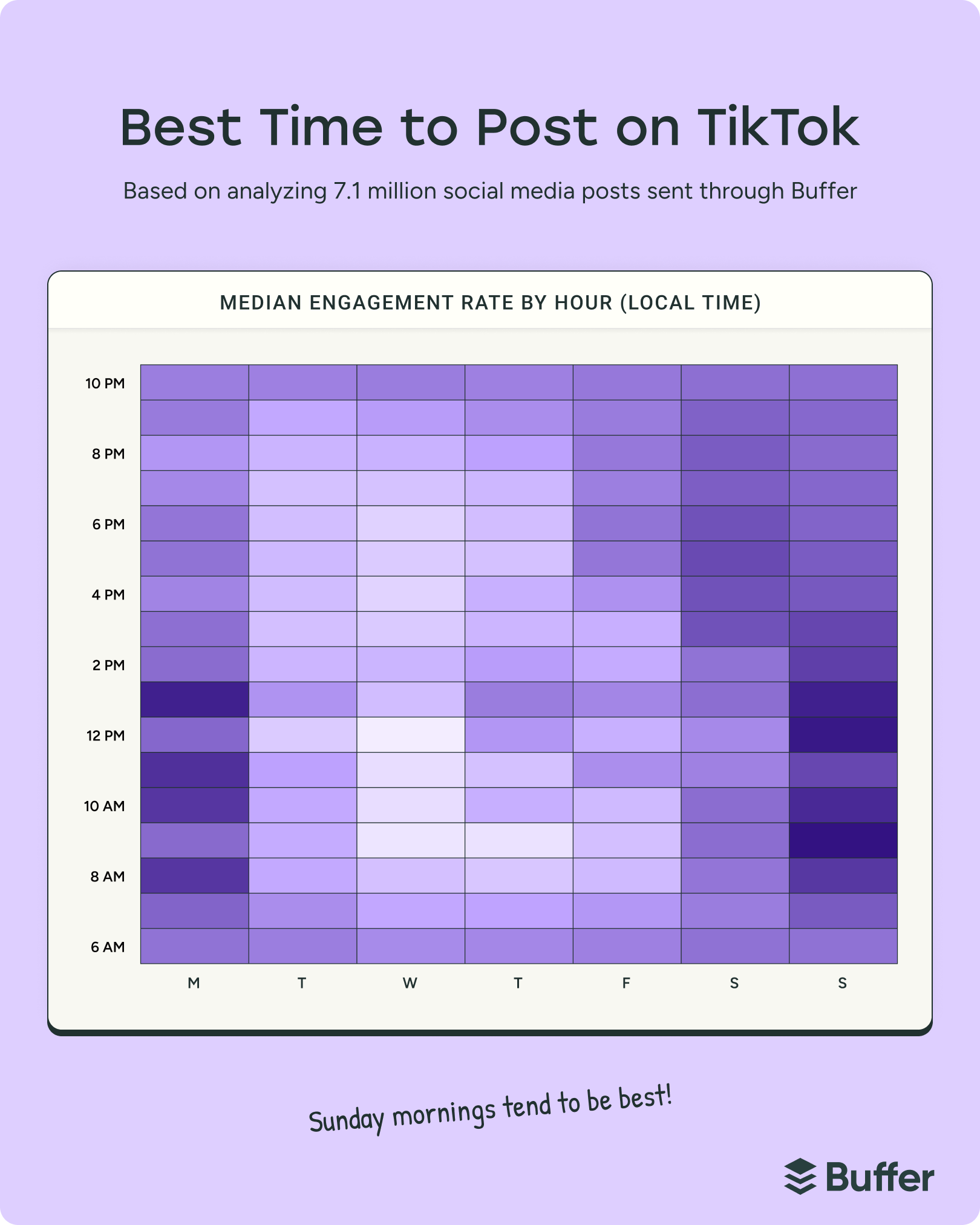
Buffer’s analysis revealed distinct peaks and troughs in engagement throughout the week. Overall, the study highlighted Sunday at 9 a.m. as the single best time to post on TikTok for maximum engagement. This was closely followed by Monday at 1 p.m. and Sunday at 1 p.m. These times consistently demonstrated the highest median engagement rates across the millions of posts analyzed.
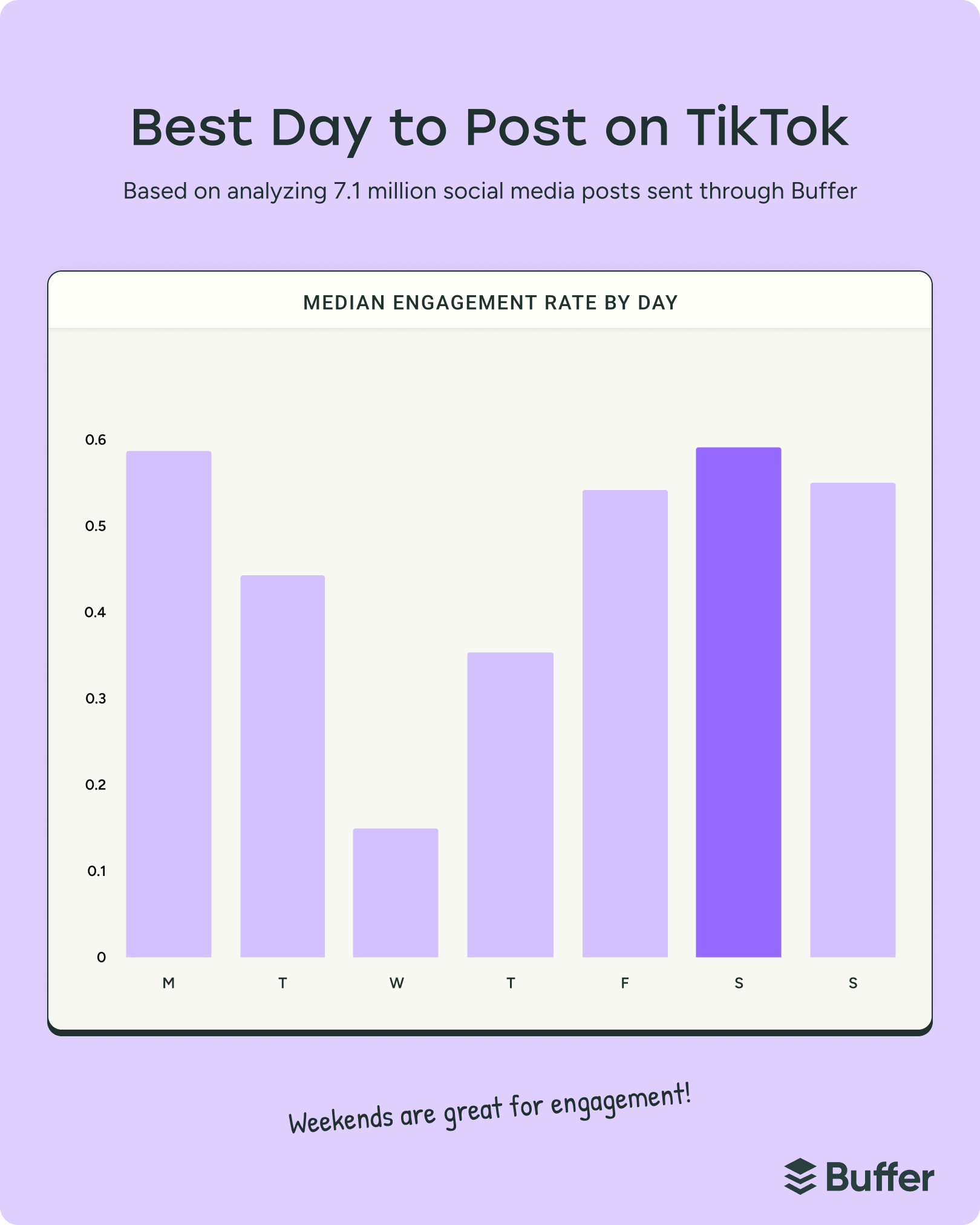
General trends indicate that views on TikTok tend to pick up significantly during evening hours, specifically between 6 p.m. and 11 p.m. Conversely, afternoons (12 p.m. to 5 p.m.) generally exhibited lower engagement across most days. This pattern suggests a shift in user behavior, with peak scrolling often occurring outside of traditional work or school hours, or during leisure time.
A particularly noteworthy finding from the study is the strong performance of TikTok content on weekends. Unlike other social media platforms such as Instagram or LinkedIn, where weekend engagement often sees a dramatic decline, TikTok experiences the exact opposite. This divergence is largely attributed to TikTok’s younger demographic, with a significant majority of its U.S. users falling into the 18-24 age bracket. This age group typically maintains a less rigid schedule, allowing for more consistent engagement with the platform throughout Saturday and Sunday. The data collected by Buffer is also universally applicable, meaning content creators do not need to convert times based on their local time zone; the recommendations are standardized.
A Day-by-Day Breakdown for Strategic Scheduling:
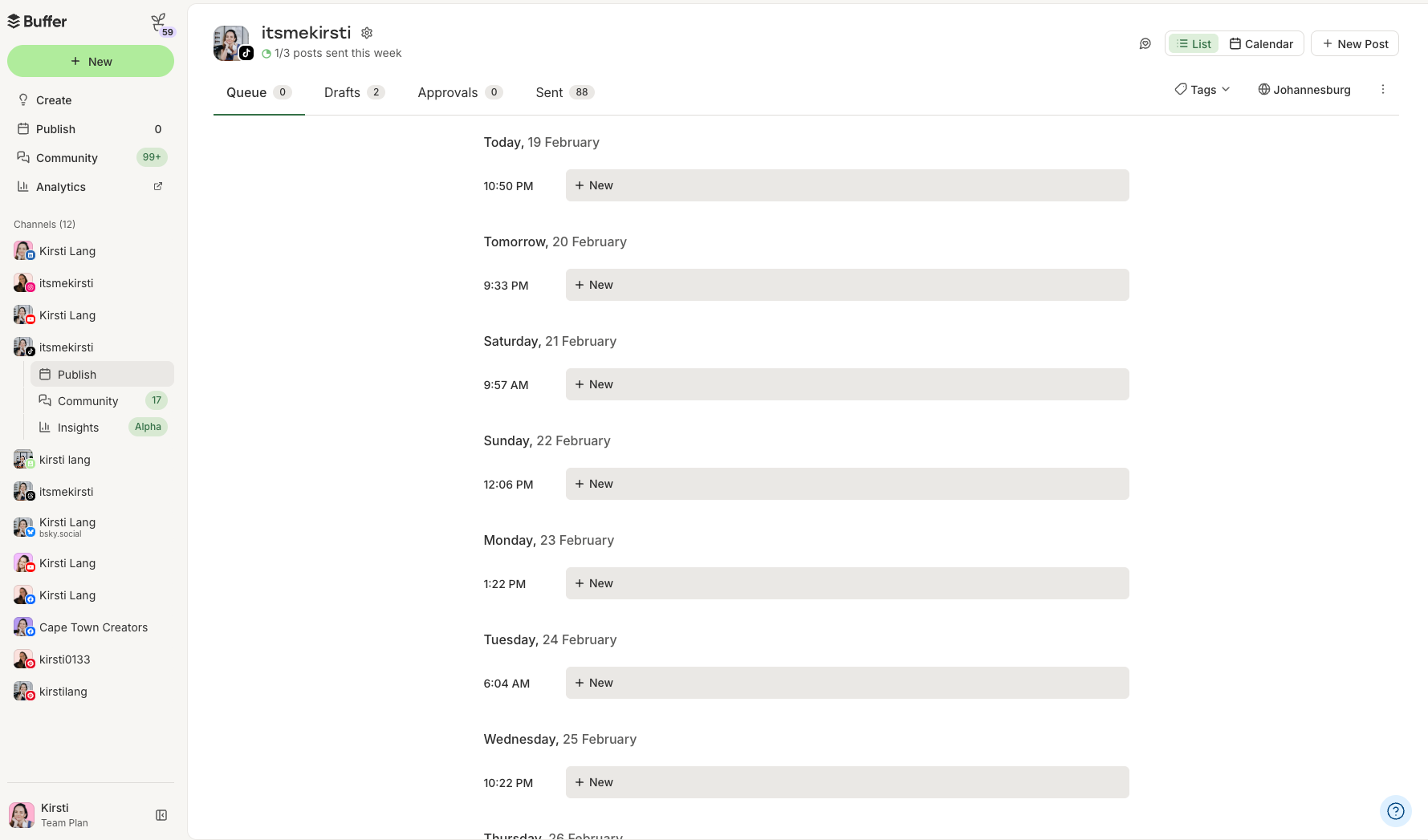
For a more granular approach, the study provided specific optimal times for each day of the week, ordered by performance:
- Monday: The best time to post on Monday is 1 p.m., followed by 11 a.m. and 8 a.m. Monday stands out as one of the strongest days for TikTok engagement overall, suggesting that users are active and receptive to content as the new week begins, perhaps during lunch breaks or early afternoon downtime.
- Tuesday: Optimal engagement on Tuesday is observed at 6 a.m., with secondary peaks at 10 p.m. and 7 a.m. This early morning slot suggests a segment of the audience engaging with content as they start their day, possibly during commutes or before daily routines fully kick in.
- Wednesday: Wednesdays show the highest engagement at 10 p.m., followed by 6 a.m. and 9 p.m. Generally, Wednesday tends to be a quieter day for overall engagement on TikTok, making these specific late-night and early-morning slots even more critical for visibility.
- Thursday: The prime posting time on Thursday is 1 p.m., with additional strong periods at 10 p.m. and 6 a.m. Similar to Wednesday, Thursday typically sees lower overall engagement, emphasizing the importance of hitting these specific peak windows to cut through the noise.
- Friday: On Friday, the best time to post is 6 p.m., followed by 10 p.m. and 8 p.m. This late afternoon to evening window aligns with the start of the weekend, as users wind down from the work week and transition into leisure activities.
- Saturday: Saturday emerged as the strongest day for TikTok engagement. The best time to post is 5 p.m., with significant engagement also observed at 4 p.m. and 3 p.m. This robust afternoon-to-evening performance reinforces the idea of a highly active weekend audience, providing an excellent opportunity for content creators to maximize reach.
- Sunday: The single best time to post across the entire week is Sunday at 9 a.m. Other strong times include 1 p.m. and 12 p.m. This early to mid-morning activity on Sunday highlights a relaxed audience, potentially engaging with content over breakfast or during a leisurely start to their day.
When considering the best day of the week, Saturday takes the lead as the overall top performer, with Monday securing second place, closely followed by Sunday. Wednesday and Thursday were identified as the days with the lowest overall engagement, suggesting creators might prioritize their content on other days or focus on the specific peak times identified for those slower days.
Strategic Implications for Content Creators and Businesses
These findings offer a critical advantage for digital marketers, content creators, and small business owners. By aligning their posting schedules with these scientifically identified peak times, they can significantly increase the probability of their content landing on more For You Pages and achieving higher initial engagement. This is not merely about accumulating views; it’s about leveraging the algorithm to foster audience growth, drive brand awareness, and potentially convert viewers into followers or customers.
However, the study also underscores a crucial caveat: while timing provides a powerful boost, it cannot compensate for subpar content. The quality, relevance, and originality of a video remain paramount. A well-timed, compelling piece of content is exponentially more effective than a perfectly timed, uninspired one. The goal is to give good content the best possible shot at success.
Beyond the Universal: Personalizing Your Optimal Posting Schedule
While Buffer’s universal data provides an excellent starting point, the most effective strategy involves combining these general insights with personalized audience data. TikTok offers built-in analytics for Pro and Business accounts, allowing creators to delve into their specific follower activity.
Here’s a practical guide for tailoring a personalized posting strategy:
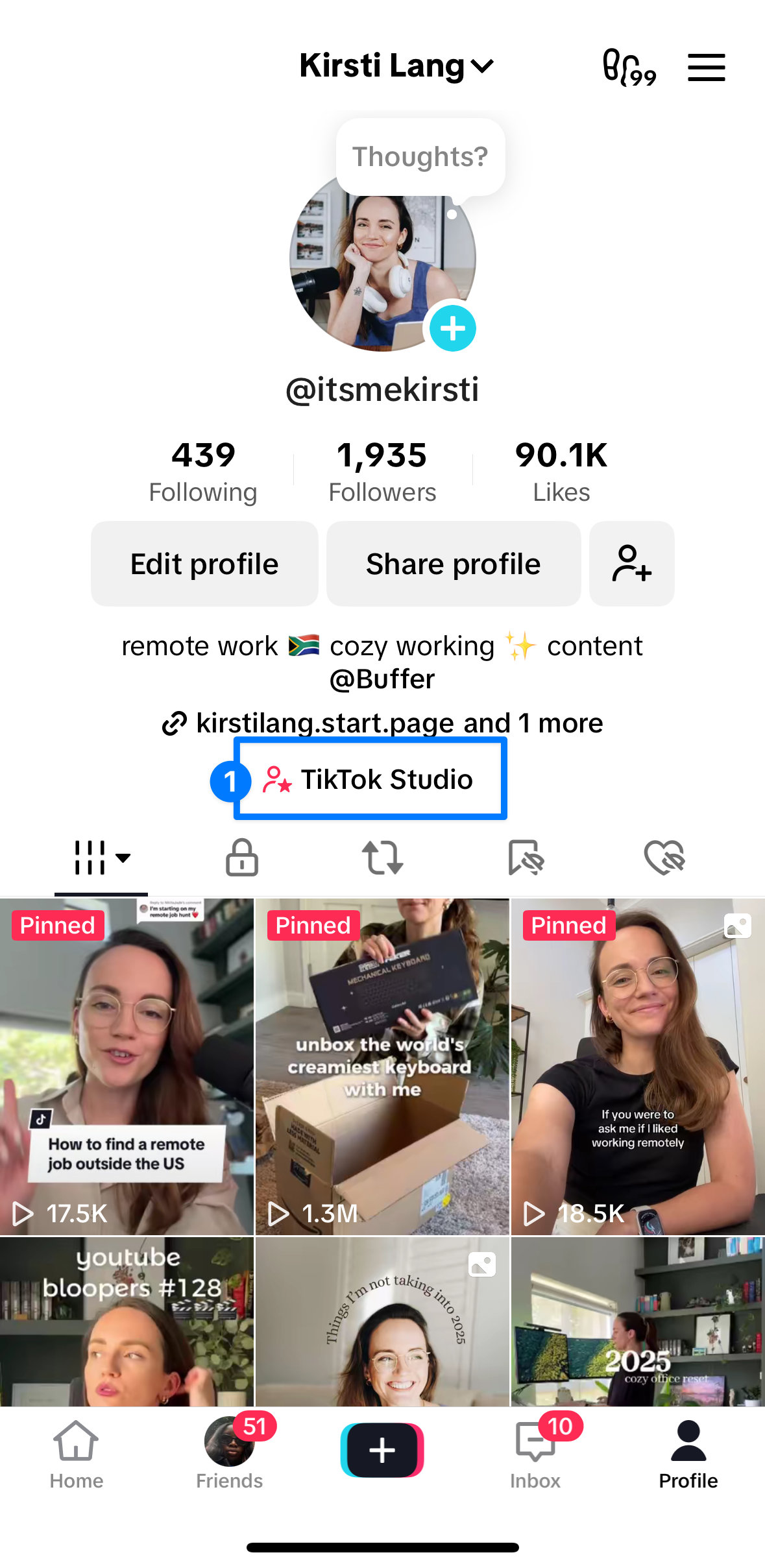
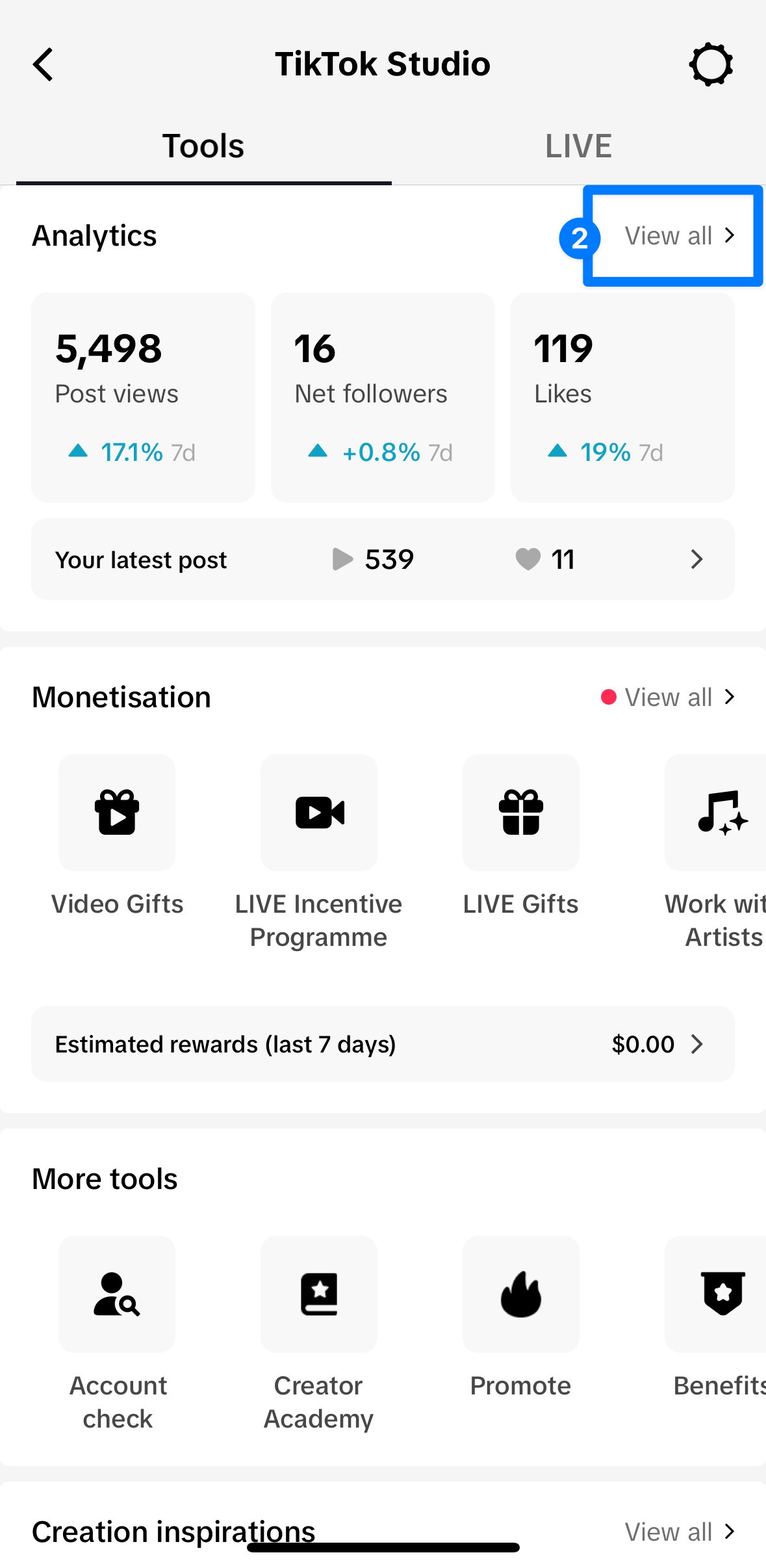
- Access TikTok Analytics: Navigate to your TikTok account, access "Creator tools" or "Business Suite," and then select "Analytics."
- Monitor Follower Activity: Within the analytics section, under the "Followers" tab, you’ll find a retrospective overview of when your specific audience has been most active on the app over the past seven days. This shows hourly activity for each day.
- Identify Niche Peaks: Carefully observe patterns in your audience’s active times. Are there consistent spikes on weekdays or weekends? Does a particular day or hour consistently show higher activity? This data is invaluable because it reflects your audience, whose behavior might subtly differ from the general TikTok user base.
- Strategic Scheduling and Experimentation: Based on both the universal data and your personalized analytics, identify a few prime posting slots. It’s often beneficial to post slightly before your audience’s peak activity, giving the algorithm time to process and test your content as the audience begins to swell. Implement these times into your content calendar and commit to them for several weeks to gather sufficient performance data.
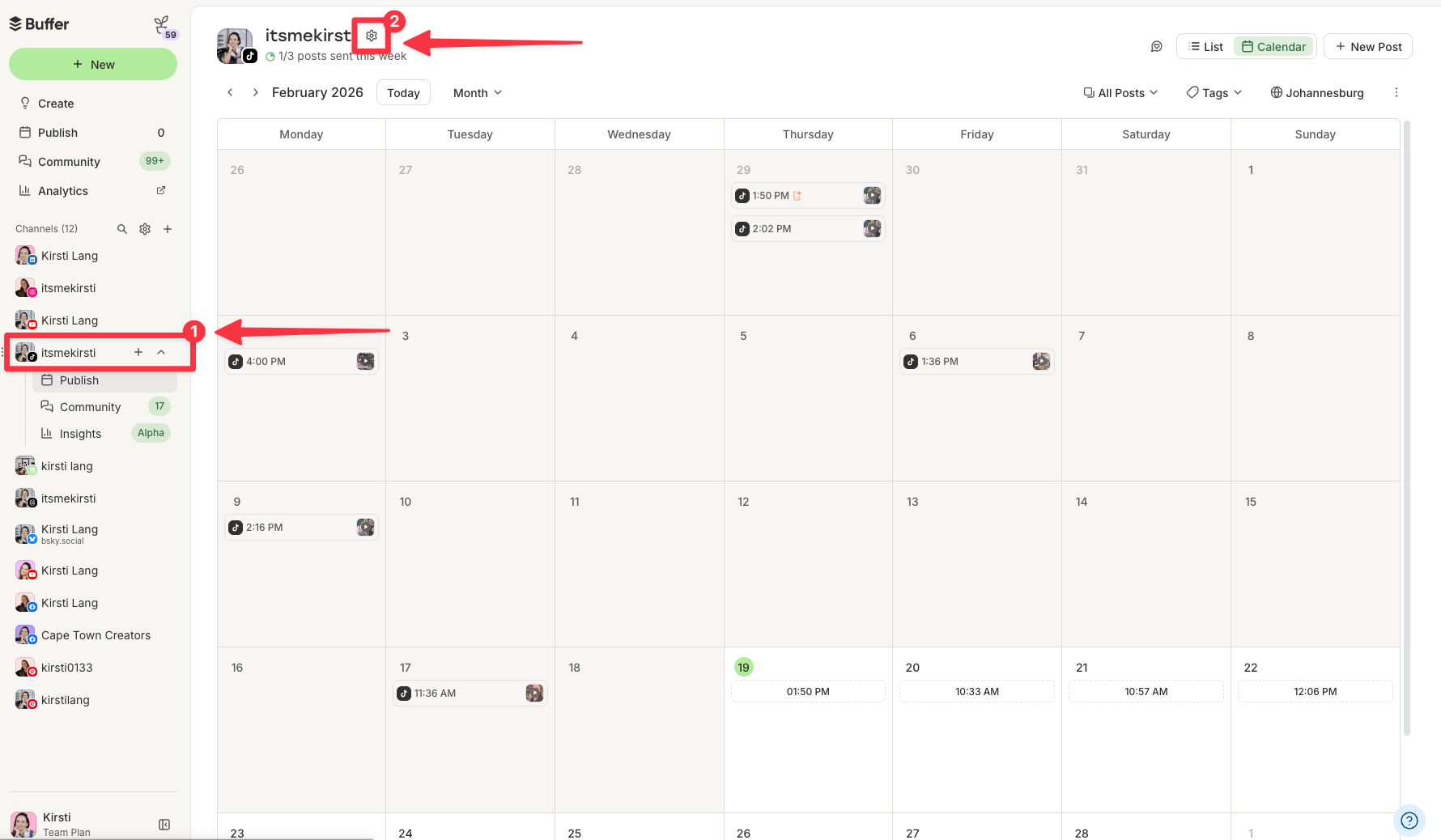
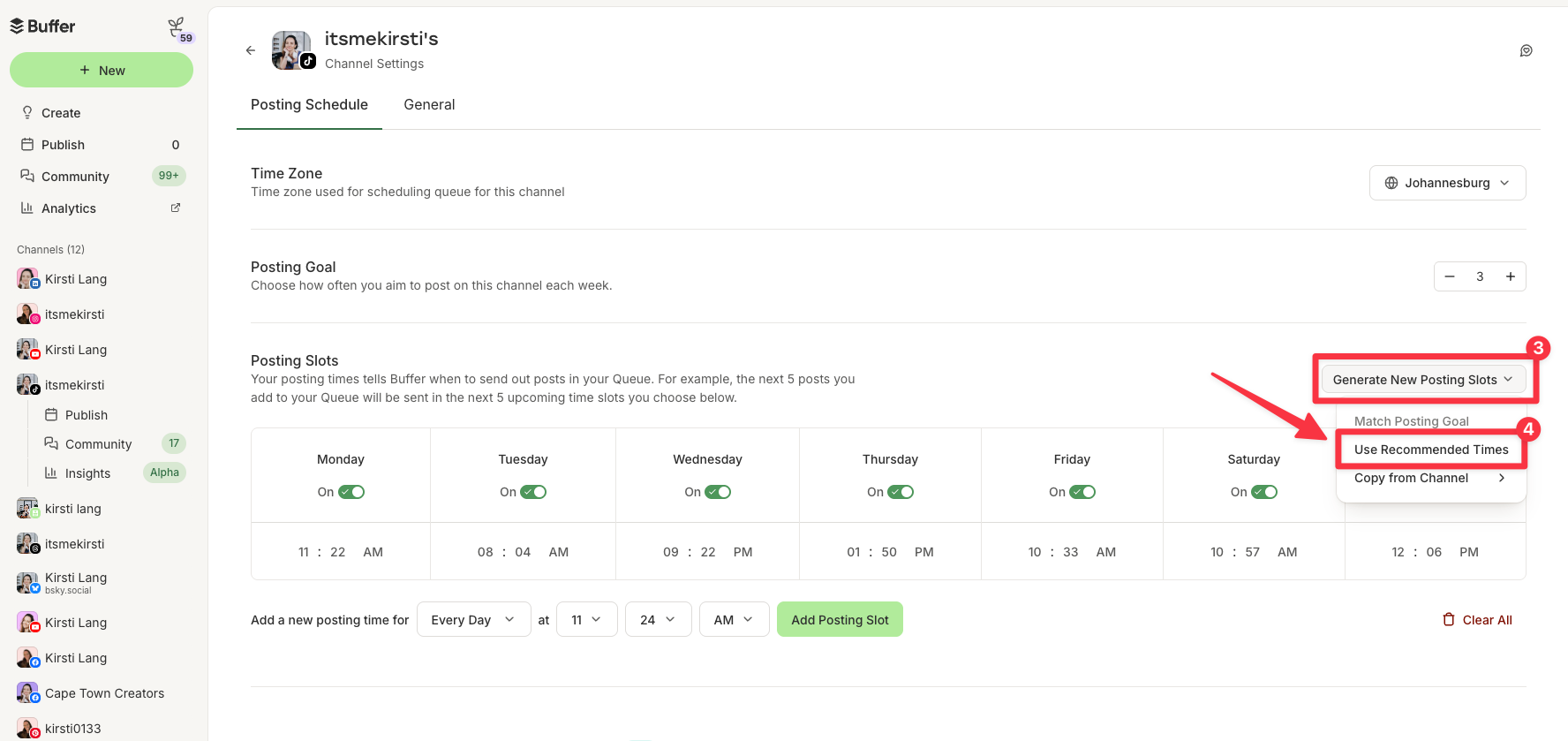
- Leverage Scheduling Tools: For creators managing multiple platforms or operating in different time zones from their target audience, social media management tools like Buffer become indispensable. Buffer not only offers its recommended posting times directly within its platform but also allows for precise scheduling. For content requiring native TikTok features like trending audio, Buffer’s notification-based posting feature ensures creators are prompted at the exact optimal moment, opening the video in TikTok for final touches and immediate publishing.
- Continuous Analysis and Adaptation: Social media is a dynamic landscape. Trends shift, algorithms evolve, and audience behaviors change. Therefore, regular analysis of your content’s performance is crucial. Track metrics like views, average watch time, total play time, and follower growth. If certain times are consistently underperforming, don’t hesitate to adjust your schedule and continue experimenting.
The Importance of Consistency and Creator Well-being
Amidst the pursuit of optimal timing, the study subtly emphasizes the importance of consistency over mere frequency. Posting regularly, even if not daily, builds audience expectation and reinforces your brand presence. However, this must be balanced with creator well-being. The demands of content creation can lead to burnout. Establishing a sustainable posting schedule, utilizing social media calendars, and batch-creating content are vital strategies to maintain consistency without sacrificing mental or physical health. Quality content, sustainably produced, will always outperform erratic, rushed efforts.
Broader Market Implications and the Future of Social Media Strategy
Buffer’s 2026 TikTok study provides more than just tactical advice; it offers a glimpse into the evolving dynamics of social media engagement. The distinct patterns observed on TikTok, particularly its robust weekend performance driven by a younger demographic, highlight the need for platform-specific strategies. Marketers can no longer apply a one-size-fits-all approach across all social channels. Instead, understanding the unique algorithmic mechanics and user behaviors of each platform is paramount. This data will likely influence how brands allocate advertising budgets, plan influencer collaborations, and tailor content narratives for maximum impact in the highly competitive digital space. As TikTok continues to mature and attract diverse user bases, ongoing research and adaptive strategies will be essential for maintaining a competitive edge.
In conclusion, while the allure of a viral hit often feels unpredictable, Buffer’s extensive analysis provides a clear, data-driven roadmap for optimizing TikTok content visibility. By combining these universal best practices with personalized audience insights and a commitment to consistent, high-quality content, creators and businesses are well-equipped to navigate the complex world of the TikTok algorithm and significantly enhance their chances of reaching global For You Pages.