Hanik Kholidah
The landscape of modern nutrition is undergoing a significant transformation as the boundary between functional supplements and gourmet culinary experiences continues to blur. At the forefront of this movement is the emergence of "dessert-for-breakfast" profiles that prioritize nutrient density without compromising on the sensory satisfaction traditionally associated with high-sugar confections. A prominent example of this trend is the rise of the chocolate collagen shake, a beverage designed to provide the structural benefits of collagen peptides while mimicking the flavor profile of a classic milkshake or frozen dairy treat.
By integrating high-quality protein sources with bioactive compounds such as organic cocoa and low-glycemic sweeteners like monk fruit, health-conscious consumers are finding ways to satisfy cravings while supporting physiological goals. This shift reflects a broader consumer demand for "nutricosmetics"—products that provide beauty benefits from the inside out—and functional foods that fit seamlessly into a busy, modern lifestyle.
The Evolution of Functional Smoothies and Collagen Supplementation
The journey of the functional smoothie began in the late 20th century as a niche health food store staple, primarily focused on fruit purees and basic protein powders. However, the last decade has seen a sophisticated evolution in formulation. The inclusion of collagen, specifically, has revolutionized the industry. Once relegated to topical creams or clinical medical settings for wound healing, collagen has become a cornerstone of the wellness industry.
Collagen is the most abundant protein in the human body, serving as a primary building block for skin, hair, nails, bones, and connective tissues. As natural collagen production begins to decline in the mid-20s, supplemental collagen peptides—which are hydrolyzed for better absorption—have gained popularity. The market for these supplements has expanded from flavorless powders to complex, flavored blends that serve as the foundation for nutrient-dense recipes.
The "Chocolate Nutty Smoothie," a recipe popularized by wellness experts with backgrounds in professional smoothie formulation, represents the pinnacle of this evolution. It moves away from the "diet culture" mentality of deprivation, instead focusing on the satiety provided by healthy fats and the structural support provided by 26 grams of protein.
Nutritional Profile and Ingredient Efficacy
A detailed analysis of the Chocolate Nutty Smoothie reveals a strategic balance of macronutrients and micronutrients. With an estimated 494 calories, the shake provides a substantial meal replacement that aligns with modern metabolic health standards.
The Role of Collagen Peptides and Gut Health
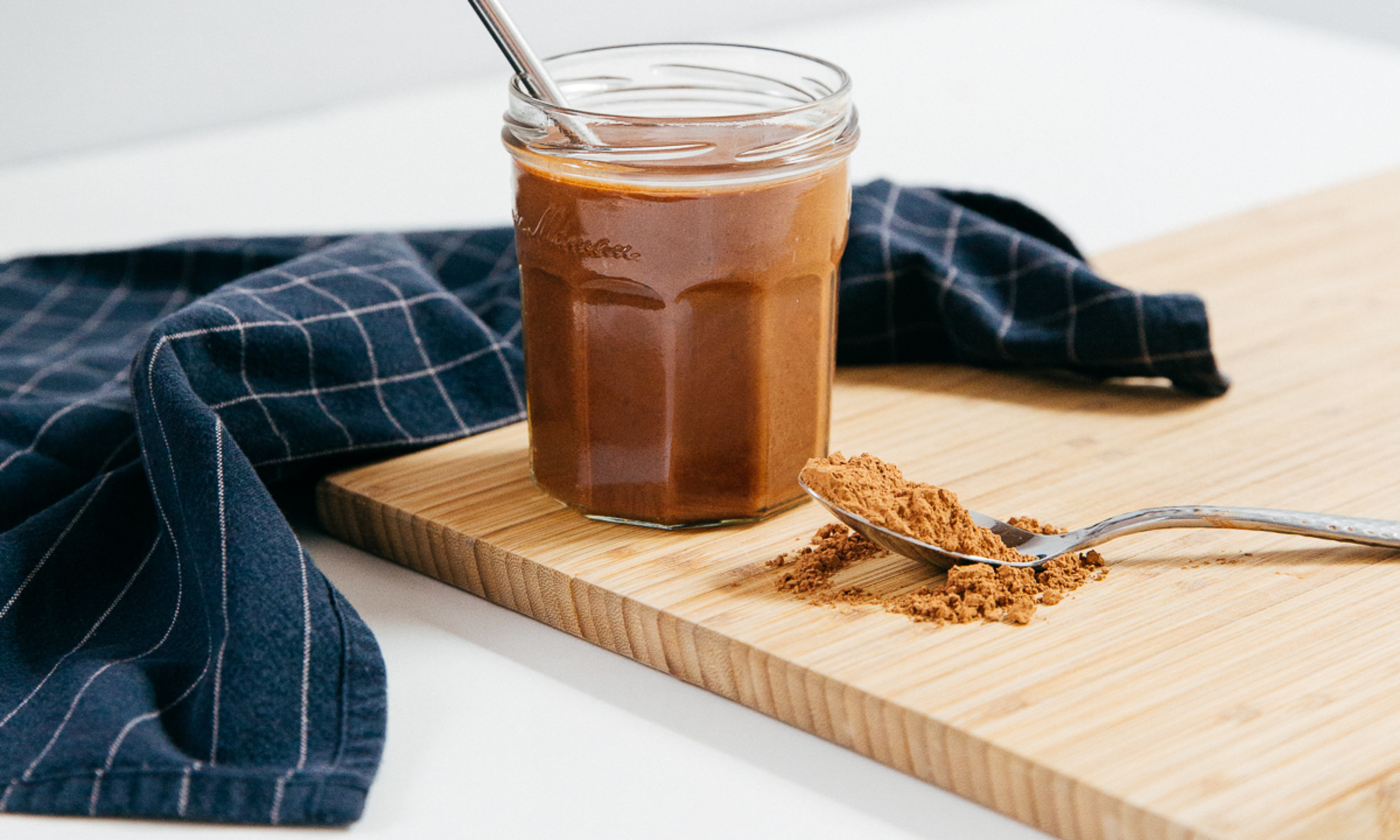
The core of this recipe is the chocolate beauty and gut collagen blend. Hydrolyzed collagen peptides are rich in specific amino acids—glycine, proline, and hydroxyproline—which are often lacking in the standard Western diet. These amino acids are essential for maintaining the integrity of the gut lining, which is a critical component of immune function and systemic inflammation management. Furthermore, the "gut" component often includes supportive ingredients like probiotics or glutamine, which assist in maintaining a healthy microbiome.
Organic Cocoa and Cognitive Function
The use of organic cocoa provides more than just a rich flavor. Cocoa is a potent source of flavanols, a type of polyphenol that has been linked in numerous clinical studies to improved vascular function and cognitive performance. By enhancing blood flow to the brain and reducing oxidative stress, the inclusion of cocoa transforms a simple breakfast shake into a brain-boosting tonic.
Monk Fruit: A Low-Glycemic Sweetener
To achieve the "dessert" quality without the insulin spike associated with refined sugars, the recipe utilizes 100% organic monk fruit extract. Unlike artificial sweeteners such as aspartame or sucralose, monk fruit is a natural sweetener derived from a small melon native to Southeast Asia. Its sweetness comes from mogrosides, which are antioxidants that do not affect blood glucose levels, making the shake suitable for those monitoring their glycemic response or managing insulin sensitivity.
Healthy Fats and Satiety
The "nutty" element of the smoothie, typically derived from almond or peanut butter, introduces 21 grams of fat. These are primarily monounsaturated and polyunsaturated fats, which are essential for the absorption of fat-soluble vitamins and the production of hormones. The combination of high protein and healthy fats ensures a slow release of energy, preventing the mid-morning "crash" often experienced after consuming high-carbohydrate breakfasts like cereal or bagels.
The Science of Flavor: The "Frosty" Comparison
One of the most notable aspects of this specific collagen formulation is its texture. Consumer feedback frequently compares the blended result to a "Wendy’s Frosty," a high-sugar fast-food staple. Achieving this texture in a health-focused beverage requires specific emulsification properties.
When collagen peptides are blended at high speeds with frozen elements—such as a frozen banana or ice—they undergo a process of aeration. This creates a thick, frothy consistency that mimics dairy-based fats. This psychological component of "craveability" is vital for long-term dietary adherence. By providing a sensory experience that rivals traditional desserts, the recipe helps individuals replace high-sugar habits with nutrient-dense alternatives without the feeling of restriction.
Chronology of the Recipe’s Rise to Popularity
The development of the Chocolate Nutty Smoothie can be traced through the following timeline:

- The Rise of Collagen (2015-2018): Collagen moves from the fringes of the supplement world into the mainstream, with unflavored powders becoming a staple in "bulletproof" coffees and morning smoothies.
- Flavor Innovation (2019-2021): Brands begin to recognize the demand for better-tasting supplements. The development of chocolate-flavored collagen using natural sweeteners like monk fruit begins to dominate the market.
- The Professional Influence (2022-2023): Former smoothie shop professionals and beauty editors, such as Hannah Frye and Jamie Schneider, begin sharing "pro-tips" for achieving the perfect smoothie consistency, emphasizing the importance of blending techniques and ingredient ratios.
- The "Internal Beauty" Boom (2024-Present): The connection between gut health and skin clarity (the gut-skin axis) becomes common knowledge among wellness enthusiasts, leading to a surge in recipes that specifically target both areas simultaneously.
Step-by-Step Preparation Method
To achieve the optimal consistency and nutritional density, the following method is recommended for the Chocolate Nutty Smoothie:
- Liquid Base: Start with a base of unsweetened nut milk (almond, cashew, or hazelnut) to provide a creamy texture without added sugars.
- The Foundation: Add one to two scoops of high-quality chocolate collagen powder. Ensure the powder contains organic cocoa and no synthetic fillers.
- Texture and Sweetness: Incorporate a frozen banana. Freezing the banana is the "secret" to the thick, soft-serve-like consistency. For those on lower-carbohydrate diets, frozen cauliflower or steamed-then-frozen zucchini can be substituted to maintain texture without the sugar.
- Healthy Fats: Add a generous tablespoon of natural peanut or almond butter.
- Enhanced Blending: Blend on high for at least 60 seconds. This ensures the collagen is fully integrated and the mixture is sufficiently aerated to create the "frosty" effect.
Broader Implications for the Wellness Industry
The success of recipes like the Chocolate Collagen Shake signals a shift in how the public perceives "health food." We are moving away from the era of "low-fat, low-calorie" and into an era of "high-function, high-flavor."
The Economic Impact
The global collagen market is projected to reach over $19 billion by 2030, driven largely by the food and beverage sector. As more consumers look to replace traditional snacks with functional alternatives, we can expect to see an increase in collagen-infused ready-to-drink (RTD) beverages and grab-and-go meal replacements.
The Psychological Shift
By reframing a healthy meal as a "dessert," wellness brands are leveraging positive reinforcement. This approach reduces the cognitive load required to maintain a healthy diet. When a meal is genuinely enjoyable, it ceases to be a chore and becomes a highlight of the day, which is a key factor in sustainable lifestyle changes.
Medical and Professional Advice
While the benefits of collagen and cocoa are well-documented, health professionals urge a balanced approach. It is essential for individuals who are pregnant, breastfeeding, or managing chronic conditions to consult with a healthcare provider before introducing high-dose supplements into their routine. Furthermore, while these shakes are nutrient-dense, they should be part of a diverse diet that includes whole fibers and varied protein sources.
In conclusion, the Chocolate Nutty Smoothie is more than just a viral recipe; it is a manifestation of modern nutritional science and culinary creativity. By prioritizing high-quality ingredients like organic cocoa, monk fruit, and collagen peptides, it offers a blueprint for how the future of breakfast might look: functional, delicious, and deeply satisfying.