Indra Kusuma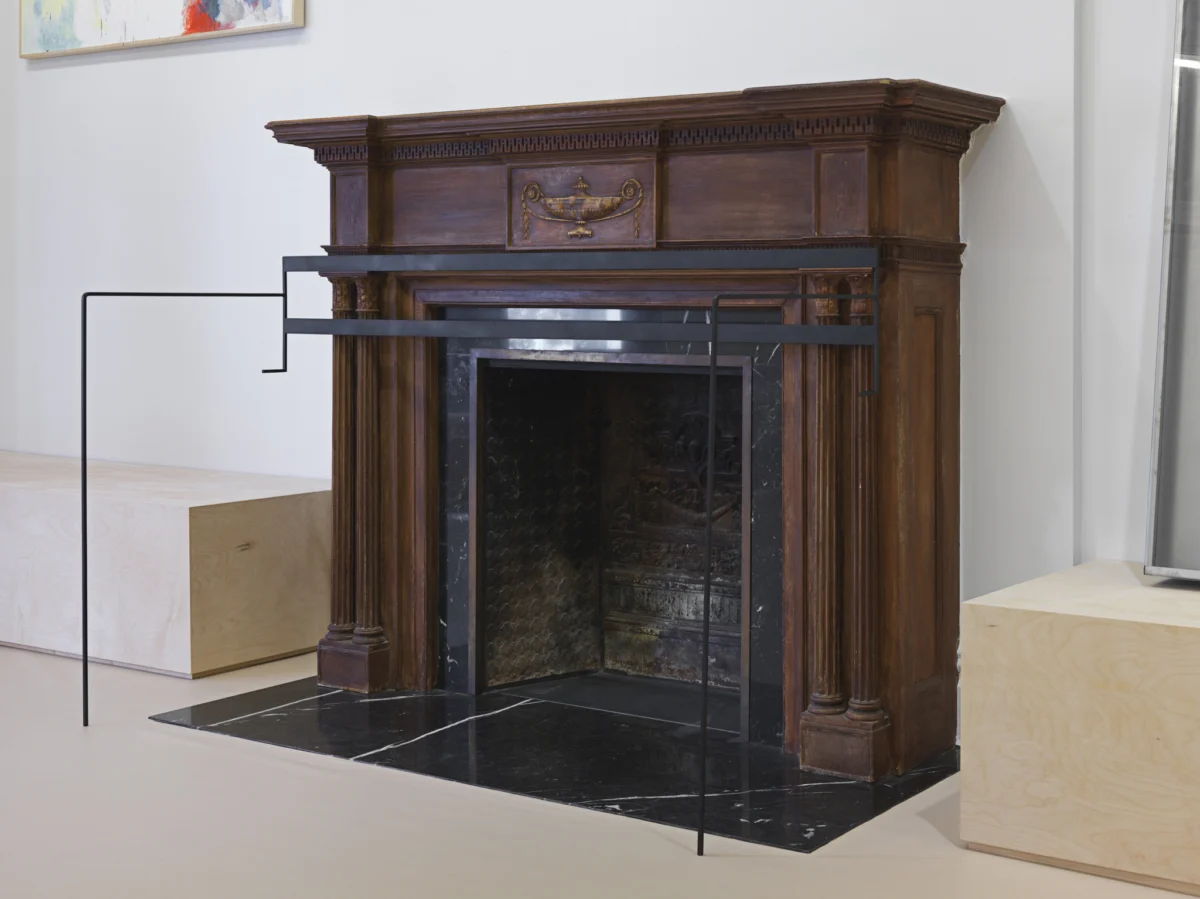
After an absence of a decade from the New York City art scene, Berlin-based Georgian artist Thea Djordjadze has returned with a transformative solo exhibition titled A well of night. Hosted at the prestigious Sprüth Magers gallery, the installation serves as a profound meditation on the relationship between physical space, architectural history, and the evolving nature of the sculptural form. The exhibition, which remains on view through October 24, 2026, marks a significant milestone in the artist’s career, underscoring her reputation as a master of site-specific intervention.
Architectural Dialogue and Spatial Intervention
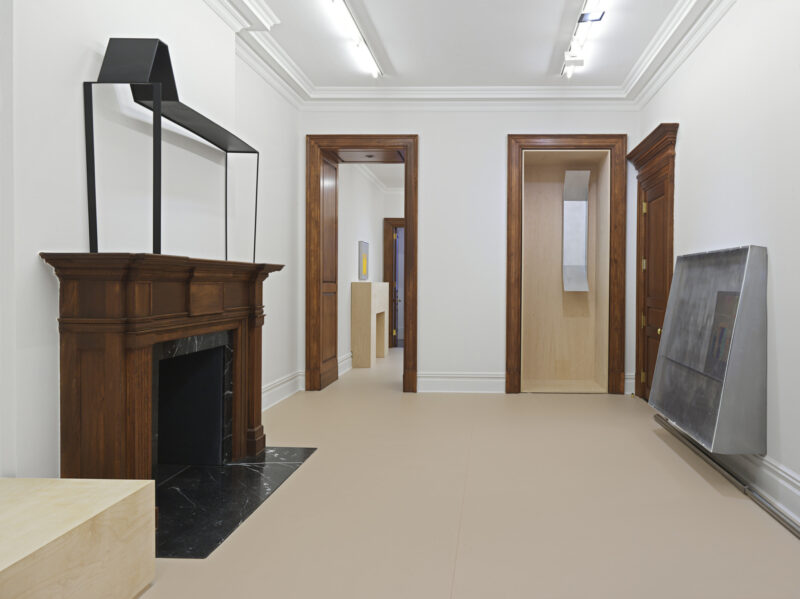
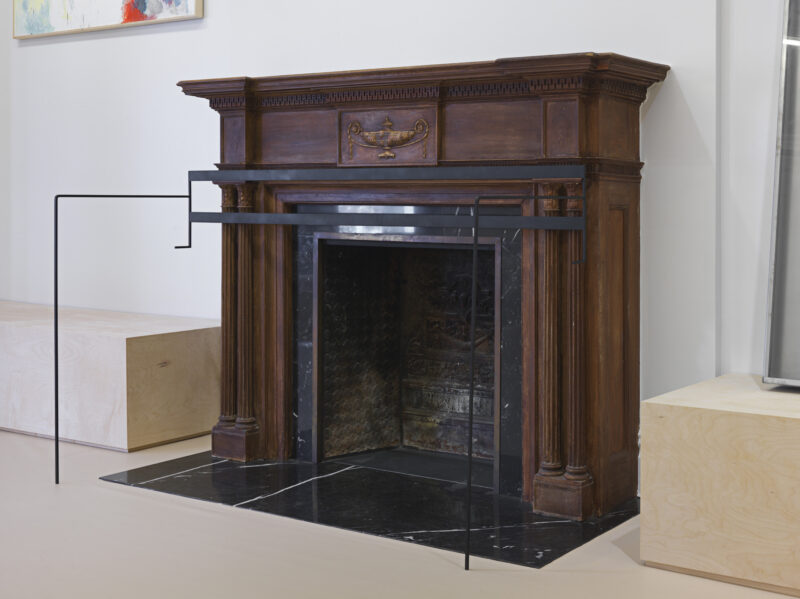
Djordjadze’s practice is defined by a rigorous engagement with the environment. Rather than treating a gallery as a neutral "white cube," she approaches each venue as a collaborative partner. For her residency at the Sprüth Magers New York location, she has meticulously studied the building’s neo-Renaissance architecture. By integrating her works into the existing structural bones of the space, she creates a dialogue that bridges the gap between 19th-century aesthetic sensibilities and contemporary abstraction.
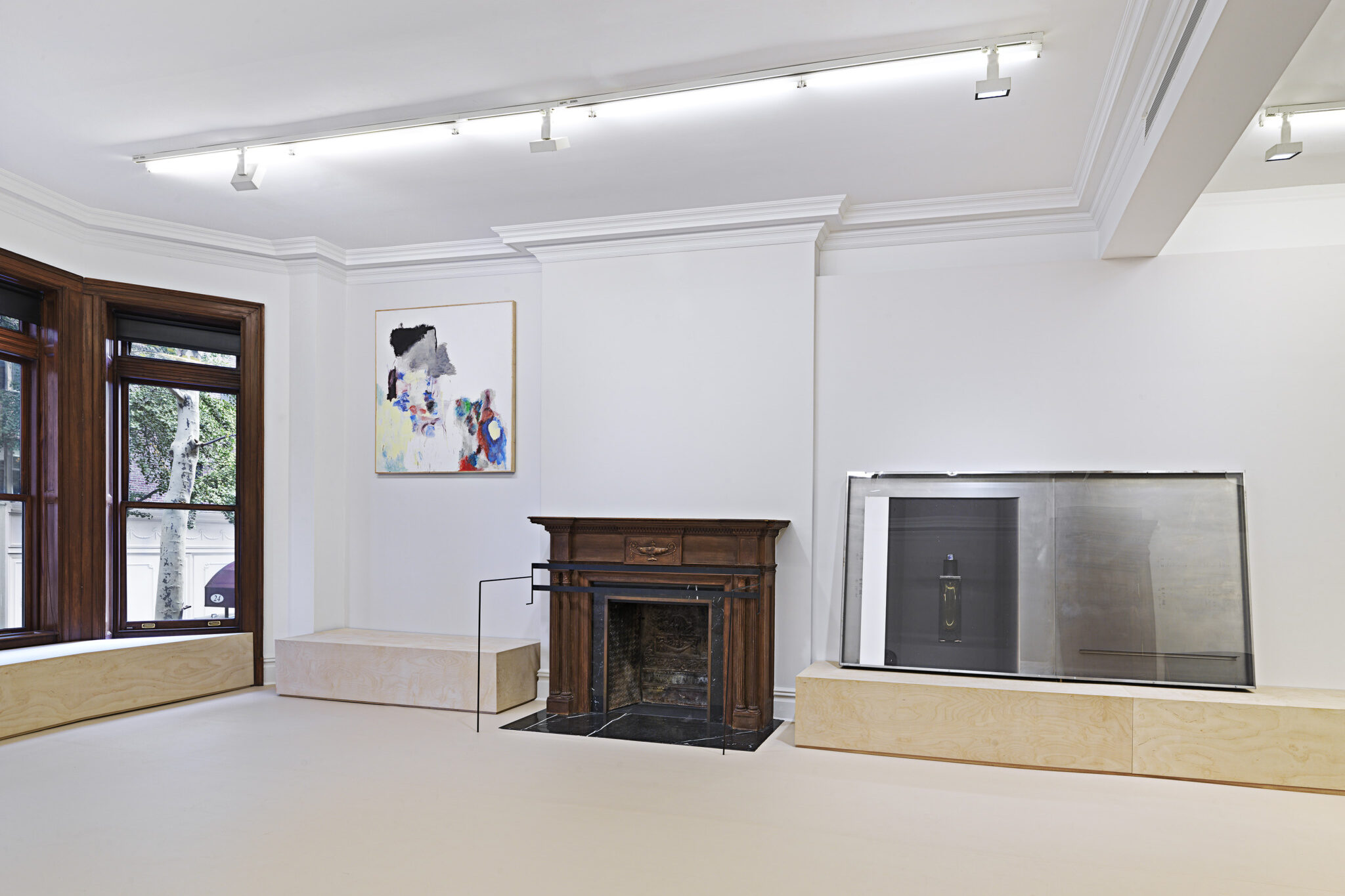
This approach is not merely decorative but foundational to her creative process. In a 2024 interview with Elephant, Djordjadze articulated her philosophy regarding this symbiosis: "For me, the building and the design and the architecture are very important. The sculpture is making decisions; it’s telling me where to go, how to be positioned. It’s not only me. It’s the interaction between me and the sculpture and the building." This sentiment is physically manifested throughout the gallery, where the installation feels as though it has emerged from the architecture itself rather than having been placed within it.
Chronology of a Decade-Long Return
The timing of this exhibition is significant, as it follows a ten-year hiatus from New York solo exhibitions for the artist. During this interval, Djordjadze has maintained a prolific international schedule, participating in major biennials and museum exhibitions across Europe and Asia. Her work has evolved significantly, shifting from smaller-scale interior experiments to expansive, multi-material installations that demand total environmental awareness.
The development of A well of night began in late 2025, with the artist conducting multiple site visits to the Sprüth Magers New York headquarters. The curatorial process involved a series of "listening" phases—a methodology Djordjadze describes as "listening to the void"—where she assessed the natural light, the flow of the rooms, and the acoustic properties of the gallery before introducing a single piece. The installation was finalized in the weeks leading up to the October opening, featuring a combination of archival works, reconfigured sculptures from her previous series, and entirely new commissions.
The Synthesis of Mediums
The exhibition is characterized by a high level of material diversity. Djordjadze utilizes industrial materials such as steel, aluminum, and vinyl, and contrasts them against delicate, hand-wrought elements like plaster and raw pigments. This tension between the cold, rigid industrial frame and the organic, porous nature of the plaster reliefs creates a 3D abstraction that blurs the traditional categorization of "painting" versus "sculpture."
Central to this display are the new sculptural paintings. These works are constructed on a base of creamy, textured plaster, with pigments layered manually to achieve a depth that suggests both geological strata and historical memory. By applying these traditional techniques to modern, geometric armatures, Djordjadze forces a confrontation between the permanent and the ephemeral.
Historical References and Cultural Roots
A recurring motif in Djordjadze’s work is the integration of historical display methods, specifically those rooted in her Georgian heritage. In this exhibition, the inclusion of steel vitrines—reminiscent of the mid-century display cases designed by Georgian anthropologist Alexander Javakhishvili and painter Avtandil Varazi—serves as a bridge to her own cultural background.
These cases, first introduced into her lexicon in 2017, act as framing devices. By placing prints or artifacts behind plexiglass within these steel structures, she invites the viewer to see the gallery space reflected in the artwork itself. This layering of perspective is deliberate; it forces the audience to consider the exhibition not as a collection of objects, but as a singular, reflective environment where the viewer is perpetually part of the composition.
To emphasize this theme of perception, Djordjadze made a radical decision to cover the gallery’s original dark hardwood floors with light-colored vinyl. This adjustment acts as a literal and metaphorical foundation, brightening the space and altering the way light hits the sculptures. The title of the show, A well of night, appears to be an ironic counterpoint to this light-filled environment, suggesting that the "night" is not found in the absence of light, but in the depth of the materials and the history embedded within the walls.
Supporting Data and Institutional Context
The significance of this exhibition is amplified by the status of Sprüth Magers, which has long been a pillar of the international art market. With locations in Berlin, London, Los Angeles, and New York, the gallery represents a roster of artists who prioritize institutional critique and long-term research. The decision to bring Djordjadze back to New York for this specific exhibition suggests a strategic alignment between her practice and the gallery’s focus on historically-informed contemporary art.
Industry data indicates that interest in site-specific, immersive installation art has grown significantly among New York’s institutional collectors over the last five years. While the market often favors high-turnover pieces, exhibitions like A well of night represent a shift toward "experiential acquisition," where collectors and institutions seek to support works that require a deep, contemplative engagement with the physical site.
Broader Impact and Theoretical Implications
The implications of Djordjadze’s work extend beyond the walls of the gallery. Her refusal to define her works as "finished" is a radical stance in an art market that demands finality and objectification. By treating her pieces as fluid, living entities that change in relation to their location, she challenges the commodification of art. When a sculpture is reconfigured for a new space, it effectively becomes a new iteration of its former self, defying the traditional permanence expected of a sold work of art.
Furthermore, her use of Georgian historical references provides a vital narrative regarding the global nature of contemporary art. She does not treat her heritage as a static set of tropes, but as an active, intellectual toolset that can be used to navigate and recontextualize Western architectural spaces. This approach resonates with a growing trend in global contemporary art, where artists from non-Western traditions are increasingly using their specific cultural histories to interrogate the universal language of modernism.

Conclusion: A Legacy of Evolution
As visitors navigate the rooms of Sprüth Magers, they are prompted to reconsider the nature of the "void" and the "building." Thea Djordjadze’s A well of night is not merely an exhibition; it is an investigation into the memory of space. By blending the rigidity of steel with the fragility of plaster and the light-bending properties of vinyl, she creates a fragile balance that is both ephemeral and imposing.
For the duration of the exhibition, the gallery acts as a vessel for this dialogue. Through October 24, 2026, those in New York have the opportunity to engage with an artist who is actively redefining the relationship between the sculpture and the ground upon which it stands. Whether through her meticulous use of light, her historical references to Georgian anthropology, or her commitment to the "unfinished" work, Djordjadze proves that art is not something we look at—it is something we inhabit.
The exhibition remains a critical touchstone for those interested in the future of installation art and the enduring power of site-responsive practice. As the artist continues her work, the lessons learned from the installation of A well of night will likely influence her future projects, reinforcing the idea that for Djordjadze, the process of creation is an unending, lifelong negotiation with the world around her.