Reynand Holland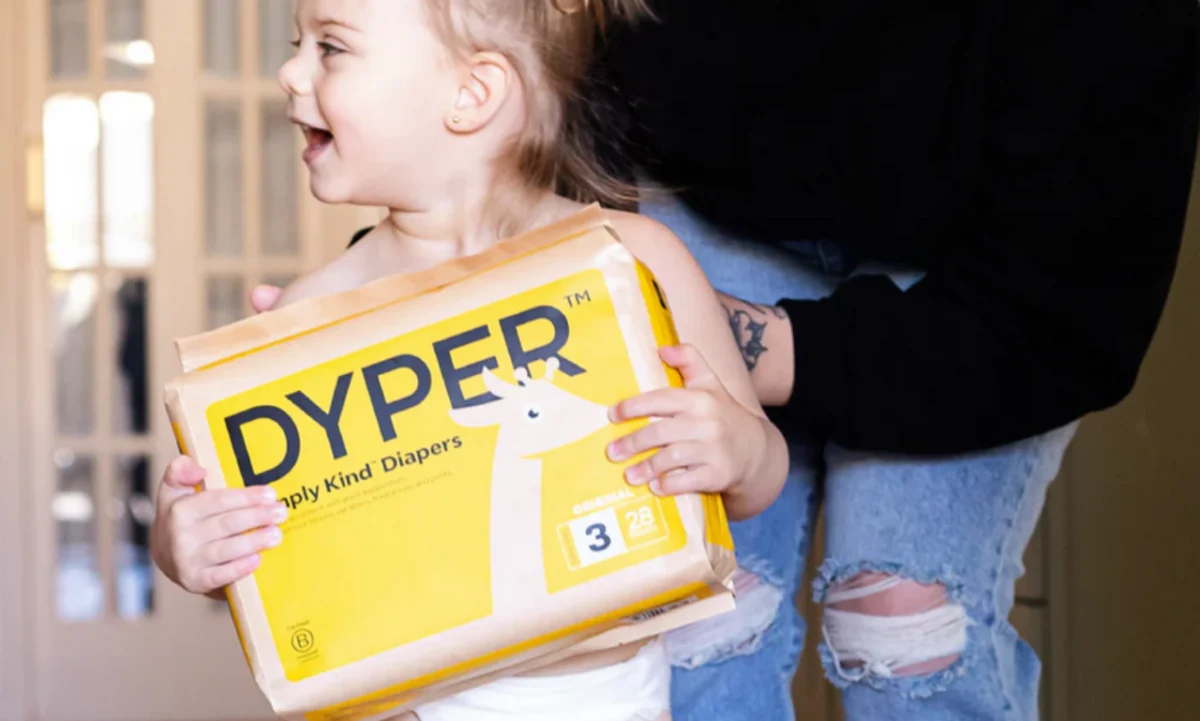
The journey of parenthood, while immensely rewarding, is often accompanied by an often-overlooked reality: the significant waste generated by infants. On average, a single baby will utilize approximately 6,000 diapers within their first two years of life. For many parents navigating the demands of modern life, the readily available alternative of reusable cloth diapers can present logistical challenges, leading a substantial majority to opt for traditional single-use disposable diapers. However, the convenience of disposables comes at a considerable environmental and, increasingly, a health-related cost. Beyond the sheer volume of waste, traditional disposable diapers have come under scrutiny for their composition, raising concerns about potential health impacts on infants.
The materials and chemicals embedded within conventional disposable diapers are a subject of growing concern. From the plastics that form their outer layers to the fragrances often added for perceived freshness, these components are not inert. Studies have indicated potential links between certain chemicals found in diapers and adverse health outcomes, including endocrine and reproductive disorders, acute skin rashes, and even, in later life, a statistically higher risk of testicular cancer. This is not an entirely surprising revelation, considering the minimal regulatory oversight in this sector. The Consumer Product Safety Commission, for instance, mandates testing for lead in diapers but does not require comprehensive evaluation for a wide array of other potentially harmful substances, including known carcinogens and endocrine-disrupting chemicals. This regulatory gap leaves parents with limited assurances regarding the safety of the products in direct contact with their child’s most sensitive skin for extended periods.
The daily ritual of disposing of these diapers contributes to overflowing household trash bins, a visible testament to the scale of the problem. It was precisely this recurring sight of overstuffed bins, laden with plastic diapers, that served as a powerful catalyst for Tony Patron, founder of REDYPER™ and co-founder of Dyper. Witnessing the sheer volume of waste generated by his own child, coupled with his background as an engineer, ignited a drive to seek and implement a more sustainable and healthier solution for diapering.
This personal revelation marked the genesis of Dyper, a company now at the forefront of innovating diaper solutions that prioritize both high performance and environmental responsibility. Dyper’s mission is to challenge the status quo of the landfill-bound diaper industry by offering a viable alternative that does not compromise on functionality or infant well-being.
The Genesis of a Sustainable Solution: A Chronology of Innovation
The inception of Dyper can be traced back to a moment of stark realization for its founders. Tony Patron, a new father and an engineer by profession, found himself increasingly disturbed by the amount of plastic waste accumulating from his infant’s diaper usage. This personal inconvenience quickly evolved into a broader concern about the environmental implications of conventional diapering practices.
Initially, Patron explored potential collaborations with existing companies that were developing compostable diaper technologies. These early discussions and explorations led to a significant development: a merger that ultimately formed Dyper. This strategic union aimed to consolidate expertise and resources to create a new entity singularly focused on producing non-toxic, biodegradable diapers. The overarching goal was to significantly reduce both household and broader environmental waste generated by diaper consumption.
Dyper’s product development philosophy is rooted in a meticulous approach to material selection and design. The company’s product team dedicates considerable effort to ensuring that the vast majority of the diaper’s components are biodegradable. While acknowledging that certain technological elements, such as fasteners like Velcro, are not yet available in fully biodegradable forms, Dyper strives for the highest possible percentage of sustainable materials. Patron emphasizes, "Our goal is to provide a diaper that performs equally to any other diaper on the market in terms of absorbency, fit, and comfort, and ensuring that we don’t have any skin irritation." This commitment to performance alongside sustainability is a cornerstone of Dyper’s brand identity.

Materials Science and Transparency: The Dyper Difference
At the heart of Dyper’s innovative approach is a deliberate shift away from conventional petroleum-based plastics and harsh chemicals towards plant-based alternatives. The company primarily utilizes materials sourced from sustainably managed forests, including FSC-certified bamboo and eucalyptus fibers grown in the United States. The viscose bamboo used in Dyper products is sourced from suppliers certified by Oeko-Tex, a global standard for textile safety that ensures products are free from harmful substances.
Transparency is another critical pillar of Dyper’s brand. The company goes to great lengths to label each layer of its diapers with its specific components. This detailed disclosure empowers conscious parents to make informed choices about the products their babies use. Dyper’s commitment to bio-based materials is further validated by certifications such as USDA BioPreferred, with its diaper products meeting at least 55% bio-based content, and its accompanying wipes achieving an impressive 95% bio-based content.
Beyond its material composition, Dyper’s products undergo rigorous testing to meet stringent safety and performance standards. The diaper products themselves adhere to Oeko-Tex standards, ensuring they are free from harmful chemicals. Furthermore, Dyper has achieved the DermaTest 5-Star Certification, a recognized seal of approval from an independent dermatological testing institute that guarantees the diapers are safe for sensitive skin and will not cause adverse reactions. This multi-faceted approach to material sourcing, transparency, and third-party validation underscores Dyper’s dedication to providing a superior and safer diapering experience.
Plants Over Plastic: A Philosophy Driving Innovation
Dyper’s guiding principle, "plants over plastic for happy babies," encapsulates its commitment to a healthier and more sustainable future. By consciously choosing plant-based materials and meticulously avoiding harmful chemical additives, Dyper creates diapers that are free from common irritants such as phthalates, latex, and parabens. These natural fibers are inherently gentler on a baby’s delicate skin, minimizing the risk of irritation and discomfort. Moreover, the emphasis on responsibly sourced materials provides parents with the assurance that their choice aligns with ethical and environmental stewardship.
The benefits of Dyper’s "plants over plastic" philosophy extend beyond the immediate comfort of the baby and the reduction of chemical exposure. These diapers are engineered to deliver high performance, effectively preventing leaks and blowouts, which in turn contributes to a reduction in diaper rash and an overall happier baby. This addresses a common parental concern that sustainable options might sacrifice functionality, demonstrating that efficacy and eco-consciousness can indeed go hand-in-hand.
A unique and forward-thinking aspect of Dyper’s offering is its optional REDYPER program. This service, available in select regions, provides a convenient solution for parents who wish to compost their used diapers and wipes. By partnering with specialized regional composting facilities, Dyper facilitates the responsible disposal of its products. These facilities are equipped to break down the compostable materials within a timeframe of 14 to 16 weeks. Any non-compostable elements are then systematically removed and managed appropriately. This circular approach to waste management represents a significant step towards mitigating the environmental impact of single-use diapers. The REDYPER program has already made a substantial impact, diverting over 14 million pounds of waste from landfills to date.
Dyper’s commitment to sustainability is further reflected in its packaging choices. The company actively seeks to minimize its environmental footprint by utilizing sustainable materials wherever feasible throughout its supply chain, reinforcing its holistic approach to eco-friendly product design.
Making it Easy: Convenience Meets Sustainability
Recognizing that parents face numerous demands on their time and energy, Dyper has integrated convenience into its service model. The company offers flexible purchasing options, including convenient subscriptions for regular deliveries or one-time purchases, catering to a wide range of parental preferences. These options are available in a comprehensive array of sizes to accommodate babies as they grow.
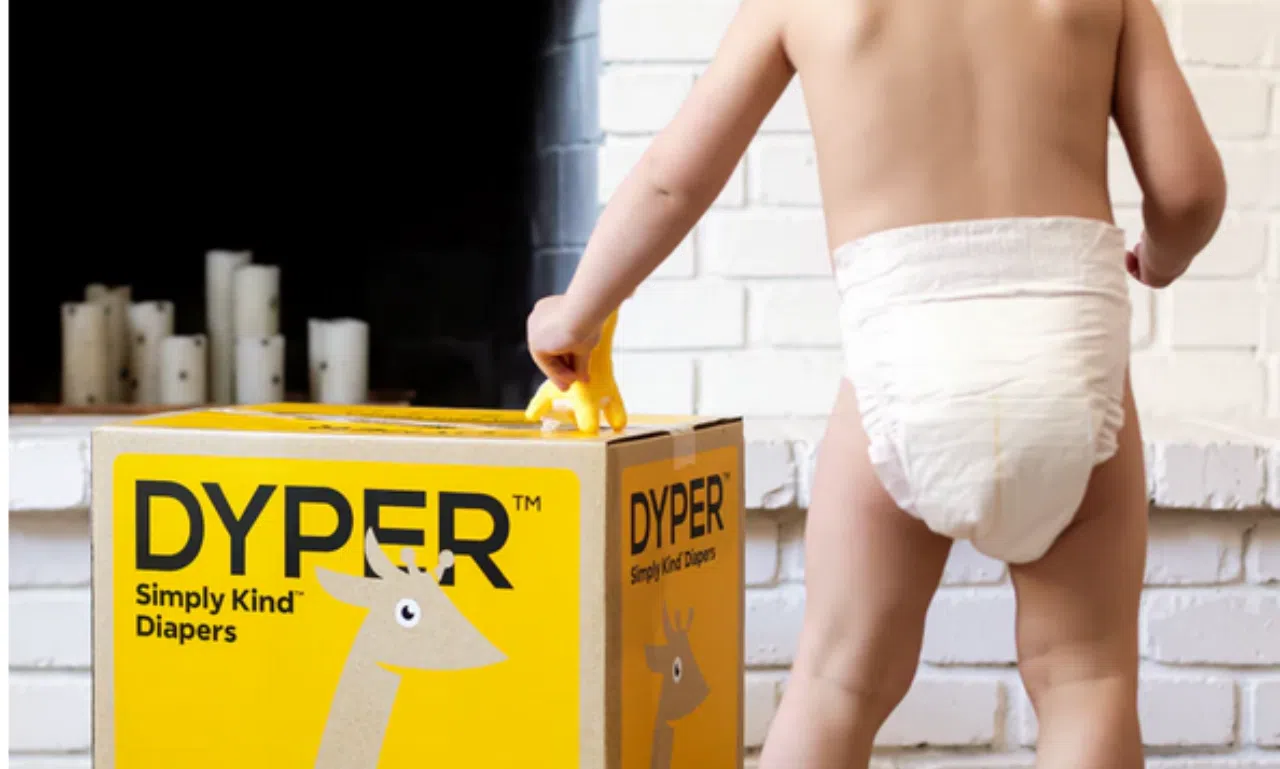
For parents in areas where the REDYPER program is active, Dyper provides an added layer of ease with weekly or bi-weekly pickup services for used diapers and wipes. This integrated system streamlines the composting process, making it a hassle-free choice for environmentally conscious families. The success of the REDYPER program, evidenced by the significant amount of waste diverted from landfills, highlights the growing demand for such comprehensive sustainable solutions.
Ultimately, choosing Dyper transcends the mere purchase of a diaper. It represents a conscious decision to align with a brand that champions sustainability, prioritizes transparency in its product composition, and is dedicated to providing superior care for babies. This commitment to a healthier planet and healthier babies positions Dyper as a leader in a rapidly evolving market, offering parents a compelling choice that benefits both their children and the environment.
The Broader Implications of Diaper Innovation
The rise of companies like Dyper signifies a broader shift in consumer consciousness and market demand for sustainable and healthier alternatives in everyday products. The traditional disposable diaper industry has long operated with a model that prioritizes convenience and cost-effectiveness, often at the expense of environmental impact and potentially infant health. However, growing awareness of issues such as plastic pollution, chemical exposure, and the long-term consequences of landfill waste is compelling manufacturers to re-evaluate their practices.
The success of Dyper’s model, particularly the REDYPER composting program, offers a tangible blueprint for other manufacturers in the disposable goods sector. It demonstrates that innovative solutions can be developed to address the end-of-life challenges associated with products that are inherently difficult to recycle or biodegrade. The diversion of millions of pounds of waste from landfills is a quantifiable measure of the positive impact such initiatives can have.
Furthermore, Dyper’s emphasis on transparency regarding materials and certifications sets a precedent for accountability within the industry. When parents are provided with clear information about what goes into the products their children use, they are empowered to make choices that align with their values and health concerns. This transparency can drive further innovation as companies compete to offer the safest and most sustainable options.
The regulatory landscape surrounding baby products, particularly diapers, may also see increased scrutiny as a result of these advancements. The current minimal testing requirements, as highlighted by the limited oversight from the Consumer Product Safety Commission, could be challenged by growing public demand for more robust safety standards. As more parents opt for products like Dyper, which voluntarily undergo rigorous testing and certification, it may create a market-driven incentive for broader regulatory changes.
In conclusion, Dyper’s approach to diapering represents more than just an alternative product; it is a movement towards a more responsible and health-conscious approach to early childhood care. By integrating plant-based materials, promoting transparency, and offering innovative waste management solutions, Dyper is not only serving the needs of parents but also actively contributing to a healthier planet for future generations. The company’s success underscores the growing potential for businesses to thrive by aligning their commercial objectives with strong ethical and environmental principles, proving that convenience and sustainability are not mutually exclusive but can, in fact, be synergistic.