Pranda Michaela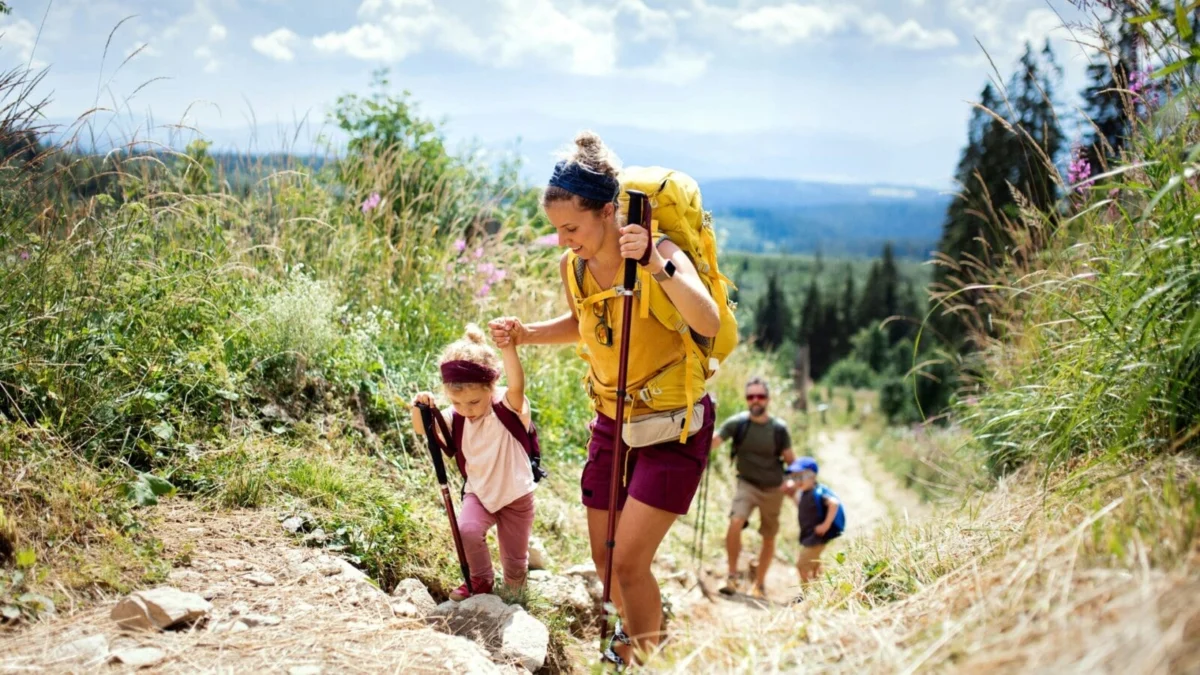
The allure of iconic national parks like Yellowstone and Yosemite is undeniable, drawing millions of visitors annually with their majestic landscapes and breathtaking vistas. However, experiencing these natural wonders often requires extensive planning, including booking accommodations a year in advance, navigating complex reservation systems, and contending with substantial crowds. For families with young children, this can transform a potential leisure trip into a logistical challenge, especially when trying to accommodate the needs of toddlers and manage expectations amidst a sea of visitors, many of whom may be less experienced in outdoor environments.
The National Park System, comprising 63 distinct parks, offers a diverse range of experiences. Yet, the parks that garner the most social media attention are not always the most accessible or enjoyable for families with young children. A growing number of travelers are seeking alternatives – parks that offer manageable logistics, kid-friendly amenities, and the opportunity for spontaneous exploration. These often overlooked gems are frequently located within an hour of major airports, feature stroller-accessible trails, and require no advance reservations, all while remaining free to enter. While they may lack the widespread name recognition of their more famous counterparts, they provide an equally enriching, and often more relaxed, national park experience for families.
This guide aims to reframe the national park travel narrative by evaluating parks based on factors crucial for family excursions. We assess airport proximity, ease of last-minute planning, lodging availability, suitability of trails for strollers and young children, and, of course, their inherent "wow factor." The goal is to identify destinations where the effort invested yields significant rewards, making the family national park adventure both feasible and memorable.
Key Considerations for Planning Your Family National Park Visit
The America the Beautiful Pass: For families planning to visit more than one or two national parks within a year, or embarking on an extended national park road trip, the America the Beautiful Pass is a cost-effective investment. This $80 annual pass grants entrance to all national parks and federal recreational lands managed by various government agencies. It can be purchased at park entrances, online via recreation.gov, or at many outdoor recreation retailers. For military families, the pass is provided free of charge.
Reservation Updates for 2026: It is crucial to stay informed about evolving reservation policies. For 2026, Arches, Yosemite, and Glacier National Parks have announced the discontinuation of their timed-entry reservation requirements. This significant change will enhance the spontaneity of visiting two of the parks featured in this guide. However, Rocky Mountain National Park will continue to require reservations during its peak season, underscoring the need for pre-trip research.
At-a-Glance Family Park Rankings
The following table provides a comparative overview of eight national parks, rated on key family-friendly metrics:
| Park | Airport Access | Last-Minute Friendly | Lodging Ease | Stroller / Toddler Trails | Wow Factor |
|---|---|---|---|---|---|
| Cuyahoga Valley, OH | Exceptional | Exceptional | Solid | Exceptional | Solid |
| Indiana Dunes, IN | Exceptional | Exceptional | Solid | Very Good | Very Good |
| Congaree, SC | Very Good | Exceptional | Solid | Exceptional | Very Good |
| Shenandoah, VA | Very Good | Very Good | Very Good | Very Good | Very Good |
| Great Smoky Mountains, TN/NC | Very Good | Very Good | Exceptional | Very Good | Exceptional |
| New River Gorge, WV | Manageable | Very Good | Solid | Very Good | Very Good |
| Arches, UT | Manageable | Very Good | Exceptional | Solid | Exceptional |
| Acadia, ME | Manageable | Manageable | Solid | Very Good | Exceptional |
Rating Key: Exceptional, Very Good, Solid, Manageable
1. Cuyahoga Valley National Park, Ohio
Cuyahoga Valley National Park stands out as a testament to the fact that some of America’s most accessible natural treasures are often the least publicized. Its location between Cleveland and Akron, a mere twenty-minute drive from Cleveland Hopkins International Airport, makes it an exceptionally convenient destination. The park’s status as one of the most logistically straightforward in the entire national park system is a significant advantage for families.
Key Features and Family Appeal:
- No Entrance Fee and No Reservations: This eliminates two major hurdles for spontaneous family trips.
- Ohio and Erie Canal Towpath Trail: This 20-mile paved and partially paved trail is exceptionally well-suited for strollers and young children. It meanders through the heart of the park, offering a gentle introduction to the natural environment.
- Beaver Marsh: This fully accessible boardwalk provides excellent opportunities for wildlife viewing. Children are likely to spot herons, turtles, and, with a bit of luck, beavers in their natural habitat.
- Brandywine Falls: The park’s signature 65-foot waterfall is easily accessible via a short boardwalk from the parking lot, making it a manageable and impressive sight for all ages.
- Lodging and Proximity: While lodging within the park is limited to a historic inn that books up quickly, plentiful and reasonably priced hotels are available in the nearby suburbs of Cleveland and Akron. The park’s proximity to Cleveland also allows for a combined city and nature experience.
Analysis: Cuyahoga Valley National Park exemplifies the ideal "grab-and-go" family getaway. Its minimal planning requirements and accessible features make it a prime choice for families seeking an impromptu nature escape. The park’s understated beauty, combined with its logistical ease, ensures a stress-free experience, proving that a national park adventure doesn’t always require extensive pre-planning.
2. Indiana Dunes National Park, Indiana
Situated just 50 miles from Chicago O’Hare International Airport and boasting 15 miles of Lake Michigan shoreline, Indiana Dunes National Park offers a compelling beach vacation alternative without the associated price tag. Its unique landscape provides a different kind of natural wonder, appealing to families seeking both recreation and exploration.
Key Features and Family Appeal:
- Dune Exploration: The rolling sand dunes are a natural playground for children, encouraging climbing, running, and rolling, providing hours of energetic fun.
- Lake Michigan Access: During the summer months, the lake offers a refreshing and satisfying swimming experience.
- Accessible Trails: The park features short, accessible trails winding through the dunes and wetlands, offering a change of scenery and opportunities for wildlife observation.
- Junior Ranger Program: For children aged 5-10, the well-structured Junior Ranger program is particularly engaging, fostering a deeper connection with the park’s natural and historical significance.
- Spacious Beaches: With eleven distinct beach areas, the park rarely feels overwhelmingly crowded, even during peak times.
- Logistical Ease: No reservations are required, and the $25 per vehicle entrance fee is covered by the America the Beautiful Pass. Lodging options are readily available in nearby Chesterton and Valparaiso, and Chicago is within easy reach for extended stays.
Considerations: While the beaches and paved areas are stroller-friendly, navigating the loose sand of the dune trails requires a carrier for toddlers.
Analysis: Indiana Dunes provides a unique blend of beach fun and natural exploration, making it a strong contender for families in the Midwest and those looking for a day trip from Chicago. Its accessibility and engaging activities for younger children make it a highly recommended destination.
3. Congaree National Park, South Carolina
While the towering redwoods and sequoias of the West often steal the spotlight, Congaree National Park in South Carolina preserves one of the last and largest old-growth bottomland hardwood forests in the United States. Located just 20 minutes from Columbia, South Carolina, this park offers a unique ecological experience that can captivate even the most tree-averse child.
Key Features and Family Appeal:
- Champion Trees: The park is home to champion examples of 15 different tree species, including an American elm, cherrybark oak, and a colossal loblolly pine, showcasing the grandeur of the natural world.
- Elevated Boardwalk Trail: The 2.4-mile elevated boardwalk loop, accessible from the visitor center parking lot, is stroller-friendly, wheelchair-accessible, and remarkably flat. Benches along the way offer opportunities for rest.
- Prehistoric Ambiance: Walking through the bald cypress and tupelo trees rising from the water below the boardwalk creates a slightly prehistoric atmosphere, igniting the imagination of young explorers.
- No Admission Fee or Reservations: The park is free to enter and requires no advance reservations, making it a highly accessible destination.
- Low Visitor Traffic: Congaree is known for its serene and uncrowded environment, allowing for a more intimate and peaceful experience.
- Lodging and City Proximity: Lodging is available in Columbia, which offers a vibrant downtown area and sufficient attractions for a weekend visit.
Analysis: Congaree National Park is an ideal destination for families seeking a low-commitment, highly rewarding outdoor experience. Its unique forest ecosystem, combined with its ease of access and tranquil atmosphere, makes it a hidden gem for families with very young children or those who prefer a less crowded natural setting.
4. Shenandoah National Park, Virginia
Its proximity to the Washington, D.C. metropolitan area, specifically just an hour from Washington Dulles International Airport, positions Shenandoah National Park as a logistically advantageous choice for families in the region or those flying into the D.C. area. Skyline Drive, the park’s scenic 105-mile roadway along the Blue Ridge Mountains, allows for a significant portion of the park’s splendor to be appreciated from the comfort of a vehicle, a valuable feature for families with young children who may tire of strenuous hikes.
Key Features and Family Appeal:
- Skyline Drive: This iconic drive offers stunning panoramic views of the Shenandoah Valley and the surrounding mountains, allowing for an accessible appreciation of the park’s grandeur.
- Limberlost Trail: This 1.3-mile loop is a standout for families with small children. Its crushed gravel surface is stroller-friendly, the trail is shaded, and benches are strategically placed every few hundred feet, catering to the needs of parents with toddlers.
- Big Meadows: This area features a visitor center, a lodge, and an easy meadow loop trail suitable for all ages.
- Manageable Peak Seasons: While October’s foliage season books quickly, summer offers more flexibility for last-minute planning.
- Entrance Fee: The park charges a $35 per vehicle entrance fee, which is covered by the America the Beautiful Pass.
Analysis: Shenandoah National Park offers a compelling combination of accessibility and natural beauty, making it an excellent choice for families in the Mid-Atlantic region. The park’s infrastructure, particularly Skyline Drive and family-friendly trails, ensures that even those with limited hiking experience can enjoy its mountainous vistas.
5. Great Smoky Mountains National Park, Tennessee/North Carolina
As the most visited national park in the United States, Great Smoky Mountains National Park presents a paradox: its immense popularity might suggest overwhelming crowds, yet it remains surprisingly manageable for families with young children. Crucially, it is free to enter and requires no reservations, a significant draw for budget-conscious families. The abundance of flights into nearby Knoxville and Asheville airports also contributes to its accessibility.
Key Features and Family Appeal:
- Free Admission and No Reservations: This is a major advantage, allowing for spontaneous visits without additional costs or planning constraints.
- Diverse Trails: While the popular Laurel Falls trail is undergoing renovations until July 2026, other family-friendly options exist. The Alum Cave Trail offers a moderate 4.4-mile round trip with geological features and a natural arch that can engage children.
- Cades Cove Loop: This flat, wildlife-rich valley is ideal for both driving and biking. Sightings of bison and white-tailed deer are common, providing exciting wildlife encounters for children.
- Clingmans Dome (Kuwohi): The highest point in the park offers a short, paved half-mile walk (albeit steep) to an observation tower with rewarding panoramic views on clear days.
- Abundant Lodging: The Gatlinburg corridor provides a wide range of lodging options at various price points, catering to diverse family needs.
Considerations: Due to its popularity, summer weekends can be exceptionally busy, and parking at popular spots like Clingmans Dome is limited. Visiting during the shoulder seasons (May, September) is recommended for a more relaxed experience.
Analysis: Great Smoky Mountains National Park offers a quintessential national park experience without the logistical complexities often associated with western parks. Its free admission, abundant lodging, and variety of accessible activities make it an excellent choice for families seeking a classic American adventure, particularly for multigenerational trips.
6. New River Gorge National Park, West Virginia
Designated as a national park in 2020, New River Gorge is still operating under the radar, attracting a fraction of the visitors seen at more established parks. This relative obscurity, combined with its impressive infrastructure, makes it an attractive destination for those seeking dramatic natural scenery without the crowds. The park’s centerpiece is the New River Gorge Bridge, one of the longest steel arch bridges in the world, offering a breathtaking visual spectacle.
Key Features and Family Appeal:
- New River Gorge Bridge: The sheer scale of the bridge is awe-inspiring. The Canyon Rim Boardwalk provides a safe and accessible way to experience the bridge and the river below, offering multiple overlooks.
- Grandview: This area offers meadow walks and additional overlooks with minimal elevation gain, making it suitable for families with younger children.
- Whitewater Rafting: For families with older children, whitewater rafting on the New River is a thrilling activity unique to this park.
- Accessibility: While Beckley Raleigh County Memorial Airport is the closest, most families drive from Charleston, WV, or the surrounding metropolitan areas. The manageable crowds compensate for the slightly less direct airport access.
Analysis: New River Gorge National Park provides a potent combination of natural drama and accessibility. Its status as a newer park means fewer crowds, allowing families to immerse themselves in the stunning landscapes and engage in activities like rafting without feeling overwhelmed. It’s an ideal destination for families seeking awe-inspiring views and adventure.
7. Arches National Park, Utah
The recent announcement that Arches National Park will drop its timed-entry reservation requirement for 2026 significantly enhances its appeal for spontaneous travel. Located a 45-minute drive from the regional airport in Grand Junction, Colorado, and about four hours from Salt Lake City, Arches is easily accessible. The town of Moab, situated just outside the park entrance, offers a full range of amenities, including diverse dining options, gear shops, and accommodations at various price points.
Key Features and Family Appeal:
- Iconic Arches: The park is famed for its thousands of natural sandstone arches, offering unique geological formations that spark curiosity.
- The Windows Section: This area features short, mostly flat walks to massive arches, providing an otherworldly experience. Children can safely scramble on the surrounding rocks.
- Delicate Arch Hike: For families with children aged six and up, the 3-mile round-trip hike to Delicate Arch, with its 480 feet of elevation gain, is a rewarding challenge.
- Compact Layout: The park’s relatively compact size allows for efficient exploration, suitable for toddlers with limited trail endurance.
- Summer Heat: Temperatures in July and August regularly exceed 100°F, necessitating early morning visits to avoid the most intense heat.
Analysis: Arches National Park offers an unparalleled geological spectacle. The removal of timed-entry reservations for 2026 makes it a more flexible option for families. While summer heat requires careful planning, the park’s unique formations and accessible trails make it a worthwhile destination for families with children old enough to appreciate its natural wonders.
8. Acadia National Park, Maine
Acadia National Park, while requiring the most advance planning among the parks on this list, offers an exceptional combination of natural beauty and family-friendly activities in the Northeast. Accommodations in Bar Harbor, the gateway town, and the park shuttle system can book up well in advance, particularly during the popular peak foliage season in October.
Key Features and Family Appeal:
- Historic Carriage Roads: These 45 miles of car-free, wide, crushed gravel roads are ideal for biking and strolling with young children. Their gentle grades make them accessible and enjoyable.
- Eagle Lake Loop: This flat, 6-mile loop around a picturesque lake is suitable for older children on bikes.
- Jordan Pond: The 3.3-mile lakeside loop at Jordan Pond offers a scenic walk, famously culminating with a stop for popovers at the Jordan Pond House, a tradition enjoyed by generations of families.
- Thunder Hole: A short walk from a parking lot leads to this dramatic carved-out inlet, known for its roaring waves during high tide, offering a thrilling ocean experience.
- Proximity to Airports: Bangor International Airport is about an hour away, while Portland International Jetport offers more flight options at a three-hour distance. A road trip from Boston is also feasible within four to five hours.
Analysis: Acadia National Park is best suited for families who can plan ahead. The combination of coastal scenery, mountainous terrain, and excellent cycling and walking paths makes it a standout destination in the Northeast. The opportunity for a memorable culinary experience at Jordan Pond House adds another layer of appeal for family outings.
Practical Considerations for Family National Park Adventures
The America the Beautiful Pass: As previously mentioned, this $80 annual pass is an economical choice for families visiting multiple federal lands within a year. It covers entrance fees to all national parks and federal recreational lands, offering significant savings.
Junior Ranger Program: Nearly every national park offers a Junior Ranger program, a highly engaging and free activity for children. Participants receive a booklet with age-appropriate activities, and upon completion, are sworn in as Junior Rangers by a park ranger. This program instills a sense of stewardship and provides a memorable takeaway from the park visit, regardless of a child’s consistent enthusiasm throughout the day.
Arriving Early: Parking at popular national parks can fill up by 9 a.m. on summer weekends. Arriving early is the single most effective strategy for enhancing the visitor experience, ensuring access to desired parking areas and trailheads. Planning for breakfast on the go or at a trailhead, rather than a sit-down restaurant, can help maximize time in the park.
Staying Informed on Reservations: Timed-entry and reservation requirements for national parks can change annually. It is imperative to check the official National Park Service website (nps.gov) for the most current information before booking any travel arrangements. This proactive step can prevent disappointment and ensure a smoother visit.
The enduring appeal of national parks lies in their ability to connect us with nature and provide opportunities for discovery and rejuvenation. By focusing on parks that prioritize accessibility, family-friendly amenities, and logistical ease, families can create unforgettable memories and foster a lifelong appreciation for America’s natural heritage, proving that a grand adventure often begins with thoughtful planning and a willingness to explore beyond the most celebrated destinations.