Reynand Holland
The journey of parenthood, while immensely rewarding, is often accompanied by an often-overlooked challenge: the sheer volume of waste generated by a single baby. This reality is starkly illustrated by the approximately 6,000 diapers a baby will use in their first two years of life. For many parents, the readily available solution of traditional single-use disposable diapers, while convenient, presents a growing environmental and health concern. The prevailing alternative, reusable cloth diapers, often proves impractical for busy modern families, creating a gap that traditional disposable diapers have historically filled, despite their significant drawbacks.
Beyond the sheer volume of landfill contribution, traditional disposable diapers harbor a hidden agenda of potential health risks. A closer examination of their composition reveals concerns ranging from the plastic materials used to the inclusion of fragrances, an element that raises questions about necessity and safety. These components have been scientifically linked to a spectrum of adverse health outcomes, including endocrine and reproductive disorders, acute skin rashes, and even, in the long term, an increased risk of testicular cancer. The regulatory landscape surrounding baby diapers further compounds these concerns. The Consumer Product Safety Commission, for instance, mandates testing primarily for lead, a standard that falls short of addressing a broader array of potentially harmful chemicals, including known carcinogens and endocrine-disrupting compounds. This limited oversight leaves parents with a significant information gap regarding the safety of the products closest to their children.
The immediate aftermath of diaper use typically involves their disposal into municipal waste streams, contributing to overflowing bins and a persistent landfill burden. This very sight—bins overflowing with plastic diapers—served as a powerful catalyst for Tony Patron, founder of REDYPER, and his business partner. Their shared realization that this weekly ritual represented a significant and unsustainable problem marked the genesis of what would eventually evolve into Dyper, a company committed to developing diapers that are not only safe and high-performing but also prioritize non-toxic and environmentally conscious materials.
The Genesis of Dyper: An Engineer’s Response to an Overwhelming Problem
Tony Patron, an engineer by profession and a new father by circumstance, found himself directly confronting the environmental impact of disposable diapers. The visual of his own trash bins overflowing with plastic diaper waste spurred a determination to seek a better solution. His initial endeavors involved exploring collaborations with existing companies that were producing compostable diapers. However, these efforts culminated in a strategic merger, leading to the formation of Dyper. This new entity was envisioned as a diaper company dedicated to the creation of non-toxic, biodegradable diapers, aiming to significantly reduce both household and environmental waste.
The core of Dyper’s product development strategy lies in its meticulous approach to material selection and product design. The company’s product team is deeply committed to ensuring that nearly all components of their diapers are biodegradable. While acknowledging that certain technological limitations currently prevent complete biodegradability in all elements, such as the fastening mechanisms (like velcro), their overarching goal remains steadfast: to offer a diaper that matches or exceeds the performance of conventional options in terms of absorbency, fit, and comfort, while simultaneously eliminating the risk of skin irritation.

Prioritizing Plant-Based Materials and Transparency
Dyper’s commitment to a "plants over plastic" philosophy is evident in its primary use of plant-based materials. The company prominently features US-grown, Forest Stewardship Council (FSC)-certified bamboo and eucalyptus fibers. The viscose bamboo utilized in their diapers is sourced from an Oeko-Tex certified supplier, a designation that underscores rigorous standards for textile safety and environmental responsibility. Transparency is a cornerstone of Dyper’s brand identity; they meticulously label each layer of their diapers with its specific components, empowering conscious parents with detailed information about what is in contact with their child. This commitment to openness is further validated by their certifications: Dyper diapers are Certified USDA BioPreferred at 55% plant-based content, and their accompanying wipes achieve an impressive 95% BioPreferred status.
The diaper products themselves adhere to Oeko-Tex standards, ensuring they are free from harmful substances. Furthermore, Dyper has earned the prestigious DermaTest 5-Star Certification. This rigorous third-party evaluation guarantees that their diapers are dermatologically safe and will not elicit skin reactions, a crucial consideration for infants with sensitive skin.
Beyond material sourcing and certifications, Dyper engages third-party laboratories to conduct comprehensive testing of its products. This independent verification process confirms both the non-toxic nature and compostability of their diapers, reinforcing the brand’s dedication to verifiable safety and environmental claims.
Addressing the Environmental Impact: Beyond Landfills
The traditional fate of disposable diapers is a grim one: ending up in landfills where they can take hundreds of years to decompose, releasing harmful chemicals and greenhouse gases in the process. This stark reality prompted Dyper to innovate beyond simply creating a more sustainable diaper material. Their initiative, REDYPER, offers a potential solution to the end-of-life management of used diapers. This optional program, available in select regions, provides a dedicated service for the collection and composting of used Dyper diapers and wipes.
The REDYPER program partners with regional composting facilities. These facilities are equipped to handle the specialized process of breaking down the compostable materials within a timeframe of approximately 14 to 16 weeks. For components that are not yet biodegradable, these are identified and removed from the compost stream for appropriate disposal. As of the latest available data, the REDYPER program has successfully diverted over 14 million pounds of waste from landfills, demonstrating a tangible impact on reducing the environmental burden of diaper use.
The "Plants Over Plastic" Ethos: A Holistic Approach
The guiding principle of Dyper’s mission is encapsulated in the slogan, "plants over plastic for happy babies." This ethos permeates every aspect of their product development and business operations. By prioritizing plant-based materials and eschewing harmful chemical additives, Dyper ensures that their diapers are free from common irritants such as phthalates, latex, and parabens, which are often found in conventional supermarket diapers. The natural fibers used are not only gentler on a baby’s delicate skin but also assure parents that the materials have been responsibly sourced.
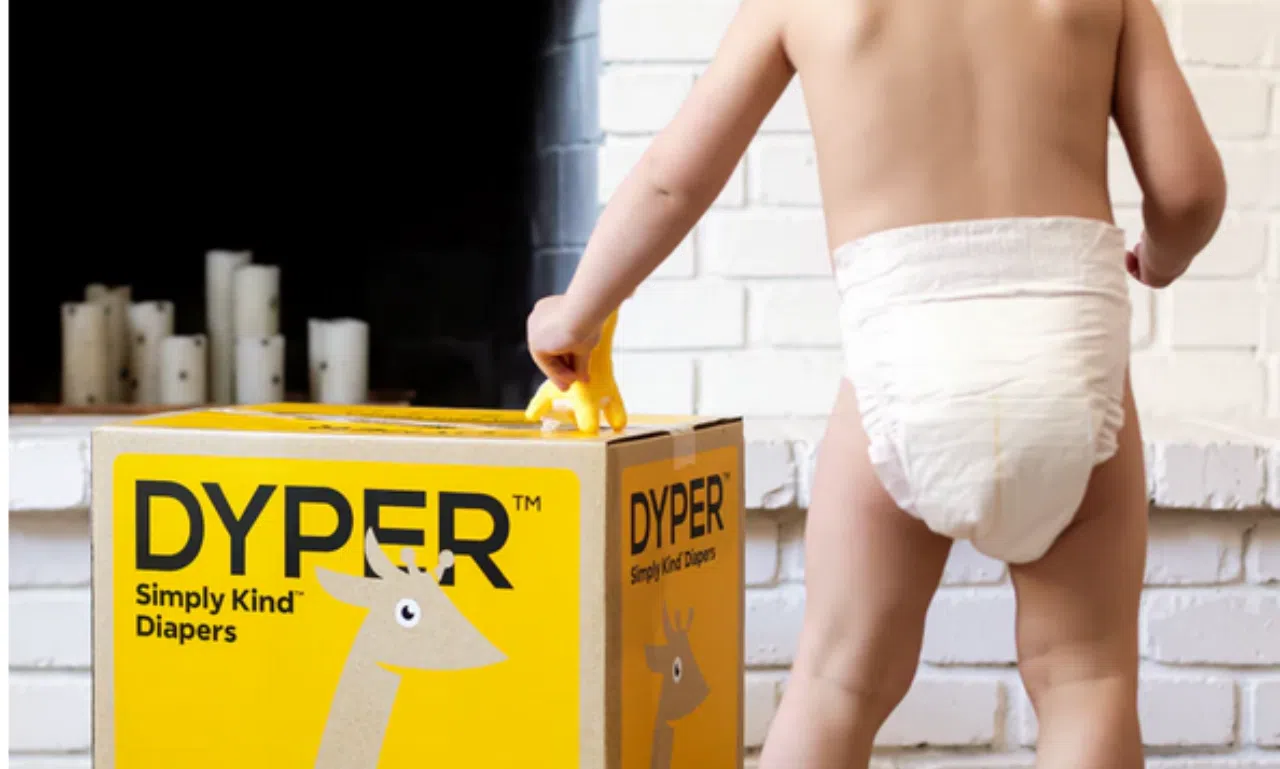
Dyper diapers are engineered to provide a superior user experience for both baby and parent. While composed of over 50% plant-based materials, their design emphasizes high performance, effectively preventing leaks and minimizing diaper rash, thereby contributing to a baby’s comfort and well-being. The integration of the REDYPER program further enhances the convenience for parents seeking a more sustainable disposal method. This "plants over plastic" philosophy extends to their packaging, where Dyper consciously utilizes sustainable materials to further minimize their environmental footprint.
The company’s commitment is to demonstrate that parents do not have to compromise between functional, high-quality diapers and environmentally responsible choices. Dyper aims to provide a comprehensive solution that addresses the needs of the baby, the concerns of the parent, and the health of the planet.
Making Sustainable Diapering Accessible
Dyper offers a flexible purchasing model to accommodate diverse parental needs, providing options for both subscription-based deliveries and one-time purchases across a wide range of sizes. For parents in areas where the REDYPER service is available, the convenience of weekly or bi-weekly pick-up for used diapers and wipes further streamlines the process of responsible disposal.
The company’s strategic partnerships with regional composting facilities are crucial to the success of the REDYPER program. These collaborations ensure that the compostable materials are processed effectively, breaking down within the targeted 14- to 16-week period. Any non-compostable elements are meticulously separated and managed appropriately, maintaining the integrity of the composting process and minimizing residual waste. The significant milestone of diverting over 14 million pounds of waste from landfills underscores the impact and scalability of Dyper’s innovative approach to diaper waste management.
Ultimately, choosing Dyper represents more than just selecting a diaper; it signifies an embrace of a commitment to sustainability, a demand for transparency in product ingredients, and a dedication to superior baby care. This approach positions Dyper as a leader in a growing movement towards more conscious consumption within the essential realm of infant care, offering a tangible pathway for parents to reduce their environmental impact without sacrificing performance or baby’s health. The ongoing innovation and expansion of services like REDYPER suggest a future where the challenges of diaper waste are increasingly addressed through thoughtful design and responsible end-of-life solutions.