 Cintya Tara Annisa
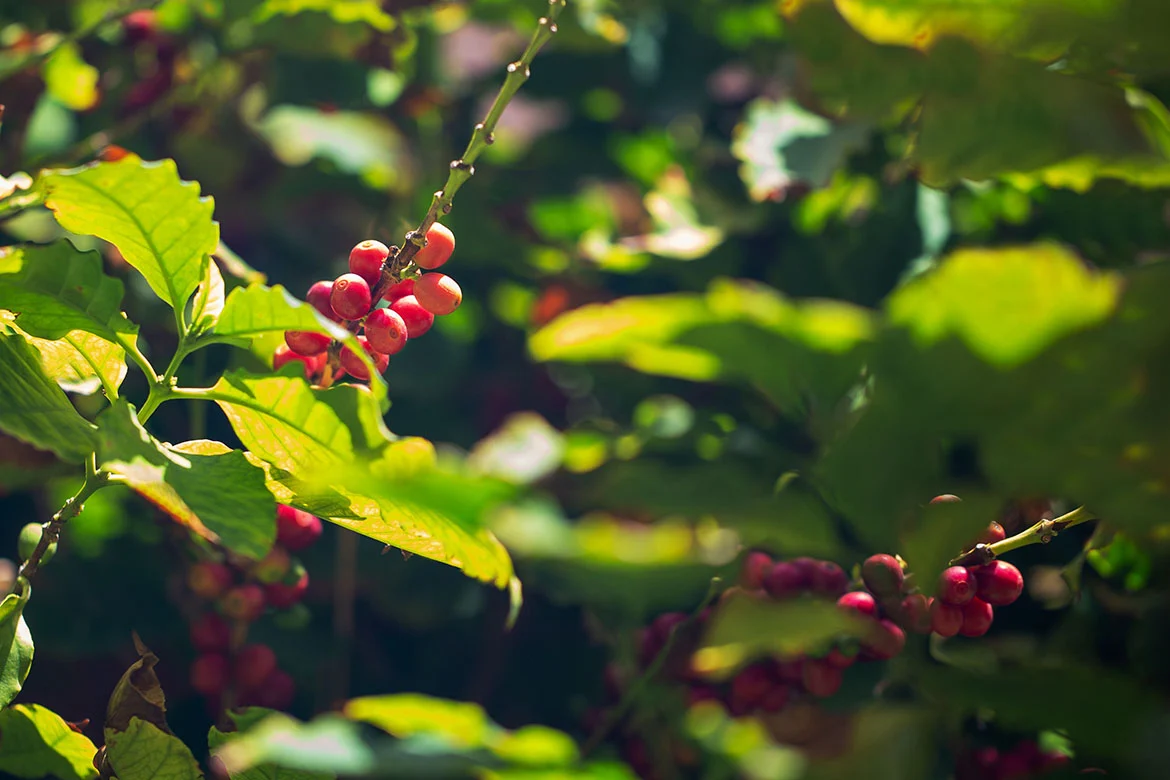
Italy has long been defined by its inextricable link to coffee. As the historical birthplace of the espresso machine and the epicenter of a global cafe culture that permeates every stratum of daily life, the nation has traditionally existed solely on the demand side of the industry. For over a century, Italian roasters have acted as curators and alchemists, importing green coffee beans from the tropics and perfecting the art of the roast. However, a significant shift is occurring on the sun-drenched outskirts of Palermo, Sicily. For the first time in history, Arabica coffee is being commercially harvested on Italian soil. While this achievement marks a triumph of agricultural experimentation, it serves as a troubling harbinger of a rapidly destabilizing global climate.
A Century of Agricultural Ambition
The Morettino family, a multi-generational coffee roasting enterprise established in the 1920s, has spent decades pursuing the elusive dream of domestic production. The initiative was spearheaded by Arturo Morettino, whose interest was piqued during a professional visit to a coffee plantation in Guatemala. Recognizing the potential for a localized Sicilian product, the family began their initial experiments in the 1990s.
The early years of the project were characterized by significant challenges. The family acquired 60 Arabica saplings from the Botanical Gardens of Palermo, hoping the island’s Mediterranean climate might accommodate the delicate species. The results were largely unsuccessful; the majority of the trees succumbed to the environment, while those that survived failed to reach productive maturity. For nearly thirty years, the dream of “made in Italy” coffee remained a romanticized concept rather than a viable agricultural reality.
However, the trajectory of the project shifted dramatically in 2021. The family observed a consistent increase in yields, rising from 30 kilograms to 50 kilograms, then 70 kilograms, and finally hitting 100 kilograms of coffee cherries in the most recent harvest. This harvest yielded approximately 15 kilograms of finished, roasted coffee. While this volume is negligible compared to the millions of tons produced globally, the trend is undeniable. The success has caught the attention of academic institutions, leading researchers at the University of Palermo to establish an experimental plot of 25 Arabica trees, integrated within existing citrus orchards, to analyze the long-term viability of coffee under Mediterranean conditions.
The Global Shift: New Frontiers for Cultivation
Italy is not alone in this transition. Across the globe, traditionally temperate or sub-tropical regions are witnessing the emergence of coffee cultivation. In Europe, both Spain and Portugal have reported successful experimental plots. In the United States, growers in Florida—a region previously considered too far north for viable coffee production—are increasingly producing high-quality Arabica.
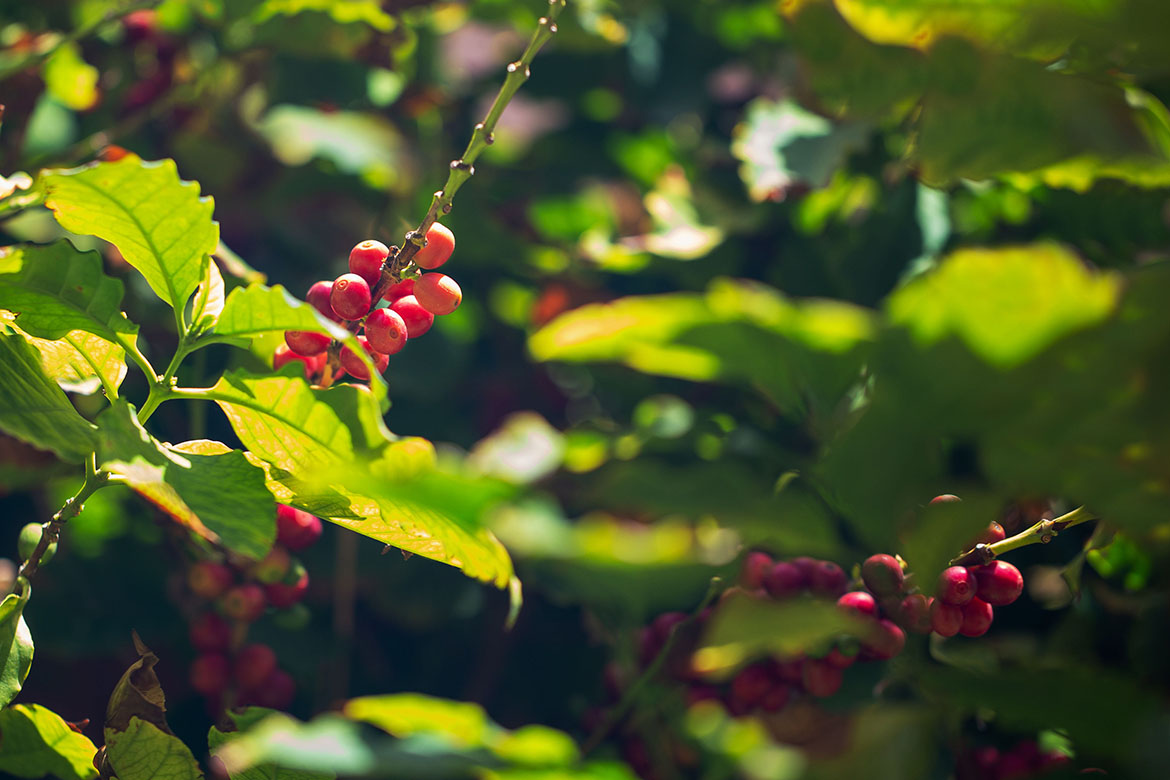
This phenomenon is driven by a steady northward and southward migration of the “Coffee Belt.” The Coffee Belt, which traditionally spans the regions between the Tropics of Cancer and Capricorn, provides the specific altitude, humidity, and temperature ranges required for the volatile Coffea arabica plant. As global temperatures rise, the narrow band of latitude capable of sustaining these plants is shifting away from the equator.
Climate Change and the Heat Factor
The primary catalyst for this shift, according to industry experts and the Morettino family, is the rapid intensification of regional heat. Andrea Morettino has noted that the last six years have marked a distinct transformation in the Sicilian climate, which has taken on an increasingly tropical character. This shift in weather patterns has allowed coffee plants to survive in areas that were previously too cold or experienced unsuitable frost cycles.
However, the implications of this shift are profoundly negative for the global coffee supply chain. The coffee industry is currently valued at over $100 billion, with more than 10 million metric tons produced annually. This massive output is highly dependent on the stability of the traditional Coffee Belt. The warming that allows coffee to grow in Sicily is the same warming that is currently rendering traditional coffee-producing regions—such as parts of Ethiopia, Brazil, and Vietnam—increasingly inhospitable.
Economic and Environmental Implications
The agricultural shift in Italy presents a paradox. While the ability to produce a "Sicilian" coffee with unique sensory profiles—described by producers as having notes of white flowers, orange blossom, and raisins—is an achievement of local horticulture, it is essentially a symptom of systemic environmental degradation.
From an economic perspective, the emergence of non-traditional coffee regions will not compensate for the losses expected in the primary growing zones. The biological requirements of the Arabica plant are precise. As the world warms, the elevation requirements for coffee increase, forcing farmers to move plantations further up mountainsides. Eventually, farmers reach a point where they run out of mountain. Furthermore, the migration of the Coffee Belt is happening faster than the capacity for farmers to relocate their operations or for the plants to adapt.
The loss of coffee-growing land in the equatorial belt will likely lead to a long-term supply deficit, driving up commodity prices and threatening the livelihoods of millions of smallholder farmers who lack the resources to pivot their agricultural strategies. The diversification of coffee production into Europe and North America is, in reality, a small-scale adaptation to a planetary emergency.

A Broader Perspective on Human Impact
While the professional coffee industry focuses on the "style-pointing" of this new agricultural development—analyzing the flavor notes and the potential for new market segments—the broader scientific community remains focused on the underlying cause. The same climatic volatility that is bringing coffee production to Palermo is fundamentally altering the suitability of the planet for human habitation.
Rising temperatures, shifting rainfall patterns, and the increase in extreme weather events represent an existential risk that extends far beyond the beverage industry. The transformation of Sicily’s landscape into a climate that can host tropical flora is a tangible, visible marker of a changing world. As regions that were once considered “too cold” become “just right,” the regions that were previously "just right" are becoming "too hot."
For the consumer, the availability of Italian-grown coffee may become a niche curiosity or a high-end luxury item in the coming years. For the agricultural sector, however, it serves as a clarion call. The industry is currently facing a dual challenge: mitigating the environmental impact of its production chain while simultaneously preparing for a future where the geography of agriculture is being rewritten by the realities of climate change.
As the University of Palermo continues its research into the adaptation of these trees, the data will provide valuable insights into the resilience of agricultural crops under stress. Yet, the consensus among climate scientists is clear: the shifting boundaries of coffee cultivation are not a sign of agricultural progress, but a reflection of a global environment moving toward a precarious and uncertain future. The story of the Morettino family’s harvest is, in essence, a microcosm of the global climate narrative—a story of adaptation in the face of an encroaching and inevitable change.