Angie Faith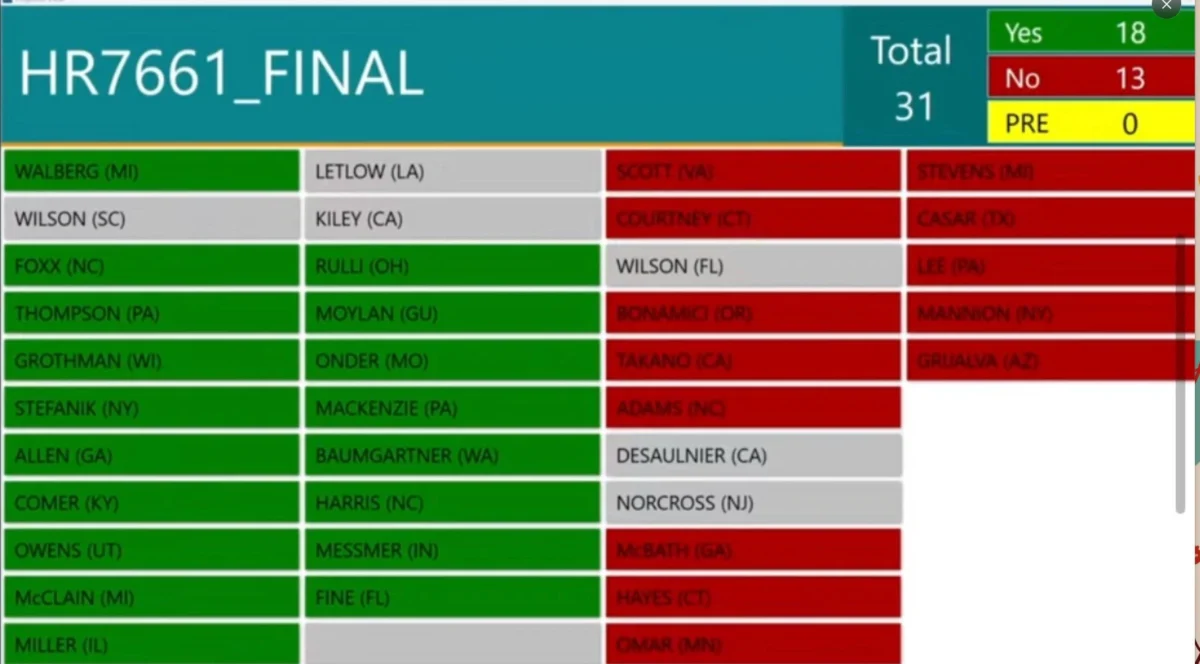
The U.S. House Committee on Education and the Workforce convened on March 17, 2026, for a markup session concerning House Resolution 7661, known as the "Stop the Sexualization of Children Act." This legislation, introduced by Representative Mary Miller (R-Illinois) shortly after the State of the Union address, proposes significant amendments to the Elementary and Secondary Education Act of 1965. The core of HR 7661 aims to prohibit the use of federal funds under this act for the "development, implementation, facilitation, hosting, or promotion of any program or activity for, or to provide or promote literature or other materials to, children under the age of 18 that includes sexually oriented material, and for other purposes."
The markup process immediately highlighted the deeply partisan nature of HR 7661. Democratic representatives voiced substantial concerns regarding the bill’s broad scope and potential for overreach. Throughout the session, numerous amendments were introduced by members of the minority party, seeking to introduce more robust protections for discussions on global religions, culturally diverse historical narratives, and critical topics such as sexual assault and child trafficking. However, these amendments were ultimately unsuccessful, with the committee’s vote to advance the bill proceeding largely along party lines. The full markup session, including the debate and the vote to forward HR 7661 to the House floor, is available for public viewing, with the discussion on the bill commencing at approximately the 2:00 mark and the vote at 5:42 in the recording.
Following the committee’s deliberation, HR 7661 was passed forward with a recommendation for consideration by the full House of Representatives. This advancement marks a critical juncture for the bill, which has drawn sharp criticism from educational freedom advocates and civil liberties organizations.
Background and Context of HR 7661
The introduction and advancement of HR 7661 are situated within a broader national discourse concerning curriculum content in public schools, particularly relating to LGBTQ+ issues and what some conservative groups define as age-inappropriate material. Proponents of the bill argue it is a necessary measure to protect children from exposure to sexually explicit content and what they perceive as ideological indoctrination. Representative Miller’s office has stated the bill is intended to safeguard parental rights and ensure that educational materials are aligned with community standards and the innocence of childhood.
However, critics contend that the bill is not solely focused on protecting children but also serves as a strategic move within the ongoing debate over school choice and the potential defunding of public education. The legislation’s application specifically to public institutions, while excluding private or homeschool settings, has been interpreted by opponents as an effort to incentivize families to leave public schools by creating an environment where perceived objectionable content is removed, thereby justifying a shift towards alternative educational models. This approach, critics argue, could further destabilize public school funding and resources.
Committee Markup and Partisan Divide
During the committee markup, the divide between the parties was stark. Democratic committee members presented a series of amendments designed to clarify and refine the bill’s language, aiming to prevent unintended consequences and protect the integrity of educational programs. These proposed amendments sought to explicitly safeguard the teaching of sensitive but important topics. For instance, one amendment would have ensured that the prohibition on "sexually oriented material" did not impede the teaching of religious studies that might involve discussions of diverse sexual practices or beliefs within a historical or cultural context. Another amendment aimed to protect the inclusion of accurate historical accounts of marginalized groups, including LGBTQ+ individuals, and to prevent the censorship of information related to sexual assault and child trafficking, which are often addressed in age-appropriate health and safety curricula.
The failure of these amendments to gain traction underscores the bill’s restrictive intent, according to its critics. The voting pattern, strictly adhering to party lines, suggests a lack of bipartisan consensus on the necessity and scope of HR 7661 as currently written. The argument presented by one representative during the markup, that schools unwilling to comply with the bill’s mandates would simply lose federal funding, has been cited by educational freedom advocates as a clear indication of a deliberate strategy to undermine public education. This perspective aligns with long-standing concerns that legislative efforts to control curriculum are part of a larger agenda to weaken and defund public school systems.
Analysis of Implications and Broader Context
The passage of HR 7661 out of committee and its subsequent move to the full House of Representatives carries significant implications for educational policy and student rights. Critics argue that the bill’s broad language, particularly its definition of "sexually oriented material," could be interpreted to encompass a wide range of content, including literature and discussions that address gender dysphoria, transgender identities, or even artistic expressions such as drag performances. This broad interpretation could lead to the removal of valuable resources and educational opportunities that foster inclusivity and understanding among students.

Furthermore, the bill’s potential impact on school choice initiatives is a key point of contention. By targeting public institutions, HR 7661 may inadvertently or intentionally create a narrative that public schools are unsafe or unsuitable environments for children, thereby encouraging a migration towards private or homeschooling options, often supported by voucher programs. This dynamic raises concerns about the equitable distribution of educational resources and the potential for taxpayer funds to be diverted from public institutions.
The "Literary Activism" initiative, as highlighted in related content, underscores the ongoing efforts by various groups to combat censorship and promote intellectual freedom in educational settings. The fight against bills like HR 7661 is framed as a crucial battle for the future of education, emphasizing the need for accessible and inclusive learning environments.
The Road Ahead and Potential Counter-Legislation
While HR 7661 has cleared a significant hurdle by passing through the committee, its journey through the legislative process is far from over. The bill now faces scrutiny from the entire House of Representatives, where further debate and potential amendments are anticipated. The strength of opposition, as demonstrated during the committee markup, suggests that floor debates could be protracted and contentious.
Beyond the House, should HR 7661 successfully pass, it would then proceed to the Senate. The Senate’s legislative processes are generally more rigorous, and bills that potentially infringe upon First Amendment rights or exceed congressional authority are likely to face even more substantial challenges. Legal scholars and constitutional advocates are expected to scrutinize the bill’s constitutionality and its potential impact on established legal precedents regarding free speech and academic freedom.
In parallel to the debate surrounding HR 7661, there are other pieces of legislation in the House that aim to bolster educational resources and protect the freedom to read. House Resolution 7691, the "Fight Book Bans Act," seeks to provide federal grants to schools to support the preservation of library collections and ensure unhindered student access to a wide array of materials. Additionally, House Resolution 6440 and its Senate counterpart, Senate Bill 3365, collectively known as the "Right to Read Act," propose an annual investment of $600 million towards school libraries. This funding is intended to enhance library staffing and expand access to diverse reading materials for students.
When engaging with representatives, constituents are encouraged to inquire about the prioritization of these pro-reading legislation compared to measures like HR 7661. This line of questioning, particularly during district work periods when representatives are more accessible, can serve to highlight the divergent legislative priorities and their potential consequences for public education.
Conclusion
The legislative landscape surrounding educational content and student rights is complex and rapidly evolving. While the passage of HR 7661 out of committee represents a significant step for its proponents, the bill faces numerous obstacles before it could become law. The deeply entrenched partisan divisions, the potential for robust debate and amendment on the House floor, and the rigorous scrutiny it would likely encounter in the Senate all indicate that the legislative battle is ongoing.
Ultimately, the outcome of HR 7661, and similar legislative efforts, will depend on the continued engagement of citizens, educators, and advocacy groups. Understanding the nuances of the legislation, its potential impacts, and the broader context of educational policy is crucial for informed participation in the democratic process. The call to action for concerned individuals is clear: to actively engage with their elected officials and advocate for policies that support a comprehensive, inclusive, and intellectually free educational future for all students. The success of these efforts hinges on the collective commitment to ensuring that legislative decisions reflect the values of equity, access, and robust public education.