Indra Kusuma
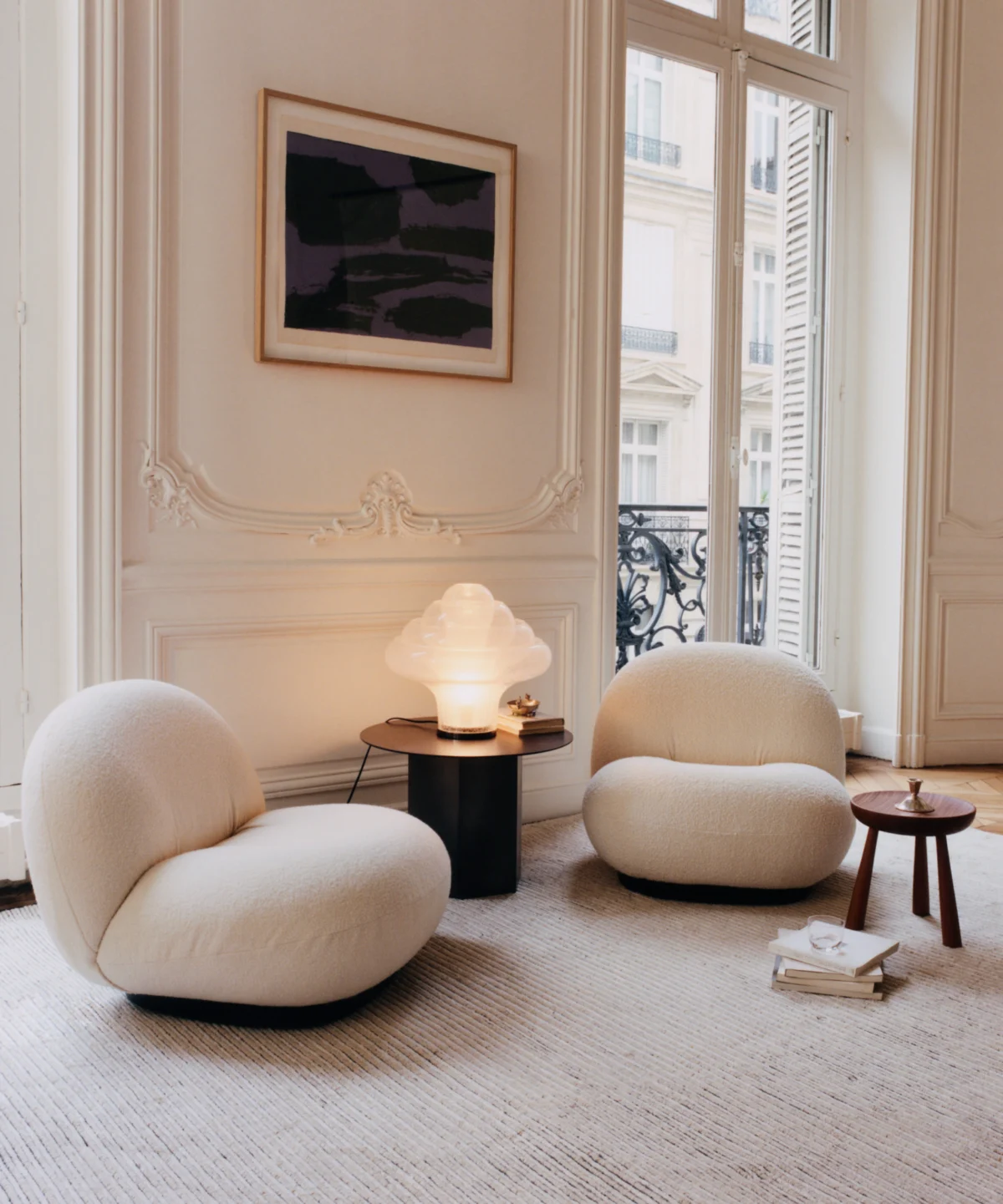
The history of 20th-century Italian lighting design is defined by a delicate balance between tradition and radical experimentation. Among the figures who navigated this intersection with the greatest skill was Carlo Nason, a visionary glassmaker whose 1969 creation, the LT305, is now receiving a global reintroduction. Italian design house Gubi has officially returned this sculptural masterpiece to production, rebranding it as the "Lotus" lamp—a moniker bestowed upon it decades ago by a devoted community of international design collectors. This revival represents more than a commercial relaunch; it serves as a critical preservation of Murano’s glassblowing heritage and a tribute to Nason’s enduring legacy following his passing earlier this year.
The Genesis of a Design Icon
The LT305 lamp first emerged during a period of intense creative ferment in Italy. By the late 1960s, the "Space Age" aesthetic—characterized by fluid, futuristic forms and a fascination with industrial materials—was reshaping the landscape of European interior design. Carlo Nason, born into a prominent family of Murano glassmakers, was uniquely positioned to bridge the gap between ancient artisanal techniques and contemporary avant-garde sensibilities.
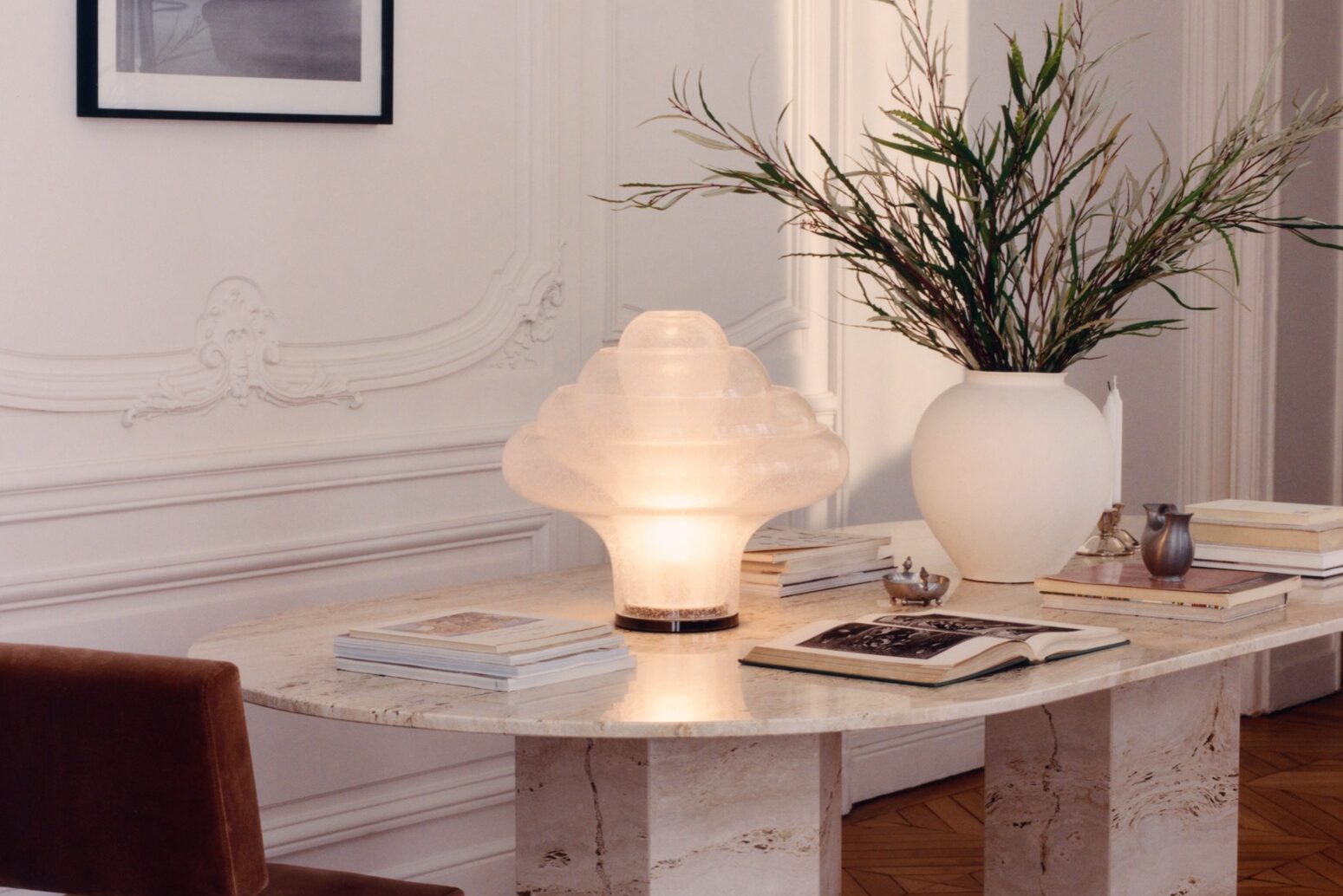
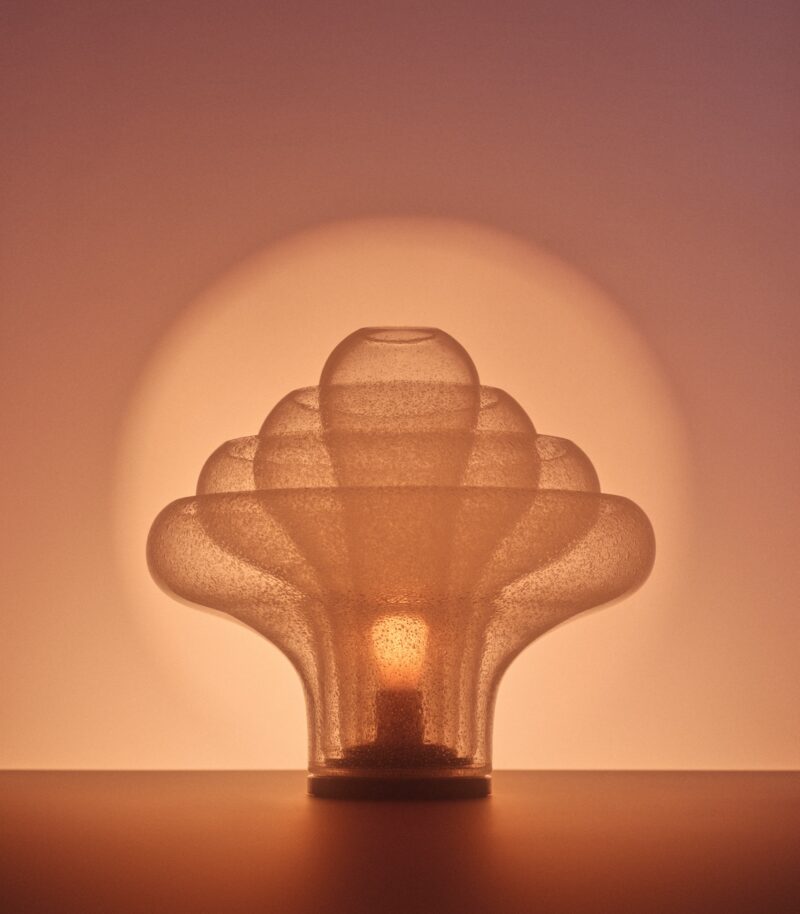
While his ancestors had spent generations perfecting the intricate, decorative glasswork that made the island of Murano world-famous, Nason looked toward the horizon of industrial production. The original 1969 design was an ambitious departure from the ornate, colored glass vessels typically associated with the Venetian archipelago. Instead, Nason conceptualized a light fixture that functioned as a sculptural installation. By utilizing four distinct, mouth-blown shades nested in a concentric arrangement, he created a form that mimicked the organic unfolding of a lotus flower, earning the piece its popular nickname.
A Chronology of the Lotus Lamp
The trajectory of the lamp from its inception to its current status as a collector’s item spans over half a century:
- 1969: Carlo Nason debuts the LT305. The design is hailed for its technical complexity and architectural silhouette.
- Early 1970s: Production of the original model concludes after a limited run, transitioning the lamp into the secondary market and auction circuit.
- 1980s–2010s: The "Lotus" gains a cult following among mid-century modern collectors. It becomes a staple in high-end design catalogs and vintage galleries, where scarcity drives its market value upward.
- 2026: Gubi, after months of coordination with the Nason estate, officially announces the formal reintroduction of the lamp under the name "Lotus."
- Late 2026: The lamp begins its global rollout, marking the first time in over 50 years that the design is available in new, retail-certified condition.
Technical Craftsmanship and the Pulegoso Technique
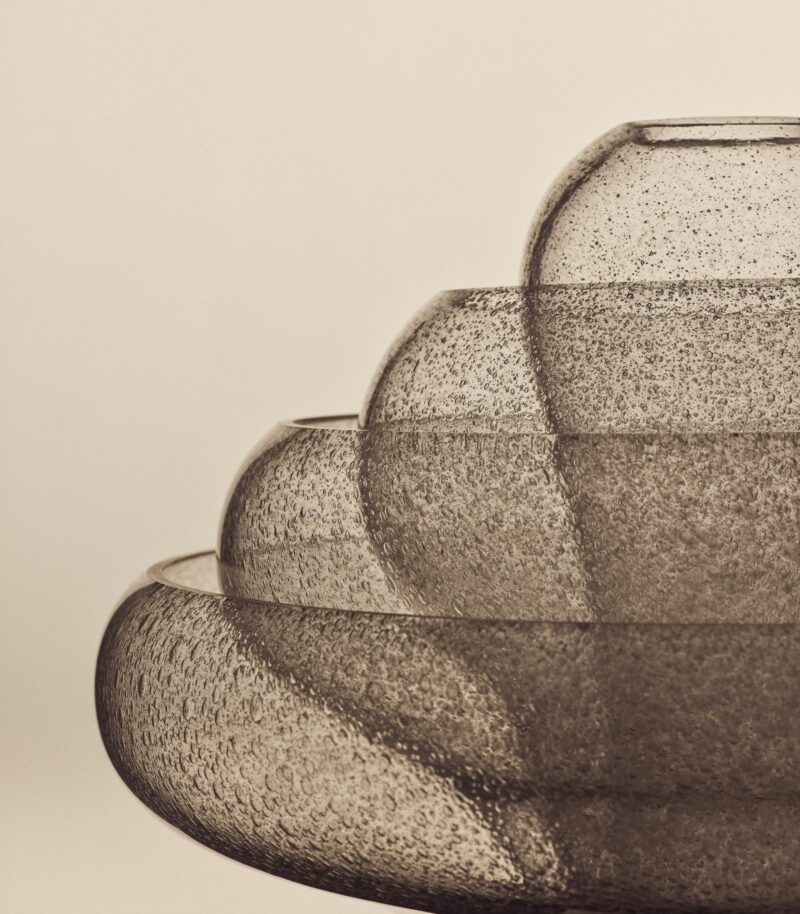
The allure of the Lotus lamp lies not only in its geometry but in the specialized glassmaking techniques required to produce it. The four shades are crafted using the pulegoso method, a process developed in the 1920s by Napoleone Martinuzzi. This technique involves the introduction of chemical agents into the molten glass to create a high density of small air bubbles. The result is a textured, translucent material that effectively diffuses light, eliminating harsh glare and creating a soft, ambient glow that feels almost ethereal.
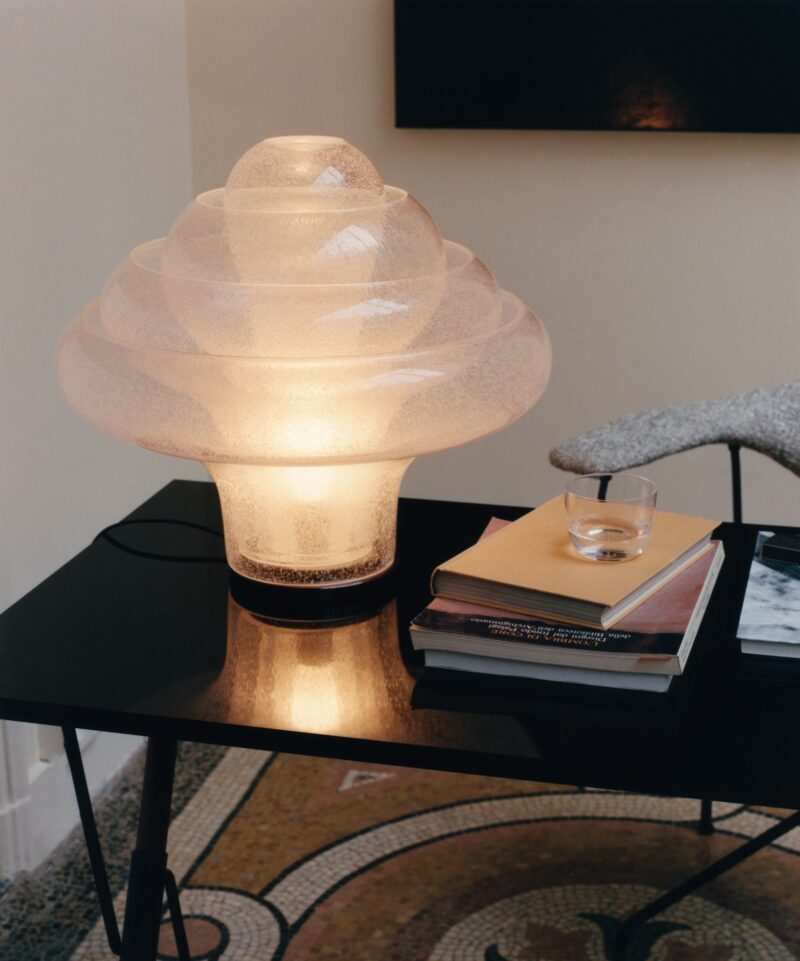
Because the process is entirely manual, each shade possesses subtle variations in bubble distribution and glass thickness. This inherent inconsistency is, according to Gubi CEO Marie Kristine Schmidt, the "soul of the design." Unlike mass-produced acrylic lighting, the Lotus lamp retains a human fingerprint. The juxtaposition of the technical, layered structure with the unpredictable nature of hand-blown glass creates an object that is both an industrial product and a unique work of art.
Modern Refinements and Engineering
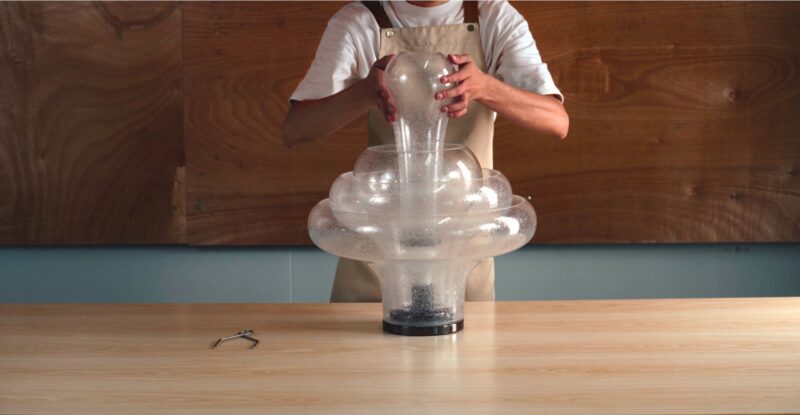
While Gubi’s reissue remains faithful to Nason’s original vision, the company has implemented subtle engineering upgrades to ensure the lamp’s longevity in a modern household. The most significant of these is the overhaul of the steel base. In the original 1969 model, the housing for the socket and the mechanism for securing the glass tiers were functional but lacked the structural robustness required for modern safety standards.
Gubi’s team worked closely with Alberto Nason, the designer’s son, to re-engineer these internal components. The new base offers increased stability and allows for easier disassembly. This modification addresses the primary concern of vintage collectors: the difficulty of cleaning or changing bulbs in the fragile, multi-layered assembly. These improvements are described by Gubi as "discreet," ensuring that the external appearance and light quality remain indistinguishable from the original 1969 prototype.
Official Perspectives and Legacy
The decision to adopt the collector-led name "Lotus" was, according to leadership, an acknowledgement of the lamp’s life in the public imagination. "Collectors had already given the lamp a name that captures the design beautifully," says Schmidt. "The name had become part of the design’s identity and history, and we wanted to respect that."
The involvement of Alberto Nason in the re-production process provided an emotional and historical tether to the past. Following his father’s passing, the project took on the weight of a memorial. For the Nason family, the reissue is a vehicle for democratization; it moves the design from the restricted world of high-priced auction houses into the homes of a wider audience. Alberto Nason noted that the lamp’s "quiet magic" and "tactile presence" are qualities that require sustained observation to fully appreciate, a sentiment that resonates with those who view the lamp as a bridge between the craftsmanship of the 1960s and the interior sensibilities of today.
Market Implications and Contemporary Relevance
The reintroduction of the Lotus lamp arrives at a time when the market for "vintage-inspired" lighting is surging. Data from leading auction houses indicate that mid-century Murano glass has seen a consistent increase in valuation over the past decade, with lamps by Nason, Venini, and Seguso consistently outperforming market projections.

By bringing the Lotus back into production, Gubi is capitalizing on this demand while also challenging the "disposable" nature of modern lighting. The lamp’s design is inherently anti-trend; it does not rely on ephemeral colors or textures but on the interplay of light and shadow, which is timeless. The implications for the brand are clear: by securing the rights to historical designs and updating them for contemporary use, Gubi strengthens its position as a custodian of 20th-century design heritage.
As the Lotus lamp returns to global retail showrooms, it does so as a testament to the idea that true innovation—when rooted in craftsmanship—does not age. The lamp stands today as it did in 1969: a challenging, layered, and luminous exploration of what glass can do when shaped by a master’s hand. For enthusiasts of design history, the return of the Lotus is not merely a purchase; it is an opportunity to participate in the legacy of a man who, in his own words, sought to turn light into a material unto itself.