 Indra Kusuma
Since its commercial debut in 1962, the Barbie DreamHouse has functioned as more than just a plastic plaything; it has served as an architectural blueprint for generations of young designers, fostering a fascination with interior aesthetics, spatial organization, and self-expression. For over six decades, the toy has evolved alongside real-world design trends, mirroring shifts from mid-century modernism to the vibrant, maximalist palettes of the current era. Today, that legacy of imaginative design enters a new, technologically advanced chapter through a strategic collaboration between Mattel and Pinterest, which utilizes generative AI to allow users to translate the DreamHouse aesthetic into their own physical living spaces.
The Technological Leap: How Restyle Works
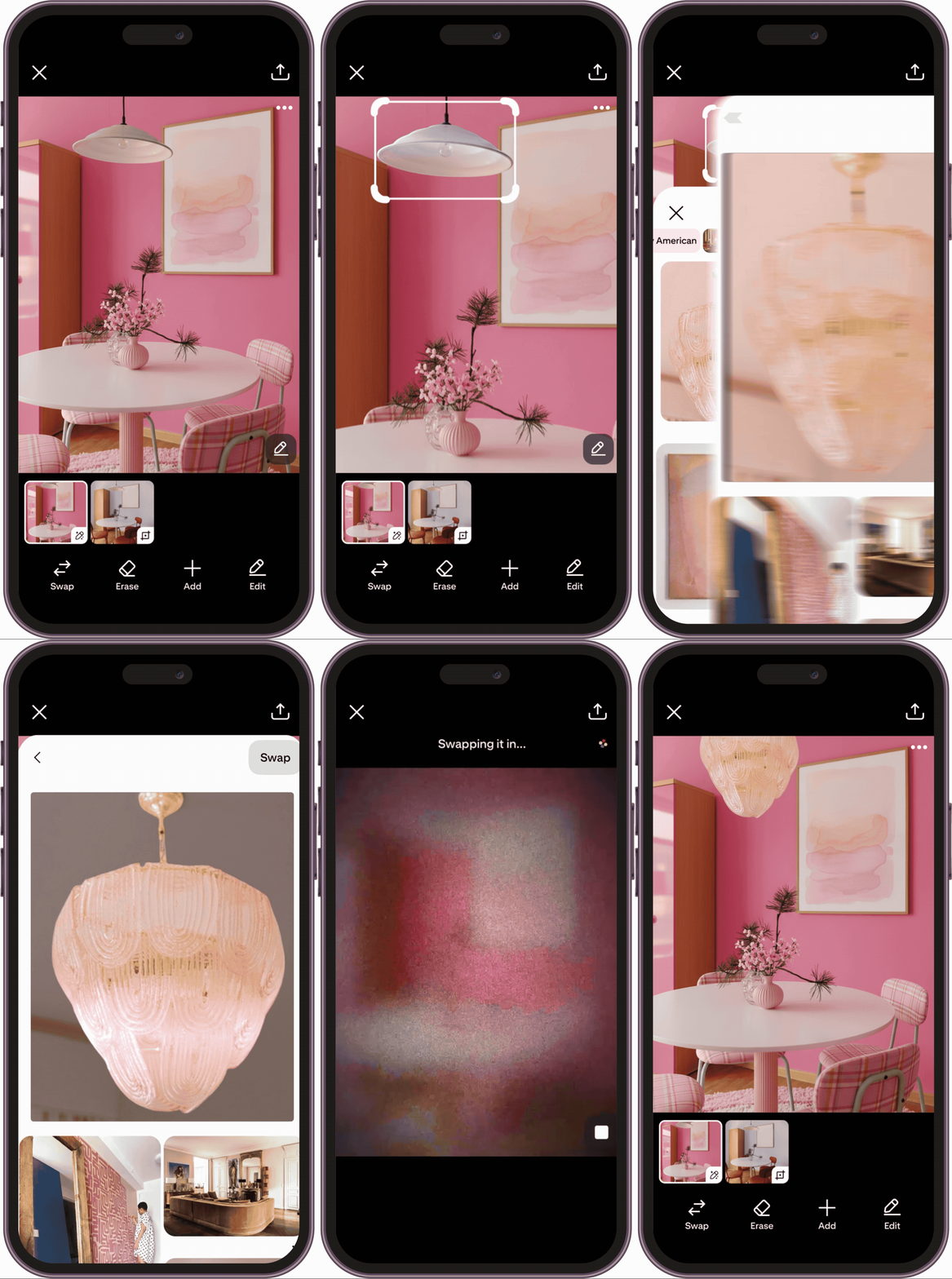
Launched in beta testing last month, the Pinterest Restyle tool represents a significant advancement in consumer-facing augmented reality and generative design. The technology allows users to upload a photograph of a room in their current home and apply specific, AI-generated design filters. Unlike traditional static design inspiration boards that have long defined the Pinterest user experience, Restyle actively modifies the user’s personal environment.
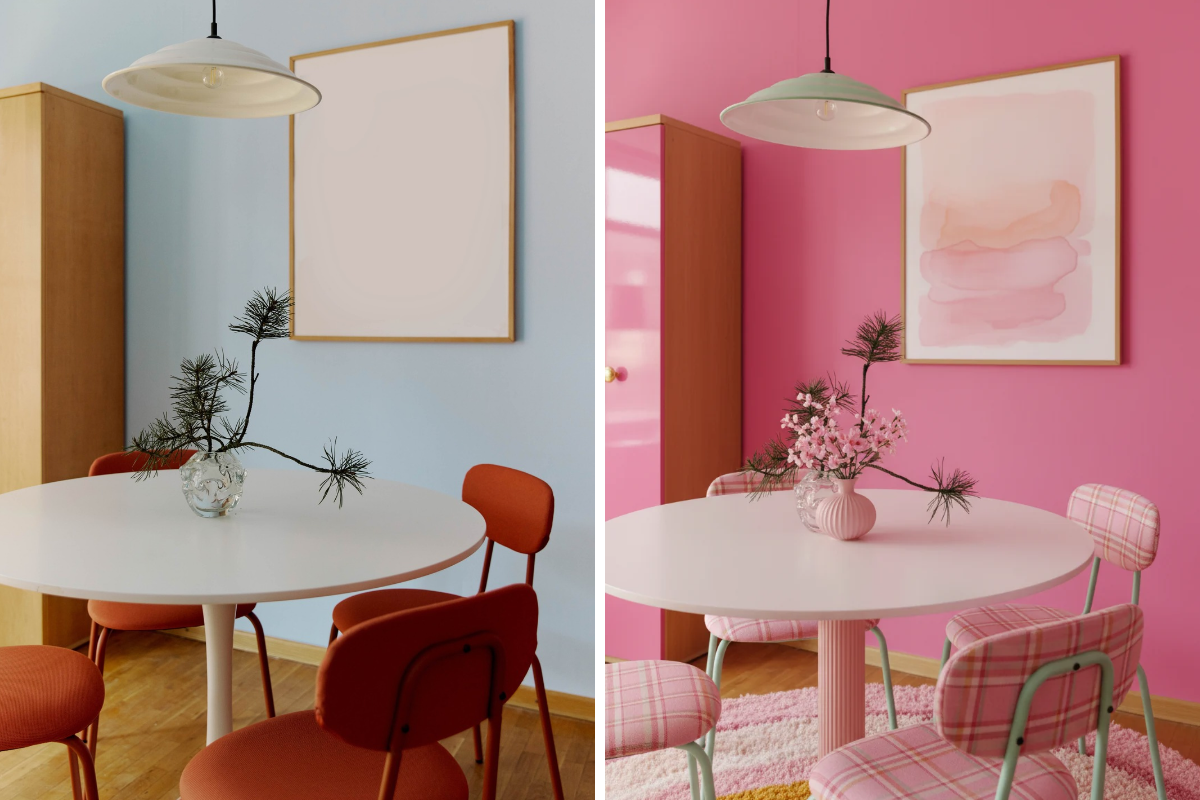
The tool leverages Pinterest’s massive database of visual information, utilizing machine learning to identify furniture, walls, and flooring within a user-uploaded image. It then overlays new textures, color palettes, and structural themes based on the chosen Barbie-inspired aesthetic. This process is not merely a digital filter; it is an analytical redesign that respects the dimensions and perspective of the original photograph. Once the AI has rendered a new version of the space, users can further refine the output by removing existing objects or using text prompts to swap out specific furniture pieces or decor elements, effectively acting as an interactive interior design consultant.
A Chronology of the Barbie DreamHouse Evolution
The DreamHouse has undergone numerous iterations since the 1960s, reflecting the changing cultural status of women and the evolution of domestic design.
- 1962: The original DreamHouse was released as a foldable cardboard studio, emphasizing portability and the mid-century obsession with compact, efficient living.
- 1970s–1980s: As the toy evolved into larger, multi-story plastic structures, it began incorporating more elaborate furniture, reflecting the rise of suburban luxury and the trend of "more is more."
- 1990s–2010s: The house became increasingly modular, incorporating electronic features and high-tech appliances that mirrored the real-world trend of "smart homes."
- 2023–2024: Following the massive cultural impact of the Barbie feature film, the brand pivoted toward "Barbiecore," a design movement characterized by intense pink hues, high-gloss finishes, and playful, nostalgic maximalism.
- 2026: The collaboration with Pinterest marks the transition of the DreamHouse from a physical toy or film set to a digital tool for real-world home renovation and personal design application.
The Data Behind the Pink Phenomenon
The partnership between Mattel and Pinterest is backed by significant user engagement metrics that indicate a sustained public interest in the "Barbie aesthetic." According to internal Pinterest search data, the cultural appetite for these themes has reached unprecedented levels. The term "Barbie DreamHouse aesthetic" has seen a 72% increase in search volume over the past year.
More broadly, the "Barbiecore" trend has fundamentally altered consumer shopping habits in the home decor sector. Pinterest reports that searches for "pink apartment ideas" have surged by 224%, while interest in "pink dorm aesthetics" has risen by 120%. These figures suggest that the influence of the Barbie brand has transcended its demographic of young children, finding a significant audience among Gen Z and millennial renters and homeowners who are seeking to infuse their spaces with bold color and nostalgic design elements. The data highlights a shift in home decor away from the "greige" minimalism that dominated the 2010s toward a more vibrant, expressive, and personalized design language.
Designing the Five Pillars of DreamHouse Aesthetics
The collaboration introduces five specific design styles, each curated to offer a unique interpretation of the Barbie universe. These styles are designed to demonstrate the versatility of the Restyle tool:
- Mid-Century Americana: This style leans into the retro-modern roots of the original 1962 DreamHouse, focusing on clean lines, walnut wood accents, and pops of primary colors.
- Chalet Chic: A departure from the standard pink, this style focuses on warmth, wood-paneled textures, and cozy, alpine-inspired furnishings that reflect Barbie’s various travel-themed iterations.
- Superstar Glam: The quintessential "Barbie" look, characterized by high-gloss surfaces, crystal lighting fixtures, and a unapologetic commitment to various shades of pink.
- Victorian Romance: Inspired by the ornate, classic DreamHouse iterations, this aesthetic incorporates floral patterns, velvet textures, and vintage-style furniture pieces.
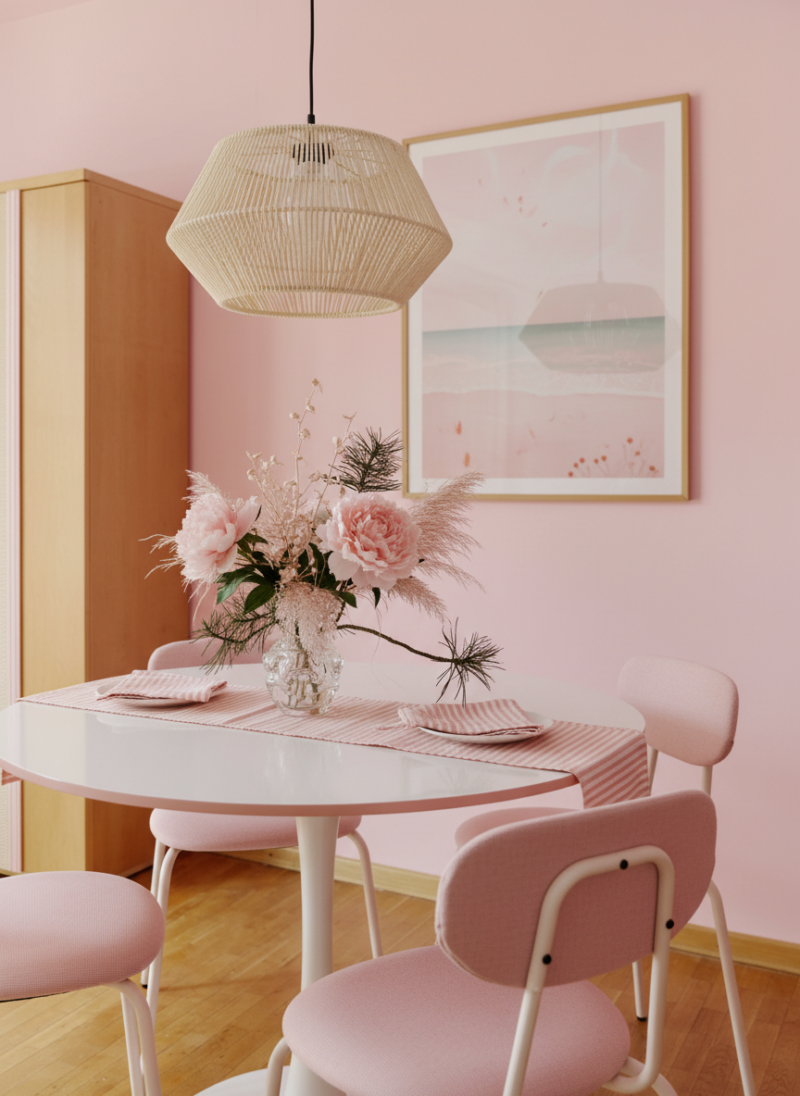
- Modern Coastal: A contemporary, relaxed aesthetic that translates Barbie’s "beach house" identity into a sleek, airy, and light-filled living space.
Official Perspectives on the Integration
Sara Pollack, VP of Global Head of Consumer Marketing at Pinterest, emphasizes that the primary goal of this initiative is to bridge the gap between "inspiration" and "implementation."
"People come to Pinterest with a vision for how they want their spaces to look and feel, but it’s not always easy to imagine how those ideas will translate into their own homes," Pollack noted. "With Restyle, we’re helping bridge that gap by giving people a way to experiment with different design styles, see how furniture, colors, and decor work together in their actual space, and discover products that bring their vision to life."
From the perspective of brand marketing, the collaboration serves as a sophisticated customer acquisition strategy. By embedding the Barbie brand into the functional, everyday utility of home improvement, Mattel is ensuring that the brand remains relevant to an adult audience that is actively spending money on interior decor.
Broader Implications for the Interior Design Industry
The implications of this collaboration for the wider interior design and home improvement industry are significant. As AI-powered visual tools become more accessible, the barrier to entry for professional-grade design experimentation is lowering.
Analysts suggest that this trend could fundamentally shift the retail experience. If consumers can visualize how a specific piece of furniture or a paint color looks in their home using an AI-generated rendering, the likelihood of purchase increases, and the incidence of product returns may decrease. Furthermore, the ability to "shop the look" directly from a virtual render suggests a future where social media platforms function as decentralized, AI-driven marketplaces.
However, some design professionals caution that while these tools provide excellent visual inspiration, they cannot replace the technical expertise of interior designers regarding structural integrity, lighting physics, or ergonomics. The consensus among market observers is that tools like Pinterest Restyle serve as an excellent "top-of-funnel" experience that guides consumers toward their aesthetic preferences, even if the final execution requires professional guidance.
Expanding the Experience: The Barbie Truck Tour
To further integrate the digital experience with physical reality, the collaboration is being supported by an experiential marketing campaign. A 26-foot-long pink Barbie truck is currently touring the United States, with scheduled stops in major metropolitan hubs including New York City, Dallas, and Los Angeles throughout October and November.

This mobile installation serves as a tangible touchpoint for the brand. Visitors are invited to step inside the truck to test the Pinterest Restyle tool on specialized tablets, explore interactive displays of the five design aesthetics, and participate in brand-exclusive giveaways. This omnichannel approach—combining AI technology, digital search data, and physical pop-up events—represents the modern gold standard for brand engagement, effectively moving a consumer from a "scroll" to a "click" and, finally, to an in-person brand interaction.
As the beta testing phase continues, the success of the Pinterest and Barbie collaboration will likely be measured by the conversion rates of users who move from using the Restyle tool to purchasing home decor items. If the high levels of search interest in pink-toned living spaces translate into sustained retail growth, it is highly probable that more lifestyle brands will seek to partner with AI-driven visual platforms to bring their products into the homes—both real and virtual—of their global consumer base.