 Indra Kusuma
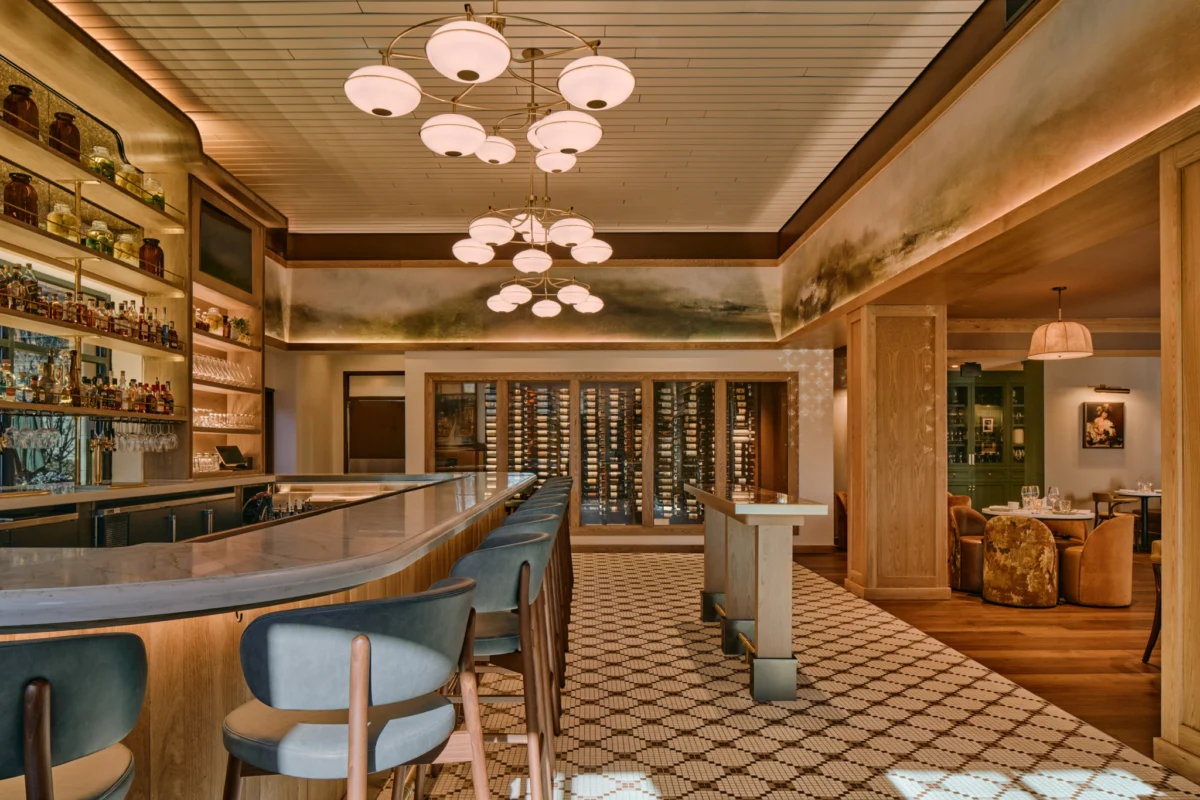
In the rapidly expanding culinary landscape of Charlotte, North Carolina, a significant architectural and gastronomic transformation has taken root. Napa Bistro and Wine Bar Stonecrest, a 6,500-square-foot establishment, has officially opened its doors, signaling a shift in how the city integrates historical narrative with contemporary interior design. The project, led by the design firm FictionWorks in collaboration with architecture firm In Situ Studio, serves as a bridge between the rustic elegance of Northern California’s wine country and the refined utility of a classic Parisian bistro. By repurposing a former taco restaurant into a sophisticated, multi-room wine destination, the project team has created a case study in strategic interior renovation and adaptive reuse.
The Historical Catalyst: The 1976 Paris Wine Tasting
The conceptual foundation of the restaurant is rooted in one of the most transformative moments in viticulture history: the 1976 Paris Wine Tasting, colloquially known as the "Judgment of Paris." This event, organized by British wine merchant Steven Spurrier, saw California wines—specifically those from the Napa Valley—outperform prestigious French vintages in a blind tasting competition.

For the ownership group, Napa Restaurant Group, this historical milestone serves as more than just a thematic inspiration; it acts as a guiding philosophy. The event famously dismantled the long-standing assumption that high-quality wine was the exclusive domain of traditional European regions. By embedding this narrative into the design, the restaurant aims to challenge local perceptions of the casual dining experience, positioning itself as a venue where high-end viticulture and approachable, everyday hospitality coexist.
Chronology of a Transformation
The transition from a high-volume, casual dining space to a premium bistro was executed under a compressed nine-month timeline. This rapid turnaround required a highly disciplined approach to project management and design hierarchy.
The renovation began with a complete reassessment of the existing floor plan. The former structure, characterized by a flat, open-concept layout common in fast-casual dining, presented a significant obstacle to creating the "intimate vignettes" required for a wine-focused establishment. FictionWorks utilized a strategy of spatial layering to divide the massive 6,500-square-foot footprint into a series of interconnected, distinct rooms.

This architectural intervention allowed for a variation in atmosphere, ranging from the lively, high-energy environment of the bar to the secluded, quiet corners of the dining rooms. The physical construction included the installation of a curved, vaulted ceiling system designed by Baswa Acoustics. Beyond its aesthetic contribution, this feature was engineered to address a primary challenge in high-occupancy restaurants: acoustic management. By softening the ambient noise, the ceiling system ensures that the space retains a level of intimacy despite the restaurant’s large footprint.
Strategic Design and Materiality
FictionWorks founders Andrea De Camps and Olivia King employed a "high-impact, high-utility" budgeting strategy. Recognizing that a comprehensive renovation of an existing site requires significant capital, the team prioritized investments where they would yield the highest return in guest experience.
The centerpiece of this strategy is the custom stained-glass installation, crafted from hand-blown glass rondels. The design of the glass specifically references the "punt"—the indentation found at the bottom of a wine bottle—linking the physical materiality of the restaurant to its thematic focus. This, paired with custom millwork and curated lighting, creates a visual language of refinement. Conversely, the team opted for more utilitarian choices for secondary elements, such as standard tabletops and robust mosaic flooring from Daltile’s Keystone collection, to ensure durability and ease of maintenance in a high-traffic environment.

The color palette reinforces the connection to both the California landscape and the French bistro tradition. Deep, verdant greens represent the Napa Valley vineyards, while warm wood tones and bronze accents provide the nostalgic, grounded feeling of 1970s interior design. This palette is designed to age gracefully, avoiding the pitfalls of trendy, short-lived aesthetics.
Economic and Urban Context
Charlotte remains one of the fastest-growing metropolitan areas in the United States. According to U.S. Census Bureau data, the city has experienced sustained population growth for over a decade, which has historically driven a surge in luxury hospitality and commercial development.
The choice of the Stonecrest location for this project is notable. As Charlotte’s urban core densifies, suburban mixed-use developments are increasingly competing to provide the same level of architectural sophistication found in the city center. The investment in Napa Bistro and Wine Bar serves as a bellwether for this trend. By bringing high-concept design to a suburban retail context, the developers are betting on a demographic shift—a local clientele that is increasingly seeking the "sense of occasion" described by the design team.

Professional Perspectives on the Design
Industry analysts suggest that the success of such projects hinges on the ability to balance thematic storytelling with operational efficiency. In the case of Napa Bistro, the incorporation of local art from Charlotte-based creatives alongside digital artwork by California-based Julia Crane creates a dialogue between the restaurant’s concept and its physical location.
"The goal was to create a restaurant that feels approachable enough for a casual weeknight dinner while offering the sense of occasion people look for when celebrating," noted De Camps. This dual-purpose design is increasingly popular in post-pandemic hospitality, where consumers prioritize environments that offer both psychological comfort and a sense of escape.
Implications for Future Developments
The project offers several key takeaways for developers and interior designers working within the current economic climate. First, the success of the renovation highlights the viability of adaptive reuse in the restaurant sector. Rather than demolishing existing structures, the team demonstrated that intelligent spatial reconfiguration can provide a more cost-effective and sustainable path to creating a high-end atmosphere.

Second, the use of acoustics and lighting as primary design tools—rather than mere afterthoughts—is a growing standard in high-end hospitality. The inclusion of the Baswa Acoustics ceiling system is a direct response to the demand for spaces where conversation is prioritized.
Finally, the project illustrates the importance of a clear "design hierarchy." By concentrating the budget on specific, high-visibility elements, the design team was able to maintain a premium feel without inflating the total cost of construction. This methodical approach is likely to serve as a model for future restaurant renovations in rapidly developing cities where real estate costs and construction timelines are significant constraints.
Conclusion: A Legacy Reimagined
Napa Bistro and Wine Bar Stonecrest does not merely occupy a space; it attempts to curate a memory of a historical event through the medium of design. By merging the verdant, earthy tones of Napa with the structured, urban elegance of Paris, the restaurant provides a physical space that honors the 1976 "Judgment of Paris."

As Charlotte continues to evolve, the project stands as an example of how architecture can define the character of a neighborhood. Through the strategic use of light, sound, and material, the team at FictionWorks has succeeded in creating a venue that invites patrons to move beyond the transaction of a meal and into a broader appreciation of the history and craftsmanship that defines the world of wine. Whether the restaurant will set a new standard for suburban fine dining remains to be seen, but its commitment to a cohesive narrative and intentional design has already distinguished it within the competitive Charlotte hospitality market.