
 Indra Kusuma
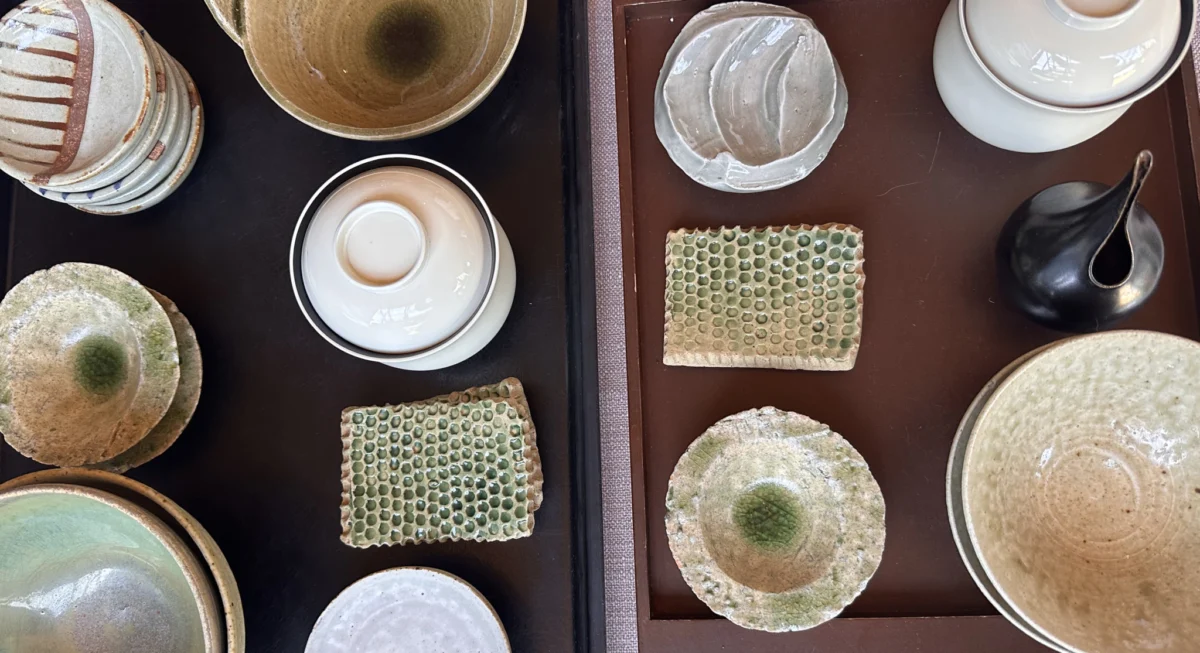
The second annual FieldNotes summit at SingleThread Farm in Dry Creek Valley, California, served as a convergence point for the intersection of traditional craftsmanship, agricultural stewardship, and the evolving philosophy of modern hospitality. Hosted by Katina and Kyle Connaughton, the event brought together an assembly of chefs, viticulturists, and artisans to explore the systemic connections between land, raw ingredients, and the culinary rituals that bind them. This year’s summit highlighted not only the expansion of the SingleThread brand but also the fundamental role of ancient cooking vessels in shaping the contemporary dining experience.
A Decade of Agricultural and Culinary Integration
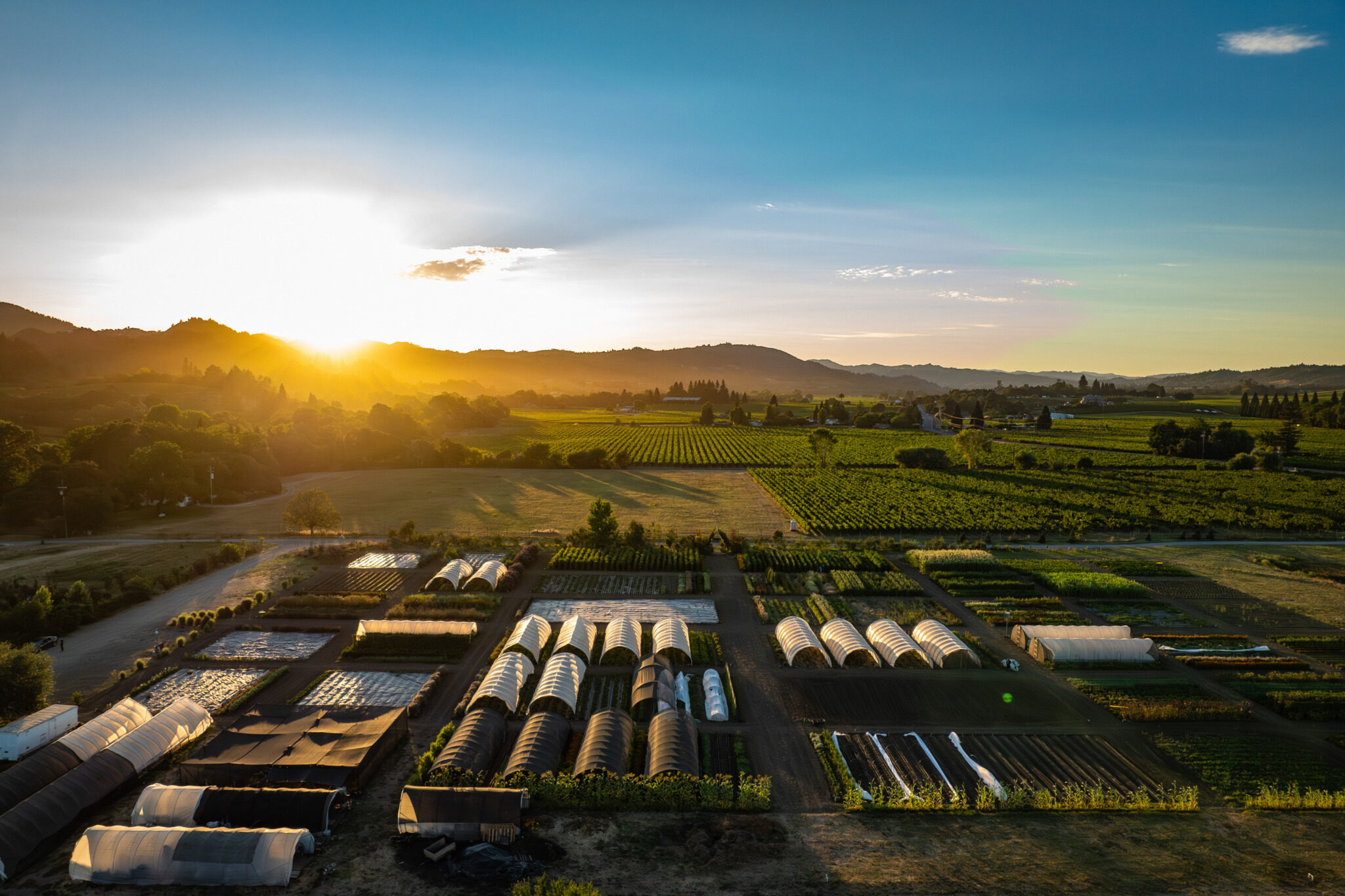
For nearly ten years, SingleThread has operated as a multifaceted hospitality ecosystem in Northern California. Founded by Katina and Kyle Connaughton, the organization encompasses a three-Michelin-starred restaurant in Healdsburg, a luxury boutique inn, and a 24-acre regenerative farm. The operation, co-owned with Tony Greenberg, has functioned as a testing ground for integrated hospitality, where the supply chain—from the soil to the plate—is managed internally to ensure complete transparency and quality control.
The Connaughtons’ influence is currently undergoing a period of significant international and domestic expansion. In March 2026, the group launched SoNoMa by SingleThread within the Capella Kyoto in Japan, marking their first venture outside the United States. This international expansion is complemented by the impending release of their book, SingleThread: A Seasonal Approach to Intentional Cooking, Farming, and Hospitality, and the opening of The Selvedge, a new bed and breakfast property developed in partnership with the design firm AvroKO. The Selvedge represents a shift toward a more nuanced aesthetic, blending Victorian architecture with contemporary California sensibilities and a distinctive punk-inspired design ethos.
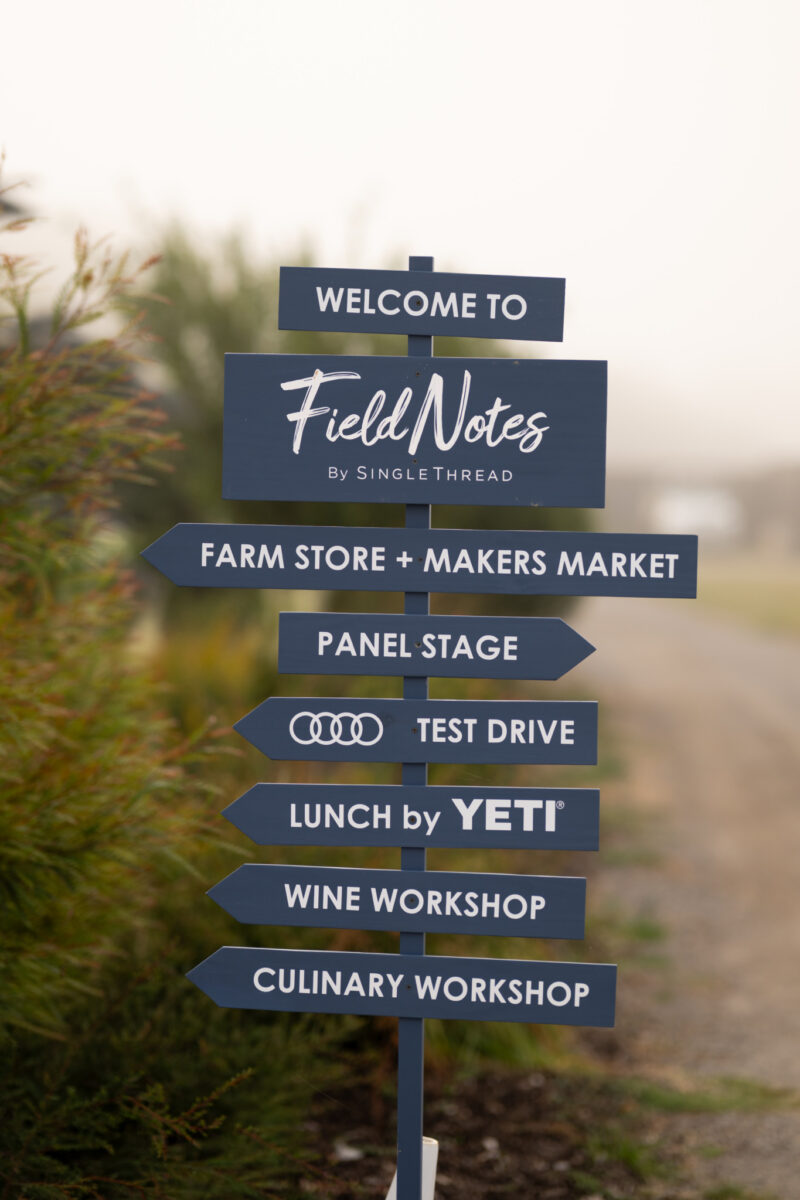
The FieldNotes Summit: An Empirical Approach to Craft
FieldNotes was conceived as an annual forum to facilitate technical knowledge exchange within the food and beverage industry. Unlike traditional food festivals, the event prioritizes workshops that address the "why" and "how" of culinary technique.
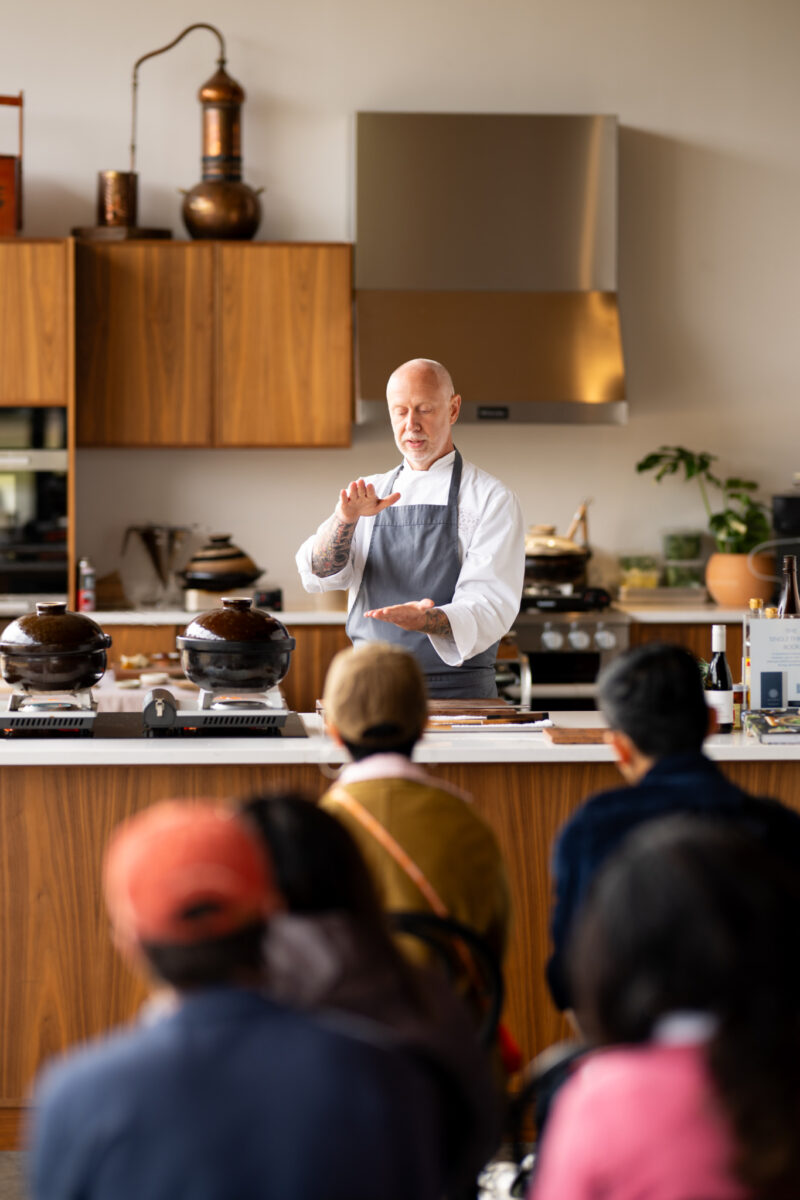
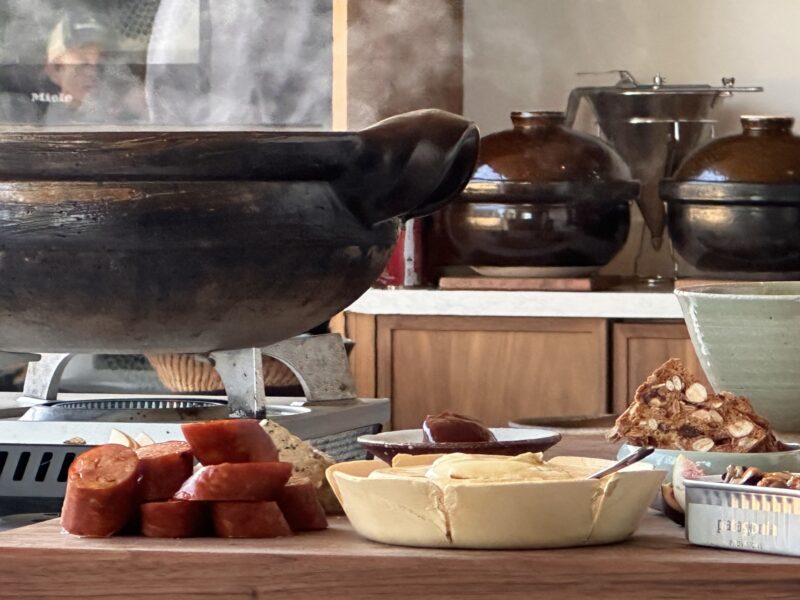
The morning session was anchored by an "Advanced Donabe: Smoke, Fire & Seasonal Technique" workshop. The session underscored the significance of the donabe, a traditional Japanese earthenware pot, as a tool for sustainable and efficient cooking. Chef Kyle Connaughton, drawing on decades of experience in Japan—including a formative period in Hokkaido—posited that the vessel is a critical component of "temporal design" in eating.
The technical focus of the workshop centered on the clay’s unique properties. The pots sourced from Iga, Japan, are manufactured by the Nagatani-en family, who have operated since 1832. The Iga region’s clay contains high concentrations of fossilized organic material, which, when fired, creates a porous structure. This porosity allows for exceptional thermal retention and even heat distribution, facilitating a cooking process that is both gentle and intensive. Data from the workshop demonstrated that the donabe’s ability to trap moisture and smoke allows for complex flavor development without the need for excessive fats or high-intensity energy consumption.
Historical Context and Culinary Methodology
The workshop’s emphasis on Japanese technique was framed by the legacy of Yoshio Tsuchiya, whose book The Fine Art of Japanese Food Arranging serves as a cornerstone of the SingleThread training curriculum. This reverence for historical methodology is not merely aesthetic; it is a pedagogical tool used to standardize the level of technical precision required by the kitchen staff.
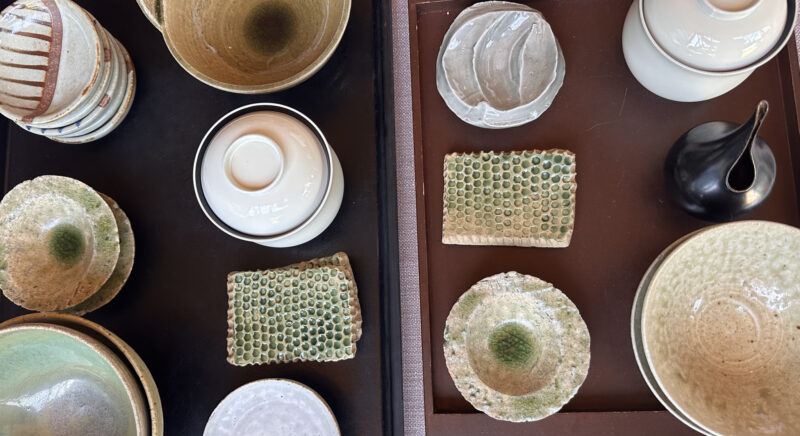
The collaboration between Kyle Connaughton and Naoko Takei Moore, founder of Toiro, has been instrumental in introducing authentic Iga-yaki to the American market. Their joint project, Donabe: Classic and Modern Japanese Clay Pot Cooking, serves as the definitive reference for the practice. During the demonstration, Connaughton and project chef Alex Fuentes utilized a variety of donabe, including the Ibushi Gin smoker, to prepare ingredients ranging from local mushrooms to Journeyman Meat Co. sausages.
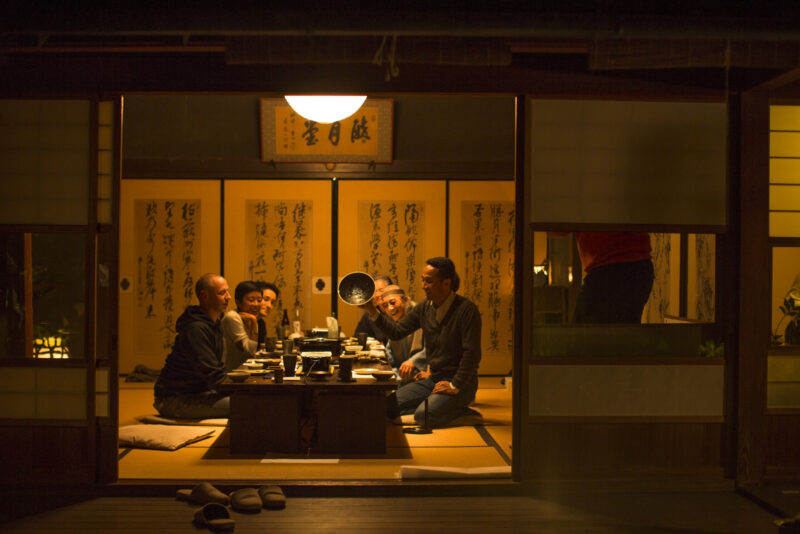
The methodology demonstrated that the vessel acts as a catalyst for social engagement. By placing a smoking donabe at the center of a communal setting, the act of cooking becomes a performance. The "reveal"—the moment the lid is lifted to release trapped smoke—serves as a sensory signal that enhances the diner’s anticipation.
Expanding the Scope of Traditional Tools
The workshop also addressed the versatility of the donabe in modern, non-traditional contexts. By utilizing a "water-seal" technique—pouring water around the rim of the pot—the chefs demonstrated the ability to create a high-pressure, smokey environment for ingredients such as Camembert and tinned seafood.
This approach aligns with current trends in "intentional cooking," where chefs are increasingly returning to low-energy, high-efficiency tools to reduce the environmental footprint of their operations. The integration of local ingredients—such as DuClair ducks, raised specifically for the restaurant by a local farmer—into a traditional Japanese hot pot (nabe) format illustrates the potential for cross-cultural synthesis in the culinary arts.
Broader Economic and Cultural Implications
The afternoon keynote, featuring Alon and Emily Shaya alongside the Connaughtons, addressed the broader implications of hospitality in a post-pandemic landscape. The discussion focused on the necessity of "place-making"—the process of ensuring that a restaurant or hotel reflects its physical and cultural environment.
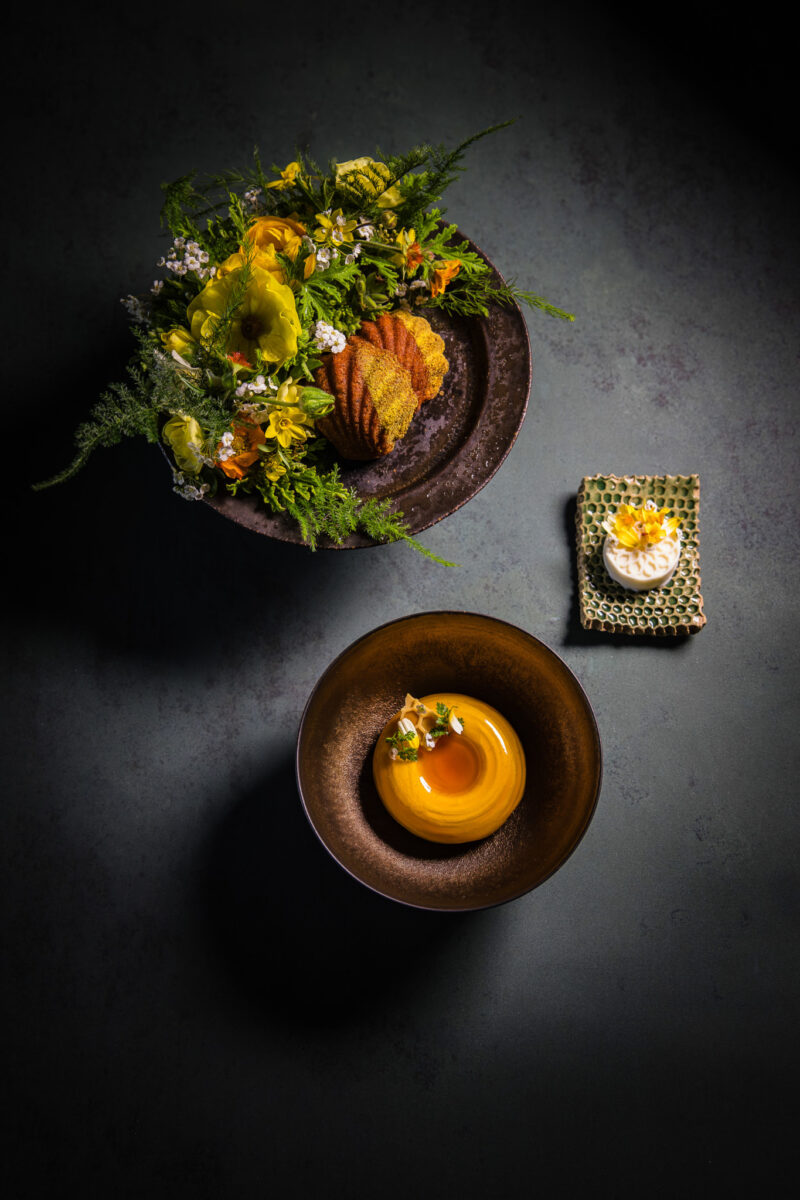
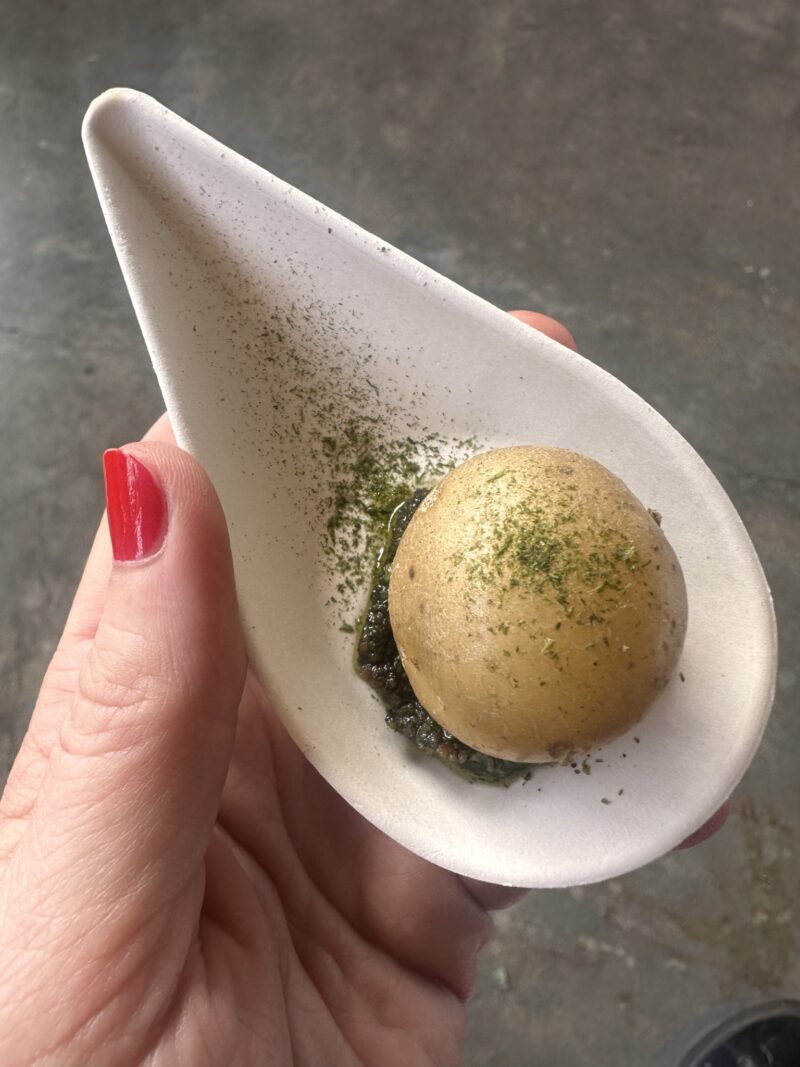
The day concluded with a 10-course collaborative dinner between the SingleThread team and Chef Brian Limoges of Enclos. The menu functioned as a data-driven narrative of Northern California’s current harvest. By pairing local products with techniques refined through the use of donabe and other traditional tools, the dinner served as a practical application of the summit’s core philosophy: that the future of luxury hospitality lies in the preservation of craft and the deepening of connections to local producers.
Impact Analysis
The success of the FieldNotes summit suggests a shift in the culinary industry toward a more educational model of consumer engagement. As high-end dining faces increased scrutiny regarding sustainability and labor practices, operations like SingleThread are pivoting toward a model that emphasizes longevity, the professional development of staff, and the education of the diner.
The widespread adoption of the donabe as a domestic cooking vessel, facilitated by the increased availability of high-quality imports, indicates that the techniques taught at the farm are finding resonance in home kitchens. By demystifying the "theater" of the donabe, the Connaughtons and their collaborators are effectively standardizing a method of cooking that is inherently slower, more collaborative, and more reflective of seasonal cycles.
As the industry looks toward 2027, the focus on "intentionality"—the deliberate choice of tools, ingredients, and pedagogical methods—will likely remain a defining characteristic of top-tier hospitality. The integration of ancient clay-pot technology into the modern fine-dining kitchen is not a regression, but rather a strategic adaptation designed to prioritize flavor integrity and the social ritual of communal consumption.