Angie Faith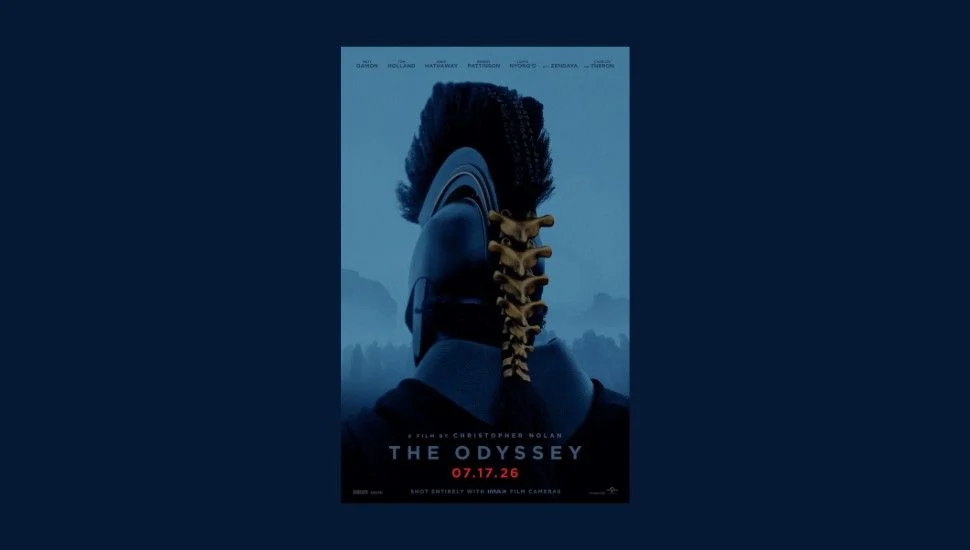
The recent cinematic release of Christopher Nolan’s highly anticipated adaptation of The Odyssey has ignited a significant cultural moment, drawing audiences back to the foundational epic poem of Homer and, more broadly, to the rich tapestry of mythological retellings and diverse literary traditions. Early critical reception and audience engagement suggest the film has not only captivated viewers with its epic scope and thematic depth but has also fostered a renewed appreciation for literature that explores themes of journeys, fate, divine intervention, and the complexities of human responsibility. This cultural phenomenon has spurred widespread discussions online and offline, prompting a surge in demand for related reading material and highlighting the enduring power of ancient narratives in contemporary society.
Nolan’s Vision: A Blockbuster Reimagining of an Ancient Epic
Christopher Nolan, known for his ambitious and intellectually stimulating filmmaking, has reportedly tackled Homer’s seminal work with his characteristic flair for grand scale and intricate plotting. While specific details of the film’s narrative approach and visual execution remain under wraps until wider release, the very announcement of a Nolan-directed Odyssey generated considerable excitement. The source material, believed to have been composed in the 8th century BCE, chronicles the arduous ten-year journey of the Greek hero Odysseus as he attempts to return home to Ithaca after the Trojan War. His voyage is fraught with peril, encountering mythical creatures, vengeful gods, and the alluring temptations of supernatural beings. The poem’s enduring appeal lies in its exploration of themes that resonate across millennia: the human struggle against overwhelming odds, the yearning for home, the consequences of hubris, and the intricate relationship between mortals and the divine.
The film’s potential impact on public consciousness is significant. Historically, major cinematic adaptations of classic literature have often led to a measurable increase in book sales and scholarly interest. For instance, the Peter Jackson trilogy of The Lord of the Rings revitalized interest in J.R.R. Tolkien’s works, and the Harry Potter film series propelled a generation of young readers to embrace literature. Nolan’s The Odyssey is poised to have a similar effect, potentially introducing a new generation to the complexities of Homeric epic and inspiring further engagement with the broader mythological landscape.

Beyond the Greeks: Celebrating Diverse Mythological Narratives
While the immediate focus of post-film discussions naturally gravitates towards Homer and classical Greek mythology, a crucial aspect of this cultural moment is the burgeoning interest in a wider array of mythological and folklore retellings. This includes works by authors from diverse cultural backgrounds, particularly those within the Latine literary sphere, who are offering fresh perspectives on ancient stories and crafting new myths inspired by their own heritage.
This expansion of focus is vital. For too long, Western literary canons have disproportionately emphasized Greco-Roman traditions, often overshadowing equally rich and complex storytelling traditions from other parts of the world. The current cultural conversation, amplified by the success of Nolan’s film, presents an opportune moment to highlight these underrepresented narratives. This is not a dismissal of the classical epics, but rather an acknowledgement that the human experience, with its inherent themes of heroism, struggle, love, and loss, is universally expressed across cultures and throughout history.
Latine Voices Reimagining Myth and Folklore
Several contemporary Latine authors are at the forefront of this literary movement, weaving compelling narratives that draw from Latin American folklore, history, and mythology. These works offer readers a chance to engage with stories that are both familiar in their universal themes and distinct in their cultural context.
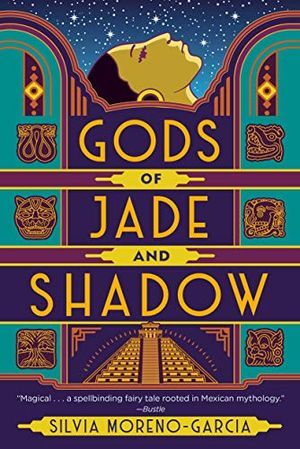
Silvia Moreno-Garcia’s Gods of Jade and Shadow
One prominent example is Silvia Moreno-Garcia’s Gods of Jade and Shadow. Set in 1920s Mexico, the novel follows Casiopea Tun, a young woman who inadvertently awakens the Mayan God of Death. Tasked with assisting him in his quest to reclaim his throne from his treacherous brother, Casiopea embarks on a cross-country adventure that immerses the reader in the vibrant and often perilous world of Mayan mythology. The narrative masterfully blends elements of adventure, romance, and folklore, offering a compelling exploration of destiny, divine power, and the agency of individuals caught within grander cosmic struggles. Moreno-Garcia’s work is a testament to the enduring power of ancient Mesoamerican myths and their relevance in contemporary storytelling.
Aiden Thomas’s The Sunbearer Trials
Aiden Thomas’s The Sunbearer Trials, the first book in The Sunbearer Duology, presents a young adult fantasy novel inspired by Mexican folklore and mythology. In a world where demigods must undergo perilous trials to replenish the sun and ward off malevolent Obsidian gods, the stakes are incredibly high. The winner of the trials earns a life of glory, while the loser faces a grim fate. Thomas’s novel offers a vibrant and action-packed narrative that explores themes of sacrifice, identity, and the pressures of divine heritage. Its queer-normative sensibility and incorporation of Mexican mythological elements provide a refreshing take on the demigod trope, resonating with a contemporary audience seeking diverse representation in fantasy literature.
Donna Barba Higuera’s The Last Cuentista

Donna Barba Higuera’s The Last Cuentista, a recipient of the prestigious Newbery Medal, delves into the profound significance of storytelling and oral tradition. In a future where humanity has fled a devastated Earth for a new planet, a cataclysmic event erases the memories of the survivors. Petra, a young girl who cherishes the stories passed down by her grandmother, finds herself as the sole guardian of Earth’s history and culture. Her journey to preserve these narratives highlights the vital role of storytellers in maintaining cultural identity and collective memory. This novel’s exploration of oral traditions directly echoes the function of Homer’s epic poems in ancient societies, emphasizing the power of narrative to connect generations and preserve heritage.
Zoraida Córdova’s Labyrinth Lost
Zoraida Córdova’s Labyrinth Lost, the first installment in the Brooklyn Brujas series, offers a contemporary fantasy rooted in Latinx witchcraft and mythology. The story centers on a reluctant bruja who, in an attempt to escape her magical destiny, unleashes a spell that goes awry, forcing her on a quest to retrieve what she has lost. Her journey takes her to an underworld of sorts, where she confronts her identity, her burgeoning queerness, and her family obligations. The novel beautifully weaves together themes of sisterhood, self-discovery, and familial legacy, showcasing the richness of magical traditions within Latinx communities.
Caro De Robertis’s The Palace of Eros
Caro De Robertis’s The Palace of Eros presents a queer reimagining of the classic Greek myth of Eros and Psyche. In this novel, a nonbinary Eros spirits Psyche away to a hidden palace to shield her from the wrath of the gods, particularly a vengeful Aphrodite. Their clandestine romance blossoms under the cover of night, but the secrecy and eventual doubts sown in Psyche’s heart lead to the inevitable tragic turns characteristic of Greek mythology. De Robertis’s work offers a compelling exploration of love, desire, and divine machinations, reinterpreting ancient archetypes through a modern, inclusive lens.

The Broader Implications of Cultural Resonance
The success of Christopher Nolan’s The Odyssey is more than just a cinematic triumph; it’s a cultural barometer indicating a persistent and perhaps growing appetite for stories that grapple with fundamental human questions. The fact that audiences are turning to Homer’s epic for its thematic depth—questions of fate versus free will, the nature of heroism, the longing for home, and the relationship between humanity and the divine—suggests a desire for narratives that offer both escapism and introspection.
Furthermore, the amplified interest in Latine mythological retellings underscores a broader societal shift towards embracing diverse voices and perspectives. As audiences become more aware of the limitations of a singular narrative focus, the demand for stories that reflect the multiplicity of human experience grows. This trend is not confined to literature; it is evident across film, television, and other artistic mediums. The inclusion of works like those by Moreno-Garcia, Thomas, Higuera, Córdova, and De Robertis in these post-film discussions signifies a maturing literary landscape that values inclusivity and cultural richness.
The cyclical nature of artistic influence is evident here. Ancient epics like The Odyssey provided the foundational archetypes and narratives that have echoed through Western literature for centuries. Contemporary authors, in turn, are engaging with these archetypes, reinterpreting them through their own cultural lenses, and in doing so, creating new traditions and enriching the global literary canon. This process of adaptation, reimagining, and diversification ensures that these timeless stories remain relevant and resonant for new generations of readers and viewers.
The conversations sparked by Nolan’s The Odyssey serve as a powerful reminder that myth and folklore are not static relics of the past but living, evolving traditions. By engaging with these narratives, both ancient and newly crafted, audiences can gain a deeper understanding of human nature, explore diverse cultural perspectives, and celebrate the enduring power of storytelling across the globe. The film’s success, therefore, is not just about bringing an ancient epic to the screen, but about opening doors to a wider world of literature and imagination.