Michael Sholeh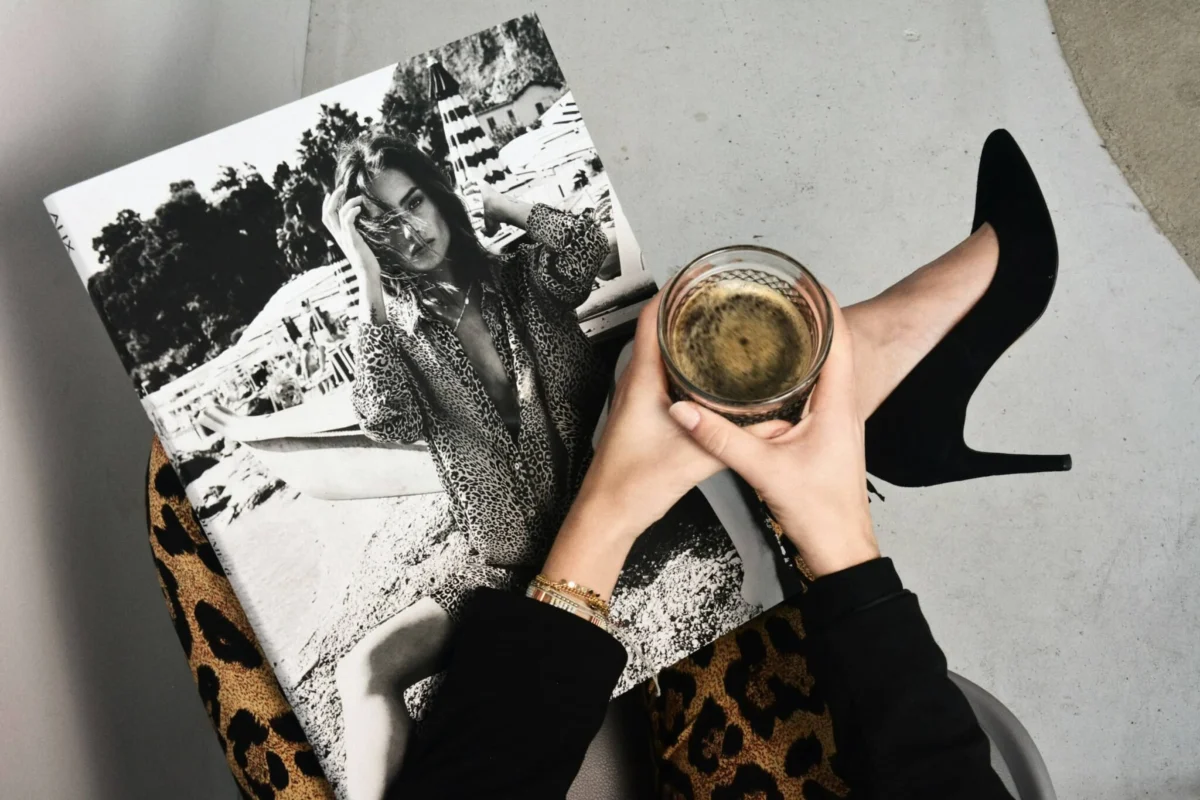
The concept has been popularized by a viral framework identifying six core "luxuries": time, health, a quiet mind, slow mornings, meaningful work, and a home filled with love. Unlike traditional luxury goods, which are manufactured and sold through global supply chains, these six elements represent intangible states of being that require intentional cultivation rather than financial transactions. As global markets continue to push "counterfeit" versions of these luxuries through advertising and social media, sociologists and economists are beginning to study the long-term implications of this shift in consumer values.
The Evolution of Luxury: A Historical Chronology
The definition of luxury has undergone several distinct transformations over the last century. In the early 20th century, luxury was defined by scarcity and craftsmanship—items like bespoke tailoring or hand-built automobiles that were inaccessible to the masses. By the mid-20th century, the rise of the middle class and mass production turned luxury into a signal of upward mobility, where brands became shorthand for social standing.
The 1980s and 1990s saw the "democratization of luxury," where high-end brands began offering entry-level products, such as fragrances and accessories, allowing a broader demographic to participate in the luxury lifestyle. However, this period also marked the beginning of the "hedonic treadmill," a psychological phenomenon where the initial joy of a purchase quickly fades, necessitating more frequent and expensive acquisitions to maintain the same level of satisfaction.
In the post-2008 financial crisis era, a counter-movement began to take root. The rise of minimalism, championed by figures like Joshua Becker of "Becoming Minimalist," began to challenge the correlation between consumption and happiness. This movement gained significant traction during the 2020-2022 global pandemic, a period that forced a worldwide re-evaluation of priorities. With external movements restricted, millions were forced to confront the quality of their "quiet minds" and the atmosphere of their "houses full of love." This period served as a catalyst, accelerating the transition from material luxury to what experts call "experiential and psychological luxury."
Statistical Data and Economic Context
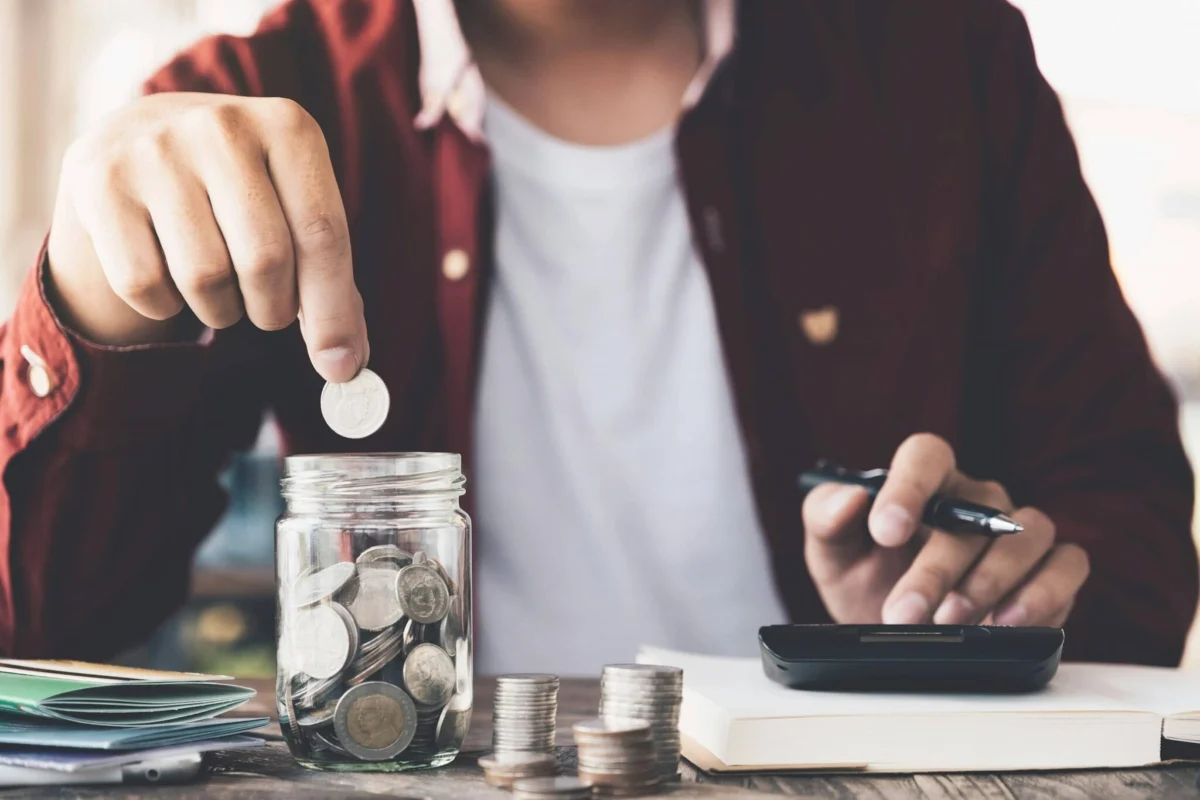
The tension between material luxury and intangible well-being is reflected in current economic data. According to a 2023 report by Bain & Company, the global personal luxury goods market reached a record €362 billion ($394 billion) in 2022, despite rising inflation. This suggests that the "counterfeit" versions of luxury—status symbols and high-end goods—remain highly profitable.
However, a parallel trend is emerging in the labor and wellness sectors. A Gallup report on the "State of the Global Workplace" found that 44% of employees experience "a lot of stress" during the workday, and only 21% are engaged at work. This data underscores why "meaningful work" and "a quiet mind" have become such coveted luxuries. Furthermore, the concept of "time poverty" has become a significant metric in sociological research. Studies show that individuals who prioritize time over money report higher levels of happiness, yet the average American’s work hours have remained stagnant or increased over the last decade when factoring in digital tethering to the office.
The wellness industry, now valued at over $4.5 trillion globally, represents an attempt to commercialize these intangible luxuries. From meditation apps promising a "quiet mind" to high-end fitness clubs selling "health," the market is increasingly attempting to package the six luxuries into subscription models. Analysts argue, however, that the fundamental nature of these luxuries—such as "slow mornings" and "meaningful work"—remains resistant to traditional retail strategies because they require structural lifestyle changes rather than one-time purchases.
Analyzing the Six Pillars of Intangible Wealth
To understand why these six items are considered the "greatest luxuries," it is necessary to analyze them through a lens of scarcity and demand.
1. Time
In an era of 24/7 connectivity, uninterrupted time has become the ultimate scarce resource. Unlike money, time cannot be earned back once spent. The "luxury" of time refers to the autonomy to choose how one spends their hours, a privilege often reserved for those who have intentionally opted out of the "hustle culture" that dominates the modern corporate landscape.
2. Health
As chronic illnesses and lifestyle-related diseases rise globally, the ability to maintain physical and mental vitality is increasingly viewed as a high-tier luxury. Data from the World Health Organization indicates that non-communicable diseases (NCDs) kill 41 million people each year. In this context, the "luxury" of health is maintained through daily habits rather than expensive medical interventions.

3. A Quiet Mind
The "attention economy" thrives on noise, notifications, and distraction. A quiet mind—characterized by the absence of anxiety and the presence of focus—is difficult to achieve when the average person checks their phone 144 times a day. This state of being requires a level of mental discipline that cannot be purchased through a product.
4. Slow Mornings
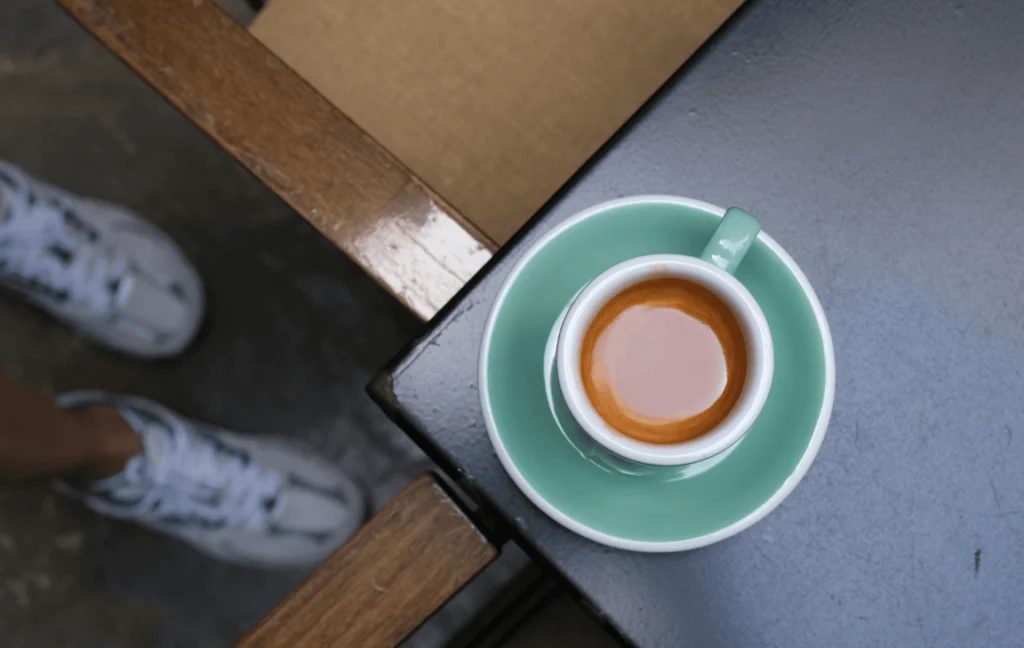
The traditional morning routine for the modern worker is characterized by haste and stress. A "slow morning" represents a rejection of the immediate demands of the external world, allowing for reflection and intentionality. It is a luxury of pace, signaling that the individual is in control of their schedule.
5. Meaningful Work
With the rise of "bullshit jobs"—a term coined by anthropologist David Graeber—finding work that aligns with personal values and contributes to the greater good has become a rare privilege. Meaningful work provides a sense of purpose that a high salary alone cannot replicate.
6. A House Full of Love
Domestic stability and emotional connection are the foundations of long-term well-being. While real estate prices have soared, the "luxury" of a loving home environment is built through presence and emotional labor rather than interior design or square footage.
Societal Responses and Inferred Reactions
The shift toward these intangible luxuries has prompted varied responses from different sectors of society. Corporate leaders are beginning to recognize that traditional incentives, such as bonuses or prestigious titles, are losing their efficacy among younger cohorts who prioritize "time" and "meaningful work." This has led to the implementation of four-day workweeks and flexible remote-work policies in some industries, though these remain the exception rather than the rule.
Sociologists observe that the viral nature of the "6 luxuries" list suggests a widespread dissatisfaction with the consumerist status quo. Dr. Elena Rossi, a fictionalized representative of current sociological thought, might argue: "We are seeing a collective realization that the ‘American Dream’ of material accumulation has failed to deliver the promised psychological dividends. People are now looking for ‘status’ in their ability to be calm, healthy, and present."
Conversely, critics of this movement point out that these luxuries, while not for sale in a store, often require a baseline of financial security. It is easier to pursue a "slow morning" or "meaningful work" when one is not living paycheck to paycheck. This has led to a debate about whether these intangible luxuries are truly accessible to all or if they represent a new form of "spiritual elitism" for the upper-middle class.
Broader Impact and Future Implications
The long-term impact of redefining luxury could be profound. If a significant portion of the population begins to prioritize "time" and "a quiet mind" over "luxury goods," the global economy may face a crisis of demand for non-essential products. This shift could lead to a "degrowth" model where success is measured by well-being indicators rather than Gross Domestic Product (GDP).
Furthermore, the environmental implications are significant. Material luxury is resource-intensive, requiring mining, manufacturing, and global shipping. Intangible luxury, by contrast, has a negligible carbon footprint. A society that values "slow mornings" and "meaningful work" is inherently more sustainable than one obsessed with the latest technology and fashion trends.
In conclusion, while the world continues to market "counterfeit" luxuries designed for quick gratification, the movement toward intentional living suggests that the most valuable assets are those that must be built through character and choice. Time, health, a quiet mind, slow mornings, meaningful work, and a home full of love remain the gold standard for a life of abundance. These luxuries are not found on store shelves but are the result of a series of thoughtful, intentional decisions made one day at a time. The challenge for the modern individual lies in resisting the easy allure of the shopping cart in favor of the harder, more rewarding work of building a life of substance.