Angie Faith
The landscape of bookselling in the United States is experiencing a significant and unexpected revival, with independent bookstores reporting a robust resurgence after decades of decline. This trend, observed amidst a growing cultural appreciation for analog experiences and the pervasive influence of book-centric online communities, signals a profound shift in consumer behavior and a renewed commitment to local literary hubs. Data indicates a substantial increase in the number of independent bookstores nationwide, defying the long-held dominance of online retail giants.
According to Andy Hunter, founder and CEO of Bookshop.org, an online platform dedicated to supporting independent bookstores, the current climate is one of optimism and growth for these cherished institutions. In a recent interview with Fast Company, Hunter highlighted the cultural significance now attributed to bookstores, stating, "People are really galvanizing around bookstores as a force for good in our culture." This sentiment is directly reflected in statistical evidence: "You see that in the fact that there are about 70% more bookstores now than there were six years ago in the United States. After 20 years of declining numbers, they’re coming roaring back." This remarkable turnaround marks a significant departure from the prevailing narrative of the early 2000s, when many feared the complete eradication of brick-and-mortar bookstores due to the rise of e-commerce and digital reading.
The Rise of "Literary Chic" and Analog Appeal
The resurgence of independent bookstores is not an isolated phenomenon but rather a symptom of broader cultural shifts. There is a discernible trend towards embracing "analog lifestyles," a movement that prioritizes tangible experiences and offline activities over their digital counterparts. This includes a growing attraction to physical books, the tactile pleasure of browsing shelves, and the unique atmosphere of a well-curated bookstore. This inclination is further amplified by the "literary chic" trend, which has not only permeated fashion and lifestyle choices but has also solidified the aesthetic and cultural appeal of books and reading. Social media platforms, particularly TikTok with its influential #BookTok community, have played a pivotal role in this cultural renaissance, driving sales and fostering a vibrant, interconnected network of readers who champion their favorite titles and authors.
The digital influence of #BookTok, while seemingly counterintuitive to the analog revival, has paradoxically become a powerful engine for driving traffic and sales to physical bookstores. Viral recommendations and reader-driven reviews create a palpable demand for specific titles, which in turn benefits bookstores that can fulfill these requests. Bookshop.org, by providing an online alternative that directs profits to independent retailers, has effectively bridged the gap between digital discovery and physical purchase, further bolstering the sector.
Independent Bookstore Day: A Catalyst for Community and Commerce
The annual celebration of Independent Bookstore Day serves as a crucial focal point for this burgeoning movement. The holiday, designed to highlight the unique contributions of independent bookstores to their communities, offers a platform for engagement, discovery, and commerce. Participating bookstores often host special events, offer exclusive merchandise, and provide discounts, creating a festive atmosphere that encourages local patronage. The success of this day is intrinsically linked to the broader efforts of organizations like Bookshop.org, which actively promote and support these independent retailers.
The origins of Independent Bookstore Day can be traced back to a desire to create a counterpoint to the overwhelming market share of large online retailers. The holiday aims to remind consumers of the value proposition of independent bookstores: personalized recommendations, community gathering spaces, and a curated selection of titles that often reflect local interests and diverse voices. Readers are increasingly recognizing that their purchasing decisions at these stores contribute directly to the cultural vitality of their neighborhoods.
The BOOK IT! Program: Rekindling a Love for Reading in Young Generations
In parallel to the resurgence of adult interest in physical books and bookstores, a beloved program is making a triumphant return to inspire young readers. Pizza Hut’s BOOK IT! program, a staple for many who grew up in the late 20th century, is relaunching its "Summer of Stories" initiative. This free program, designed for children in pre-kindergarten through 6th grade, encourages reading by offering tangible rewards.
The program, which begins its enrollment on May 1st for its June 1st to August 31st run, allows parents and teachers to sign up via the BOOK IT! App. The initiative taps into a powerful incentive for children: the promise of pizza for reading. This approach, while seemingly simple, has a proven track record of fostering a positive association with reading from an early age. By combining the joy of reading with a universally loved treat, BOOK IT! aims to cultivate lifelong readers, thereby ensuring a future generation of engaged book buyers and supporters of literary culture. The program’s historical success in promoting literacy and its nostalgic appeal to parents are key factors in its enduring popularity.
Literary Marathons: Embracing the Challenge of Classic Literature
Beyond commercial trends, there’s also a growing interest in deeply engaging with literature, exemplified by events like the Moby-Dick marathon reading sessions. The Provincetown Public Library, for instance, recently hosted its annual three-day, 26-hour reading of Herman Melville’s epic novel. This year’s event drew over 100 participants, with some traveling from as far as Queens, New York, to take part.
These marathons are more than just extended reading sessions; they are community-building events that transform a daunting literary challenge into a shared, celebratory experience. The use of multiple narrators, each bringing their unique interpretation to the characters and narrative, creates a dynamic and engaging performance. This approach demystifies classic literature and makes it accessible and enjoyable for both seasoned Melville enthusiasts and newcomers alike. The success of such events underscores a desire among some readers to engage with literature on a more profound and immersive level, moving beyond casual consumption to a deeper appreciation of literary artistry and historical context.
Weekly Bestsellers Reflecting Diverse Literary Tastes
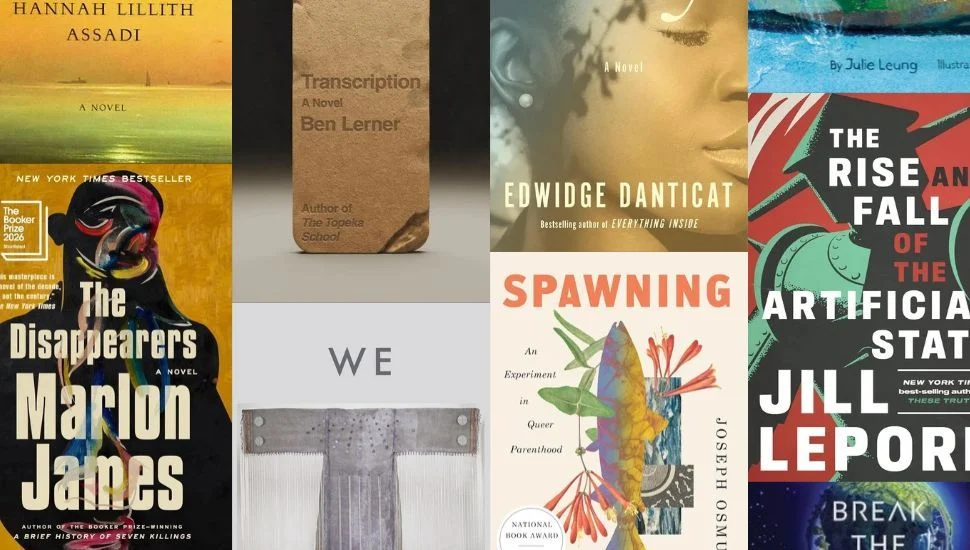
The current literary landscape is also characterized by a diverse range of bestselling titles, indicating a broad spectrum of reader interests. Recent bestseller lists feature a mix of established authors and emerging voices, encompassing various genres and themes. For example, recent lists have included works by Lena Dunham and Andy Weir, alongside books exploring contemporary cultural trends such as the "tradwife" phenomenon.
Furthermore, the prominence of indie bestsellers by authors like Tayari Jones and Marjan Kamali on these lists highlights the growing success and recognition of independent publishers and authors. This integration of independent bestsellers alongside traditionally published works signifies a more inclusive and representative literary marketplace. The continued demand for a wide array of books, from popular fiction to niche cultural explorations, demonstrates the enduring vitality and adaptability of the book industry.
Analysis and Implications: A Future Rooted in Community and Tangibility
The resurgence of independent bookstores and the associated cultural trends point towards a future where literary consumption is increasingly characterized by community engagement, a preference for tangible experiences, and a conscious effort to support local economies. The data indicating a significant increase in the number of independent bookstores is not merely a statistical anomaly but a testament to the evolving values of consumers.
The success of platforms like Bookshop.org, which facilitate online sales while prioritizing independent retailers, suggests a model that can effectively balance the convenience of e-commerce with the ethical and cultural imperatives of supporting local businesses. The continued growth of #BookTok, while digital, also serves to drive traffic and interest to physical bookstores, demonstrating the synergistic potential between online communities and offline retail.
The reintroduction of programs like BOOK IT! and the popularity of literary marathons further underscore a societal inclination towards fostering deeper connections – with books, with stories, and with each other. These initiatives, ranging from childhood literacy programs to adult literary challenges, collectively contribute to a more robust and engaged reading culture. The implications are far-reaching: a more vibrant literary ecosystem, stronger community ties, and a renewed appreciation for the unique role that independent bookstores play in shaping our cultural landscape. As consumers continue to seek authenticity and connection, the future of bookselling appears to be one where the physical space of the bookstore, enriched by digital discovery and community participation, will remain a cherished and vital institution.