Michael Sholeh
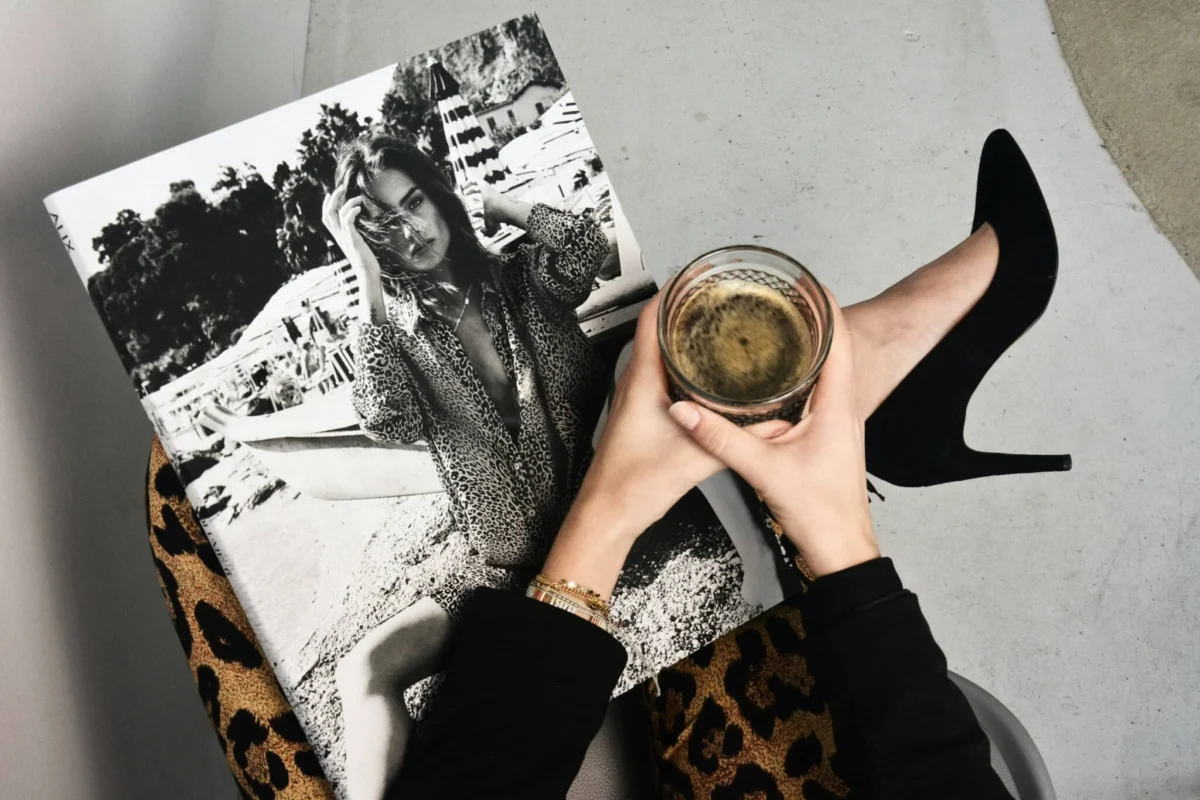
In an era defined by hyper-consumerism and digital connectivity, societal perceptions of wealth and privilege are undergoing a profound structural reevaluation. A viral internet phenomenon—a minimalist list circulating across global social media platforms—has once again ignited a widespread public discourse regarding the true definition of luxury. The widely shared manifesto identifies six core elements of an abundant existence: time, health, a quiet mind, slow mornings, meaningful work, and a house full of love. This viral resonance highlights a growing cultural fatigue with traditional status symbols, shifting the paradigm from material accumulation to intangible well-being.
The Evolution of Luxury: From Materialism to Immaterial Wealth
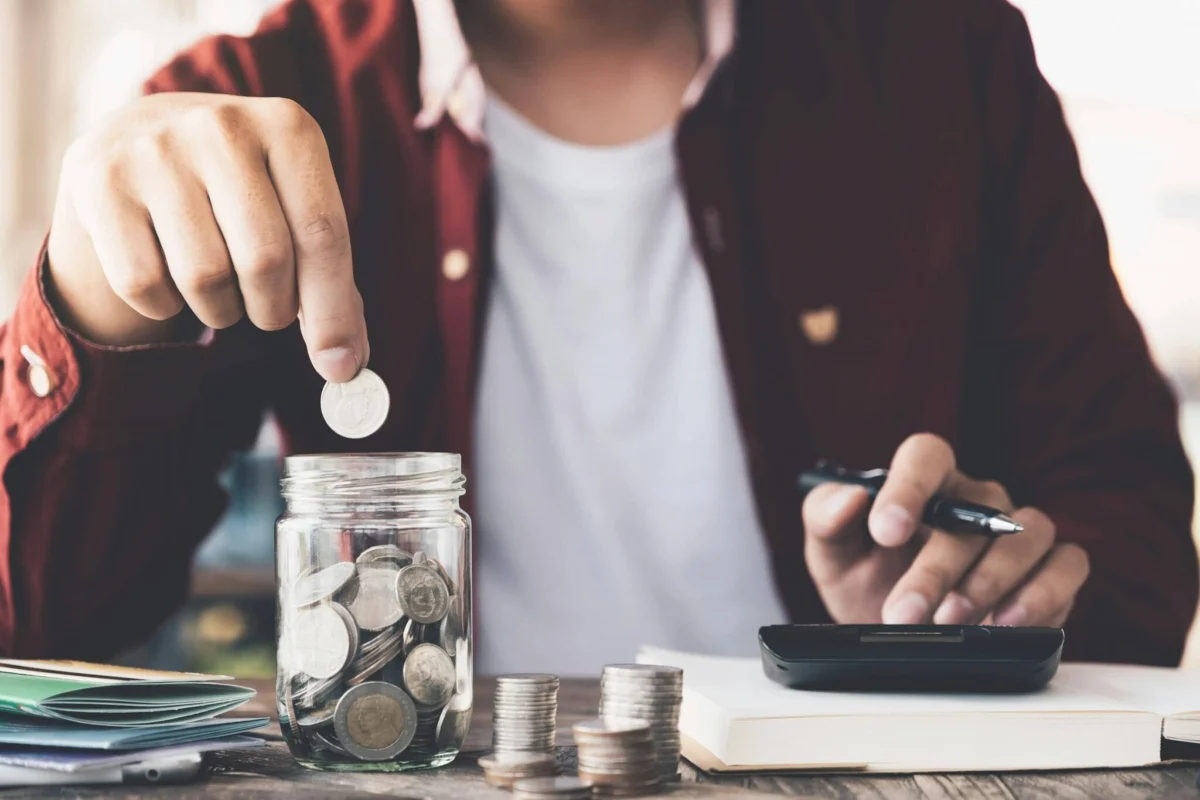
Historically, luxury has been quantified through tangible assets: real estate portfolios, luxury automobiles, haute couture, and precious metals. Emerging from post-industrial economies, consumer culture successfully positioned commercial acquisition as the ultimate indicator of personal success and social standing. Marketing psychology over the past century has systematically linked discretionary spending with emotional fulfillment, generating a multi-billion-dollar global industry built on the premise that happiness can be purchased.
However, contemporary socioeconomic shifts are challenging this commercial narrative. Sociological data and consumer trends indicate a rising disillusionment with relentless consumption, particularly among younger demographics. The proliferation of minimalist philosophies, voluntary simplicity movements, and mindfulness practices reflects a growing collective awareness that material acquisitions yield diminishing returns on psychological well-being. The viral list of non-material luxuries serves as a symptom of this broader cultural pivot, emphasizing states of being over points of purchase.
Economic and Psychological Implications of the Experience Economy
Market analysts point to the rapid growth of the "experience economy" as a precursor to this deeper ideological shift. Consumers are increasingly allocating disposable income toward travel, wellness retreats, and personal development rather than traditional luxury goods. Nevertheless, even the experience economy can sometimes fall into the trap of commercialized counterfeits—selling curated versions of relaxation and fulfillment rather than authentic well-being.
Psychological research consistently supports the premise that material wealth exhibits a plateau effect regarding human happiness, commonly referred to in economic literature as the Easterlin Paradox. Once basic survival and comfort needs are met, incremental increases in material possessions fail to generate proportional increases in long-term life satisfaction. Conversely, studies in positive psychology frequently correlate high life satisfaction with the very elements outlined in the viral manifesto: autonomy over one’s time, robust physical and mental health, purposeful engagement, and strong social bonds.

The Structural Barriers to Intangible Wealth
Despite widespread agreement on the value of these non-material luxuries, attaining them presents significant systemic and personal challenges. Unlike retail purchases, which require primarily financial capital and transaction time, intangible luxuries demand sustained psychological investment, boundary-setting, and often structural life changes.
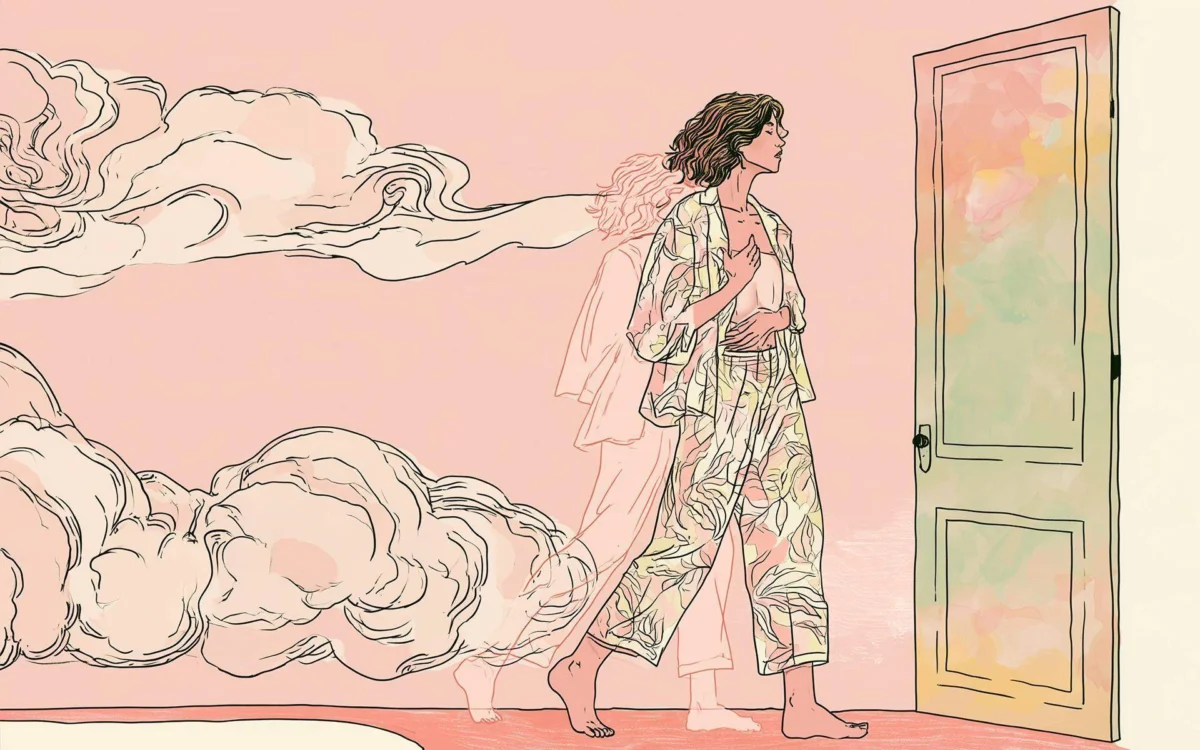
In modern labor markets characterized by burnout culture, the gig economy, and pervasive digital connectivity, protecting personal time and maintaining a quiet mind requires deliberate effort against systemic headwinds. Working hours in many industrialized nations have remained stagnant or increased, while the blurring boundaries between professional and personal spheres—accelerated by remote work technologies—make concepts like "slow mornings" and "meaningful work" elusive for millions of workers.
Public health data underscores the difficulty of achieving holistic well-being within current societal frameworks. Rising rates of chronic stress, anxiety disorders, and lifestyle-related illnesses suggest that modern environments actively oppose the cultivation of health and mental tranquility. Consequently, pursuing these true luxuries often requires individuals to intentionally opt out of prevailing cultural norms regarding productivity and consumption.
Strategic Pathways to Sustainable Well-Being
Behavioral scientists and lifestyle researchers emphasize that while intangible luxuries cannot be purchased, they can be systematically cultivated through intentional habit formation and lifestyle restructuring. The transition from a consumption-driven existence to one rooted in non-material abundance typically involves several key behavioral shifts:
- Temporal Autonomy: Reclaiming time by auditing commitments, eliminating non-essential obligations, and establishing strict boundaries around professional availability.
- Cognitive De-escalation: Reducing exposure to external informational noise—including excessive digital media consumption—to foster mental clarity and reduce anxiety.
- Value-Aligned Labor: Seeking professional or creative endeavors that resonate with personal values and leverage individual strengths, thereby transforming labor from a transactional necessity into a source of fulfillment.
- Relational Presence: Prioritizing authentic human connection and emotional availability within the household over the pursuit of domestic perfection or material upkeep.
Societal and Cultural Outlook
As global societies navigate complex economic uncertainties, the dialogue surrounding wealth, value, and luxury is expected to evolve further. Economists and sociologists suggest that future definitions of societal progress will increasingly incorporate metrics of well-being, mental health, and environmental sustainability alongside traditional Gross Domestic Product (GDP) measurements.
The enduring popularity of the viral list underscores a fundamental human desire for depth, peace, and authenticity in an increasingly fast-paced world. While retail markets will continue to manufacture and market temporary substitutes for fulfillment, the growing embrace of non-material luxuries signals a resilient human capacity to redefine success on independent, sustainable terms. Ultimately, the realization that life’s greatest assets are built rather than bought points toward a more reflective, intentional approach to modern living.