Cintya Tara Annisa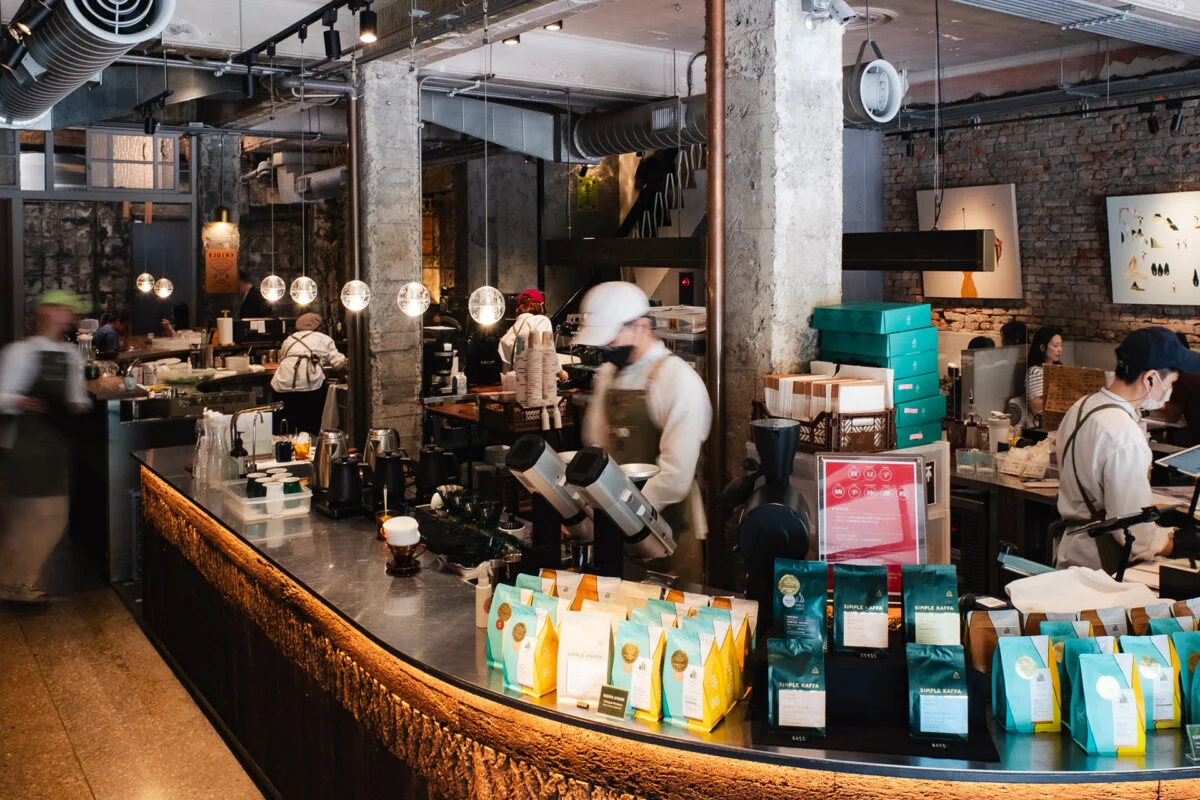
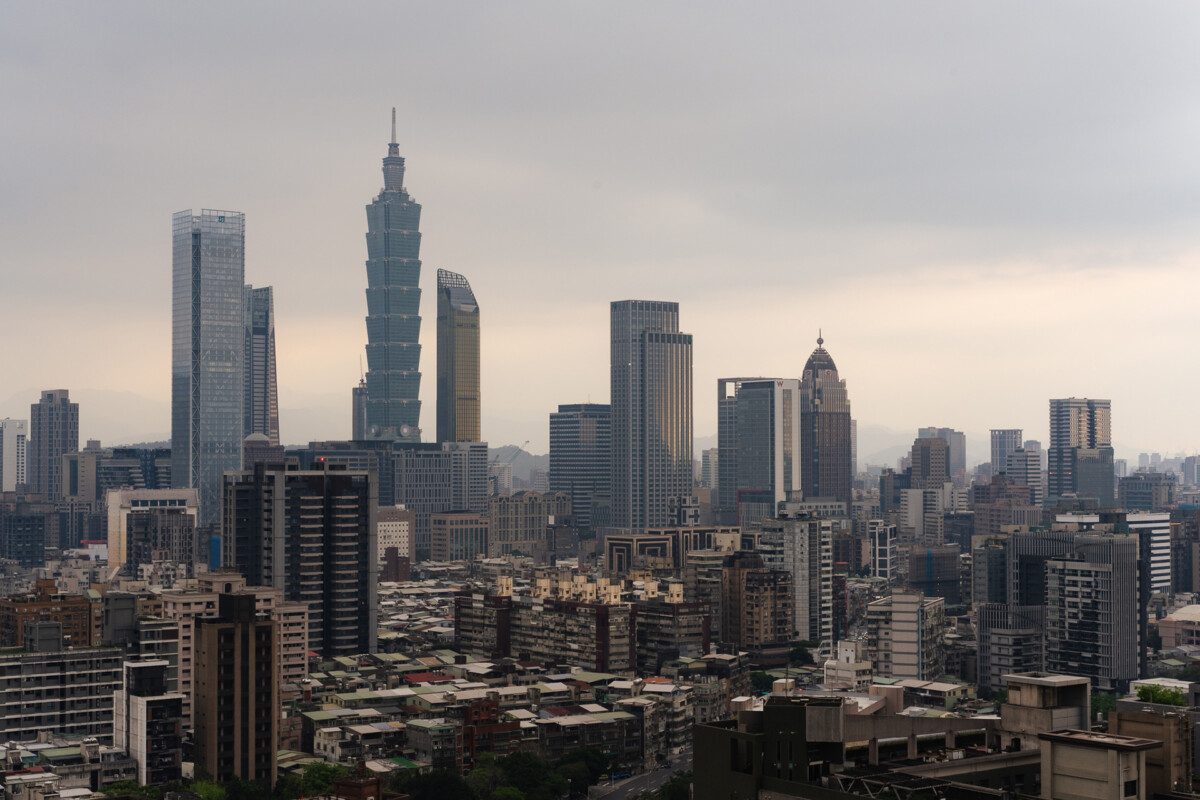
Taipei has long been recognized for its architectural landmarks such as Taipei 101 and its status as a premier culinary destination for beef noodle soup and boba milk tea, but in recent years, the city has undergone a profound transformation into a global epicenter for specialty coffee. This development is not merely a localized trend but a sophisticated maturation of an industry that now rivals established coffee capitals like Melbourne, Seattle, and Tokyo. The rise of Taipei’s coffee culture is the result of a century-long historical trajectory, a strategic commercial expansion in the early 2000s, and a relentless pursuit of technical excellence that has produced a disproportionate number of world-class baristas and roasters.
The Historical Foundations of Taiwanese Coffee
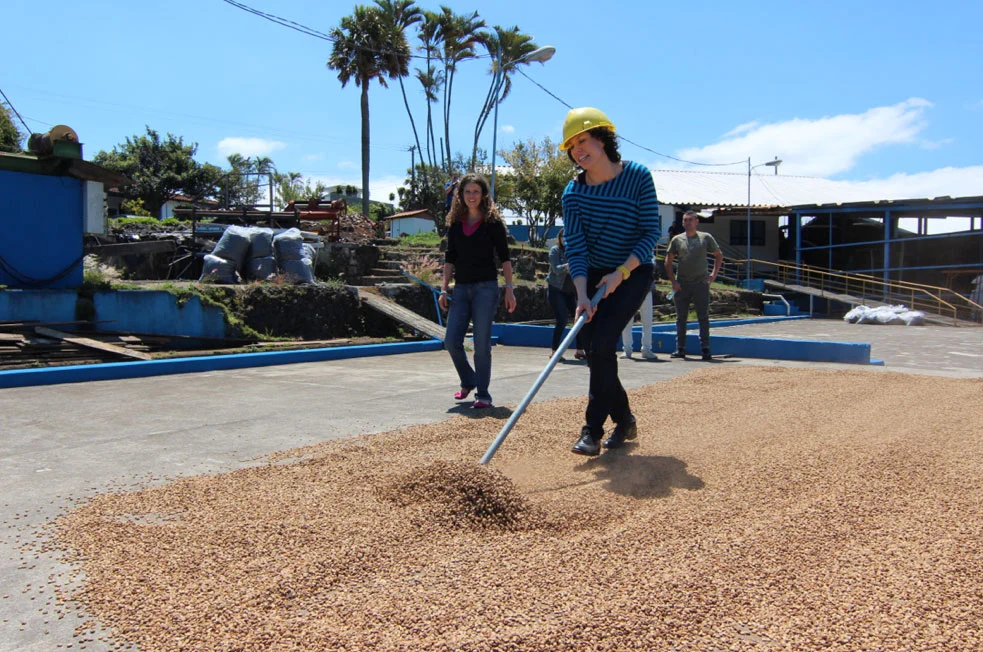
The history of coffee in Taiwan is inextricably linked to the period of Japanese rule in the early 20th century. During this era, Japanese botanists and agricultural experts identified the central and southern mountainous regions of the island—specifically areas like Yunlin’s Gukeng and the Alishan range—as having microclimates suitable for coffee cultivation. The Japanese introduced Arabica varieties and established the island’s first plantations to supply the imperial court and the growing Japanese domestic market.
Simultaneously, the first "Kohi-ten" or coffee houses began appearing in the streets of Taipei. These early establishments were more than just beverage outlets; they served as intellectual hubs for the city’s elite, introducing the concept of cafe culture as a social and artistic necessity. While the industry faced stagnation following World War II and the subsequent decades of economic transition, these colonial roots provided the agricultural knowledge and cultural memory that would eventually fuel the modern specialty movement.
The Modern Expansion: From Commercial Gateway to Third Wave
The contemporary coffee landscape began to take its current shape in the early 2000s. This period marked a critical "gateway" phase for the Taiwanese consumer. The entry of Starbucks into the local market played a pivotal role in normalizing the consumption of espresso-based drinks and establishing the cafe as a "third space" for work and socialization. This was quickly followed by an unprecedented move from convenience store giants such as 7-Eleven (City Cafe) and FamilyMart (Let’s Café). By offering freshly brewed coffee at a lower price point and with extreme accessibility, these retailers effectively converted a tea-drinking nation into a high-volume coffee-consuming population.
As the general public’s palate became more refined, a niche for "Third Wave" coffee emerged. This movement, characterized by an emphasis on transparency, direct trade, light roasting profiles, and meticulous brewing methods, found fertile ground in Taipei. By 2018, the city had already established itself as a destination for serious connoisseurs. The maturation of this scene is best evidenced by Taiwan’s consistent performance in international competitions.
A Legacy of World Champions
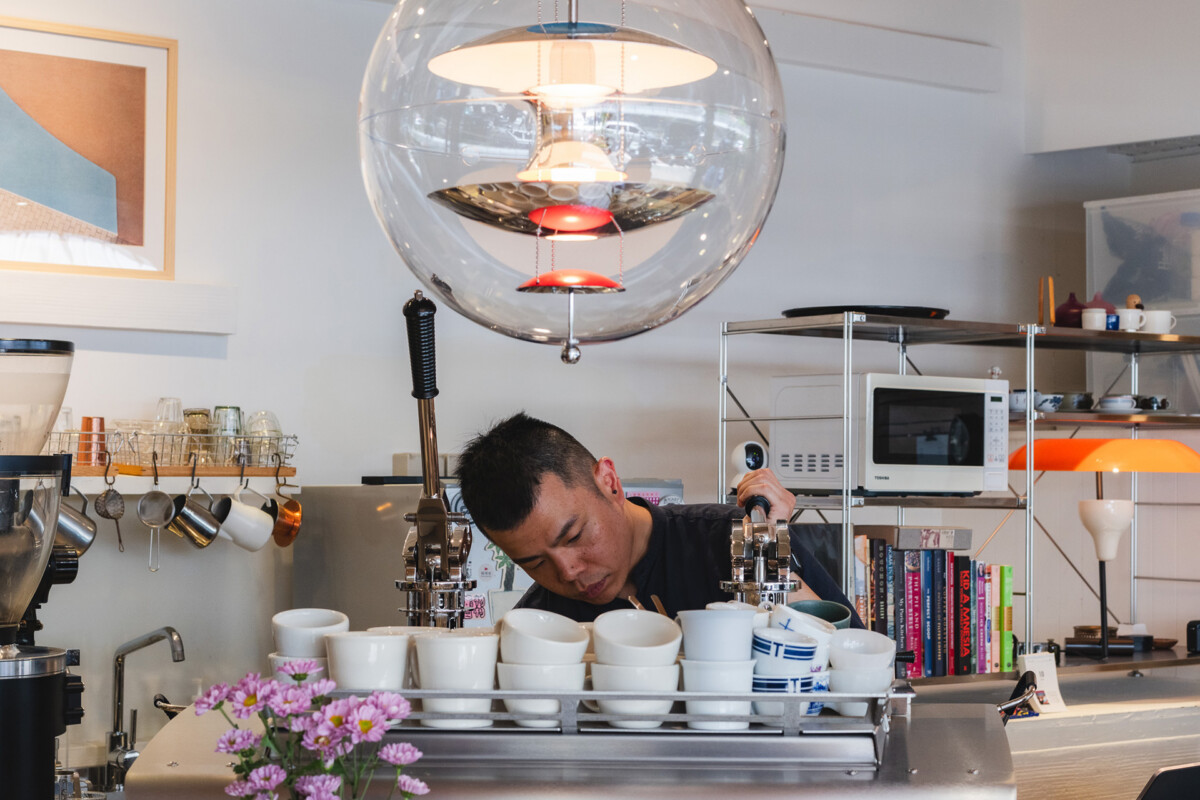
Taipei’s ascent to the top tier of the coffee world is punctuated by the success of its resident professionals on the global stage. The city has become a training ground for elite talent, producing a string of World Coffee Champions who have returned to Taipei to open their own establishments, thereby elevating the local standard for every other cafe in the city.
Key figures in this professional lineage include:
- Pang-Yu Liu (åªè²³ç¦¹): Winner of the 2014 World Cup Tasters Championship.
- Berg Wu (媳åº&ord1;éº&ord0;): Winner of the 2016 World Barista Championship, whose victory brought international eyes to the Taipei scene.
- Chad Wang (窺ç&ord4;): Winner of the 2017 World Brewers Cup.
- Bala (æº&ord1;ç´&ord1;èº&ord2;): The most recent addition to this prestigious list, crowned the 2026 World Latte Art Champion.
The influence of these champions extends beyond their trophies. They have fostered a culture of precision and education, where baristas are viewed as skilled artisans and roasting is treated as a high-stakes scientific endeavor.
The Economic and Cultural Landscape: Supporting Data
The growth of Taipei’s coffee scene is supported by robust economic indicators. According to data from the International Coffee Organization (ICO) and local trade reports, coffee consumption in Taiwan has seen a steady annual increase. On average, Taiwanese citizens consume approximately 200 cups of coffee per year, a figure that continues to climb as the specialty segment expands.
Furthermore, Taiwan’s coffee imports have diversified. While Brazil and Vietnam remain major suppliers for the commercial sector, specialty roasters in Taipei are increasingly importing high-scoring micro-lots from Ethiopia, Colombia, and Panama. Interestingly, Taiwan has also seen a resurgence in its domestic production. Alishan coffee, known for its tea-like clarity and floral notes, has become a luxury item within Taipei’s top-tier cafes, often fetching prices that exceed premium African imports due to limited supply and high labor costs.
Structural Characteristics of the Taipei Cafe Experience
Visitors to Taipei often note several distinct characteristics that set the city’s coffee scene apart from Western models. One of the most notable is the "relaxed pace" of operation. Unlike the early-morning rush common in London or New York, many of Taipei’s specialty cafes do not open until 10:00 AM or 11:00 AM. However, they remain open well into the evening, often until 9:00 PM or 10:00 PM, serving as quiet retreats for students and professionals.
The aesthetic of these spaces is equally important. Taipei’s cafes often blend minimalist design with personal, owner-driven touches. There is a high density of quality establishments; in neighborhoods like Da’an or Xinyi, it is common to find three or four world-class roasteries within a single city block.
Profiles in Excellence: Iconic Taipei Institutions
Simple Kaffa: The Pinnacle of Professionalism
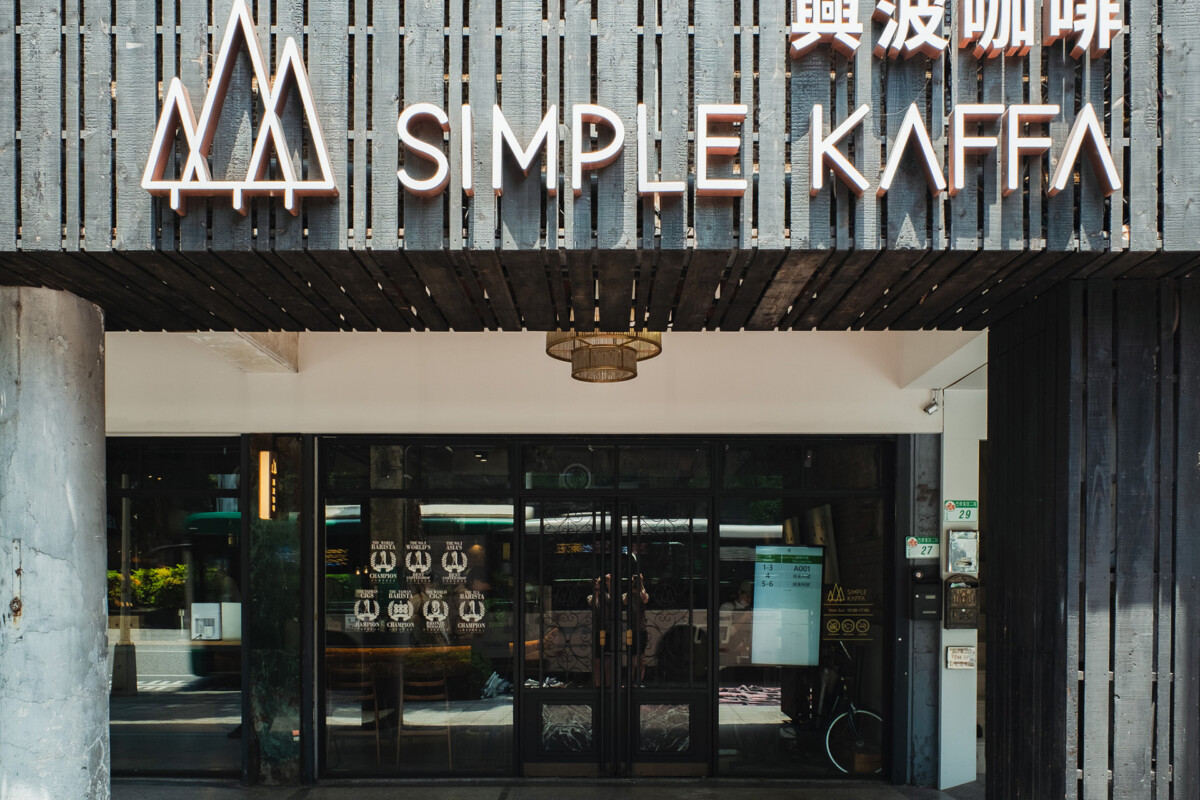
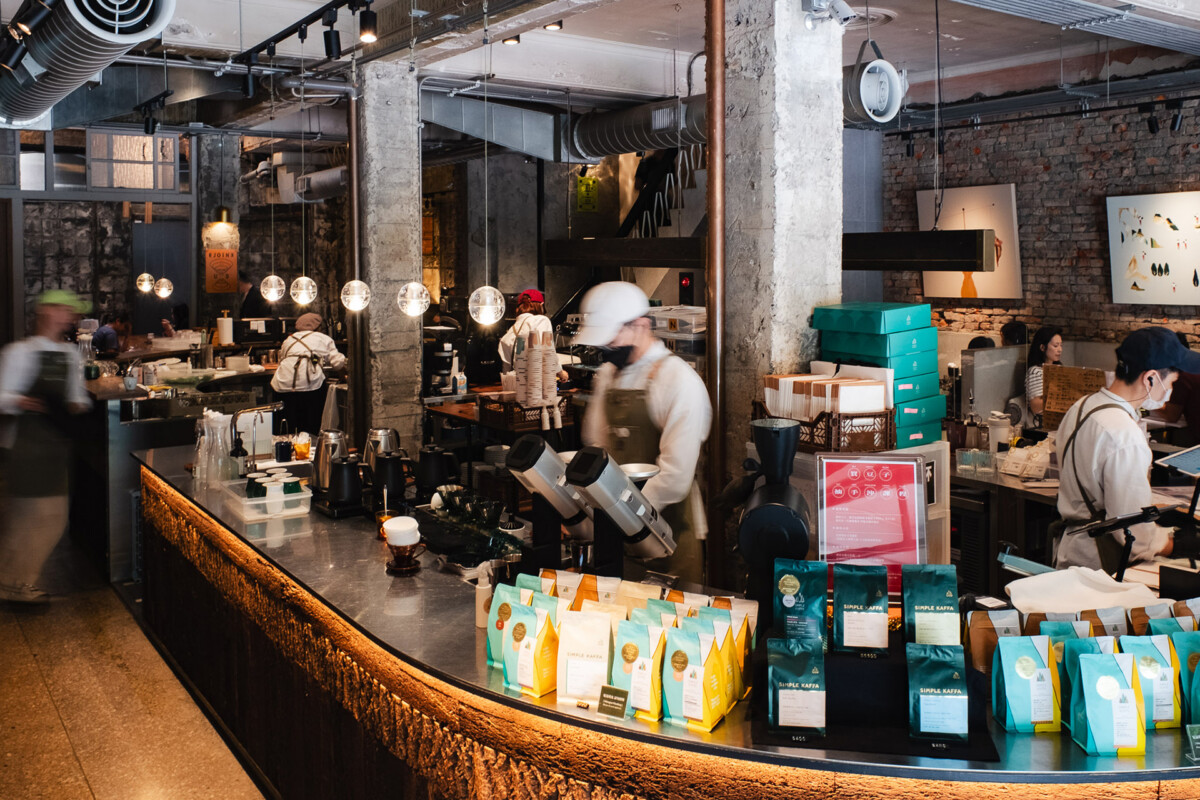
Founded by Berg Wu, Simple Kaffa is widely regarded as the flagship of Taiwan’s specialty coffee movement. The experience here is akin to fine dining. Waitstaff provide detailed explanations of bean origins and processing methods, such as anaerobic fermentation or honey processing. The menu features elite selections, including Gesha varieties that can reach prices of NT$1,500 (~$45 USD) per cup. The flagship store near Huashan 1914 Creative Park utilizes proprietary technology, such as the Simple Kaffa Drip Shower, to ensure absolute consistency in pour-over extraction.
Rufous Coffee Roasters: The Craft-Driven Anchor
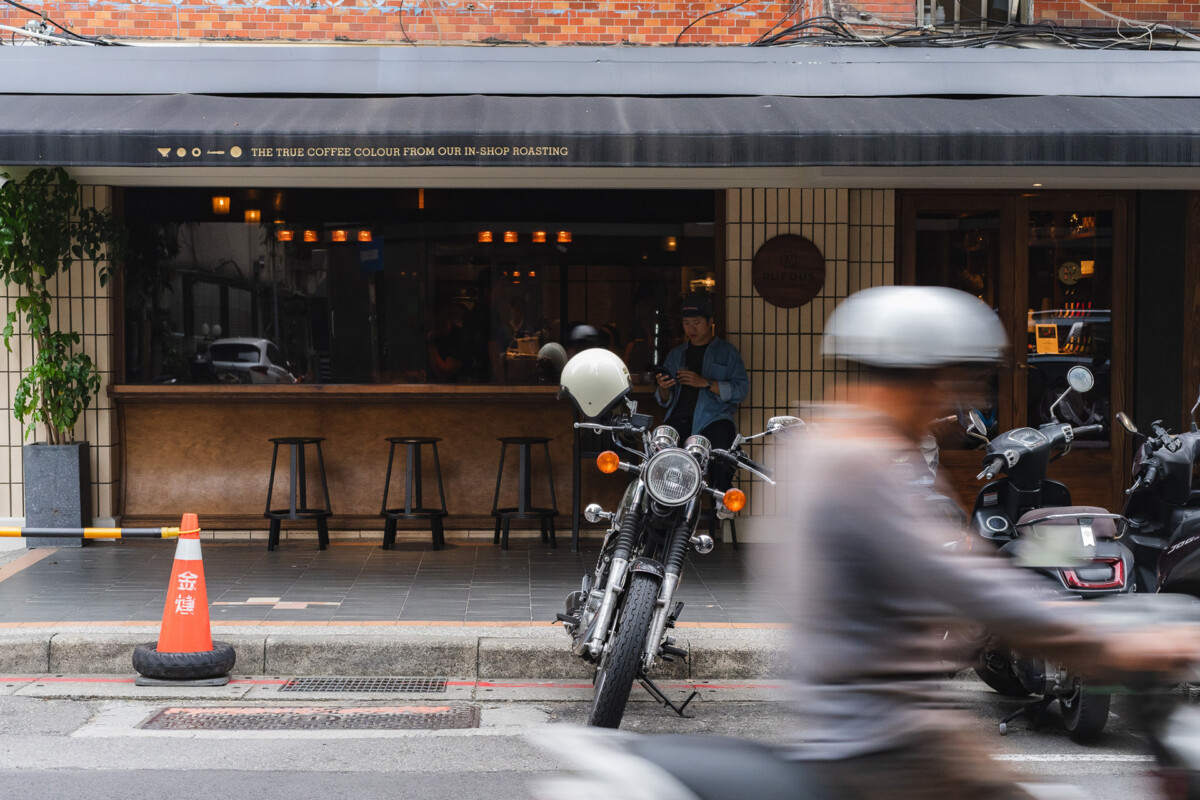
Rufous Coffee Roasters represents the bridge between the old-school devotion to roasting and modern aesthetic sensibilities. Long before the current boom, Rufous focused on the technicalities of the roast. Their second location features a transparent roasting room, allowing customers to witness the transformation of green beans. Their methodology is famously detail-oriented, exemplified by their cold slow-drip station which requires 24 hours of preparation for a single batch.
Normal Coffee and All Day Roasting Company: Scaling Quality
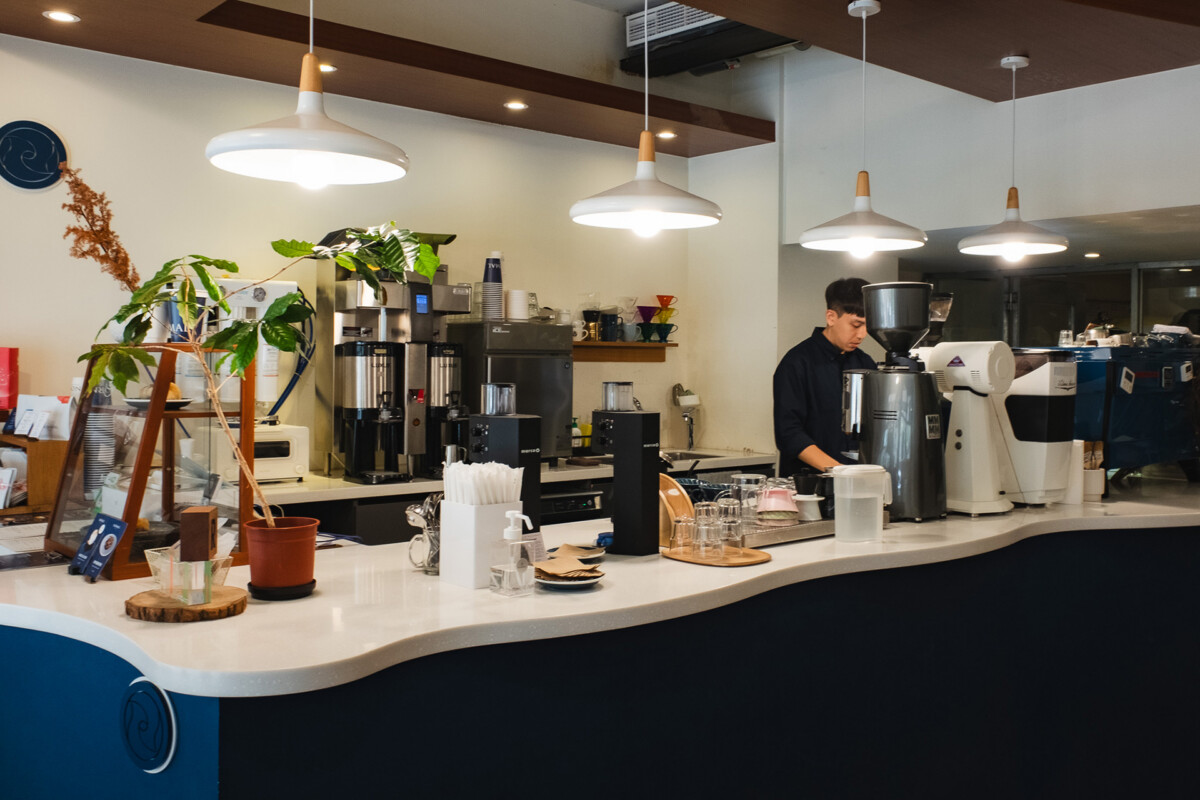
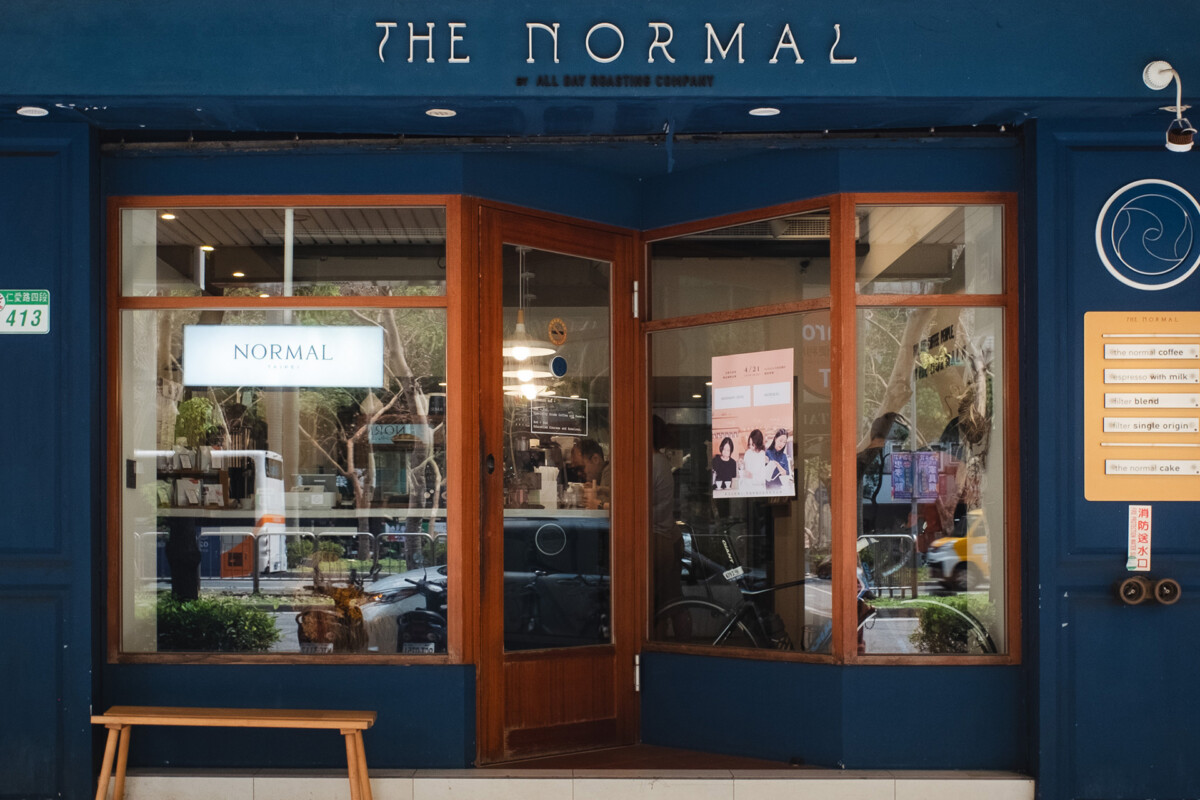
The All Day Roasting Company group demonstrates how a coffee business can scale without sacrificing integrity. While "All Day" functions as a lifestyle-oriented cafe with a full food menu, "Normal Coffee" focuses on the purist experience. Normal Coffee is notable for its commitment to local Alishan beans, providing a platform for Taiwanese farmers to reach a discerning urban audience.
The Folks: The One-Man Operation
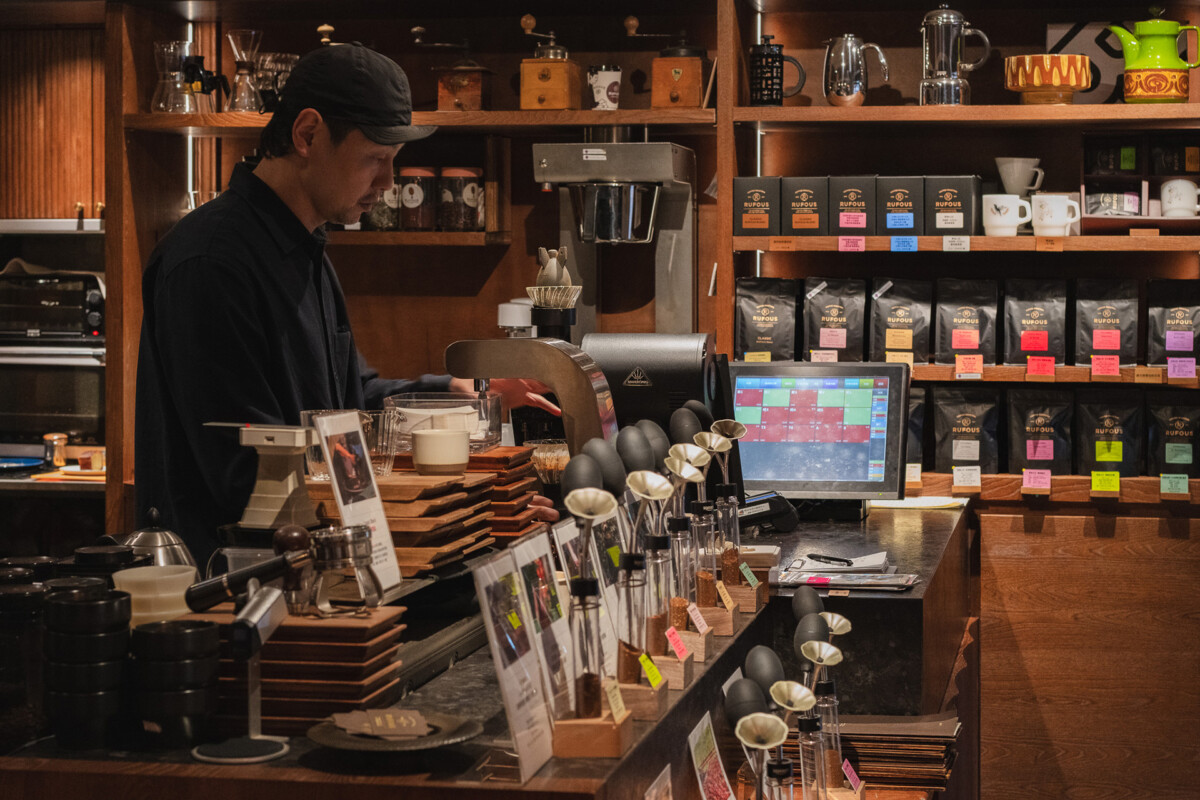
Located in the Da’an District, The Folks exemplifies the "owner-operated" model that defines the soul of the city. For over a decade, this small shop has functioned as a one-man operation. Utilizing a Kees van der Westen Slim Jim Idrocompresso, the owner produces highly consistent espresso-based drinks. The shop’s signature "con panna"—espresso with honey, milk, cacao, and cream—is a testament to the creative potential of traditional Italian formats.
Coffee Along and After5: Community and Environment
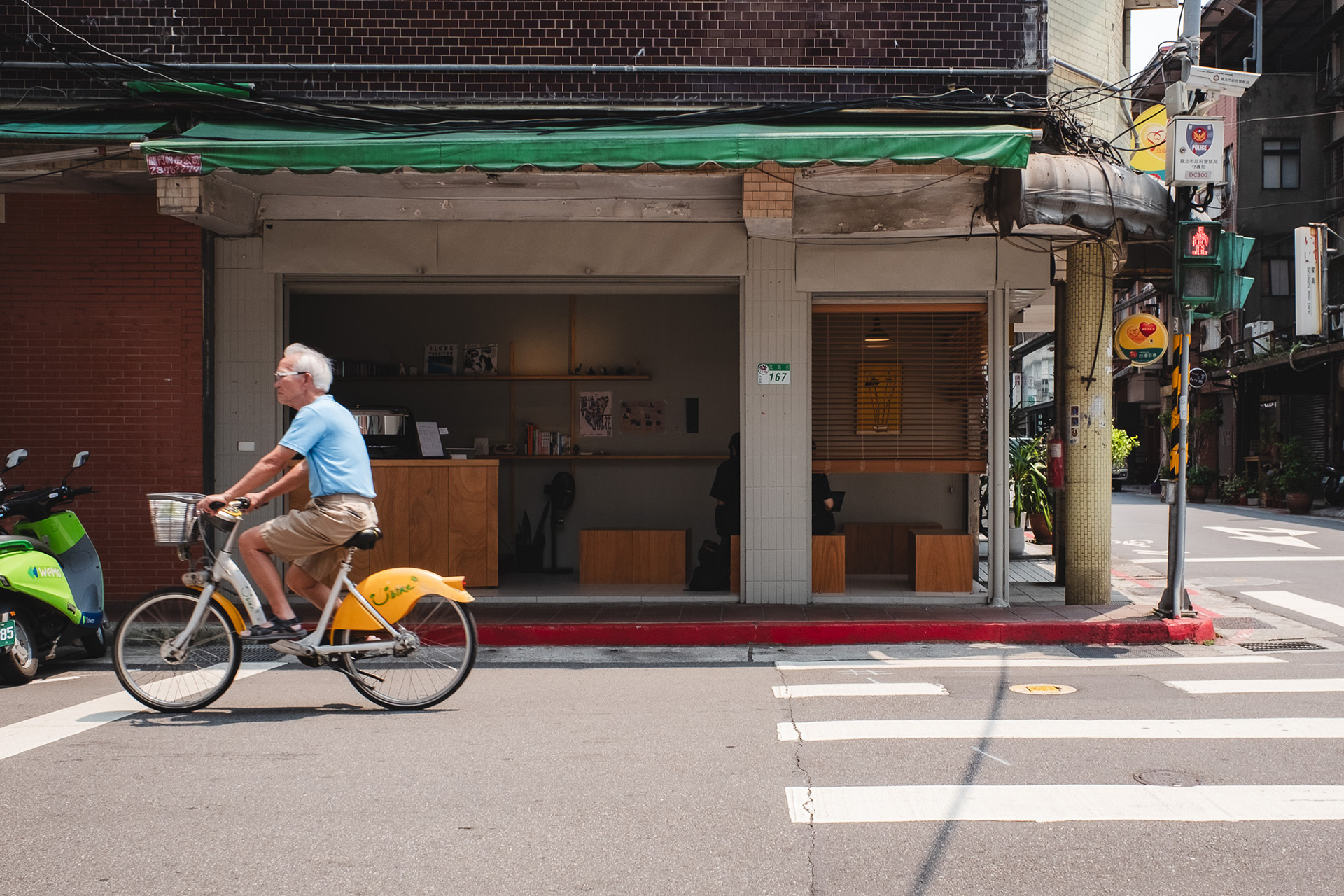
Newer entries like Coffee Along and After5 highlight the environmental diversity of the scene. Coffee Along breaks the "enclosed" mold by opening directly onto the street, fostering a sense of neighborhood connectivity. After5, situated in a converted two-story house, transitions from a quiet daytime workspace into a social hub that serves coffee-based cocktails and craft beer in the evenings.
Broader Impact and Future Implications
The success of Taipei’s coffee industry has significant implications for Taiwan’s broader economic and cultural standing. Coffee tourism has become a legitimate draw for international travelers, with "cafe hopping" becoming a primary itinerary item for visitors from across Asia.
Moreover, the technical expertise found in Taipei is beginning to export itself. Taiwanese roasting equipment and brewing accessories are gaining traction in international markets, and Taipei-based consultants are increasingly sought after for cafe projects in mainland China and Southeast Asia.
As the industry looks toward the future, the focus is shifting toward sustainability and the preservation of domestic coffee farming. The integration of technology—from automated roasting profiles to precision water filtration—continues to push the boundaries of what is possible in a cup. Taipei has not only joined the global coffee conversation; it is now one of the voices leading it. The city’s journey from colonial experimental plots to a skyline dotted with World Barista Champion-led cafes serves as a blueprint for how a dedicated community can transform a beverage into a defining cultural pillar.