
 Indra Kusuma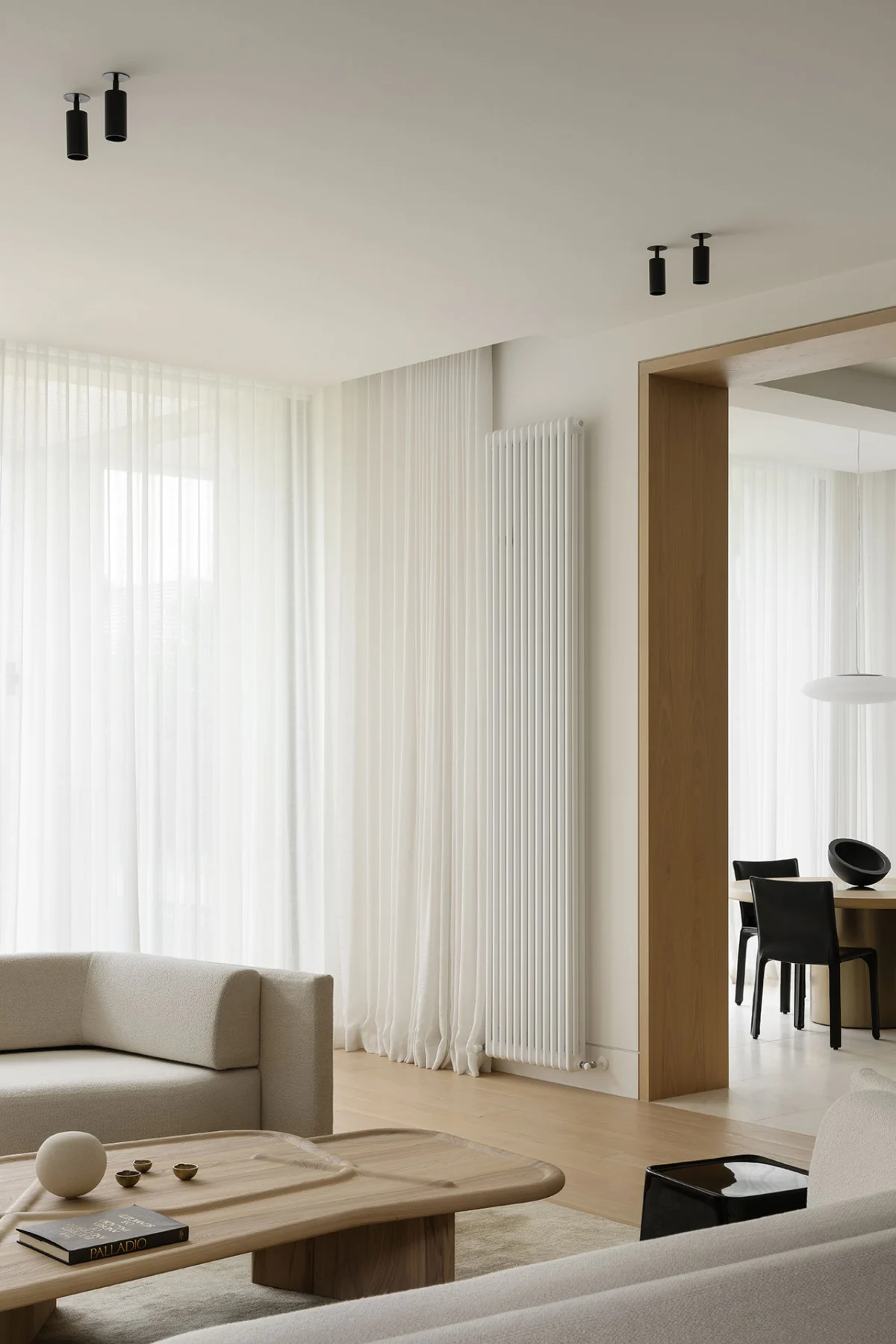
Architecture, at its most profound, communicates through fundamental elements: space, light, proportion, and material. These cornerstones have guided design for millennia, yet their expression rarely achieves the quiet, compelling clarity found in the Conrad Residence. Situated in Malvern, a verdant inner-eastern suburb of Melbourne, this family home serves as both a private dwelling for architect Paul Conrad of Paul Conrad Architects, his wife, and their two children, and a meticulously crafted manifesto of his studio’s design philosophy. This project transcends mere shelter, offering a contemplative exploration of architectural enduring qualities and their harmonious integration into a contemporary Australian context.

The Genesis of a Vision: Site Selection and Pandemic Context
The conception of the Conrad Residence began not with blueprints, but with patience and a discerning search. Architect Paul Conrad embarked on a two-year quest to identify a site that not only resonated with Malvern’s established garden character but also offered crucial northern orientation. This aspect is paramount in Australian architecture, optimizing passive solar gain and maximizing the penetration of natural light throughout the day, a vital consideration for both comfort and energy efficiency. The prolonged search underscored a commitment to foundational principles over expediency, ensuring the site itself would be a primary contributor to the home’s eventual success.

The opportune moment arrived amidst Melbourne’s unprecedented COVID-19 lockdowns. The property, a prime piece of real estate aligning with Conrad’s exacting criteria, became available and was secured through a remote Zoom auction. This unusual acquisition method, a hallmark of the pandemic era, marked the quiet commencement of a design process that would unfold with deliberate consideration. The lockdown period, while challenging for many, afforded a unique window for deep reflection and meticulous planning, allowing Conrad to immerse himself fully in the intricate details of his family’s future home, unburdened by external pressures. This period of enforced introspection undoubtedly contributed to the distilled clarity evident in the final design.

An Inside-Out Design Philosophy: Prioritizing Interior Architecture
From the project’s inception, Conrad consciously diverged from conventional residential design methodologies. Rather than permitting the façade or external form to dictate the overall aesthetic, the Conrad Residence was conceived from the "interior architecture" outwards. This approach emphasizes the meticulous orchestration of spatial relationships, the precise manipulation of light, and the careful curation of views between rooms. Conrad posits that this internal structure is the true connective tissue between architecture and interior design, profoundly influencing how spaces are perceived, how natural light animates them throughout the day, and, crucially, how the occupants experience and interact with their home over time.

This interior-first philosophy prioritizes human experience and functional flow. It suggests that a building’s true character and livability are forged within its inner volumes, with the exterior then naturally evolving as a reflection of these internal dynamics. This methodology stands in subtle contrast to many contemporary projects that often prioritize outward sculptural expression or immediate curb appeal. For the Conrad Residence, the focus remained steadfastly on creating a rich, evolving internal world that would adapt to and enrich family life, rather than merely presenting an imposing external form.

A Harmonious Exterior: Integrating with Malvern’s Leafy Landscape
The internal logic of the Conrad Residence ultimately informed and shaped its outward presence. From the street, the home presents a façade characterized by its restraint and quiet dignity. Clad in Boston Ivy, which softens its lines and blends it seamlessly into Malvern’s leafy environment, the structure offers a deliberately understated public face. Beyond the verdant veil, little of the home is revealed, save for a precisely crafted limestone-clad portal that frames a dark-stained oak door. This architectural gesture is a conscious choice, reflecting a desire for architectural quietness that allows the house to settle naturally into its established suburban context. It speaks to a respect for the existing neighborhood fabric, eschewing ostentation in favor of subtle elegance while simultaneously hinting at the classical proportions and thoughtful design that lie within. The integration of climbing greenery not only provides aesthetic appeal but also contributes to the home’s thermal performance, offering natural shading and cooling in warmer months, a nod to passive environmental design principles increasingly vital in Australian climates.

Spatial Narrative: From Formal Retreat to Fluid Living
Stepping inside, the architecture unfolds as a carefully balanced sequence of spaces, each designed with a distinct purpose and atmosphere. The home gracefully transitions from more formal and intimate areas at the front to expansive, contemporary living zones toward the rear. This progression reflects what Conrad describes as an aesthetic of deliberate contradictions: minimal yet rich, restrained yet bold, poised yet relaxed.

Near the entry, a dedicated study embodies a classical sensibility. Here, tall, steel-framed French doors emphasize vertical proportion and symmetry, creating an environment conducive to concentration. Functioning as both a library and a gallery, this room serves as Paul Conrad’s creative retreat, a space where architectural ideas are conceived and refined. Its formal character provides a psychological boundary, separating the professional from the familial, while still being an integral part of the home’s narrative.

Further into the residence, the primary living, dining, and kitchen areas converge into a more fluid and open environment. This expansive zone is defined by floor-to-ceiling aluminum sliding doors that effortlessly recede, blurring the boundary between interior and exterior and inviting the northern sun and lush garden inward. Here, architecture appears to dissolve into the landscape, fostering a deep connection with nature. An oversized Calacatta Paonazzo marble kitchen bench, a sculptural anchor in itself, complements a custom brass pendant light fixture, both elements serving to ground the open plan while maintaining an air of sophisticated minimalism. The seamless transition to the outdoors, where a pool and carefully curated plantings by landscape architect Paul Bangay extend the home’s spatial composition, amplifies the sense of light and openness, providing a serene backdrop for family life and entertaining.

The Tactile Language of Materials: Patina and Longevity
The material palette chosen for the Conrad Residence is a testament to the philosophy of restraint paired with richness, and, crucially, a profound appreciation for longevity and the beauty of natural aging. A tightly controlled vocabulary of exquisite materials is employed throughout the house, ensuring visual coherence and tactile delight. These include honed limestone, the dramatic veining of Calacatta Paonazzo marble, the warm luster of aged brass, the soft texture of linen, the subtle shimmer of silver leaf, and the robust character of textured European oak.

The selection process was not driven by a pursuit of polished perfection, but rather by the intrinsic qualities of each material and its ability to develop a unique patina over time. The limestone, for instance, is brushed to reveal its natural grain and texture, inviting touch and promising a graceful mellowing with age. The European oak floorboards are hand-scraped and laid in varying widths, a subtle detail that adds depth and a bespoke feel, evoking traditional craftsmanship while remaining distinctly contemporary. Similarly, the steel handrails are intentionally beaten and blackened, a process that emphasizes their handcrafted origins and allows them to acquire character through daily use. Conrad envisions these surfaces accumulating the marks of everyday family life – scuffs, scratches, and the gentle wear of time – becoming an integral part of the architecture itself, imbuing the home with a living history and a deeper connection to its inhabitants. This deliberate choice elevates the materials from mere finishes to active participants in the home’s evolving narrative, fostering a sense of authenticity and timelessness.

Illuminating the Experience: The Art of Light Management
Light, both natural and artificial, is perhaps the most expressive and dynamic material within the Conrad Residence. Its careful management is central to the home’s sensory experience and functional performance.

Natural light is masterfully drawn deep into the interior volumes. A sculptural staircase, itself a work of art, is dramatically illuminated by an elliptical skylight positioned directly above. This design feature not only creates a breathtaking focal point but also ensures that daylight penetrates the core of the house, reducing reliance on artificial lighting during the day. Expansive glazing toward the garden further enhances this natural illumination, blurring the boundaries between inside and outside and creating a continuous visual flow. The careful orientation of the home maximizes the northern sun, providing warmth and brightness during Melbourne’s cooler months, while strategically placed eaves and shading elements mitigate harsh summer sun.

Artificial lighting systems are equally deliberate and meticulously calibrated for each room’s specific function and mood. Adjustable LED systems allow for dynamic control over color temperature and intensity. In the gym, for example, the lighting can shift from warm, calming tones suitable for yoga and meditation to cooler, more energetic daylight hues ideal for vigorous workouts. In the bedrooms, the lighting subtly follows the natural rhythms of the day, mimicking the sun’s cycle to promote circadian health and well-being. This thoughtful integration of lighting technology underscores the home’s commitment to occupant comfort and its sophisticated response to modern living demands. The blend of abundant natural light and intelligent artificial illumination ensures that the Conrad Residence is a luminous and adaptable environment at any hour.

Programmatic Flow: A Multi-Level Home for Modern Living
The residence thoughtfully unfolds across three distinct levels, each catering to specific functions and providing a clear programmatic flow that supports a dynamic family lifestyle.

The ground floor forms the heart of the home, housing the primary living spaces – the expansive open-plan living, dining, and kitchen areas that seamlessly connect to the garden. This level also includes Paul Conrad’s dedicated study, offering a quiet sanctuary for creative work, and a children’s art and study room, designed to foster creativity and learning. This arrangement places communal and shared family activities at the accessible core of the home.

The upper floor is dedicated to private retreats, accommodating four bedrooms that offer comfort and privacy for the family. Katrina Conrad’s study is also located on this level, providing a separate workspace. The strategic placement of these private zones ensures a sense of tranquility away from the more active ground floor.

The basement level extends the home’s functionality significantly. It features a well-equipped gym, a vibrant playroom for the children, a climate-controlled wine cellar for connoisseur pursuits, and secure parking facilities. This subterranean level maximizes the utility of the urban block, providing essential amenities without encroaching on the above-ground living areas or the garden space.

Complementing the architectural design, the garden, meticulously crafted by renowned landscape architect Paul Bangay, plays an integral role in the home’s overall spatial composition. The thoughtful arrangement of lawn, pool, and plantings extends the internal living spaces outward, creating a harmonious dialogue between the built form and its natural surroundings. The garden is not merely an afterthought but an extension of the home’s architectural philosophy, designed to evolve and deepen with time, much like the house itself.

The Architect’s Own Home: Challenges and Intimate Understanding
Designing one’s own home presents a unique set of challenges and opportunities. While Paul Conrad Architects is accustomed to working on expansive luxury estates, this inner-city block for the Conrad Residence came with its own distinct spatial and budgetary constraints. These limitations, rather than hindering creativity, often serve as catalysts for innovative solutions and a heightened focus on efficiency and precision.

The project was largely developed after hours, a testament to Conrad’s dedication, evolving slowly and meticulously between professional commissions. This extended timeline, spanning over a year of design work and eighteen months of construction, allowed for continuous refinement and a deep immersion in every detail. Yet, Conrad notes that working for himself also simplified a crucial aspect of the process: the brief was instinctively understood. There was no need for extensive client consultations or interpretations of vague desires; the vision was inherently clear, a direct extension of his personal and professional philosophy. This intimate understanding of the brief, combined with the rigorous self-critique inherent in designing for oneself, undoubtedly contributed to the coherence and integrity of the final product. It represents a rare opportunity for an architect to fully embody their design principles without external compromise.

Legacy and Implications: A Manifesto for Enduring Design
Ultimately, the Conrad Residence emerges not as a flamboyant showpiece, but as a quiet, compelling architectural essay. It is a profound exploration of the enduring qualities that continue to define and elevate the discipline of architecture. Space, light, and proportion are not merely elements but guiding principles that orchestrate the entire experience, creating environments that are both beautiful and deeply functional. The deliberate choice of materials that deepen and enrich with time, accumulating a lived-in patina, underscores a commitment to sustainability through longevity and a rejection of transient trends.

The home’s confident yet reticent integration into its Malvern surroundings speaks volumes about a thoughtful approach to urban living and community engagement. It does not attempt to shout its presence but instead settles gracefully, embodying a timeless ambition of architecture that prioritizes human experience, sensory richness, and a harmonious relationship with its environment. The Conrad Residence stands as a significant contribution to contemporary Australian residential architecture, offering a model where meticulous interior planning, sensitive material selection, and intelligent light management coalesce to create a dwelling that is both deeply personal and universally resonant, a true testament to the power of fundamental design principles. This project is likely to influence future residential commissions by Paul Conrad Architects and inspire a new generation of homeowners and designers seeking homes that are not just beautiful, but deeply considered and enduring.

To explore more works by the designer’s eponymous firm, visit paulconradarchitects.com.

Photography courtesy of Timothy Kaye.







