The creator economy has undergone a profound structural shift over the past several years, moving away from erratic algorithm-driven social media platforms and toward direct-to-audience ownership models. At the forefront of this publishing renaissance is Substack, a hybrid platform combining traditional long-form newsletter infrastructure with native social networking tools. Having migrated Buffer’s flagship publication, The Weekly Scroll, to the platform—scaling it to over 92,000 subscribers—industry practitioners have gained crucial firsthand insights into the mechanical evolution of the ecosystem. Substack is no longer merely a blogging tool for independent journalists; it has matured into a sophisticated multi-format publishing suite incorporating podcasts, video, community chat rooms, short-form social feeds, and livestreaming capabilities.

Understanding the Mechanics of the Substack Ecosystem
To effectively utilize Substack, creators must first understand how its core components integrate. The platform is fundamentally structured around three distinct pillars: content surfaces, audience segmentation, and monetization architecture.
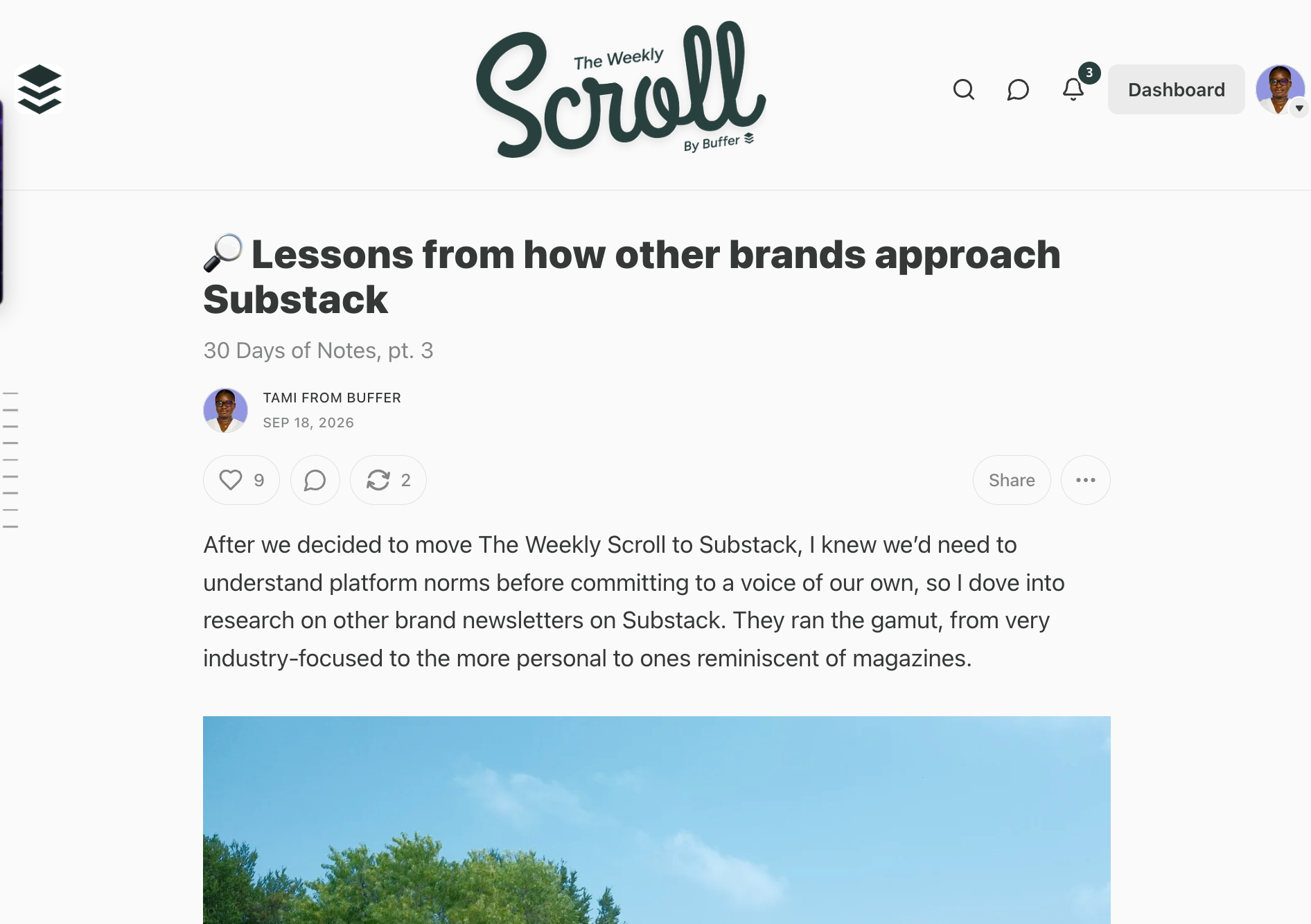
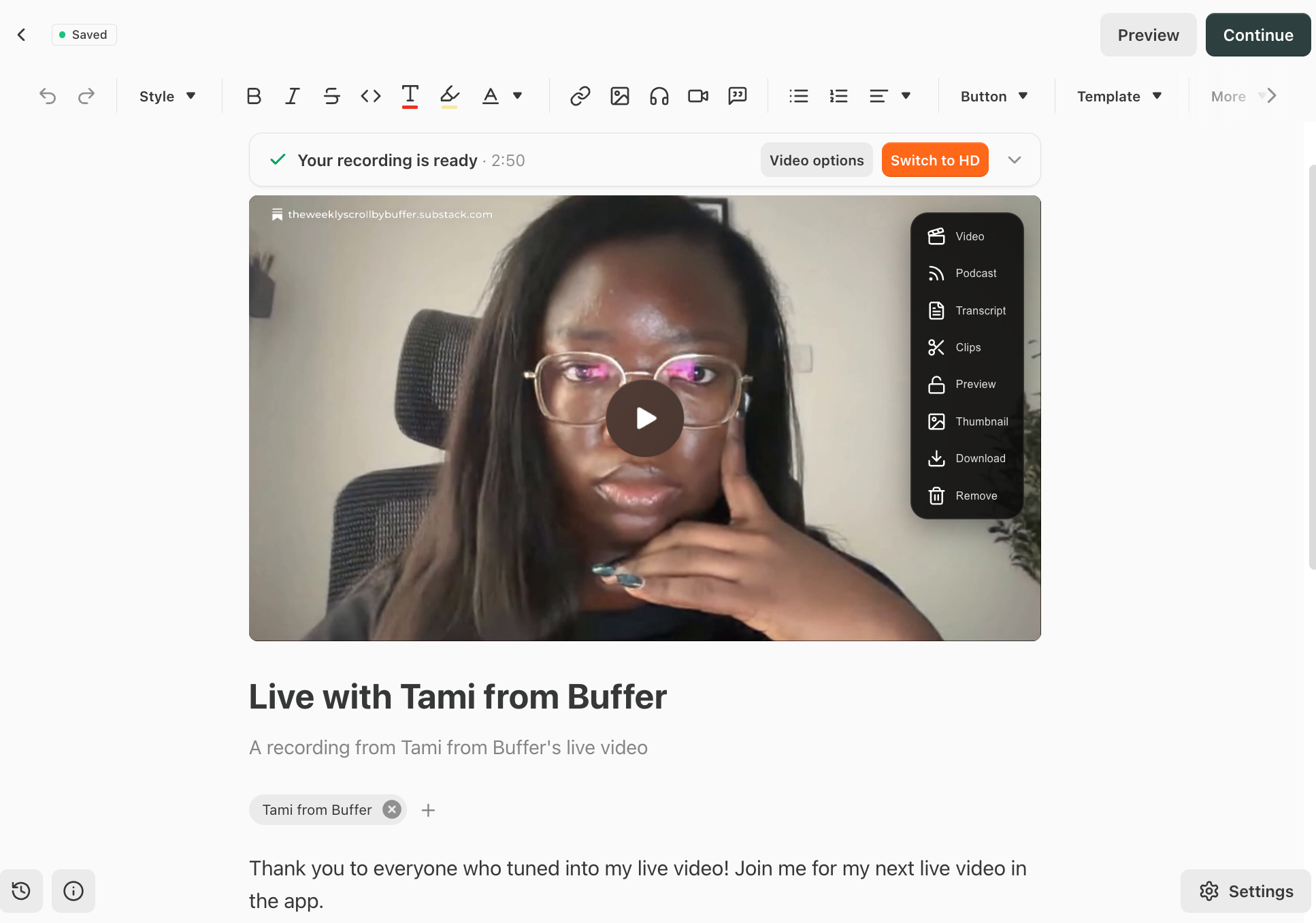
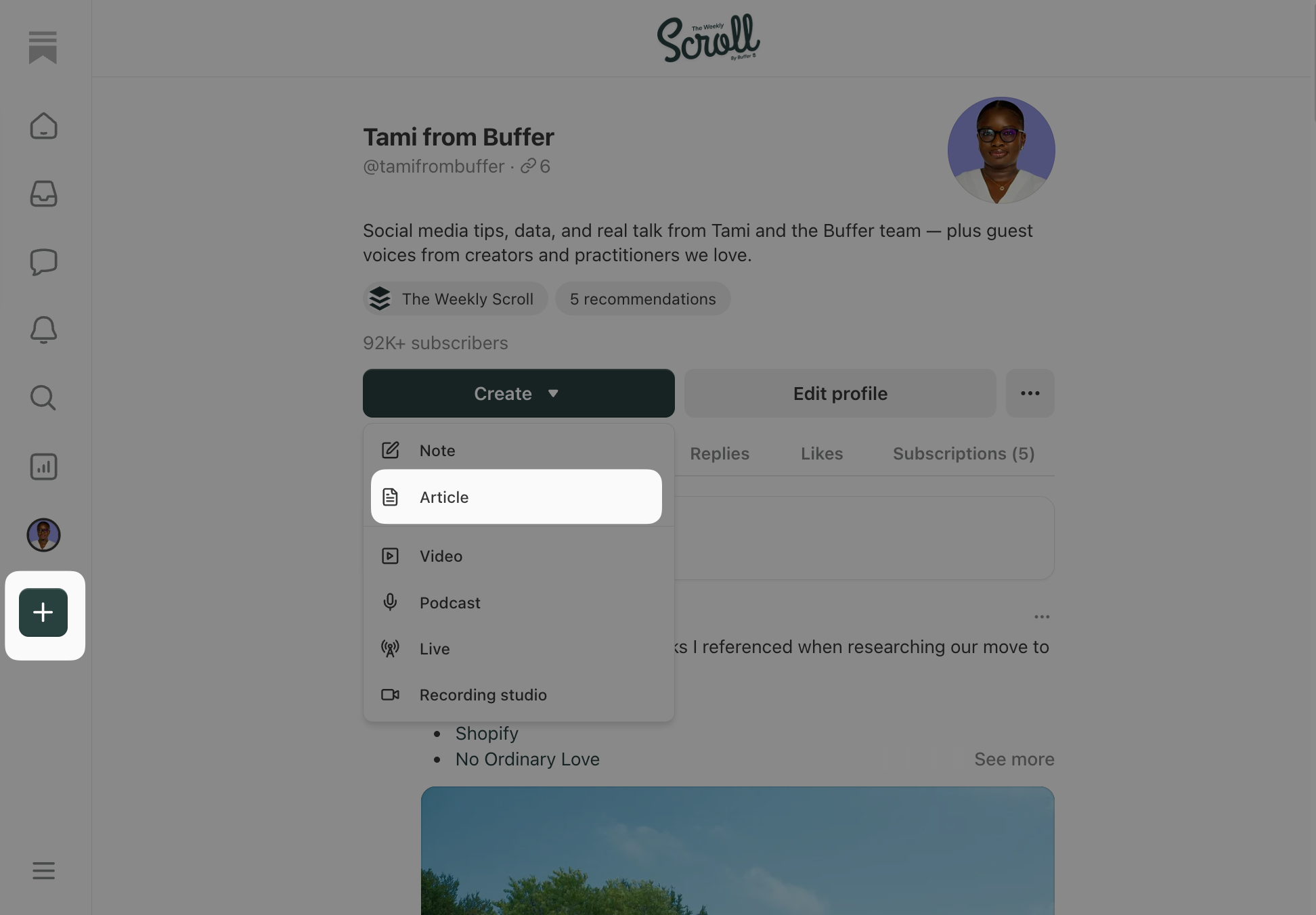
The platform offers four primary content surfaces. Posts serve as the foundational long-form medium, delivering writing directly to subscriber inboxes while archiving them on a permanent web publication page. Over recent years, Substack has heavily expanded its multimedia infrastructure. Creators can seamlessly host podcasts, complete with automated RSS feeds that integrate with Apple Podcasts and Spotify. Furthermore, video publishing has evolved significantly; creators can upload files directly or utilize Substack’s native Recording Studio. Every audio and video upload automatically generates an editable transcript. Additionally, by connecting a YouTube channel through settings, publishers can syndicate video content automatically, including the generation of up to two vertical Shorts.
Complementing long-form posts is Notes, Substack’s short-form social feed that mirrors the functionality of microblogging networks like X or Threads. Notes are entirely public, enabling discovery from users who do not yet follow the publisher. Creators can publish text, images, GIFs, and short video clips. A critical feature of the social layer is the restack function, which allows users to broadcast other creators’ posts and notes to their own feeds with optional commentary. In 2025, Substack introduced a dedicated media tab, acting as a vertical short-form video feed reminiscent of TikTok, showcasing native video notes and post clips.
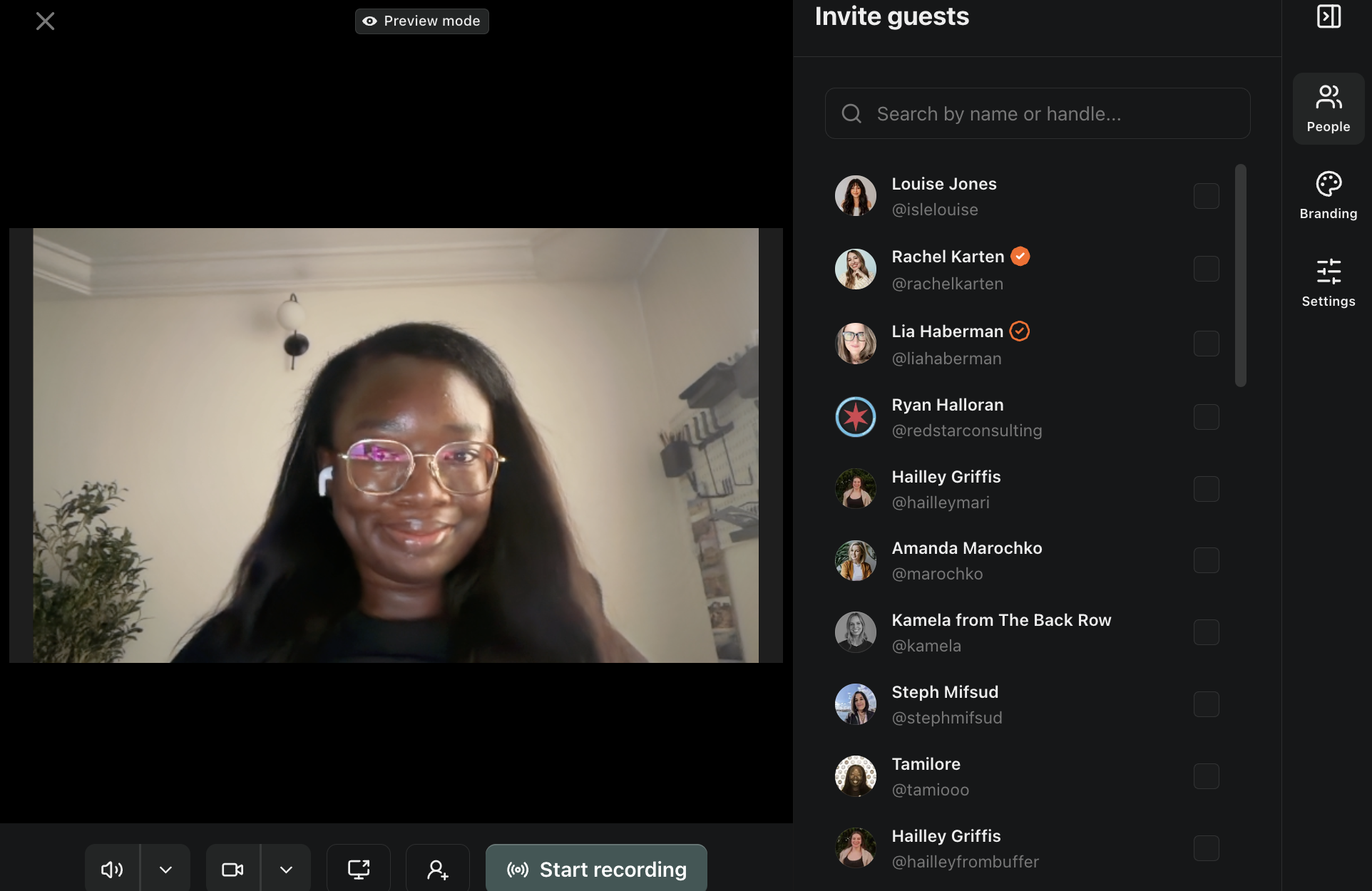
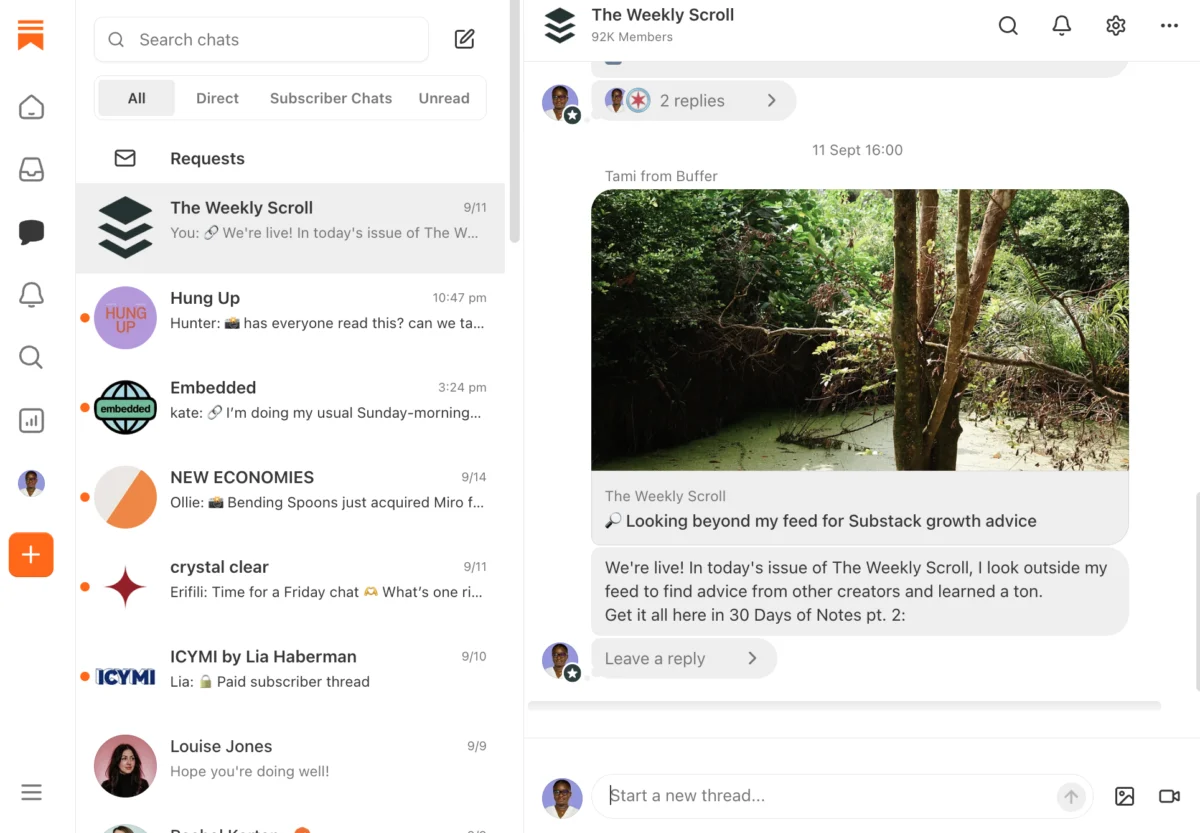
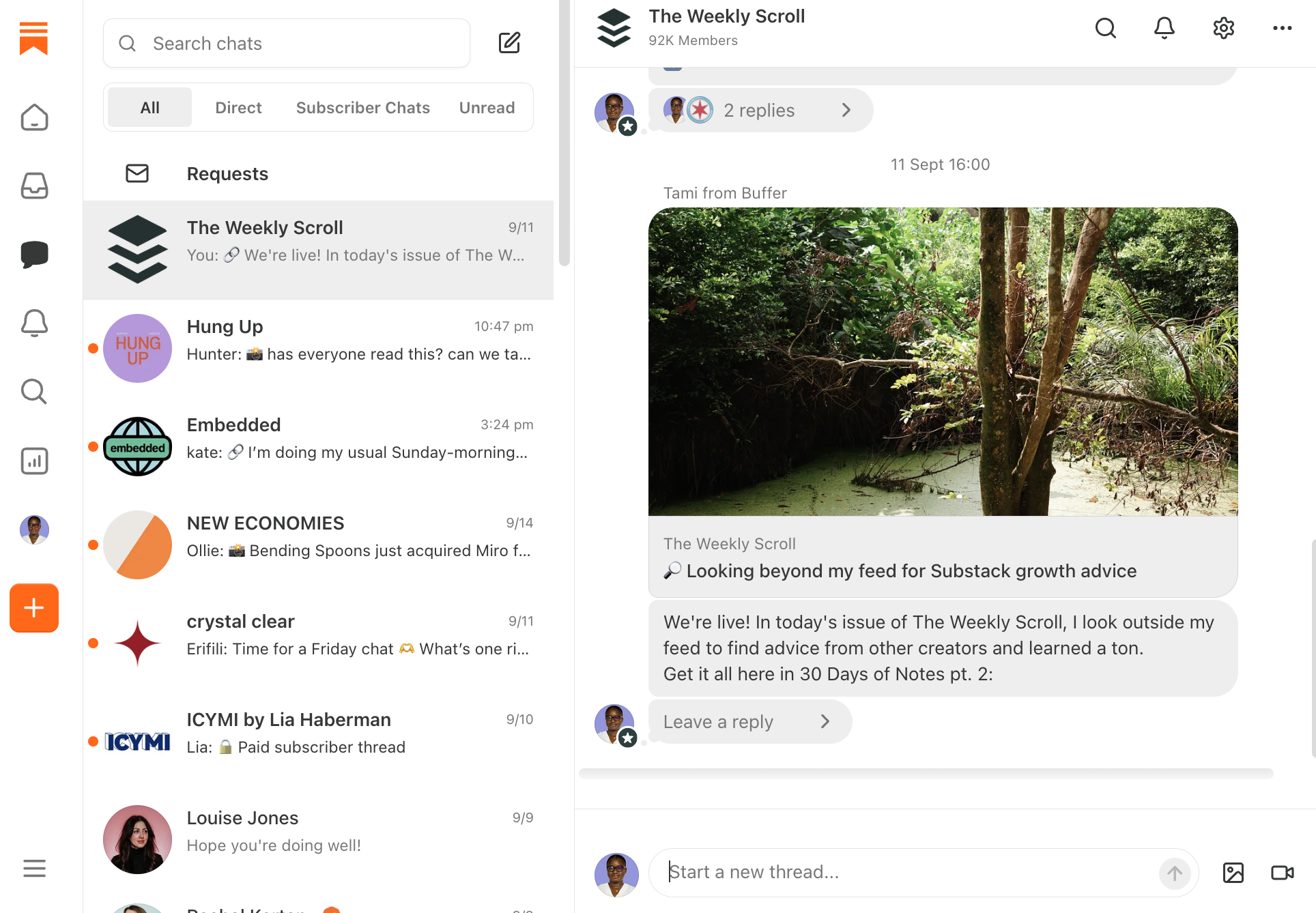
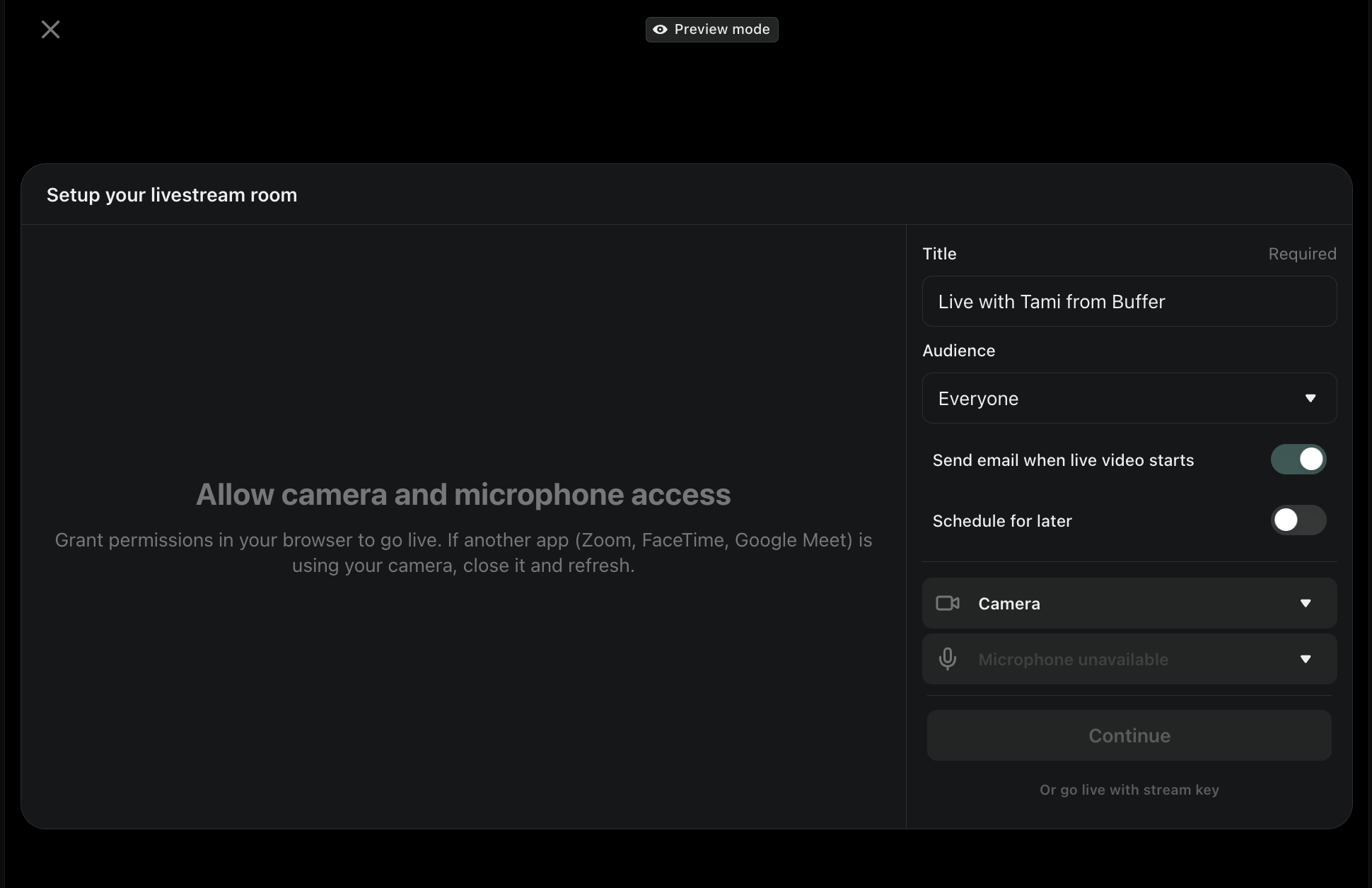
Community engagement is further facilitated through Chat and Live features. Chat provides a subscriber-only environment hosted within the app and the publication’s web portal, operating similarly to a moderated group chat. Direct messaging between readers and writers also lives within this interface. Meanwhile, Live enables real-time video broadcasting directly from the app or desktop, allowing creators to stream to general users, free subscribers, or paywalled members exclusively. Once a broadcast concludes, the recording saves automatically as a draft, allowing creators to repurpose the content into traditional posts or bite-sized promotional notes.
Audience Differentiation and Monetization Structures
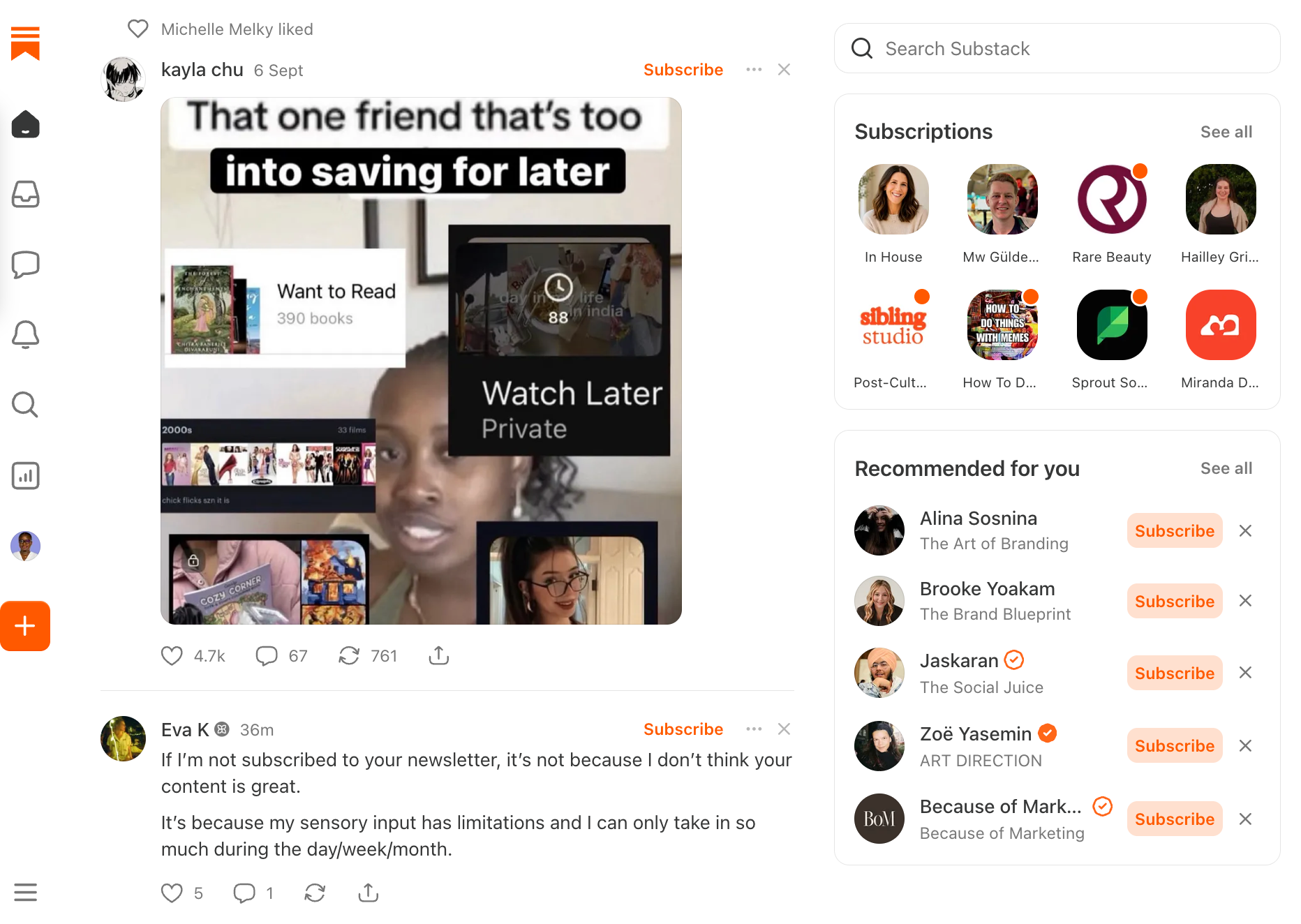
A vital distinction within the platform is the separation between subscribers and followers. Subscribers represent individuals who have shared their email addresses to receive direct dispatches, granting them access to email archives, subscriber-only chats, and gated content. Followers, conversely, interact exclusively within the social and app ecosystem via Notes without receiving email distributions. While followers are instrumental for top-of-funnel discovery, the strategic objective for any publisher remains converting followers into email subscribers, as email lists remain exportable assets fully owned by the creator.
Monetization on Substack operates on a freemium model. Creators can maintain entirely free publications indefinitely or activate paid subscriptions by integrating an external Stripe account. Once enabled, publishers establish tiered pricing models—including monthly, annual, and founding member options—and designate which content elements reside behind the paywall, such as full-length essays, premium chat threads, or exclusive livestreams. Substack retains a 10% platform fee on all paid transactions, while Stripe deducts standard processing fees.
Step-by-Step Publication Setup and Infrastructure
While it is technically possible to publish content immediately after registering a new account, industry best practices dictate a deliberate, structured setup phase. Establishing a comprehensive publication profile prior to driving external traffic ensures that prospective readers encounter a polished, established publication rather than a barren landing page.
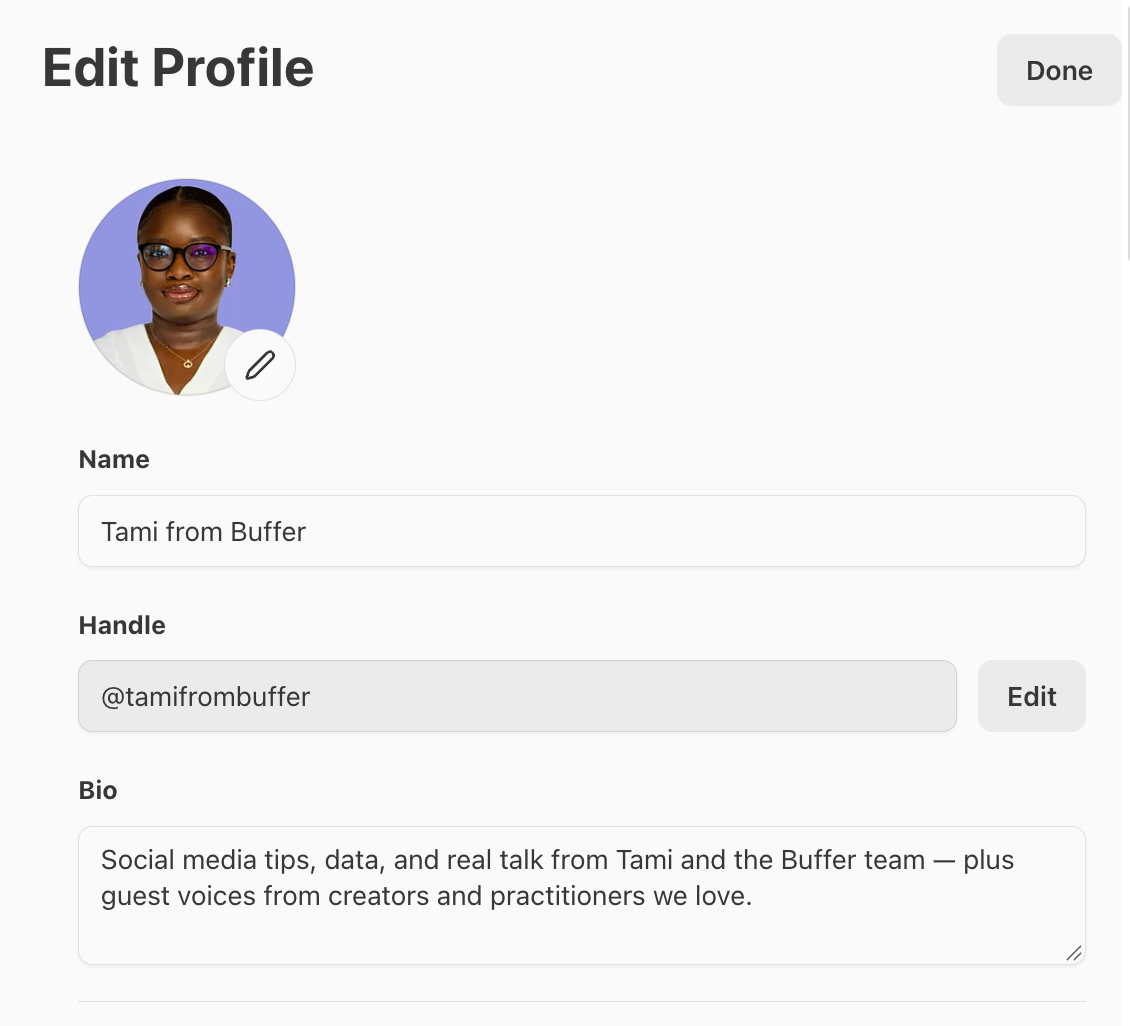
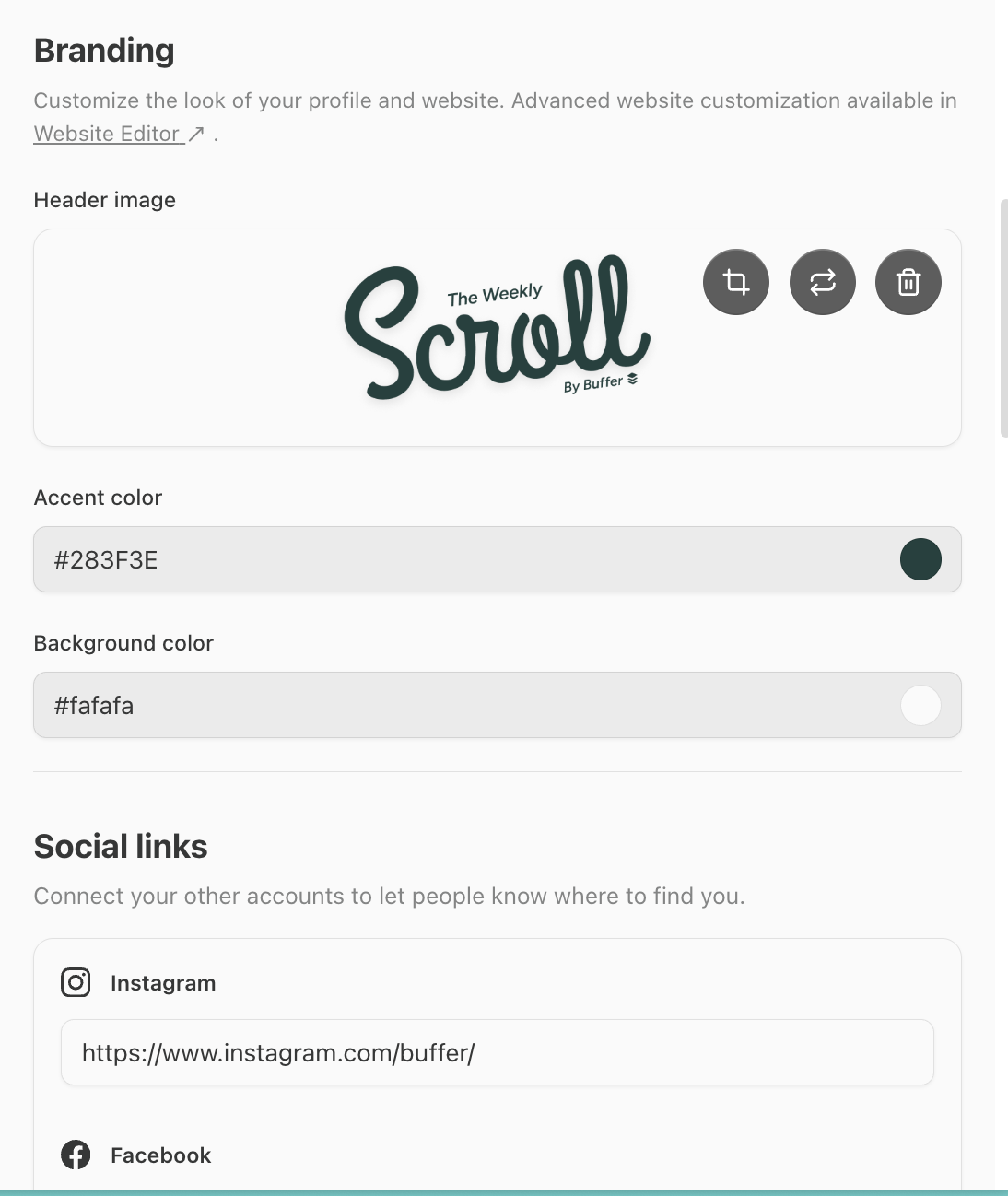
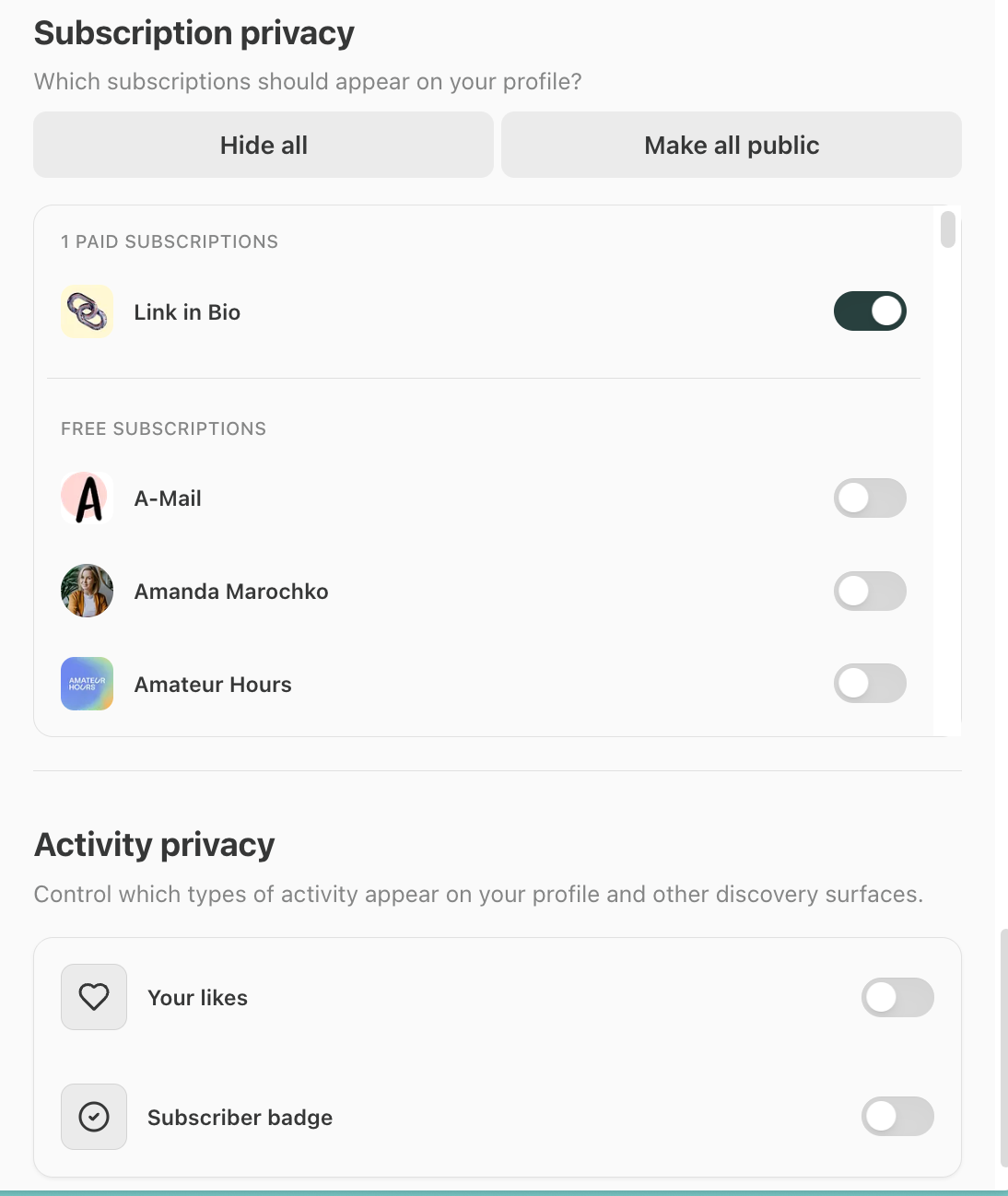
The setup process begins by navigating to the user profile settings to configure biographical details, profile imagery, and visual branding, such as accent colors and header graphics. Publishers are also advised to configure subscription privacy settings to display publications they personally endorse. Publicly displaying recommended publications leverages Substack’s powerful recommendation engine, an organic growth mechanism within the ecosystem.
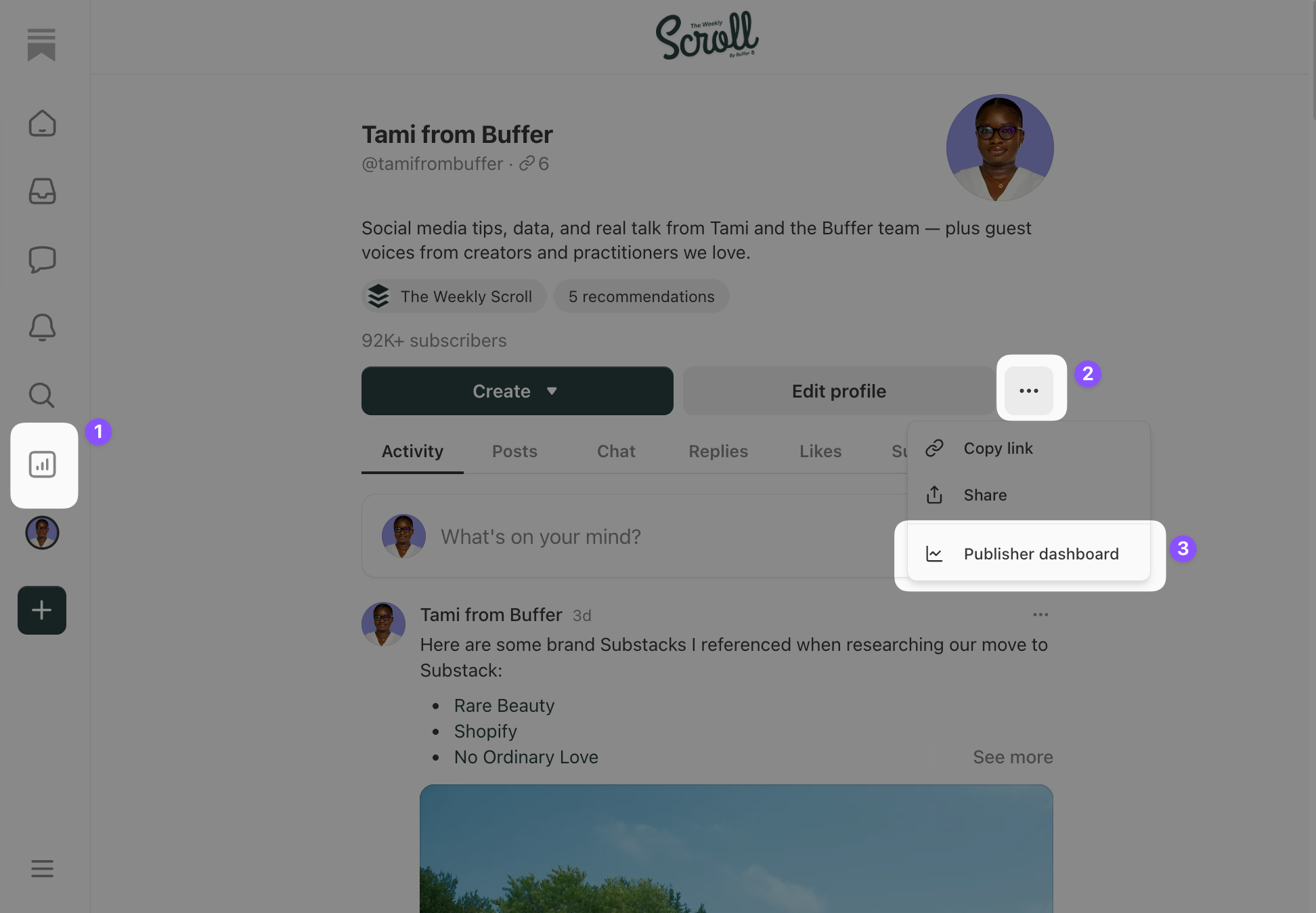
Next, creators must access their Publisher Dashboard via the settings interface to define foundational parameters, including publication titles, descriptive taglines, and brand logos. Concurrently, configuring the automated welcome email is paramount. New subscribers receive this communication instantly upon opting in, presenting an ideal window to establish brand identity, outline publishing frequencies, and prompt readers to reply directly. Direct replies significantly enhance email deliverability rates while initiating direct dialogue with core readership.
Even if immediate monetization is not the primary objective, connecting a Stripe account during the initial setup phase is highly recommended. This five-minute administrative step ensures that paid subscription infrastructure is pre-configured should the publication choose to monetize later. Publishers must verify regional eligibility, as Stripe and paid Substack features remain restricted in select international jurisdictions.
For creators migrating from alternative ecosystems such as Mailchimp, Ghost, WordPress, or Medium, Substack provides robust data migration tools. Existing subscriber bases can be imported via CSV or TXT file uploads, provided explicit consent has been gathered from the list. Similarly, legacy archives can be imported seamlessly, though administrators must manually moderate and prune imported drafts following the migration.
Content Strategy, Niche Selection, and Sustainable Publishing
Establishing a sustainable publishing framework requires balancing editorial focus with realistic operational capacity. Successful publications typically exhibit a well-defined niche, a consistent publishing cadence, and a distinct authorial voice.
While hyper-specific niches are not strictly necessary on day one, having a clear thematic baseline is essential for attracting targeted readers. Creators should evaluate topics they can reliably write about week after week, identifying unique angles or perspectives missing from the current media landscape. Editorial formats can range widely from essay-style deep dives and curated link roundups to investigative interviews and tactical how-to guides. The optimal format is one that aligns with the creator’s long-term operational endurance.
Publishing consistency is heavily emphasized by the platform’s distribution algorithms. A weekly publishing cadence represents the most common and sustainable baseline for newsletters. However, editorial quality should consistently supersede arbitrary frequency. Industry veterans frequently advise that skipping a publication cycle to maintain high editorial standards is preferable to releasing substandard content under the pressure of an artificial deadline.
Search Engine Optimization (SEO) represents another critical yet frequently overlooked growth vector. Creators should actively utilize Substack’s built-in metadata tools to optimize post titles, custom URLs, and meta descriptions. Furthermore, assigning accurate publication categories ensures that Substack’s recommendation engine correctly indexes and suggests the publication to readers with aligned interests.
Organic Growth Methodologies within the Ecosystem
Unlike traditional social media channels where growth is dictated by opaque, fast-moving algorithmic feeds, Substack’s growth mechanics are largely insular and community-driven. Relying heavily on external traffic is secondary to utilizing internal platform features.
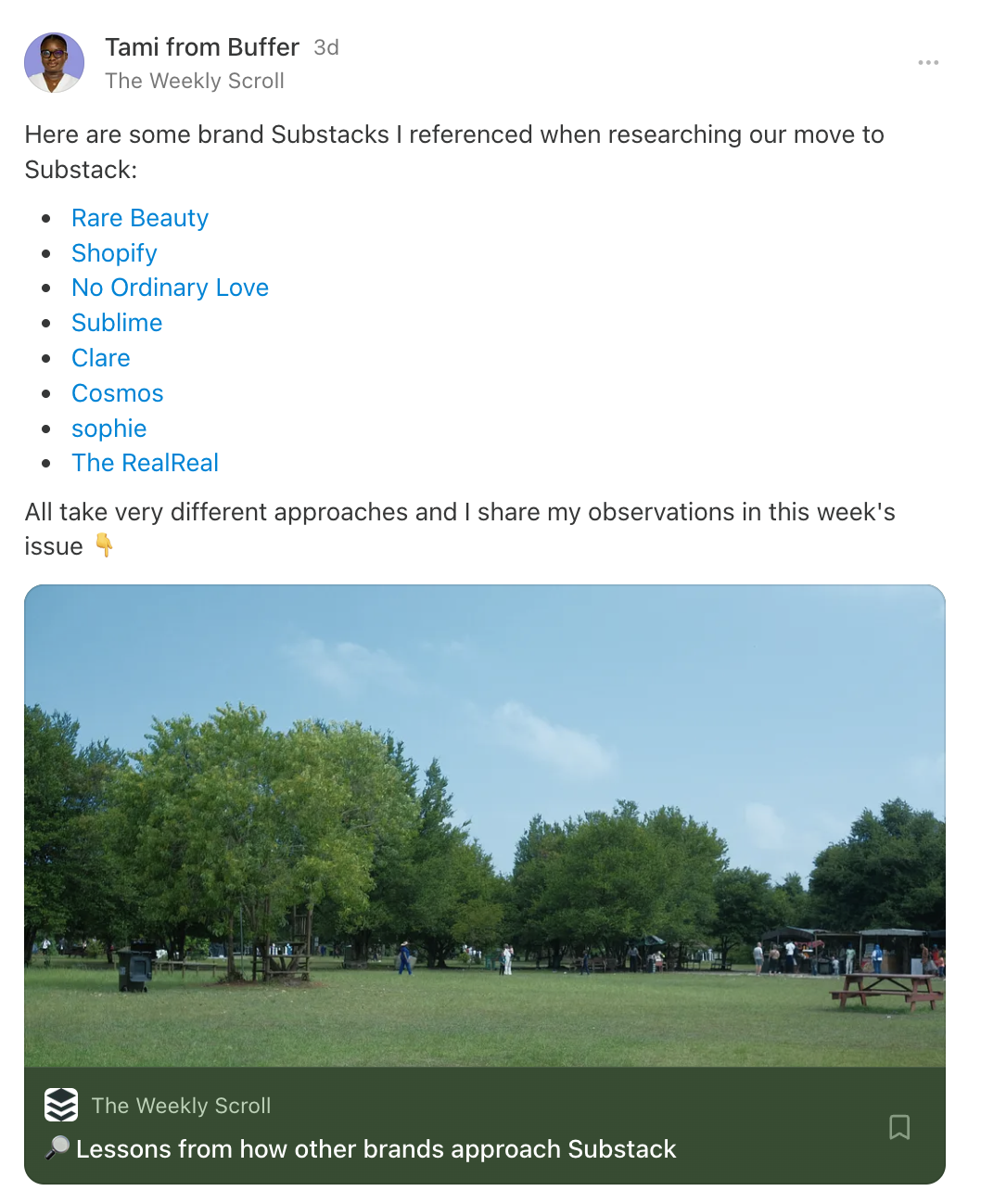
The primary engines of organic growth on Substack include the recommendation network, the Notes discovery feed, and cross-platform restacks. Recommendations—where established publications suggest complementary newsletters to their own audiences—drive a substantial percentage of early subscriber acquisition. Concurrently, maintaining an active presence on Notes by publishing daily or near-daily short-form thoughts significantly enhances algorithmic visibility, routing new readers back to the primary publication archive.
Implications and Future Outlook for Independent Publishing
The continuous expansion of Substack highlights a broader, permanent decentralization of digital media. As traditional media outlets face revenue contraction and social media platforms alter algorithmic distribution models in favor of paid amplification, independent creators increasingly seek direct audience relationships safeguarded by portable email lists.
By integrating long-form publishing with native social discovery, video syndication, and community chat functionality, Substack has effectively bridged the gap between traditional journalism and modern creator economies. For writers, journalists, and subject-matter experts entering the digital publishing landscape, mastering these integrated tools offers a viable, highly sustainable pathway toward creative independence and financial autonomy.