The mechanics of short-form video distribution continue to challenge content creators and commercial enterprises alike, particularly as platform algorithms evolve. While creative quality remains paramount, scheduling strategic deployment has emerged as a critical variable in audience acquisition. Recently released empirical research sheds new light on these distribution dynamics, providing a comprehensive roadmap for optimizing visibility on one of the world’s most dominant social media networks.
To determine the optimal windows for digital distribution, researchers analyzed a comprehensive dataset encompassing more than 7.1 million distinct content pieces, including videos, carousels, photographs, and text posts. The findings reveal definitive behavioral trends among global audiences, offering clear parameters for maximizing early algorithmic momentum.
Chronology of Audience Engagement and Platform Mechanics
The distribution architecture of modern short-form video platforms relies heavily on initial user interaction metrics. When content is published, automated systems evaluate early engagement signals—such as watch duration, completions, likes, shares, and comments—within a crucial initial window, typically lasting approximately 60 minutes.
Content that secures rapid interaction during this preliminary phase is frequently elevated to broader distribution channels, such as the For You Page, exposing the material to wider demographic segments. Conversely, content published during periods of low user activity risks stagnation, failing to accumulate the necessary velocity to trigger algorithmic expansion.
Historically, digital strategists relied on generalized assumptions regarding user behavior, often targeting standard commuting hours or late-night scrolling habits. However, comprehensive data collection across millions of accounts demonstrates that audience attentiveness on short-form video platforms differs significantly from traditional text-based or static image networks. Because video consumption demands active, sound-on focus, users reserve their highest engagement for specific periods of unstructured leisure.
Comprehensive Data Analysis: Peak Performance Windows
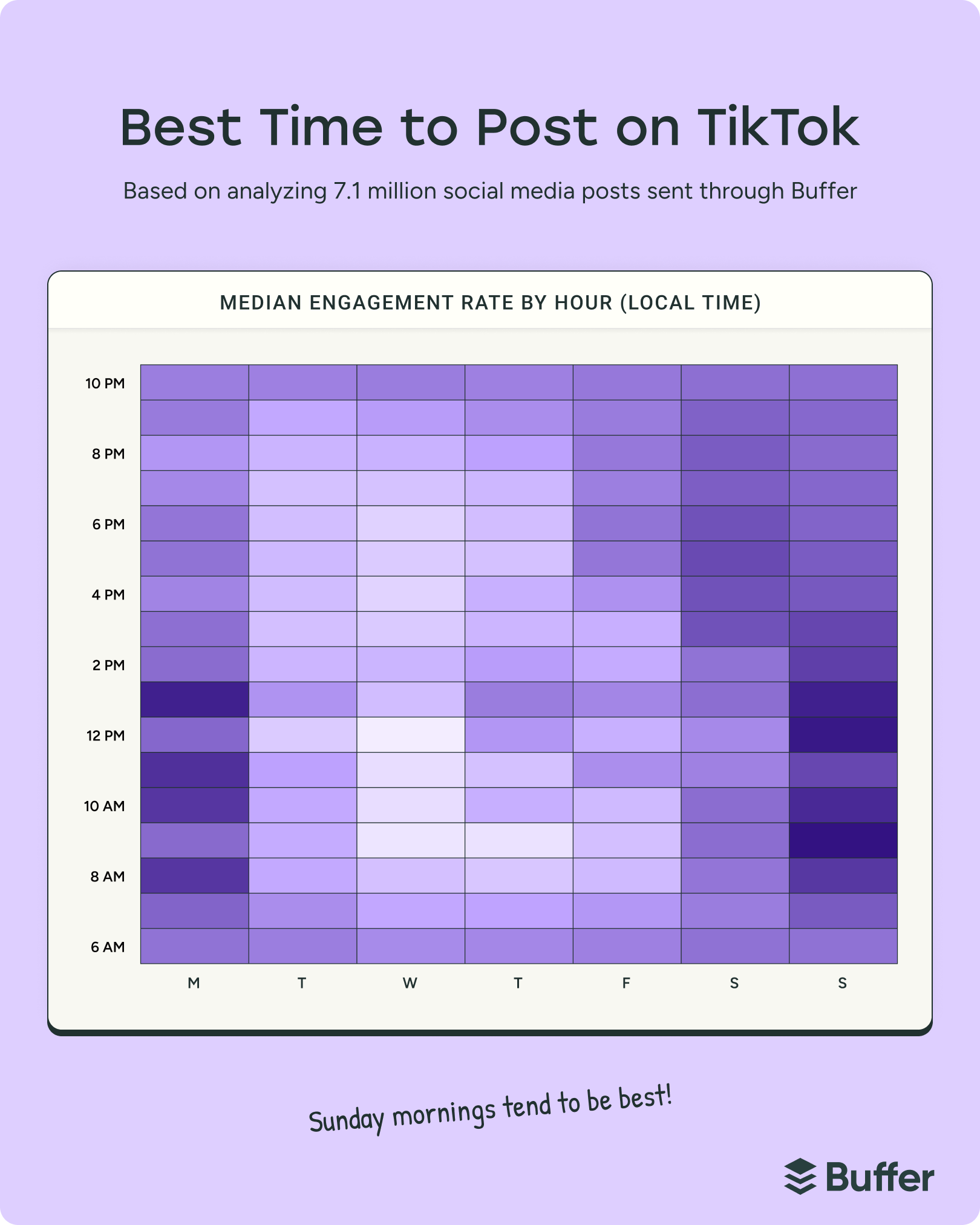
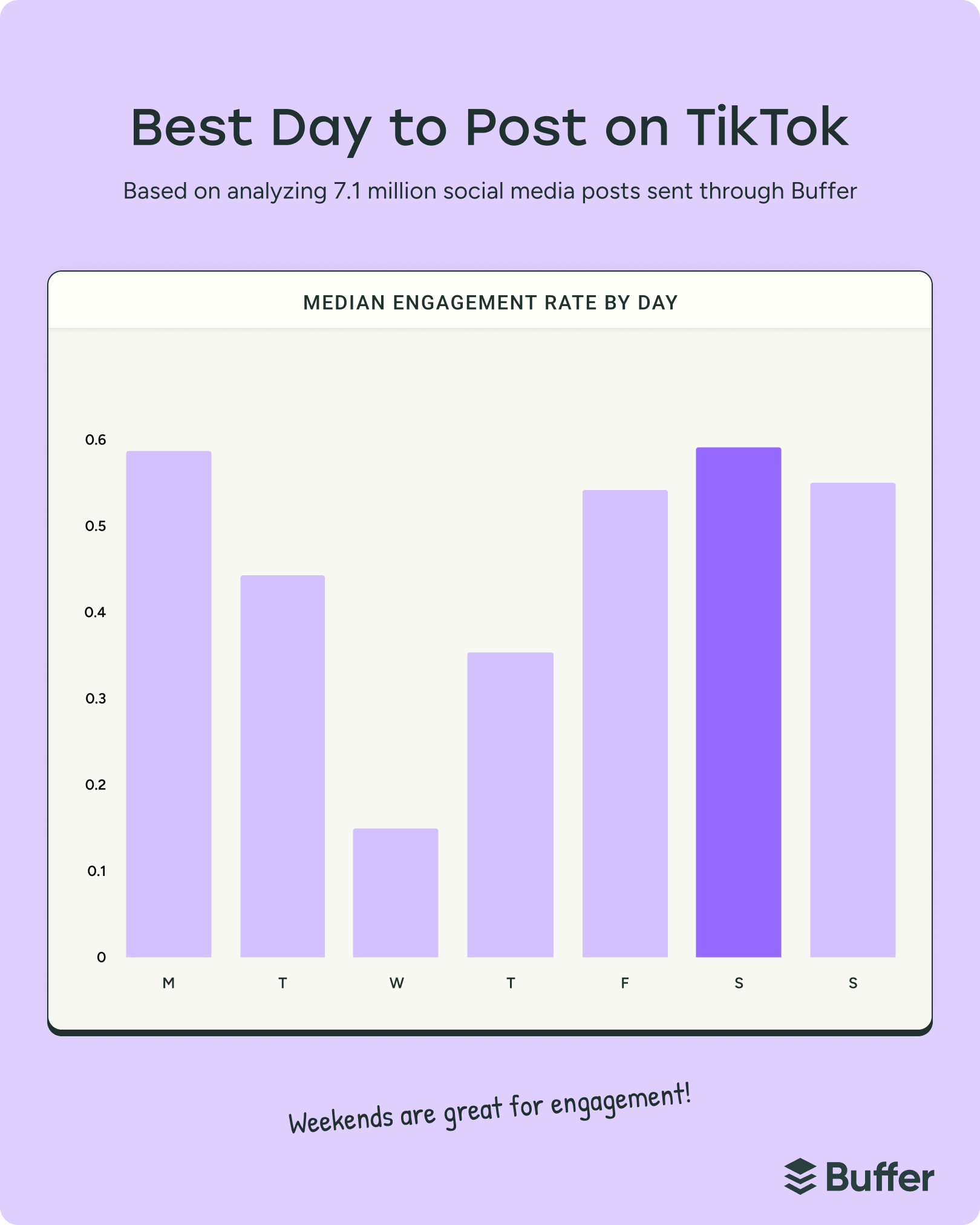
The analysis of 7.1 million posts established that while no universal schedule guarantees algorithmic success, specific days and hours consistently outperform others in median engagement rates.
At the macro level, weekend distribution—particularly Saturday and Sunday—demonstrates exceptional performance. The single most effective hour identified across the entire dataset is Sunday at 9:00 a.m., followed closely by Monday at 1:00 p.m. and Sunday at 1:00 p.m.
Weekly Performance Breakdown
- Monday: Performance peaks at 1:00 p.m., supported by secondary high-engagement windows at 11:00 a.m. and 8:00 a.m. Monday consistently ranks as one of the strongest weekdays for overall interaction.
- Tuesday: Early morning activity dominates, with the primary peak occurring at 6:00 a.m., followed by late-night engagement at 10:00 p.m. and a secondary morning slot at 7:00 a.m.
- Wednesday: Engagement shifts toward the late evening, registering its highest median interaction rate at 10:00 p.m., preceded by peaks at 6:00 a.m. and 9:00 p.m.
- Thursday: Midday distribution proves most effective, with a primary peak at 1:00 p.m. and supporting slots at 10:00 p.m. and 6:00 a.m.
- Friday: Evening leisure drives activity, establishing a primary optimal window at 6:00 p.m., followed by strong late-night engagement at 10:00 p.m. and 8:00 p.m.
- Saturday: Emerging as the single strongest day of the week for overall median engagement, Saturday performs best during the late afternoon, peaking at 5:00 p.m., 4:00 p.m., and 3:00 p.m.
- Sunday: Housing the highest-performing single hour of the week (9:00 a.m.), Sunday maintains strong momentum through midday peaks at 1:00 p.m. and 12:00 p.m.
Across the broader diurnal cycle, engagement consistently surges during evening hours, specifically between 6:00 p.m. and 11:00 p.m. Conversely, afternoon periods spanning from 12:00 p.m. to 5:00 p.m. typically yield lower median interaction rates, with isolated exceptions during traditional meal breaks.
Implications for Content Creators and Commercial Enterprises
For independent creators and small business operators, aligning publication schedules with empirical data reduces the uncertainty inherent in digital marketing. Industry analysts note that while timing functions merely as a catalyst rather than a standalone solution, systematic scheduling provides a distinct competitive advantage.
Experts emphasize that timing must be paired with rigorous content structuring. Because platform algorithms prioritize watch time and audience retention, the initial three seconds of a video remain the definitive factor in determining whether a user remains engaged or transitions to alternative content. Consequently, marrying data-driven publication schedules with compelling narrative hooks maximizes the probability of sustainable channel growth.
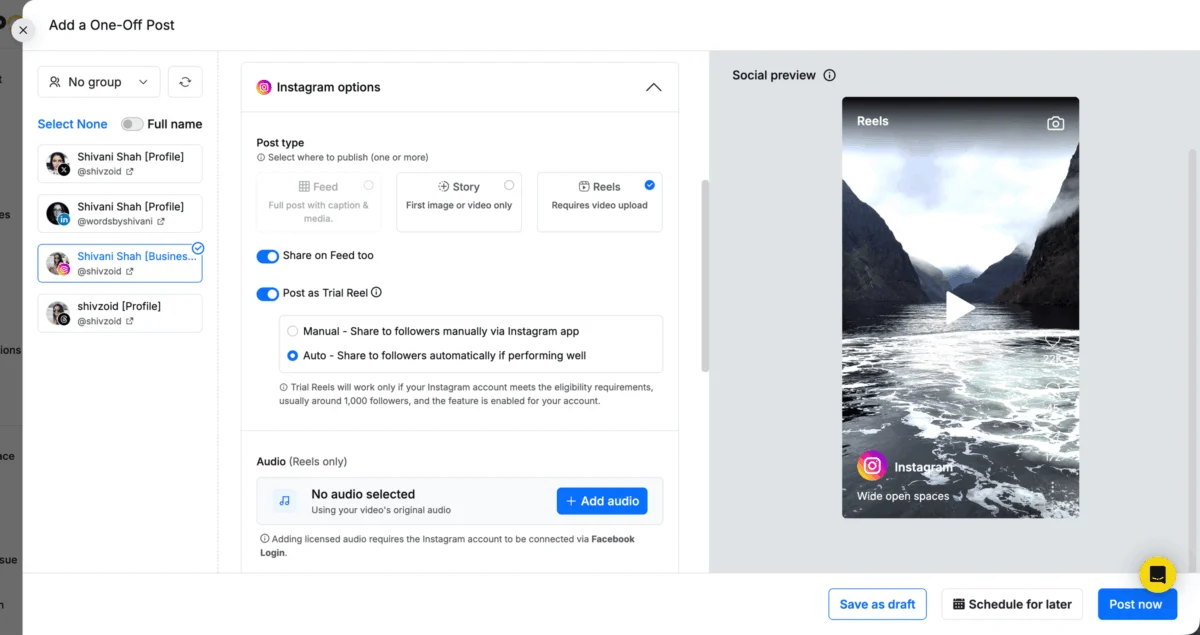
Furthermore, commercial entities utilizing multi-platform distribution strategies are increasingly adopting automated scheduling software. These technical integrations allow organizations to synchronize content deployment with localized audience activity analytics, mitigating the logistical challenges associated with manual posting across varied global time zones.
Methodological Considerations and Customization
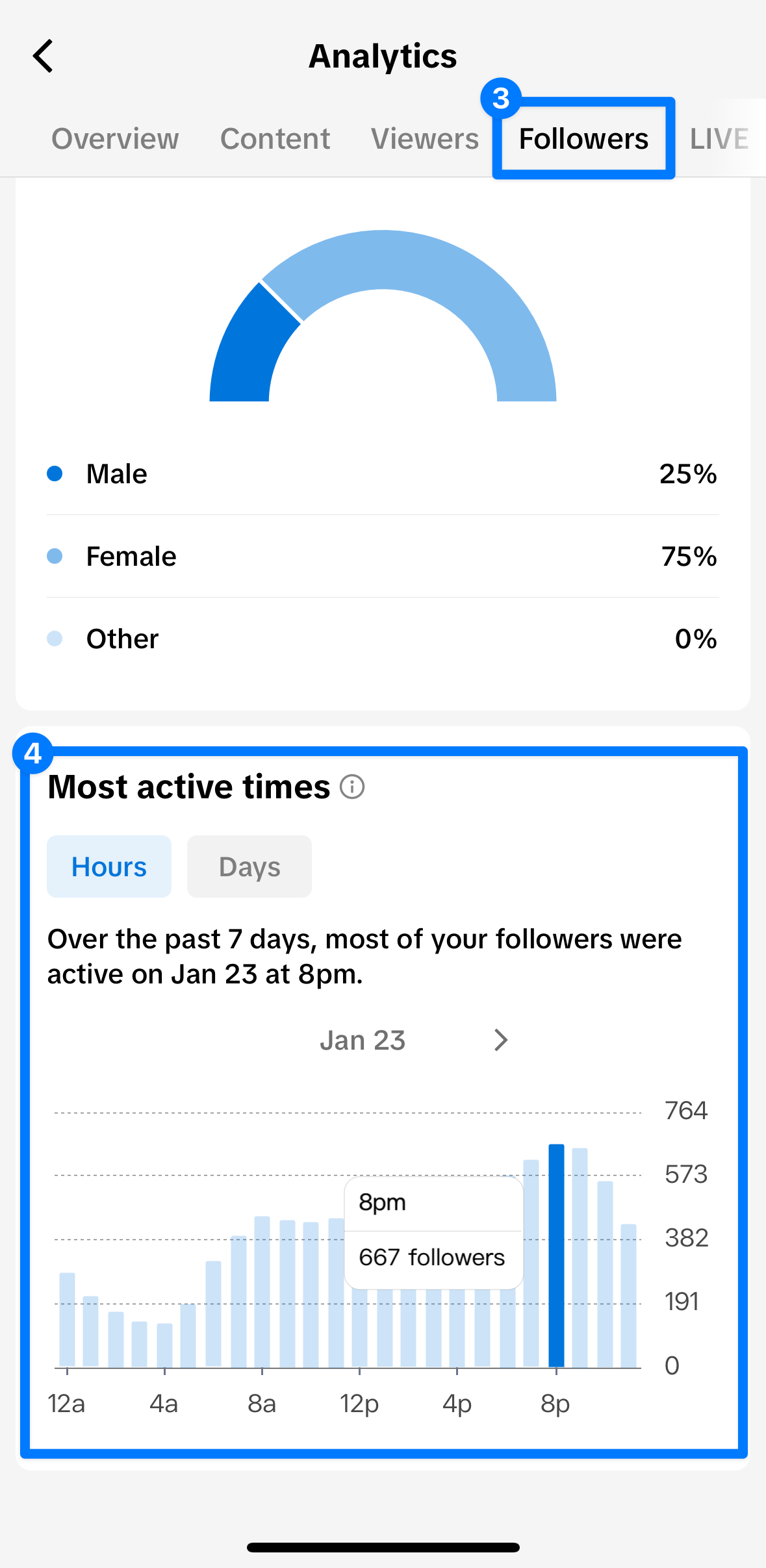
While aggregate datasets provide valuable baselines, digital strategists advise individual brands to conduct internal audits. Audience demographics, geographic distribution, and niche-specific behaviors frequently generate deviations from macro-level trends.
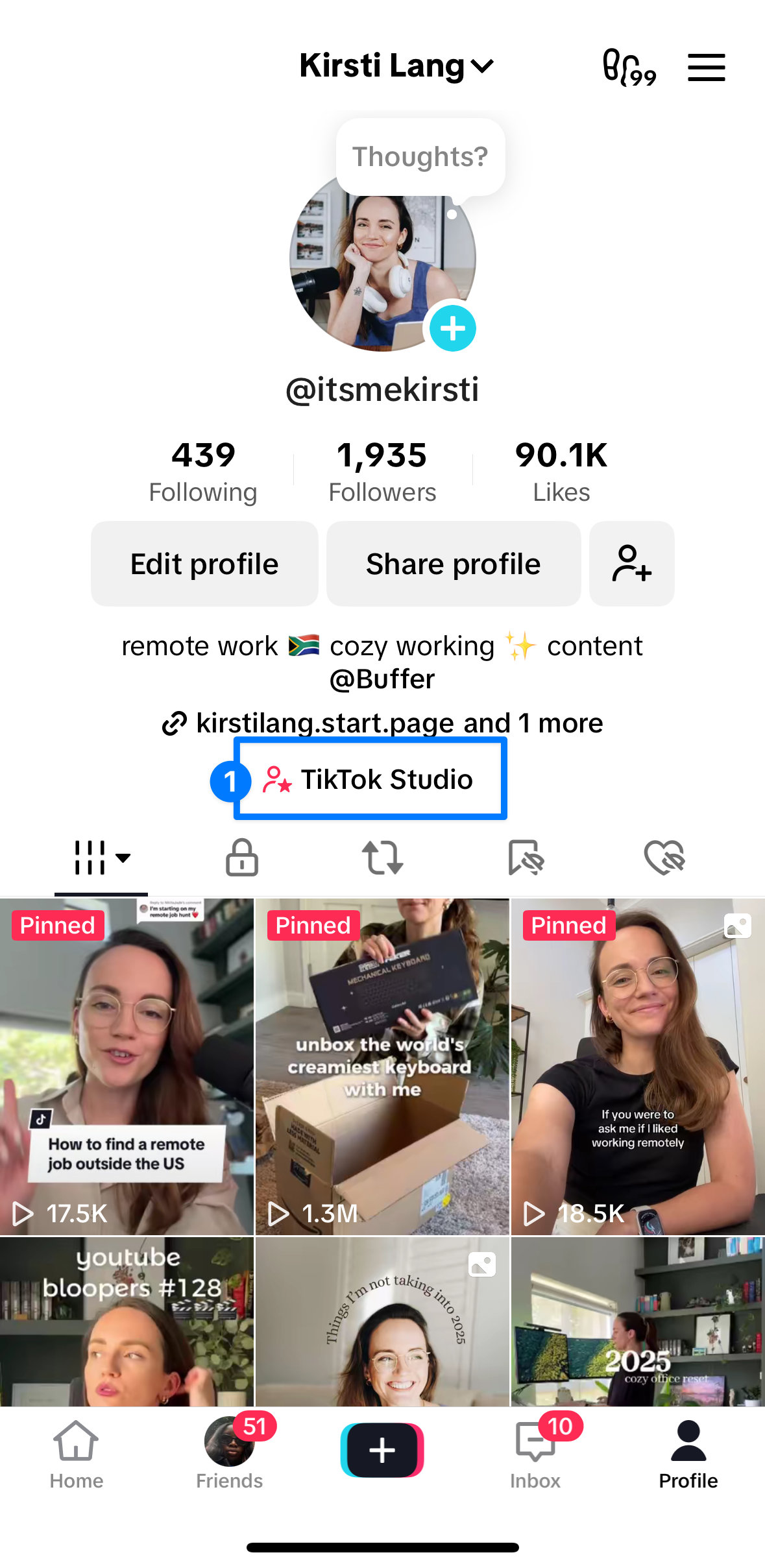
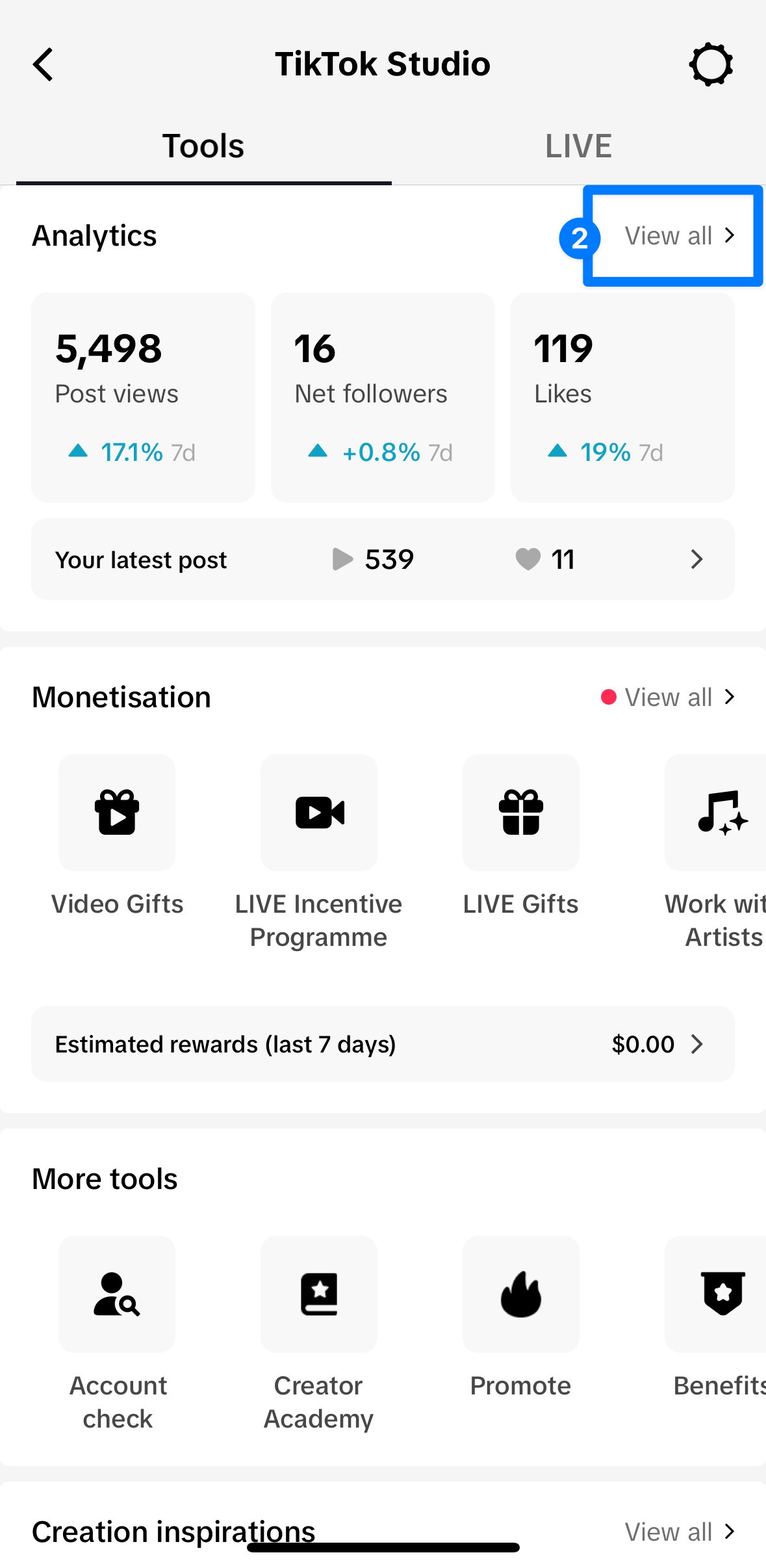
Creators can evaluate platform analytics dashboards to identify precise behavioral patterns among their specific follower bases. By cross-referencing native activity metrics with empirical benchmarks, publishers can systematically test alternative time slots, monitor engagement evolution, and refine their long-term distribution frameworks to achieve optimal digital reach.