Reynand Holland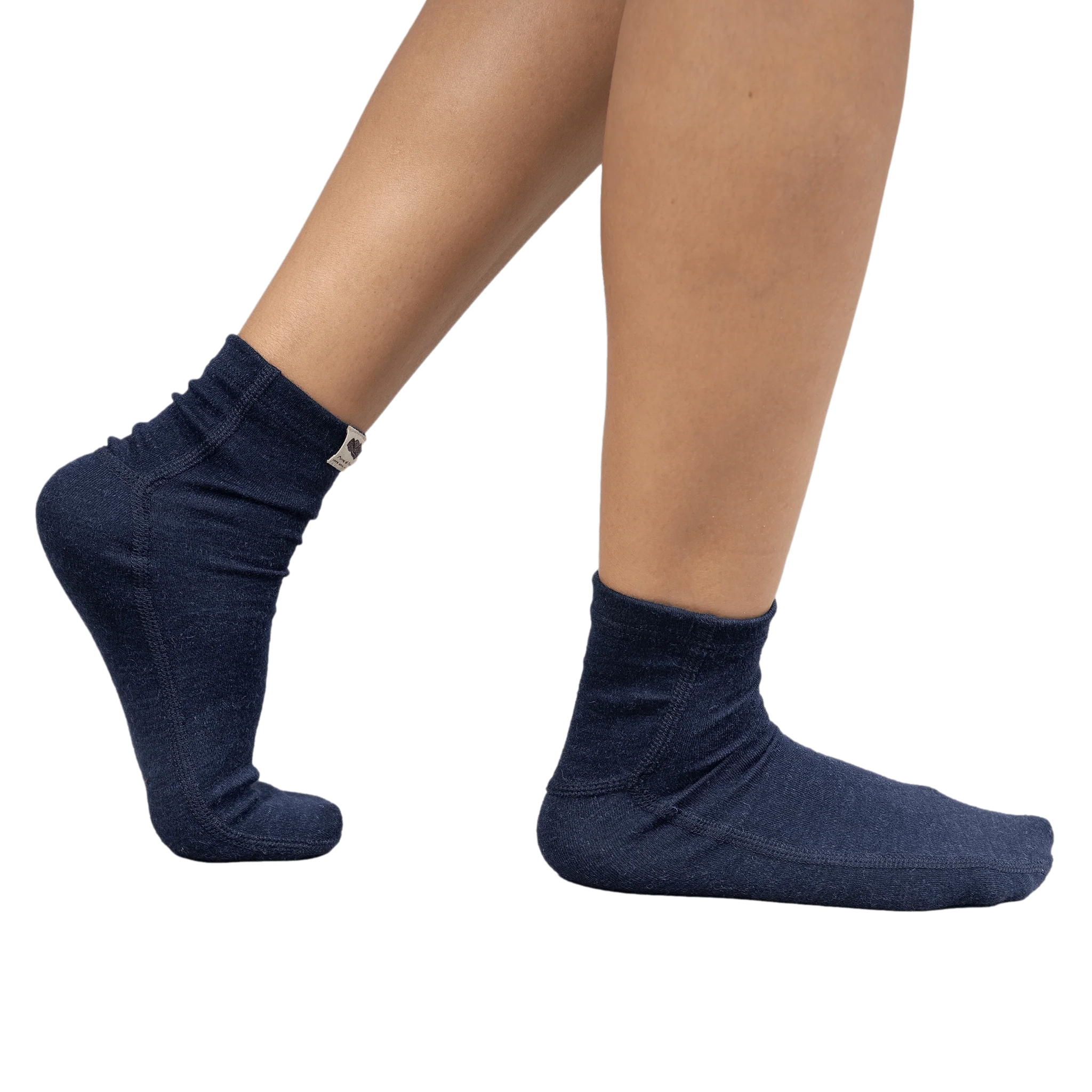
Socks, often relegated to the background of our sartorial choices, are quietly undergoing a revolution. Far from being a mere afterthought, the materials and manufacturing processes behind our hosiery are increasingly coming under scrutiny, especially for individuals with sensitive skin or a commitment to environmental sustainability. The humble sock, it turns out, can be a significant source of discomfort and environmental concern if not chosen wisely. Synthetic materials and certain dyes, commonly found in conventional socks, can trigger skin irritation and, more alarmingly, pose potential health risks. This has spurred a growing demand for socks crafted from natural fibers, utilizing non-toxic dyes, and produced through ethical and transparent supply chains.
The discomfort caused by synthetic socks, particularly those made from polyester, extends beyond mere unpleasantness. These materials are notorious for trapping odors, creating an environment conducive to bacterial growth. More critically, the azo-benzene disperse dyes frequently employed in coloring polyester are recognized as potent skin sensitizers. Research published in journals like the Journal of Investigative Dermatology has highlighted the potential for these dyes to cause allergic contact dermatitis, a common dermatological condition. Furthermore, studies, such as those appearing in Environmental Health Perspectives, have indicated that certain azo dyes, when absorbed through the skin, can metabolize into carcinogenic compounds. This absorption is particularly concerning in the case of socks, where increased perspiration can accelerate the migration of chemicals from the fabric to the skin. This growing awareness has prompted consumers to seek alternatives that prioritize both personal well-being and planetary health.
The shift towards natural fibers and safer dyes is not merely a trend but a response to a confluence of factors, including increased public awareness of chemical exposure and the environmental impact of fast fashion. The textile industry has historically been a significant contributor to pollution, from water contamination by dyes to microplastic shedding from synthetic fabrics. Consumers are now demanding greater transparency and accountability from brands, pushing for practices that minimize harm to both people and the planet. This has led to the proliferation of certifications and labels that guide consumers toward more responsible choices, making the selection of even the simplest wardrobe items a conscious act.
The Foundation of Comfort: Natural and Sustainable Fibers
The bedrock of a comfortable and skin-friendly sock lies in its material composition. For those with sensitivities or a preference for natural materials, opting for socks made from 100% natural fibers is the paramount consideration. While the inclusion of a small percentage of elastane for stretch is common and often negligible in its irritant potential, finding completely synthetic-free socks can be a challenge. Brands like Cottonique and Arms of Andes stand out for their commitment to offering entirely synthetic-free options, demonstrating that comfort and durability can be achieved without relying on petroleum-based materials.
Beyond these dedicated brands, most socks will incorporate some synthetic elements. The key then becomes understanding the percentage and type of these synthetics. For consumers who are not acutely sensitive, blends containing a small amount of synthetics, especially recycled materials, can still be a viable and more sustainable choice. However, it is advisable to be aware of brands that use 20% or more synthetic content, as this may increase the likelihood of irritation or reduced breathability.
The Superiority of Natural Alternatives
Several natural fibers have emerged as frontrunners in the sock industry due to their inherent properties:
- Merino Wool: Celebrated for its exceptional natural odor resistance and moisture-wicking capabilities, merino wool is a highly sought-after fiber for activewear and everyday socks. Its fine fibers are soft against the skin, unlike coarser wools, and can regulate temperature effectively, keeping feet warm in the cold and cool in the heat. When sourcing merino wool, consumers should look for certifications like the Responsible Wool Standard (RWS). This standard ensures that the wool is harvested ethically, prohibiting the practice of mulesing, a painful procedure where skin is removed from sheep’s hindquarters to prevent flystrike. This ethical sourcing is crucial for animal welfare within the wool industry.
- Alpaca Wool: Similar to merino, alpaca wool offers excellent thermoregulation, is naturally odor-resistant, and boasts superior moisture-wicking properties. It is often considered even softer and more durable than merino wool. Brands like Paka are championing alpaca wool, highlighting its warmth and resilience for outdoor activities and cold climates.
- Organic Cotton: A staple in sustainable fashion, organic cotton is grown without the use of synthetic pesticides or fertilizers, making it a safer and more environmentally friendly option. Its breathability and softness contribute to overall foot comfort. Certifications such as GOTS (Global Organic Textile Standard) ensure the organic status of the cotton and responsible processing.
- Tencel (Lyocell): Derived from wood pulp, Tencel is a regenerated cellulosic fiber known for its smooth texture, excellent moisture management, and breathability. Its production process is generally considered more environmentally friendly than conventional viscose, utilizing closed-loop systems that recycle water and solvents.
- Linen: A natural fiber derived from the flax plant, linen is exceptionally breathable, strong, and becomes softer with wear. It is also known for its ability to wick away moisture, making it a comfortable choice for warmer climates.
- Bamboo Viscose: While often marketed as eco-friendly, bamboo viscose’s sustainability hinges on its processing. When produced using closed-loop systems, it can be a breathable and soft fiber. However, consumers should be wary of greenwashing and look for transparency in the manufacturing process, as some methods can be chemically intensive.
The Art of Color: Non-Toxic Dyes and Finishes
Beyond the fibers, the dyes and finishes used in sock production play a critical role in their safety profile. For individuals with chemical sensitivities or a desire to minimize exposure to potentially harmful substances, the choice of dye is as important as the material itself.
- Undyed Options: The simplest and safest approach is to opt for undyed socks, which embrace the natural colors of the fibers. Brands like Harvest & Mill specialize in dye-free organic cotton socks, offering a pure and natural alternative.
- Certified Safe Dyes: For colored socks, seeking out certifications from reputable organizations is essential. Oeko-Tex is a globally recognized standard that tests textiles for harmful substances at every stage of production. A product with an Oeko-Tex certification guarantees that it has been tested for a wide range of harmful chemicals and that the levels found are below strict limits. Another key certification is bluesign, which focuses on a holistic approach to textile production, aiming to eliminate hazardous substances from the outset of the manufacturing process. This certification ensures that the entire supply chain is managed responsibly, considering both environmental impact and worker safety.
- Restricted Substances Lists (RSLs): Brands that are transparent about their chemical management often publish their own Restricted Substances Lists (RSLs). These lists detail the chemicals that the brand prohibits from being used in their products, providing an additional layer of assurance for consumers concerned about toxic exposures.
Ethical Threads: Traceable and Ethical Supply Chains
The journey of a sock from raw material to finished product is often complex, involving multiple stages and geographic locations. Consumers are increasingly interested in the ethical implications of this journey, seeking brands that demonstrate transparency and uphold fair labor practices.
- Supply Chain Transparency: Brands that openly share information about their manufacturing partners, including factory locations and working conditions, empower consumers to make informed choices. This transparency is a strong indicator of a brand’s commitment to ethical production.
- Fair Trade Certification: The Fair Trade certification ensures that producers in developing countries receive fair prices for their goods and are treated ethically. For textiles, this means fair wages, safe working conditions, and environmental sustainability.
- WRAP (Worldwide Responsible Accredited Production): WRAP is an independent, non-profit organization dedicated to promoting safe, lawful, humane, and ethical manufacturing around the world. Factories that achieve WRAP certification adhere to stringent standards covering labor practices, environmental regulations, and security.
- B Corp Certification: B Corp certification is awarded to companies that meet rigorous standards of social and environmental performance, accountability, and transparency. A B Corp sock brand is committed to using business as a force for good, balancing profit with purpose.
Mindful Packaging: Reducing Waste
Even the smallest items in our wardrobe can contribute to waste. The packaging of socks, often involving plastic bags and tags, is an area where sustainable brands are making significant improvements.
- Compostable and Biodegradable Materials: Brands are increasingly opting for packaging that can decompose naturally, reducing landfill waste. This includes materials made from plant-based starches or other biodegradable polymers.
- Recycled and Recyclable Materials: Utilizing post-consumer recycled content in packaging and ensuring that the packaging itself can be easily recycled by the consumer are key strategies for reducing environmental impact.
- Forest Stewardship Council (FSC) Certification: For paper and cardboard packaging, FSC certification assures consumers that the wood fiber used comes from responsibly managed forests, protecting biodiversity and the rights of forest-dependent communities.
Curated Choices: Brands Leading the Way in Conscious Sock Production
The growing demand for sustainable and non-toxic socks has led to a proliferation of brands committed to meeting these standards. Here is a selection of brands that stand out for their dedication to natural materials, safe dyes, ethical production, and mindful packaging:
1. Harvest & Mill
- What we love: Harvest & Mill excels in producing dye-free organic cotton socks. Their commitment extends to growing, spinning, and knitting their cotton in the U.S., thereby shortening the supply chain and supporting domestic agriculture. They also prioritize fabric repurposing and utilize compostable packaging.
- Review: Their dye-free socks are praised for their natural color and exceptional coziness. The crew-style socks offer good ankle coverage without constricting the leg, and despite their thickness, they feel surprisingly lightweight.
- Price Range: $11-$12 for single pairs, $33-$66 for packs.
- Availability: Most countries.
2. Subset
- What we love: Formerly known as Knickey, Subset is a Brooklyn-based brand that emphasizes PFAS-free materials. Their socks are Fair Trade and Oeko-Tex-certified organic cotton, with the cotton sourced and processed in India.
- Review: While some testers found the socks to be thinner than expected, they are noted as being ideal for pairing with fitted shoes and offer a more refined appearance. The elastic cuffs are well-integrated, preventing direct skin contact.
- Watch out for: Subset socks contain approximately 24% synthetics.
- Price Range: $12 per pair.
- Availability: U.S., Australia, Canada, and most European countries.
3. Paka
- What we love: Paka, a certified B Corp, crafts durable yet lightweight socks primarily from alpaca wool and Tencel. Their socks are moisture-wicking, odor-resistant, and dyed with Oeko-Tex-certified dyes. The spinning is done by Peruvian artisans, and they use biodegradable and compostable packaging.
- Review: These socks are highly regarded for their warmth and comfort, particularly for individuals with chronically cold feet. They are well-suited for winter conditions and long hikes. While some mild itchiness might occur, it’s attributed to the natural texture of alpaca wool rather than a chemical reaction.
- Watch out for: Paka socks can contain up to 50% recycled synthetics.
- Price Range: $20-$24 for single pairs, $48-$96 for bundles.
- Availability: Worldwide.
4. Arms of Andes
- What we love: Arms of Andes is a standout for offering socks entirely free of synthetics. Their 100% alpaca fiber slipper socks are sourced from free-range alpacas and are Oeko-Tex-certified. The brand emphasizes a close working relationship with co-op farmers in the Andes and uses compostable packaging.
- Price Range: $20-$25 for single pairs, $65 for packs.
- Availability: U.S., EU, and UK.
5. Cottonique
- What we love: Specializing in 100% cotton, allergy-free apparel, Cottonique offers completely synthetic-free socks. Their products are latex-free, bleach-free, and hypoallergenic, with covered seams to prevent irritation. They collaborate with dermatologists to ensure product safety and use compostable packaging.
- Price Range: $16 for single pairs of thigh highs, $16-$21 for packs.
- Availability: Most countries.
6. Boody
- What we love: This Sydney-based brand offers a range of sock thicknesses made from Oeko-Tex-certified organic bamboo viscose, organic cotton, and recycled nylon. They adhere to a strict code of conduct and work with WRAP-certified facilities.
- Price Range: $9.95-$17.95 for singles, $54 for bundles.
- Availability: U.S. and Canada.
7. Kotn
- What we love: As a certified B Corp, Kotn fosters direct trade relationships with Egyptian cotton farmers, ensuring fair prices. Their socks are made with organic cotton and Oeko-Tex-certified dyes. They offer complete supply chain traceability and use recycled and recyclable packaging.
- Review: These socks are noted for their comfortable feel, professional appearance, and ability to complement outfits.
- Watch out for: Some pairs contain up to 20% synthetics.
- Price Range: $10-$18 for single pairs.
- Availability: Most countries.
8. Quinn
- What we love: Quinn designs durable garments specifically for individuals with eczema. Their selection includes dye-free, lightweight, and mid-weight organic cotton socks, as well as merino wool options. The socks are designed in Canada and ethically produced in Oeko-Tex-certified factories in Portugal and Sri Lanka.
- Review: Both undyed cotton ankle socks and mid-weight merino wool socks from Quinn are reported to be extremely comfortable and breathable. The merino wool socks feature a thick heel, providing warmth and coziness.
- Watch out for: While cotton is GOTS-certified, sourcing details are not always clear. Some pairs contain up to 20% synthetics.
- Price Range: $15 for singles up to $75 for packs.
- Availability: Most countries.
9. Cariloha
- What we love: This certified B Corp produces hypoallergenic socks from bamboo viscose and organic cotton. Their bamboo is Oeko-Tex and Fair Trade-certified, and they use FSC-certified paper packaging.
- Watch out for: Manufacturing locations are not always specified.
- Price Range: $10-$15 for singles, $30-$45 for bundles.
- Availability: U.S., Australia, and Canada.
10. Dedicated
- What we love: Dedicated offers Fair Trade organic cotton socks with bold, eye-catching patterns. Their cotton suppliers are WRAP-certified, and they provide detailed manufacturing information on their product pages.
- Watch out for: Their socks contain up to 25% elastane.
- Price Range: $9-$59.
- Availability: Worldwide.
11. Darn Tough
- What we love: Manufactured in Vermont at family-owned mills, Darn Tough socks are renowned for their comfort and durability. They utilize RWS-certified merino wool and employ Oeko-Tex-certified materials. The company rigorously tests for hazardous substances and uses FSC-certified recycled paper and compostable bags.
- Watch out for: Their socks can contain up to 50% synthetics.
- Price Range: $15-$35 for singles, up to $84 for packs.
- Availability: U.S., UK, and EU.
12. Nisolo
- What we love: Known for its leather goods, Nisolo also offers comfortable socks made in a North Carolina family-owned mill using upcycled cotton, linen, wool, and recycled polyester. They prioritize supply chain transparency and living wages, and their packaging is made from recycled materials.
- Watch out for: Their socks can contain up to 70% synthetics.
- Price Range: $15-$20 for single pairs.
- Availability: U.S., Australia, Canada, and most European countries.
13. Swedish Stockings
- What we love: Swedish Stockings produces knee-highs and ankle socks with various features, including supportive and colorful options. They are made in Italy using Oeko-Tex-certified materials such as bamboo viscose, organic cotton, organic wool, recycled polyester, and elastane.
- Watch out for: Some of their socks are entirely synthetic.
- Price Range: $19 for ankle sock bundles, $22-$45 for single knee highs, and $50-$90 for knee-high bundles.
- Availability: Most countries.
In conclusion, the evolution of the sock industry reflects a broader societal shift towards conscious consumerism. By understanding the materials, dyes, and ethical considerations involved, individuals can make informed choices that not only enhance their personal comfort and well-being but also contribute to a more sustainable and equitable fashion landscape. The humble sock, when chosen with care, can indeed make a significant difference.