
 Ali Ikhwan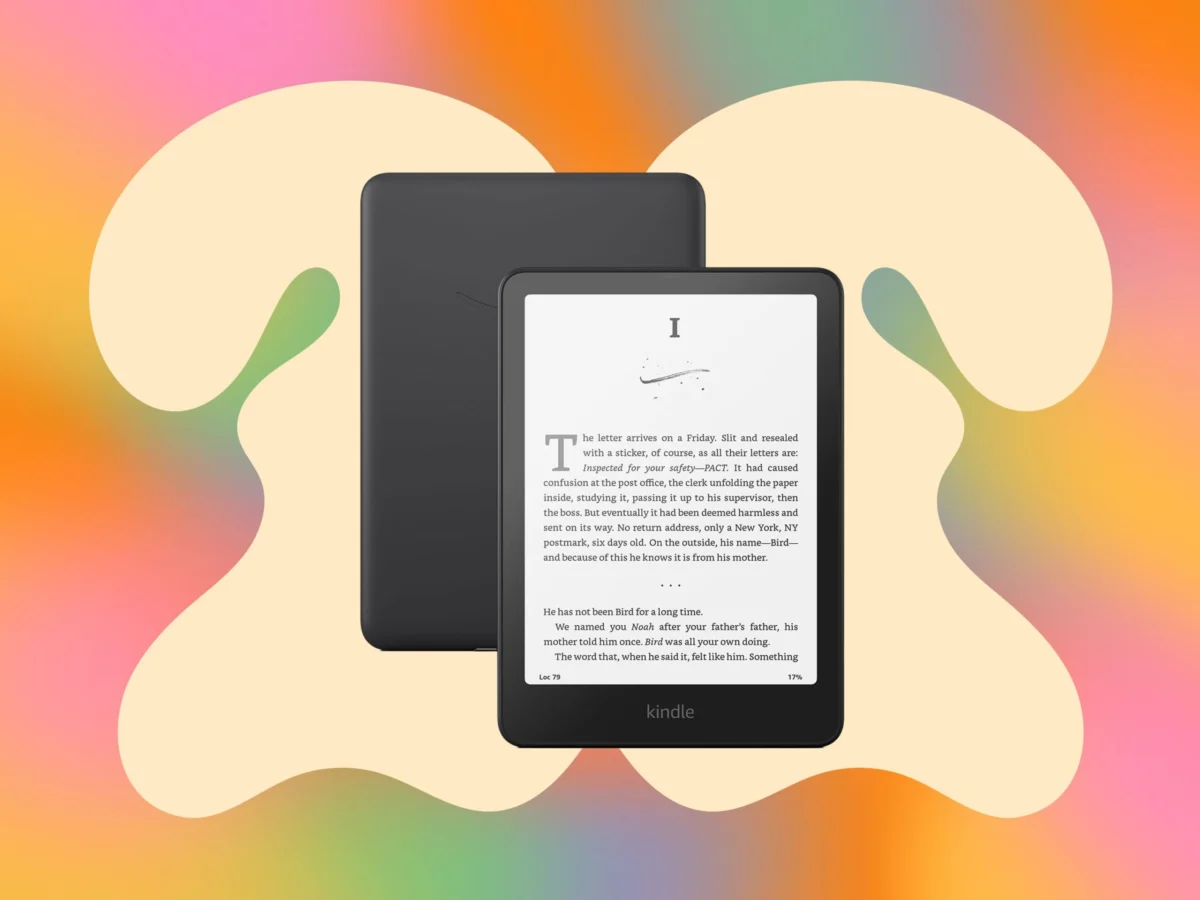
Amazon has officially initiated its mid-year promotional event, offering significant price reductions across its entire range of Kindle e-readers and associated accessories. The current sale, which began on June 23 and is scheduled to conclude on June 26, represents a strategic shift in the company’s promotional calendar, as the summer Prime Day event has historically taken place in July. This four-day window provides consumers with the most substantial discounts since the previous Black Friday period, highlighting Amazon’s commitment to maintaining its dominant position in the global e-reader market. The 2026 lineup features a diverse array of hardware, ranging from the entry-level 11th-generation Kindle to the sophisticated third-generation Kindle Scribe and the newly introduced Colorsoft models, marking the first time color E-ink technology has been widely available at discounted rates.
Chronology of Kindle Development and Prime Day Sales Cycles
The evolution of the Kindle product line has been marked by a consistent push toward higher resolution displays, increased battery longevity, and expanded functionality. In late 2024, Amazon refreshed its core offerings, introducing the 12th-generation Kindle Paperwhite and the 11th-generation standard Kindle. These updates preceded the highly anticipated launch of the Colorsoft series, which addressed a long-standing consumer demand for color displays in the Kindle ecosystem.
Historically, Amazon has utilized its Prime Day events—occurring in both the summer and fall—as primary levers for hardware adoption. By discounting hardware, the company effectively lowers the barrier to entry for its Kindle Store and Kindle Unlimited subscription services. The 2026 summer event is particularly notable for the inclusion of the third-generation Kindle Scribe, which integrates artificial intelligence (AI) features and enhanced cloud connectivity, signaling a move from pure consumption to active digital note-taking and document management.
Detailed Analysis of the Kindle Paperwhite and Standard Models
The Kindle Paperwhite remains the cornerstone of Amazon’s e-reader portfolio. The 12th-generation model, currently discounted to $125 from its original $160 MSRP, features a 7-inch high-resolution display and an adjustable warm front light. Technical specifications indicate a battery life of up to 12 weeks, the longest currently offered by the brand outside of the specialized Scribe models. The Signature Edition of the Paperwhite has also seen a price reduction, falling from $200 to $145. This premium version includes an auto-adjusting front light and wireless charging capabilities, catering to users who prioritize convenience and environmental adaptability.
For the budget-conscious segment, the 11th-generation Kindle is positioned at a sub-$100 price point, retailing for $85 during the sale period. Despite its lower cost, the device maintains high performance standards with a 6-inch screen and USB-C charging. Notably, this model is the only one in the current lineup to feature the "matcha green" colorway, a design choice aimed at a younger, style-conscious demographic. While it lacks the warm lighting of the Paperwhite, its portability and doubled storage capacity compared to previous iterations make it a competitive entry-level device.
The Introduction of Colorsoft Technology and High-End E-Readers
The most significant technological advancement in recent years for the Kindle brand is the introduction of Colorsoft technology. The Kindle Colorsoft and its Signature Edition are featured prominently in the current Prime Day event, with the standard version reduced to $160 from $250. The Colorsoft display utilizes a specialized E-ink layer to provide muted but distinct colors, which is particularly beneficial for reading graphic novels, illustrated children’s books, and textbooks.
While some industry analysts have noted that the Colorsoft’s feature set is similar to that of the Paperwhite, the addition of color represents a major hardware milestone. Amazon recently supplemented this hardware with a software update that introduced a "True Dark Mode," enhancing the reading experience in low-light conditions. The Signature Edition of the Colorsoft, priced at $220 during the sale, mirrors the Paperwhite Signature’s benefits, including wireless charging and automated light sensors.
In the productivity category, the third-generation Kindle Scribe has seen its price drop from $500 to $380 for the 32GB model. The Scribe serves a dual purpose as an e-reader and a digital notebook. The latest update includes a redesigned homepage and seamless integration with Microsoft OneDrive and Google Drive, allowing professionals to annotate documents directly on the device. The inclusion of AI-driven features, such as automated note summarization, justifies the higher price point for power users, though the efficacy of these tools remains a subject of debate among tech reviewers.

Educational Impact: The Kindle Kids Ecosystem
Amazon continues to aggressively target the educational and youth markets with its Kindle Kids editions. The Kindle Paperwhite Kids (12th Generation) and the Kindle Colorsoft Kids are currently discounted to $140 and $180, respectively. These devices are physically identical to their adult counterparts but include a rugged, kid-friendly cover and a comprehensive software suite.
The primary value proposition for the Kids editions is the inclusion of Amazon Kids+. This subscription provides access to a curated library of thousands of age-appropriate titles. The Paperwhite Kids includes a six-month subscription, while the Colorsoft Kids offers a full year. By providing a distraction-free reading environment—free from social media, games, and internet browsing—Amazon positions these devices as essential tools for literacy development. The Colorsoft version is especially pertinent for younger readers who engage with vibrant picture books and educational comics.
Supporting Infrastructure: Accessory Trends and Third-Party Integration
The Prime Day event also highlights the robust secondary market for Kindle accessories. Manufacturers such as Lamicall, Anker, and PopSockets have introduced specialized products that enhance the ergonomics of e-reading. The Lamicall Tablet Pillow Stand, discounted to $35, reflects a growing trend in "hands-free" reading, allowing users to position devices comfortably on soft surfaces.
Furthermore, the emergence of third-party remote control page turners, such as those from Highgo, addresses a specific user preference for navigating e-books without touching the screen. While Amazon has not yet integrated physical page-turner buttons into its standard Kindle designs—a feature found in competitors like the Kobo Libra—the popularity of these peripherals suggests a potential direction for future hardware iterations.
Power management also remains a focus, with Anker’s Wireless Charging Dock (discounted to $30) providing a dedicated station for Signature Edition models. Protective cases from CoBak and Fintie also see significant reductions, emphasizing the consumer’s desire to protect their investment with reinforced corners and shell-style designs.
Market Analysis and Broader Implications
The 2026 Prime Day Kindle deals underscore several key trends in the consumer electronics industry. First, the aggressive pricing suggests that Amazon is using its hardware as a "loss leader" to drive ecosystem lock-in. Once a consumer owns a Kindle, they are statistically more likely to purchase content through the Amazon ecosystem, providing long-term revenue that offsets the initial hardware discount.
Second, the shift to June for Prime Day may be an attempt to capture consumer spending before the traditional back-to-school season begins, allowing Amazon to clear inventory ahead of potential late-year hardware refreshes. The inclusion of AI features in the Scribe models also aligns with the broader tech industry’s pivot toward generative AI, even in devices traditionally viewed as "analog replacements."
From a competitive standpoint, Amazon’s move into color E-ink with the Colorsoft series is a direct response to rivals like Rakuten Kobo and Onyx Boox, who had previously beaten Amazon to market with color devices. By offering these new technologies at discounted Prime Day prices, Amazon is leveraging its massive scale to undercut competitors and regain momentum in the premium e-reader segment.
In conclusion, the current Prime Day event represents a pivotal moment for the Kindle brand. By offering deep discounts across a modernized lineup that includes color displays and AI capabilities, Amazon is not only rewarding loyal users but also attracting a new generation of digital readers. As the sale continues through June 26, the high demand for specific colors and storage configurations suggests that the e-reader market remains vibrant, driven by a blend of technological innovation and strategic promotional timing.







