Indra Kusuma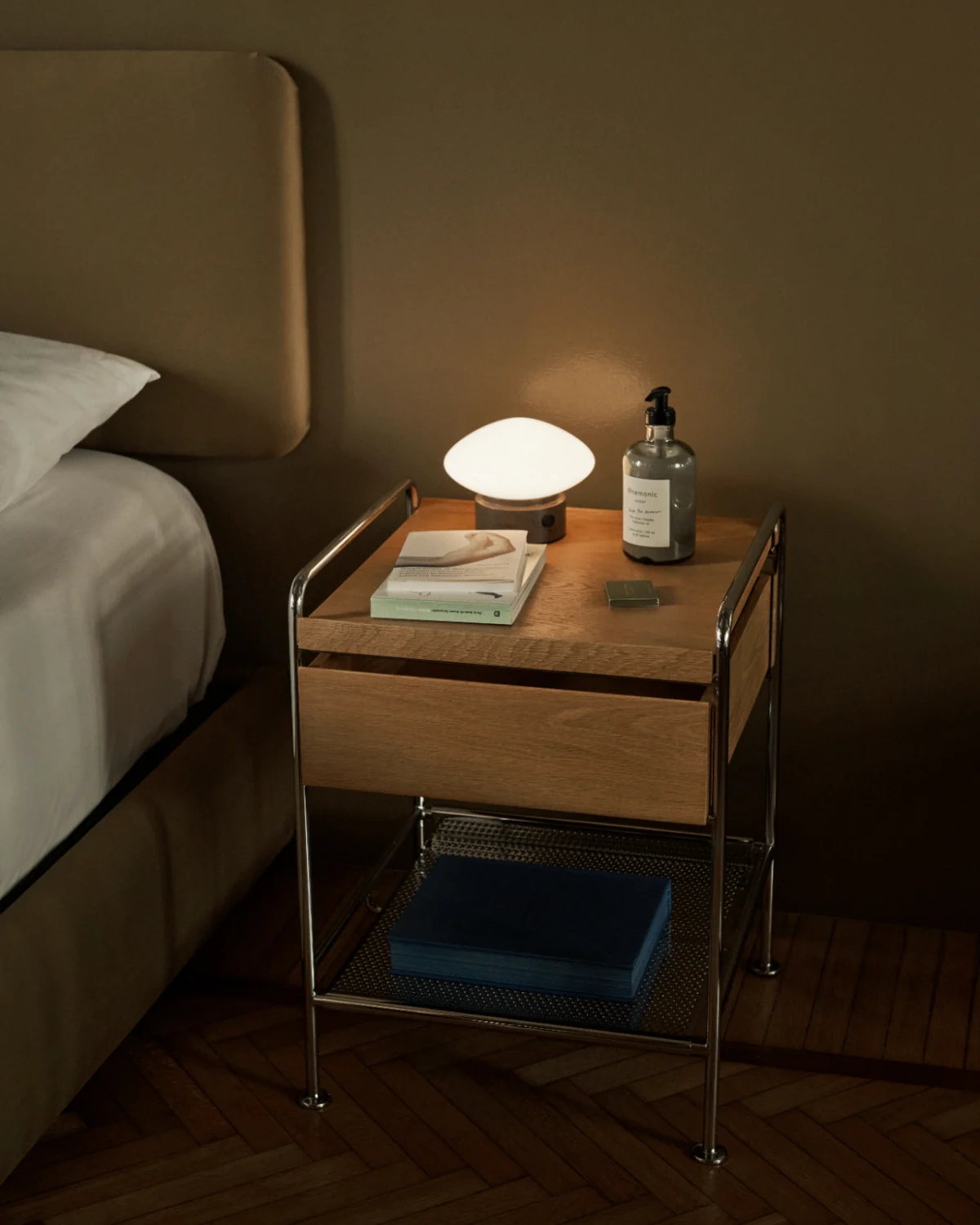
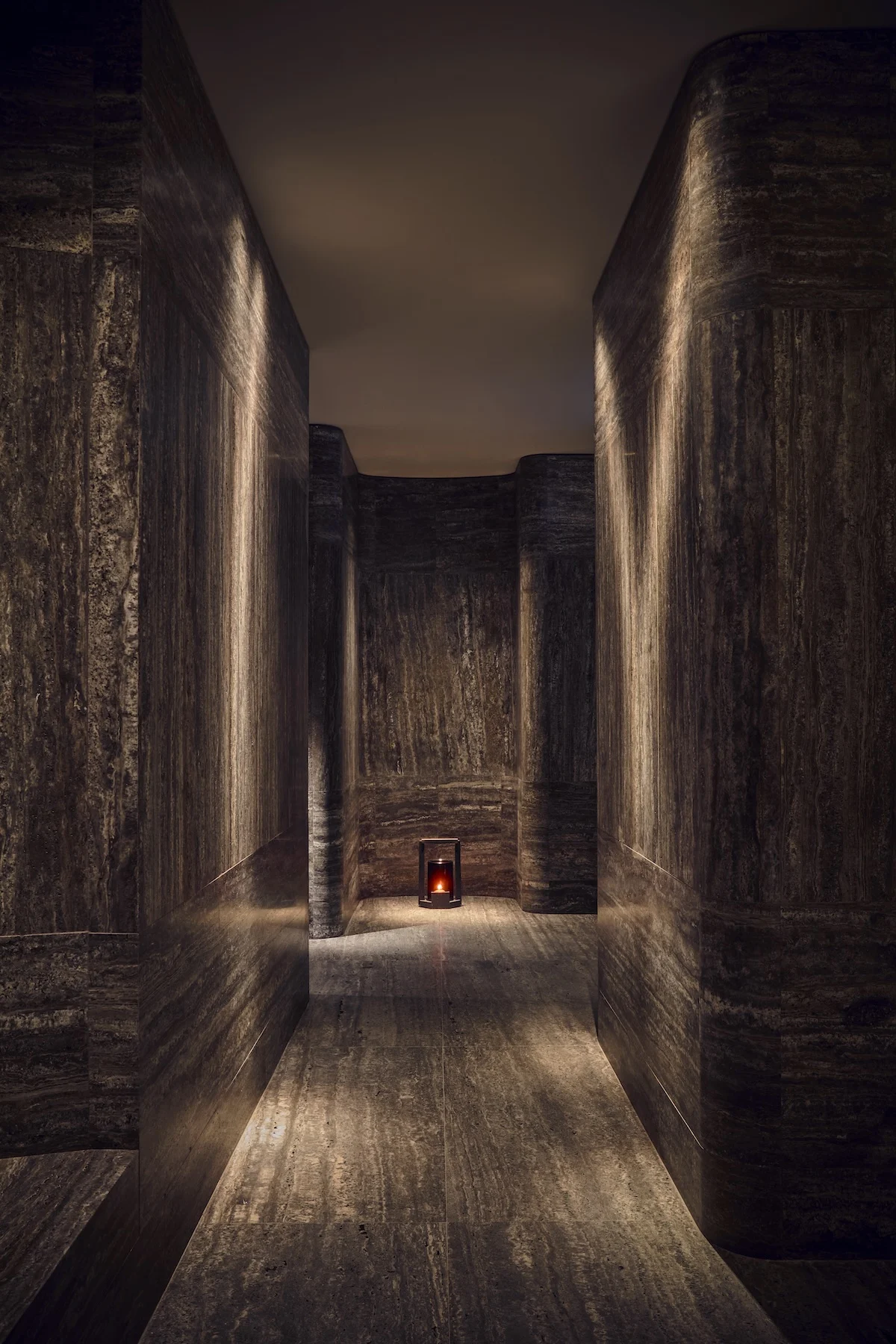
To the untrained eye, minimalist home interiors might appear cold and austere at first glance, yet simplified forms and clean lines can imbue a space with a deep sense of calm. The growing global interest in interior minimalism is not merely an aesthetic preference but a functional response to the increasing density and digital saturation of contemporary life. Research from the International Journal of Environmental Research and Public Health suggests that physical environments characterized by clutter are positively correlated with elevated cortisol levels and decreased executive function. By curating a bedroom grounded in natural materials, clean silhouettes, and a restrained monochrome palette, residents can transform their private quarters into a sanctuary of restorative energy and optimized sleep hygiene. As demand for "quiet luxury" in residential design continues to climb in 2026, industry leaders are shifting focus toward pieces that balance utility with high-concept design.
The Evolution of the Minimalist Bedroom
The philosophy of minimalism in architecture and furniture design traces its roots to the early 20th-century Bauhaus movement, which prioritized "form following function." In the post-pandemic era, this movement has seen a resurgence. Market data from the interior design sector indicates a 22% increase in consumer interest for "low-stimulation" home decor between 2023 and 2026. Designers now emphasize the "sensory experience" of a room, moving away from the cold, clinical minimalism of the early 2010s toward a softer, warmer, and more tactile approach. This transition is evident in the current market, where natural woods, matte finishes, and diffused lighting have become the gold standard for bedroom furnishings.
1. Architectural Illumination: The Gambosa Lamp
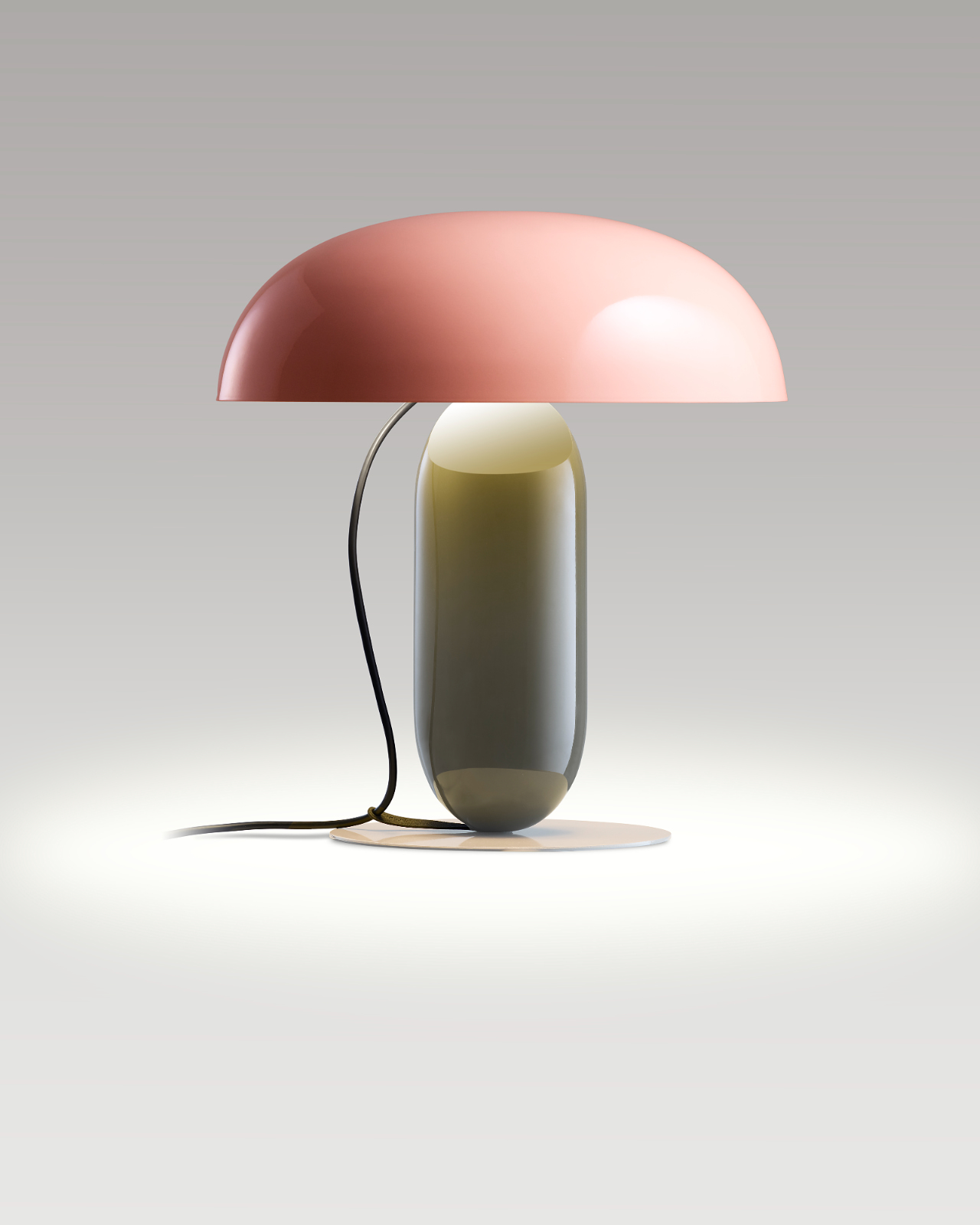
Spanish lighting house Marset recently unveiled the Gambosa table lamp, a testament to the brand’s commitment to geometric precision. Developed by London-based designer Mathias Hahn in 2025 and introduced to the commercial market in early 2026, the piece represents a shift toward "deceptive lightness" in industrial design. The lamp features three distinct geometric forms balanced to create a hovering visual effect. Constructed from painted steel with an optional opal shade, the Gambosa provides a warm, ambient light conducive to the circadian rhythm. By utilizing LED integration, Marset ensures the fixture serves as both a high-design sculpture and an energy-efficient light source. Industry analysts note that such pieces are pivotal for homeowners seeking to minimize visual noise while maintaining a strong focal point.
2. Functional Sculpturalism: The Ratio Side Table
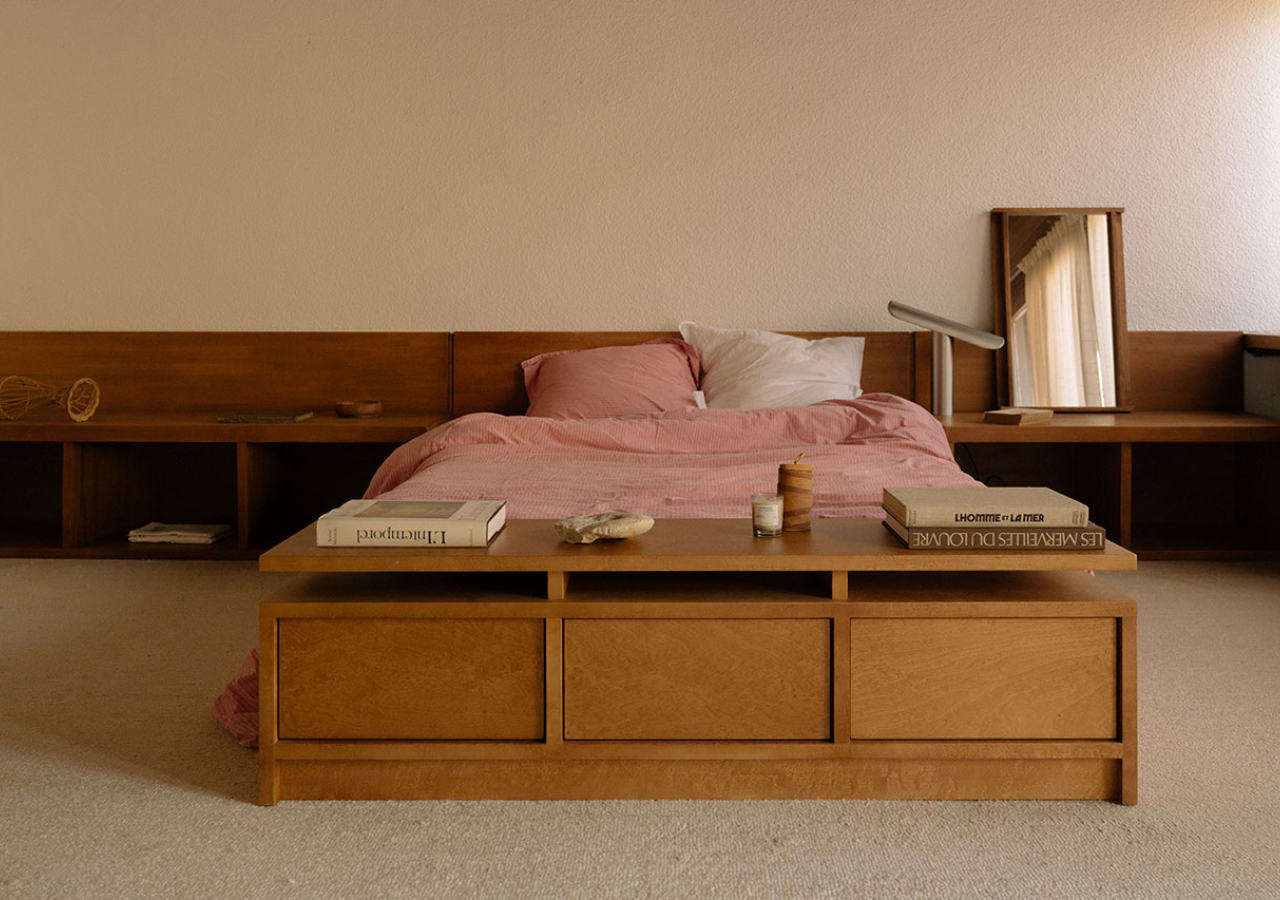
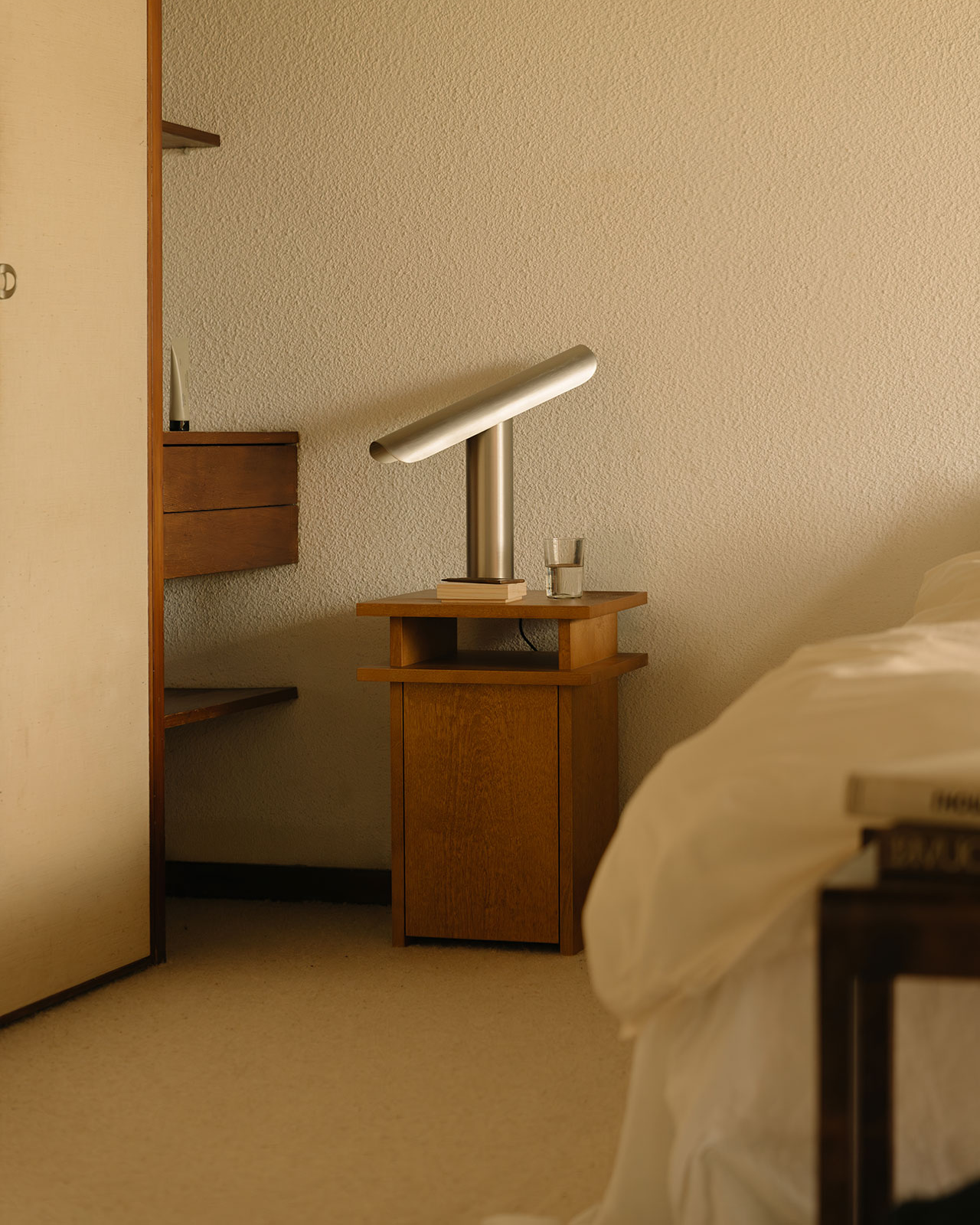
In Copenhagen, the design firm FRAMA has expanded its reach through the Ratio Series, a collection centered on the principles of modularity and longevity. Designed by Ana Magalhães Ilharco and Matilde Cortez de Lobão of the studio Ilo, the Ratio Side Table addresses a common challenge in modern bedroom design: the need for storage that does not disrupt the visual flow of a room. Crafted from warm brown birch, the piece employs flush joinery—a technique that eliminates the need for visible screws or fasteners. This focus on craftsmanship is significant; as furniture trends move away from "fast fashion" interiors, high-quality, sustainably sourced wood products are becoming long-term investments for homeowners. The side table’s hidden storage capacity is a strategic design choice, allowing users to keep personal items out of sight, which is essential for maintaining the mental clarity often sought in minimalist spaces.
3. Industrial Elegance: The Hexa Vase
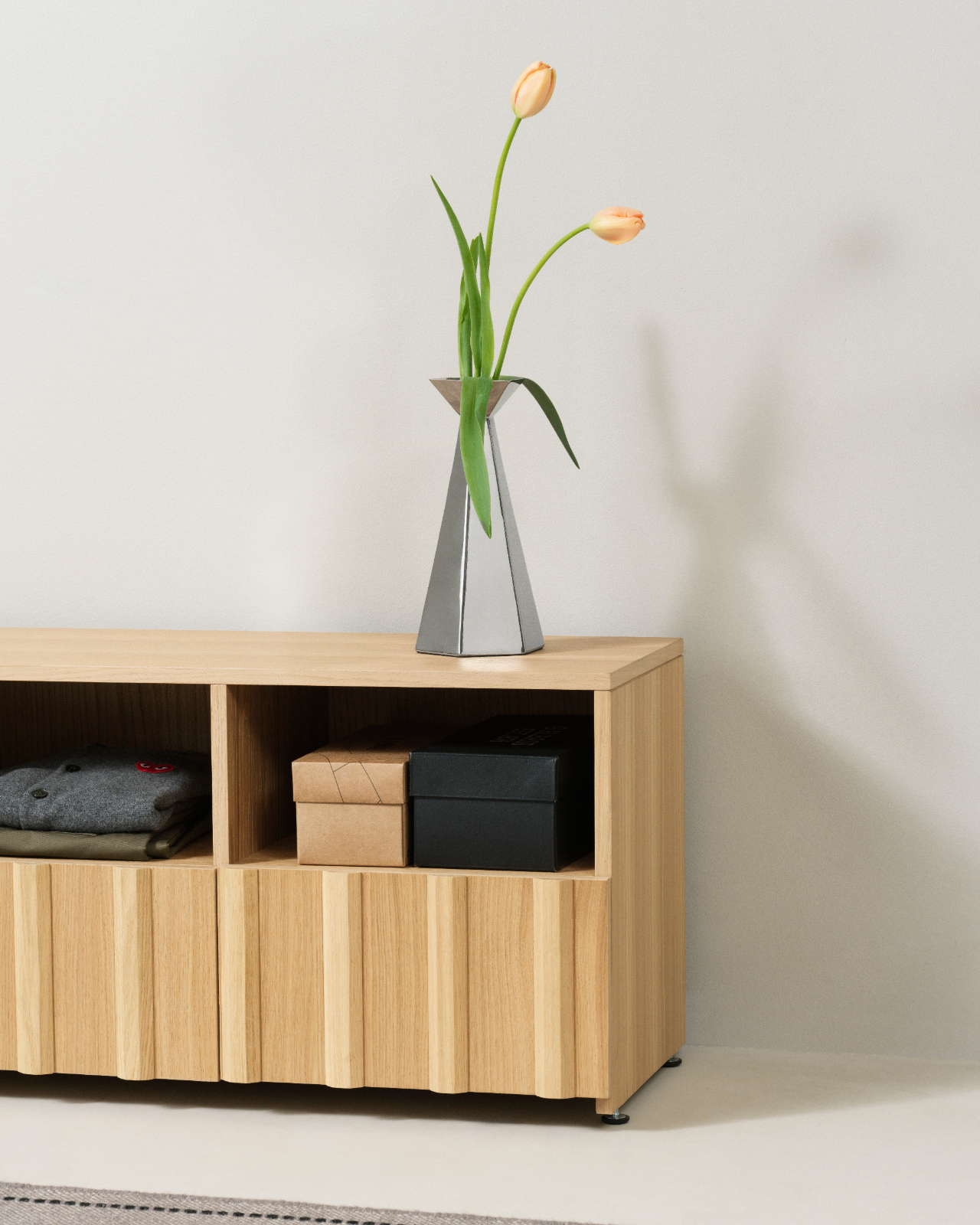
Normann Copenhagen’s Hexa Vase serves as an example of how small accessories can anchor a room’s design language. The vessel, which draws its name from the Greek root for six, utilizes a hexagonal aperture to challenge traditional cylindrical vase forms. Its composition—mirror-polished stainless steel—reflects the surrounding environment, essentially becoming an extension of the room’s color palette. By integrating industrial materials into the intimate setting of a bedroom, the piece creates a bridge between contemporary art and functional decor. Design experts observe that the use of reflective surfaces in small rooms can enhance perceived spatial volume, an implication that makes the Hexa Vase a practical choice for urban dwellers in compact living environments.
4. Modular Minimalism: The Aplat Table Lamp
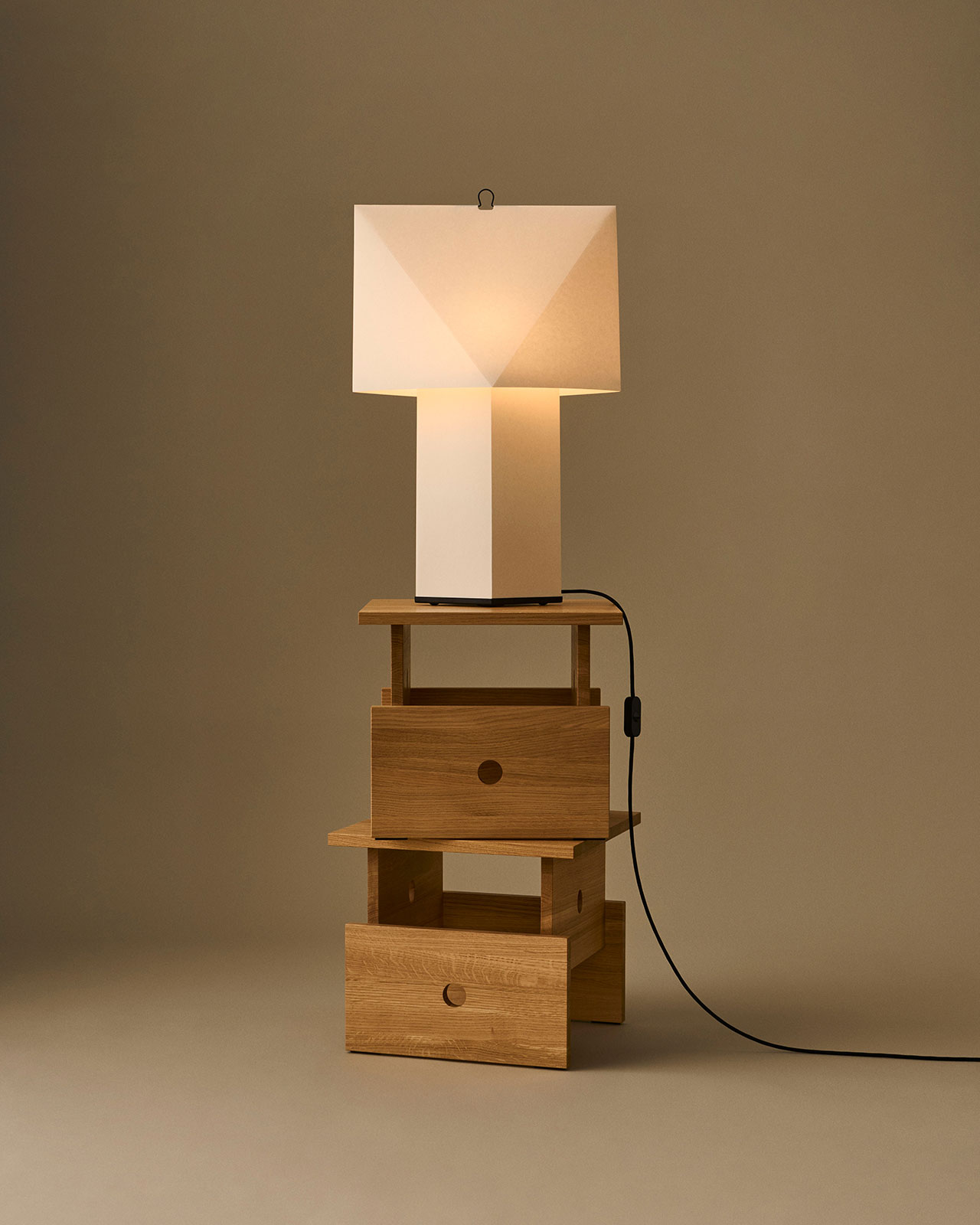
The Aplat Table Lamp, a collaboration between the industrial design studio CPRV and the Danish brand HAY, represents a departure from traditional manufacturing. The lamp is designed to be shipped flat, reducing logistics-related carbon emissions, and is assembled by the user through a series of intentional folds. This "monolithic" paper structure utilizes a minimal metal hook, allowing for portability. In terms of interior impact, the Aplat lamp provides a soft, diffused glow that minimizes harsh shadows—a critical factor for nighttime relaxation. The shift toward flat-pack high design reflects a broader corporate sustainability initiative, as major design firms seek to align their production methods with the environmental priorities of the modern consumer.
5. Tech-Integrated Comfort: The Avocado Plus Adjustable Base
The bedroom is increasingly becoming a hub for "smart" wellness, and the Avocado Plus Adjustable Base illustrates how high-tech features can be integrated without sacrificing a minimalist aesthetic. Traditionally, adjustable bases have been bulky, utility-focused items that detract from a room’s decor. Avocado’s design, however, features a low-profile frame wrapped in organic cotton and wool, allowing it to sit flush with modern bed frames. The technological implications are substantial: with features such as massage therapy, lumbar support, and automatic head tilt—all controllable via a mobile application—the bed transitions from a piece of furniture into a diagnostic and therapeutic tool. This reflects a broader trend toward "invisible technology," where the benefits of advanced engineering are experienced through comfort rather than visible machinery.
6. Multipurpose Versatility: The Alima Side Table NDS3
Note Design Studio’s expansion of the Alima collection for &Tradition highlights the industry’s current demand for multi-functional furniture. The Alima Side Table NDS3, an evolution of the brand’s original trolley concept, is designed to serve as both a surface for nighttime essentials and a storage unit. The addition of a drawer and chrome feet with rubberized caps suggests a focus on both user experience and floor protection. For residents in smaller apartments, the ability to utilize a single piece of furniture for multiple roles is a cornerstone of effective minimalist living. The success of the Alima series indicates that consumers are increasingly prioritizing versatility, moving away from specialized furniture toward adaptable pieces that can grow with the user’s needs.
Broader Implications for Residential Design
The shift toward these minimalist furnishings is reflective of a wider societal movement toward "intentional living." As the lines between the office, the home, and the sanctuary continue to blur, the bedroom has emerged as the most critical space for mental recovery. The implications of this design shift are twofold: first, it encourages a reduction in consumption by emphasizing quality over quantity; second, it forces a re-evaluation of how domestic spaces impact daily psychological health.
Industry reactions to these products have been largely positive, with critics praising the move toward natural materials and integrated technology. However, the true success of this aesthetic depends on the user’s ability to maintain the "clutter-free" ideal. As these pieces are designed to be focal points, they require a disciplined approach to organization. The furniture described here provides the necessary structural support for such a lifestyle, offering hidden storage and ergonomic benefits that allow the user to focus on rest rather than maintenance.
In summary, the transition to a minimalist bedroom is a deliberate act of environmental curation. Whether through the geometric light of a Marset lamp or the ergonomic support of an Avocado base, the objective remains constant: to strip away the unnecessary, leaving behind a space that is as conducive to deep sleep as it is to mental restoration. As we progress through 2026, the intersection of technology, sustainable materials, and sculptural form will continue to define the standard for the modern, restful home.