The coveted blue checkmark on Instagram, once an exclusive emblem of public recognition and authenticity, has undergone a significant transformation, evolving from a pure status symbol to a more accessible tool for credibility and account protection. While its allure as a marker of prominence remains, Meta’s introduction of a paid verification service has fundamentally reshaped the landscape, offering a dual pathway to a verified presence on the platform. This shift reflects broader trends in social media, where platforms are balancing the need for authenticity and user safety with new revenue streams and support for the burgeoning creator economy.
The Genesis of Verification: A History of Exclusivity
For years, the blue verification badge on Instagram, much like on other major social media platforms, was a badge of honor reserved almost exclusively for public figures, celebrities, prominent brands, and well-known entities. Its primary purpose was to signify that the account was indeed the authentic presence of the individual or organization it claimed to represent, thereby combating impersonation and providing users with reliable sources of information. This exclusivity created a perception of prestige and authority, making the blue check a highly sought-after symbol. The criteria for obtaining this badge were stringent and often opaque, relying on Instagram’s internal assessment of an account’s "notability" – meaning it had to be a well-known, highly searched-for person or entity, frequently featured in multiple legitimate news sources, not including paid or promotional content. This scarcity inadvertently led to a grey market for verification services and increased frustration among emerging creators and smaller businesses struggling to establish trust and combat impersonation. Concerns over the proliferation of fake accounts and the difficulty for legitimate, yet not globally famous, individuals and businesses to distinguish themselves became increasingly pressing.
Meta’s Strategic Pivot: Introducing Meta Verified

In February 2023, Meta, the parent company of Instagram and Facebook, announced a groundbreaking shift in its verification strategy with the rollout of "Meta Verified." This subscription service was initially tested in Australia and New Zealand before expanding to other markets, marking a pivotal moment in the history of social media verification. Mark Zuckerberg, Meta’s CEO, framed the initiative as a means to "increase authenticity and security across our services." The move was widely seen as a direct response to several converging factors: the persistent challenge of impersonation, the burgeoning creator economy’s demand for enhanced account support and visibility, and Meta’s broader strategy to diversify its revenue streams beyond advertising.
Meta Verified offers a subscription-based pathway to the blue checkmark for a monthly fee, typically starting at $14.99 per month for individual creator accounts. Unlike the traditional notability-based verification, this service is open to any eligible individual aged 18 or older who can pass an identity verification process. This involves submitting a government-issued ID that matches the profile name and photo of the Instagram account. Subscribers also gain access to a suite of additional benefits, including proactive account monitoring for impersonation, priority access to customer support, enhanced visibility in comments and recommendations, and exclusive stickers for Stories and Reels. This model mirrors similar subscription-based verification offerings introduced by other platforms, most notably X (formerly Twitter) with its "X Premium" service, signaling a broader industry trend towards monetizing previously free, high-value platform features.
Decoding the Dual Paths to Verification
With Meta Verified, Instagram now presents two distinct routes to acquiring the coveted blue badge, each with its own criteria and benefits. Understanding these pathways is crucial for anyone aiming to enhance their online credibility.
Path 1: Meta Verified – The Subscription Model
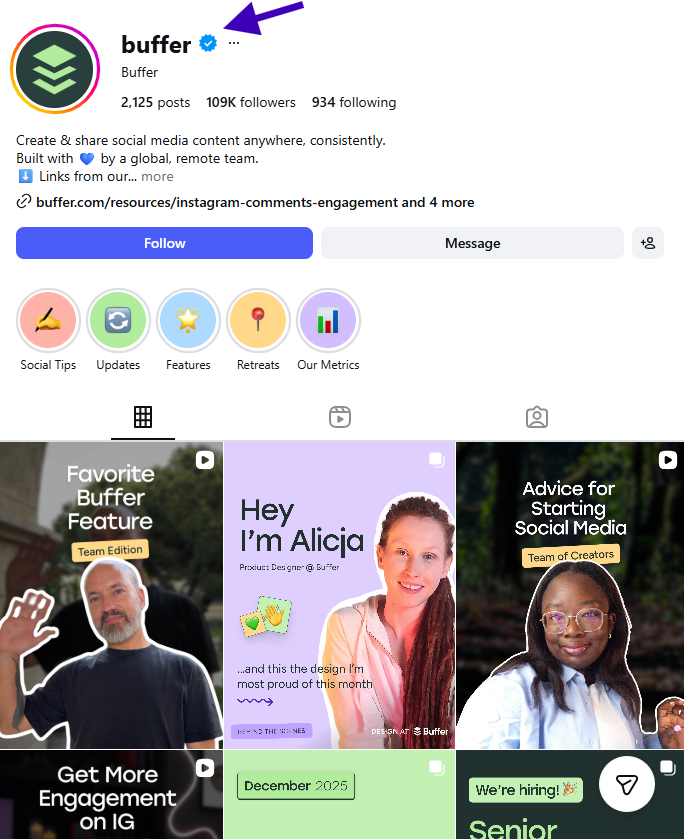
This route is designed for individuals and businesses seeking a straightforward method to gain verification and its associated perks. The primary purpose of Meta Verified is to provide validation and robust account protection, coupled with enhanced support and visibility.
- Cost: Approximately $14.99 per month for individual creator accounts. Prices may vary by region and specific plans for businesses.
- Eligibility:
- Must be at least 18 years old.
- Possess a public or private profile (for individuals) that meets minimum activity requirements (e.g., active posting history).
- Have a profile picture that includes your face.
- Two-factor authentication (2FA) must be enabled.
- A government-issued ID that matches the profile name and photo.
- Key Benefits:
- Verified Badge: The blue checkmark, confirming the account’s identity.
- Proactive Account Protection: Enhanced monitoring against impersonation attempts.
- Priority Customer Support: Direct access to a human support agent for account issues.
- Increased Visibility: Potential for higher prominence in comments, search results, and recommendations.
- Exclusive Features: Access to unique stickers for Stories and Reels.
- Upgraded Profile Features: (e.g., images on links for businesses).
This subscription model democratizes access to verification, making it available to a broader range of creators, small businesses, and individuals who may not meet the traditional "notability" threshold but still require authenticity and security.
Path 2: The Traditional Route – Proving Notability
This pathway remains free but is significantly more challenging, reserved for accounts that Instagram deems to be of significant public interest and notability. The core purpose here is to authenticate public figures, celebrities, and major brands.
- Cost: Free.
- Eligibility:
- Authentic: The account must represent a real person, registered business, or entity.
- Unique: It must be the sole official presence of the person or business (exceptions for language-specific accounts).
- Complete: The profile must be public, have a profile photo, a bio, and at least one post.
- Notable: This is the most critical and difficult criterion. The account must represent a "well-known, highly searched-for person or entity." Instagram specifically looks for accounts that have been featured in multiple news sources. Crucially, paid or promotional content does not count towards establishing notability. This typically requires substantial independent media coverage from reputable outlets.
- Key Benefits:
- Verified Badge: Signifies authenticity and established public recognition.
- Credibility: Enhances trust and authority with followers and the wider public.
- Impersonation Protection: While not proactive like Meta Verified, the badge itself deters some impersonation attempts.
The process for this route involves submitting a direct application through the Instagram app, requiring the applicant to provide evidence of their notability, often including links to media mentions. Instagram’s team then reviews these applications, a process that can take up to 30 days.
Benefits Beyond the Badge: Why Verification Matters
Regardless of the path taken, the blue verification badge offers tangible advantages that extend beyond mere aesthetics:
- Enhanced Credibility and Trust: The most immediate benefit is the signal of authenticity. In an era rife with misinformation and fake accounts, a verified badge reassures users that they are interacting with the genuine source, building trust and fostering a more reliable online environment.
- Combating Impersonation: Verification acts as a powerful deterrent against malicious actors. For public figures and brands, it significantly reduces the risk of others creating fake profiles to spread misinformation or scam followers. Meta Verified takes this a step further with proactive monitoring.
- Increased Visibility and Discoverability: While not a guarantee of viral reach, verified accounts often enjoy subtle advantages. Meta Verified explicitly promises "increased visibility" in certain areas, which can lead to higher engagement and discoverability for creators and businesses. For notable figures, the inherent public interest in their verified status often drives organic visibility.
- Authoritative Information Source: For news organizations, public health bodies, and official government channels, verification helps users quickly identify reliable sources of critical information, especially during crises or major events.
- Marketing and Brand Building: For businesses and personal brands, verification is a powerful social media marketing tool. It lends an air of professionalism and authority, making an account more attractive to potential customers, collaborators, and media outlets. It can also be a key differentiator in competitive niches.
- Access to Priority Support (Meta Verified): For Meta Verified subscribers, the ability to quickly resolve account issues, security concerns, or technical glitches through priority customer support is a significant operational advantage, minimizing downtime and potential reputational damage.
The Application Process: A Step-by-Step Guide
For Meta Verified Subscribers:
The process for obtaining Meta Verified is streamlined and designed for accessibility.
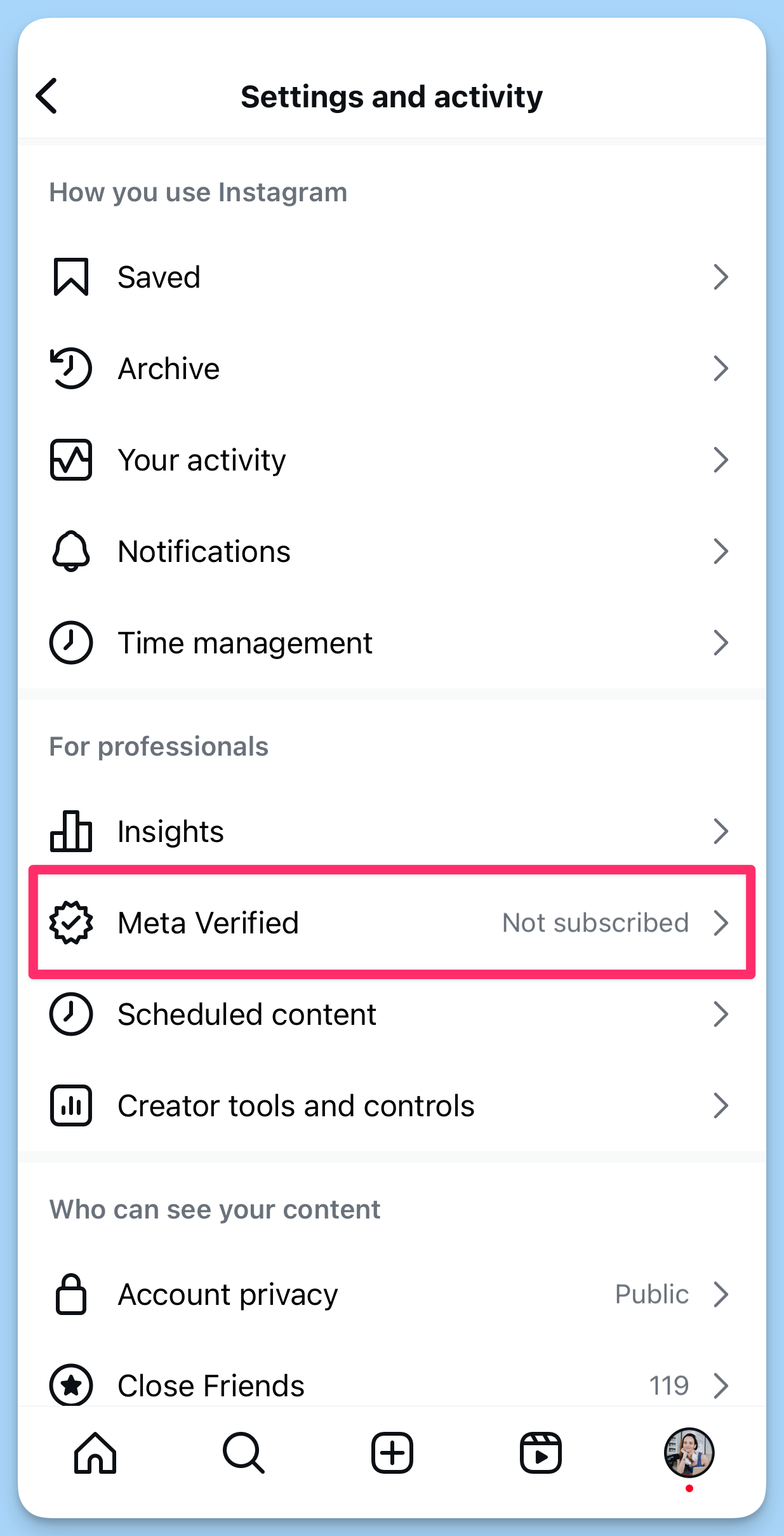
- Meet Eligibility Requirements: Ensure your account is 18+, public (for individuals), has a profile picture showing your face, 2FA enabled, and an active posting history.
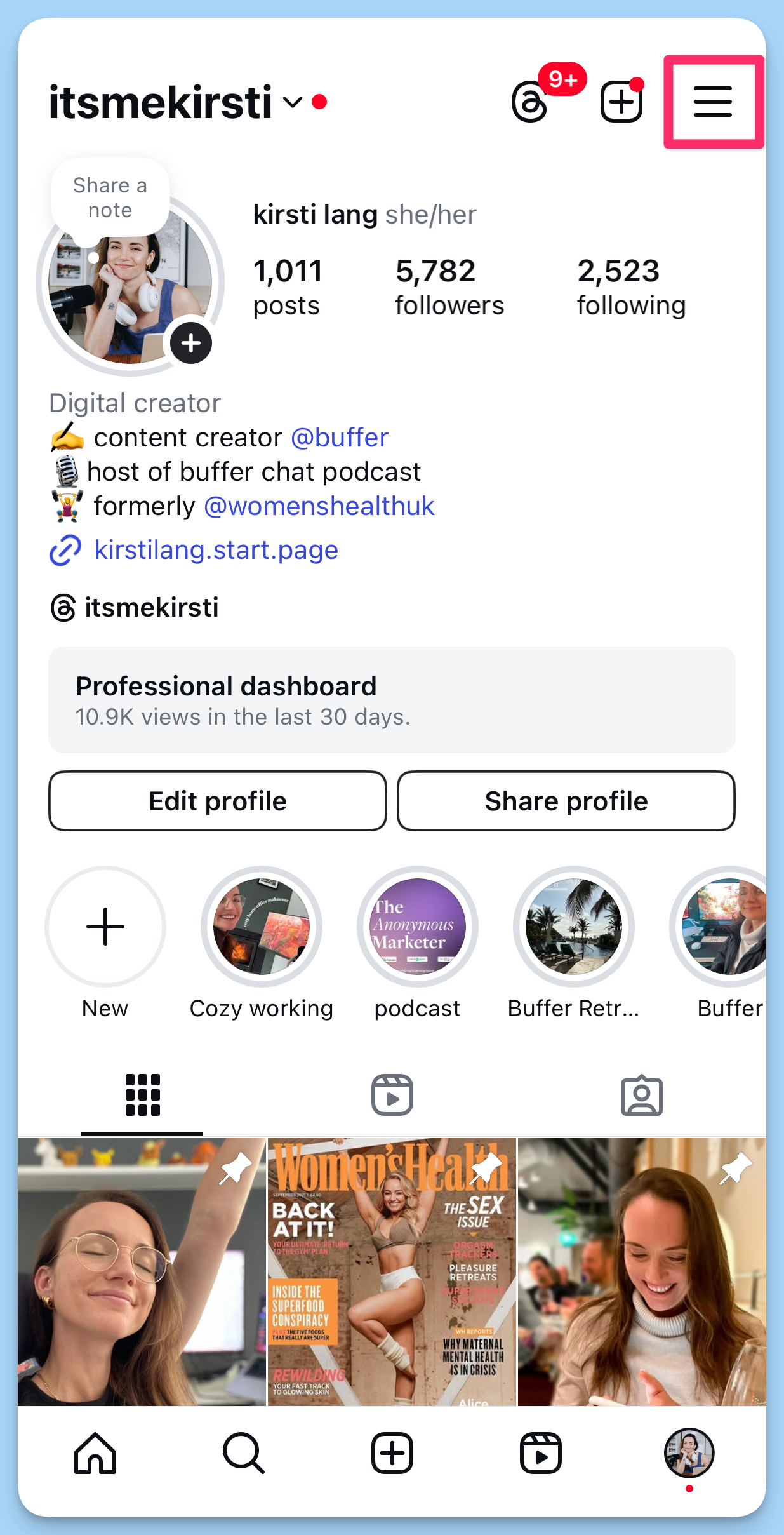
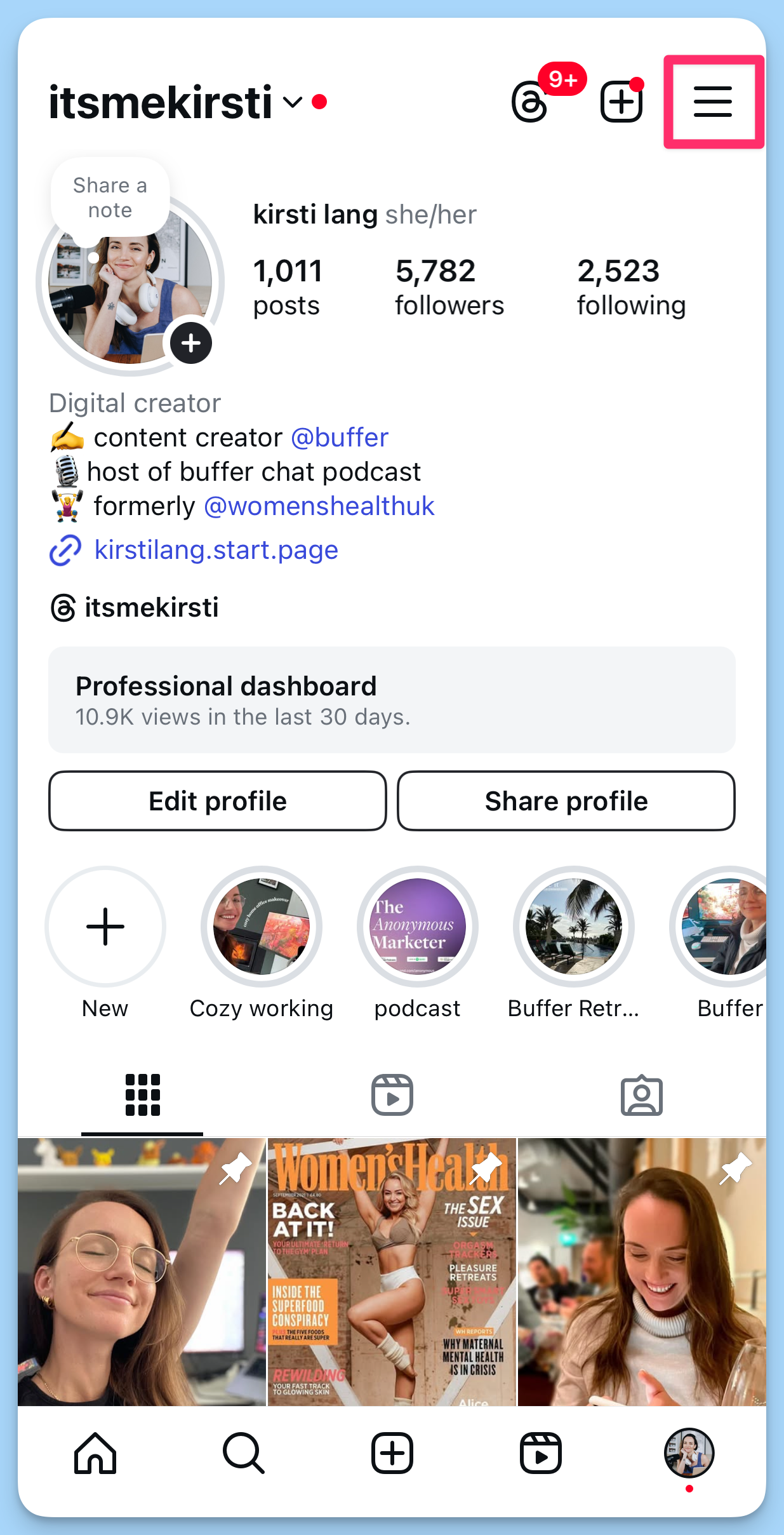
- Initiate Subscription: Open your Instagram app, navigate to your profile, tap the menu icon (three lines) in the top right, then select "Meta Verified" (or "Settings and privacy" > "Accounts Center" > "Meta Verified").
- Complete Payment: Follow the prompts to subscribe, select your preferred payment method, and confirm the monthly fee.
- Identity Verification: Submit a government-issued photo ID. The name and photo on the ID must match your Instagram profile information. This step is crucial for establishing authenticity.
- Approval: Meta typically reviews and approves Meta Verified applications within 48 hours, after which the blue badge will appear on your profile.
For Notable Figures (Free Verification):
This process is more qualitative and hinges on proving your public recognition.
- Ensure Account Compliance: Your account must be authentic, unique, complete (public, bio, profile photo, at least one post), and adhere to Instagram’s Terms of Service and Community Guidelines.
- Gather Proof of Notability: This is the most critical step. Collect links to multiple independent news articles, interviews, or features from reputable media outlets that discuss you or your entity. Ensure these are not paid advertisements or promotional content. Awards, public speaking engagements, and official government recognition can also bolster your case.
- Submit Application:
- Go to your Instagram profile.
- Tap the menu icon (three lines) in the top right.
- Select "Settings and privacy" > "Creator tools and controls" (or "Business tools and controls") > "Request verification."
- Fill out the application form, providing your full legal name, document type (e.g., driver’s license, passport), and category (e.g., media, sports, government).
- Upload a clear photo of your government-issued ID.
- Crucially, add up to five links to news articles, social media accounts (if they are also verified), or other relevant sources that demonstrate your public notability.
- Wait for Review: Instagram will review your application and notify you within 30 days via a notification in the app.
If an application for notability-based verification is rejected, applicants can reapply after 30 days. It is important to avoid reapplying sooner, as this can lead to the cancellation of the initial application and potentially harm future chances.
Navigating the Notability Challenge: Tips for Success
For those pursuing the free, notability-based verification, success often requires a strategic approach:
- Grow Your Following Organically and Consistently: While follower count is not a direct requirement, a substantial and engaged audience signals public interest. Focus on creating high-quality, relevant content, engaging with your community, and utilizing Instagram’s features (Reels, Stories, Live) to maximize reach and interaction. A larger, active following can strengthen the overall case for notability.
- Actively Seek Media Mentions: This is perhaps the most critical element. Develop a public relations strategy. Reach out to journalists, bloggers, and publications whose audience would genuinely be interested in your story, expertise, or work. Craft compelling pitches that highlight your unique angle. For businesses, focus on new product launches, community initiatives, or industry insights. For individuals, highlight achievements, expertise, or impactful contributions. If budget allows, consider engaging a PR agency to help secure legitimate press coverage. Remember, only independent editorial coverage counts; paid advertorials or sponsored content will not satisfy Instagram’s criteria.
- Be Strategic About Application Timing: If you’re experiencing a surge in public attention – perhaps a piece of content has gone viral, you’ve recently been featured in a major publication, or you’ve achieved a significant milestone that garnered press – this is an opportune moment to submit your verification request. Capitalize on periods of heightened public interest to demonstrate your relevance and notability effectively.
- Maintain a Complete and Active Profile: Ensure your profile always meets Instagram’s basic requirements: a clear profile photo, a comprehensive bio that accurately describes you or your business, and a consistent posting schedule. An inactive or incomplete profile will quickly lead to rejection, regardless of external notability.
Implications and Industry Reactions
The introduction of Meta Verified has sparked considerable debate across the digital landscape.
- User Perception: Critics argue that paid verification dilutes the traditional meaning of the blue checkmark, transforming it from an earned symbol of public interest into a purchasable commodity. This raises questions about whether the badge will continue to carry the same weight of authority and trustworthiness, potentially making it harder for users to discern truly notable figures from paying subscribers.
- Impact on the Creator Economy: For emerging creators and small businesses, Meta Verified offers a more accessible path to credibility and enhanced platform support, which can be invaluable in a crowded digital space. It could level the playing field by allowing those without widespread fame to still benefit from authentication and security features. However, it also introduces a new operational cost for those relying on social media for their livelihood.
- Meta’s Business Model: This move represents a clear strategic pivot for Meta towards diversifying its revenue streams beyond advertising, a trend seen across the tech industry as companies explore subscription-based models. It taps into the high demand for authenticity and support services among a growing user base.
- Fight Against Misinformation: Proponents argue that by making verification more widespread and tying it to identity verification, Meta is strengthening its defenses against impersonation and, by extension, misinformation. However, critics suggest that if the blue check loses its inherent trust, it might inadvertently make it easier for verified but untrustworthy accounts to spread false information, assuming they are willing to pay.
Conclusion
Instagram’s verification system has evolved dramatically, moving from an exclusive, notability-driven process to a dual model that includes a subscription-based option. This change reflects a broader industry response to the challenges of online authenticity, impersonation, and the burgeoning creator economy. While the free, notability-based badge continues to signify a high level of public recognition, Meta Verified offers a more accessible pathway for individuals and businesses to establish credibility, secure their accounts, and gain enhanced support. Understanding these distinct routes and their respective benefits is paramount for anyone navigating the complexities of digital identity and seeking to thrive on one of the world’s most influential social media platforms. The blue checkmark, in its new form, remains a powerful tool, but its meaning and implications continue to be shaped by both platform policies and user perception in an ever-changing digital environment.