
 Ali Ikhwan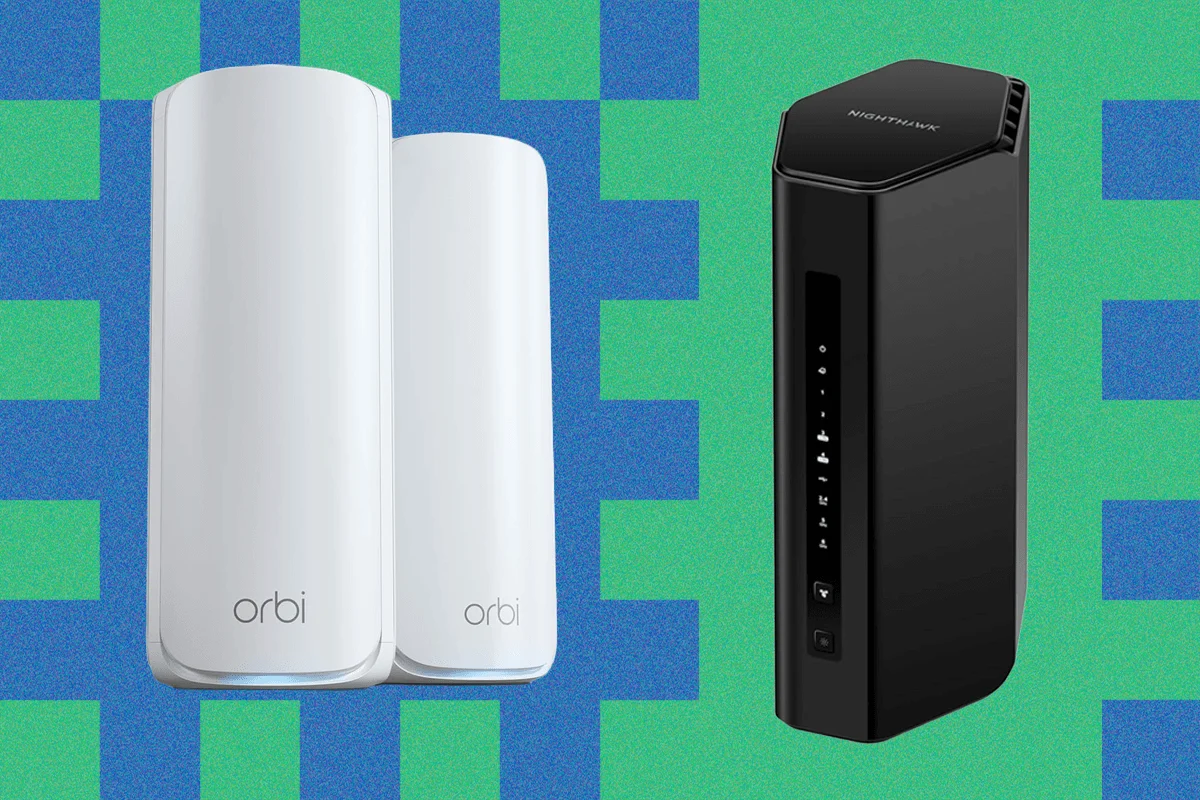
The decision between a traditional single-unit Wi-Fi router and a multi-node mesh system has become a central consideration for homeowners seeking to optimize their digital infrastructure. As residential internet speeds frequently exceed 1 Gbps and the number of connected devices per household continues to climb, the limitations of standard networking hardware have become more apparent. A router serves as the primary gateway for internet traffic, connecting a local area network (LAN) to the wider internet via a modem. While a single high-performance router is often sufficient for mid-sized residences, the introduction of mesh networking has redefined expectations for coverage and reliability in larger or architecturally complex environments.
The Technical Evolution of Home Networking
The trajectory of home networking has followed the rapid advancement of IEEE 802.11 standards. From the early days of Wi-Fi 4 (802.11n) to the current rollout of Wi-Fi 7 (802.11be), each iteration has increased theoretical throughput and reduced latency. However, as frequencies have moved from 2.4 GHz to 5 GHz and now 6 GHz, the physical range of signals has effectively decreased. Higher frequency waves carry more data but are more easily obstructed by physical barriers such as walls, floors, and furniture.
This physical limitation led to the development of mesh systems. Unlike traditional "extenders," which often create secondary networks with degraded bandwidth, mesh systems utilize a series of nodes that communicate with one another to form a single, unified network. This architecture allows for "seamless roaming," where a device can transition from one node to another without dropping the connection, a process managed by protocols like 802.11k, 802.11v, and 802.11r.
Analyzing the Single Router Solution
A single Wi-Fi router remains the most efficient choice for many residential applications. Modern high-end routers are equipped with multiple high-gain antennas and advanced beamforming technology, which focuses the signal toward specific devices rather than broadcasting in a uniform sphere. For a standard home of approximately 2,500 square feet or less—particularly those with modern open-plan designs and drywall construction—a single router positioned centrally can provide robust coverage.
The primary advantage of a single router is simplicity. By centralizing all traffic management in one CPU, the network avoids the "overhead" required to coordinate multiple nodes. Industry data suggests that in smaller environments, single routers often deliver higher peak speeds and lower latency than mesh systems of a comparable price point. Furthermore, traditional routers often feature more robust physical connectivity, including multiple high-speed LAN ports for gaming consoles, network-attached storage (NAS), and desktop computers.
To maximize the efficacy of a single router, placement is critical. Signals propagate outward and downward; therefore, placing a router on a high shelf in a central room, rather than inside a cabinet or in a corner near an exterior wall, can improve signal strength by as much as 30% in peripheral rooms.
The Case for Mesh Networking Systems
Mesh systems are designed to solve the "dead zone" problem prevalent in larger homes (typically 3,000 square feet and above) or older structures with dense building materials. In a mesh configuration, one unit acts as the primary router while others serve as satellites. These satellites are placed strategically to "fill in" areas where the primary signal falters.
One of the most significant drawbacks of wireless mesh systems is the "backhaul" penalty. When nodes communicate wirelessly, a portion of the available bandwidth must be dedicated to the communication between the nodes themselves rather than the user’s devices. In dual-band mesh systems, this can result in a 50% reduction in potential speed at the satellite nodes. Tri-band and quad-band systems mitigate this by dedicating a specific frequency band (often in the 5 GHz or 6 GHz range) to backhaul traffic, though these systems come at a significantly higher price point.
Comparative Data and Performance Metrics
Extensive longitudinal testing of over 60 networking systems indicates a clear performance divide based on home architecture. In modern two-story homes with approximately 1,600 square feet of living space, high-performance single routers consistently outperformed mesh systems in file transfer speeds and stability. However, the performance delta shifted dramatically in older homes.
In structures built with stone, brick, or lath and plaster, Wi-Fi signals—particularly those on the 6 GHz band used by Wi-Fi 6E and Wi-Fi 7—suffer from severe attenuation. In such environments, a single router may lose up to 90% of its signal strength after passing through two interior walls. Mesh systems counter this by placing nodes on both sides of these barriers, effectively "relaying" the signal.
| Feature | Single Router | Mesh System |
|---|---|---|
| Ideal Coverage | Up to 2,500 sq. ft. | 3,000+ sq. ft. |
| Complexity | Low | Moderate |
| Peak Throughput | Higher (Centralized) | Lower (at Satellites) |
| Aesthetics | Often bulky/external antennas | Generally discreet/internal antennas |
| Cost | $150 – $400 | $300 – $1,500+ |
Alternative Infrastructure: Ethernet, MoCA, and Powerline
For users who require the stability of a wired connection but cannot easily install new cabling, several alternative technologies exist.
- Ethernet Backhaul: This is considered the "gold standard" for mesh networking. By connecting mesh nodes via physical Cat6 or Cat6a cables, the system eliminates the wireless backhaul penalty, allowing satellite nodes to provide the full speed of the internet connection.
- MoCA (Multimedia over Coax Alliance): MoCA adapters utilize existing coaxial cable (TV wiring) to transmit internet signals. The latest MoCA 2.5 standards support speeds up to 2.5 Gbps, making them a highly effective alternative to running new Ethernet lines.
- Powerline Adapters: These devices use a home’s electrical wiring to transmit data. While convenient, their performance is highly dependent on the age and quality of the electrical circuit. Real-world speeds often fluctuate between 50 Mbps and 300 Mbps, and they are susceptible to interference from large appliances.
Industry Standards and the Shift Toward Interoperability
Historically, mesh systems were proprietary; a consumer could not mix a Netgear node with an ASUS router. To address this, the Wi-Fi Alliance introduced "Wi-Fi EasyMesh." This open standard allows hardware from different manufacturers to work together in a single mesh network. While adoption has been gradual, major players like TP-Link and Netgear have begun integrating EasyMesh support into select product lines.
Additionally, proprietary "expandable" systems, such as ASUS’s AiMesh and Ubiquiti’s UniFi, allow users to start with a single router and add additional compatible routers as nodes later. This modular approach offers a middle ground for consumers who are unsure of their long-term coverage needs.
Strategic Recommendations for Consumers
The decision-making process for home networking should be dictated by the physical environment rather than marketing specifications.
- For Apartment Dwellers and Small Homeowners: A single Wi-Fi 6 or Wi-Fi 7 router is the recommended investment. It provides the highest speed-to-cost ratio and simplifies network management.
- For Large Families and Smart Homes: In environments with 50+ connected devices (including smart lights, cameras, and appliances), a tri-band mesh system is preferable. The distributed nature of the nodes prevents any single access point from becoming a bottleneck.
- For High-Performance Gaming and Professional Use: Neither a single router nor a wireless mesh can match the reliability of a wired Ethernet connection. Professionals are advised to use Ethernet for stationary workstations and reserved wireless bandwidth for mobile devices.
Broader Implications of the Networking Market
The shift toward mesh networking reflects a broader trend in consumer electronics: the prioritization of "coverage" over "peak speed." As the "Internet of Things" (IoT) expands, the necessity for a signal that reaches every corner of a property—including garages and outdoor spaces for security cameras and EV chargers—has surpassed the need for multi-gigabit speeds in a single room.
Industry analysts suggest that the next five years will see a further convergence of these technologies. With the maturation of Wi-Fi 7, which introduces Multi-Link Operation (MLO), the distinction between the bands used for backhaul and those used for devices will blur, potentially eliminating the speed penalties currently associated with mesh systems. Until then, the choice remains a balance of architectural necessity and budgetary constraints. In the current market, the most effective strategy is to purchase a system that offers scalability, ensuring that as home layouts or connectivity needs change, the network can grow to accommodate them.







