Ali Ikhwan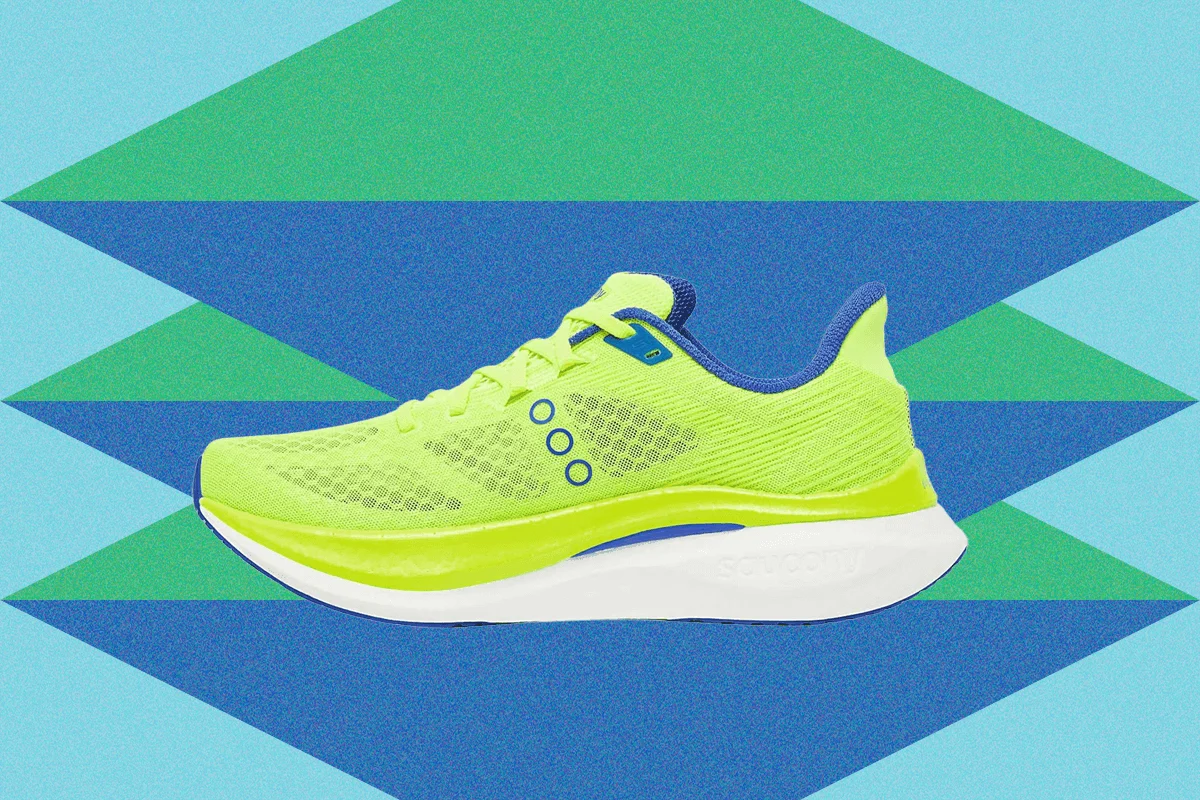
The global athletic footwear market, valued at approximately $150 billion in 2023, continues to undergo a rapid transformation driven by material science innovations and a diversifying consumer base. As the running community expands from elite marathoners to "hybrid" athletes who combine strength training with cardiovascular exercise, the demand for specialized footwear has never been higher. Professional testers and industry analysts have spent the past year putting hundreds of miles into the latest releases to determine which models offer the best balance of stability, energy return, and long-term durability. This comprehensive review examines the top-performing "honorable mentions" in the current market, ranging from traditional stability trainers to modern hybrid gym-to-road shoes, providing a detailed look at the technology defining the 2024 running season.
The Evolution of Midsole Technology and Market Trends
The trajectory of running shoe development has moved through several distinct eras: the minimalist movement of the late 2000s, the maximalist revolution led by Hoka in the mid-2010s, and the current "super-foam" era. Today’s market is defined by the democratization of high-performance materials. Technologies once reserved for $250 carbon-plated racing shoes, such as Pebax-based foams and supercritical nitrogen-infused midsoles, are now finding their way into daily trainers priced between $130 and $180.
Market data suggests that the "daily trainer" category remains the largest segment of the industry, as consumers prioritize versatility. According to recent retail reports, runners are increasingly looking for a "one-shoe solution" that can handle recovery runs, tempo sessions, and occasional gym workouts. This shift has forced legacy brands like New Balance and Adidas to compete with rising disruptors and European specialists like Diadora and Kiprun.
Versatility and Hybrid Performance: The Rise of the All-Rounder
One of the most notable shifts in the 2024 landscape is the emergence of the "hybrid" shoe, designed for athletes who do not limit themselves to a single discipline. The Rad R1, priced at $130, exemplifies this trend. While traditional running shoes often lack the lateral stability required for high-intensity interval training (HIIT) or heavy lifting, the R1 is engineered with a firmer platform. This design allows for short-distance road miles and treadmill work while maintaining the ground feel and support necessary for box jumps, lunges, and barbell exercises.
Conversely, for runners who prefer a traditional road feel without the aggressive "pop" of carbon plates, the Diadora Nucleo 2 ($165) has emerged as a standout for consistent performance. Eschewing the trend of hyper-responsive, springy foams, the Nucleo 2 focuses on "inherent stability." This term refers to a shoe’s ability to guide the foot through the gait cycle using geometry and foam density rather than intrusive plastic posts. Industry analysts note that Diadora’s resurgence in the North American market is largely due to this focus on no-nonsense comfort and artisanal Italian engineering, appealing to runners who find modern "super shoes" too unstable for daily mileage.
The Mid-Range Powerhouse: Speed and Efficiency
For runners seeking a lightweight experience that can handle faster paces, the New Balance FuelCell Rebel V5 ($145) and the Adidas EVO SL ($105) represent the pinnacle of modern mid-range design. The Rebel V5 utilizes New Balance’s proprietary FuelCell foam, a nitrogen-injected TPU/EVA blend that provides a high degree of energy return without the harshness often associated with racing flats. It is frequently compared to the Saucony Endorphin Speed series, serving as a "do-it-all" shoe that weighs significantly less than standard daily trainers.
The Adidas EVO SL offers a more budget-friendly entry point into the world of high-performance geometry. At $105, it competes directly with older, discounted models like the Saucony Ride 17 ($110). While the Ride 17 is praised for its reliability as a budget-conscious workhorse, the Adidas EVO SL is noted for its ability to transition from slow recovery paces to threshold intervals with greater ease. Meanwhile, the Kiprun Kipride Max ($160) caters to the "plush" segment of the market. Kiprun, the performance running brand of French sporting goods giant Decathlon, has invested heavily in "K-Ring" and "Kalsole" cushioning technologies to provide a ride that is exceptionally soft yet maintains enough "pop" to prevent the shoe from feeling sluggish during long-distance efforts.
Stability and Support: Protecting the Gait Cycle
Despite the trend toward neutral, highly cushioned shoes, a significant portion of the running population requires stability features to combat overpronation. The 2024 market has seen a refinement of these features, moving away from the "medial posts" (hard plastic inserts) of the past toward more holistic support systems.

The Saucony Hurricane 25 ($135) and the Brooks Glycerin 23 GTS ($180) are the primary recommendations for runners needing extra support. The "GTS" in the Brooks model stands for "Go-To Support," utilizing GuideRails technology. Rather than forcing the foot into a specific position, GuideRails act like bowling alley bumpers, only engaging when the runner’s form begins to deviate from its natural path. This approach reduces the risk of knee and hip injuries, which are often the result of excessive foot rotation. The Saucony Hurricane 25 follows a similar philosophy, providing a wide base and contoured footbed to ensure a stable landing and takeoff.
Beginner-Friendly Classics and Daily Comfort
For those entering the sport for the first time, the Hoka Clifton 9 ($164) and the New Balance Fresh Foam X 1080 v15 ($170) remain the industry benchmarks. The Hoka Clifton 9, despite its bulky appearance, is surprisingly lightweight. Its "early-stage meta-rocker" geometry is designed to encourage a smooth roll from heel to toe, making it an ideal choice for beginners who may not have developed a high-cadence midfoot strike.
The New Balance 1080 v15 continues the brand’s tradition of using Fresh Foam X, a precision-engineered foam that is laser-perforated to provide more compression in the heel and more resistance in the forefoot. This model is often cited by podiatrists as a premier choice for walkers and runners alike due to its accommodating fit and premium upper materials that reduce friction on the bunions and midfoot.
The Science of Longevity: When to Replace Footwear
A critical concern for all runners is the lifespan of their equipment. The traditional industry standard suggests replacing shoes every 300 to 500 miles. However, as material science evolves, this rule of thumb is being scrutinized. Modern midsoles are composed of complex chemical structures; while some "superfoams" (like PEBA) may lose their elite energy return after 200 miles, they often retain their protective cushioning properties for much longer.
Determining when a shoe has "died" is now a more subjective process. Indicators of wear include:
- Outsole Attrition: When the rubber grip has worn down to the foam, traction is compromised, especially in wet conditions.
- Upper Integrity: Holes in the mesh or a collapsing heel counter can lead to blisters and a loss of lockdown.
- Midsole Compression: If the shoe no longer "bounces back" after a run or if the runner begins to experience unusual aches in the shins or arches, the foam’s cellular structure has likely collapsed.
Experts suggest that runners rotate between two different pairs of shoes. This not only allows the foam to fully decompress between runs—potentially extending the life of the shoe—but also subjects the runner’s muscles to slightly different stresses, which can help prevent repetitive strain injuries.
Broader Impact and Future Outlook
The diversification of the running shoe market reflects a broader cultural shift toward health and wellness. As marathon participation rates hit record highs in 2023 and 2024, brands are no longer just selling shoes; they are selling longevity and performance. The inclusion of more affordable options, such as the Adidas EVO SL and the Saucony Ride 17, suggests that the industry is aware of the need to remain accessible despite rising manufacturing costs.
Looking ahead, the industry is moving toward greater sustainability and customization. Several brands are experimenting with 3D-printed midsoles tailored to an individual’s specific pressure points and gait analysis. Furthermore, the push for bio-based foams—derived from castor beans or sugarcane—is becoming a priority for brands like Kiprun and New Balance as they aim to reduce the carbon footprint of their high-performance products.
In conclusion, the 2024 running shoe market offers a specialized tool for every type of athlete. Whether it is the hybrid functionality of the Rad R1, the stable comfort of the Diadora Nucleo 2, or the beginner-friendly engineering of the Hoka Clifton 9, the current era of footwear is defined by a commitment to both performance and protection. As technology continues to advance, the barrier between professional-grade equipment and the casual enthusiast continues to vanish, allowing runners of all levels to benefit from the latest in biomechanical research.