
 Indra Kusuma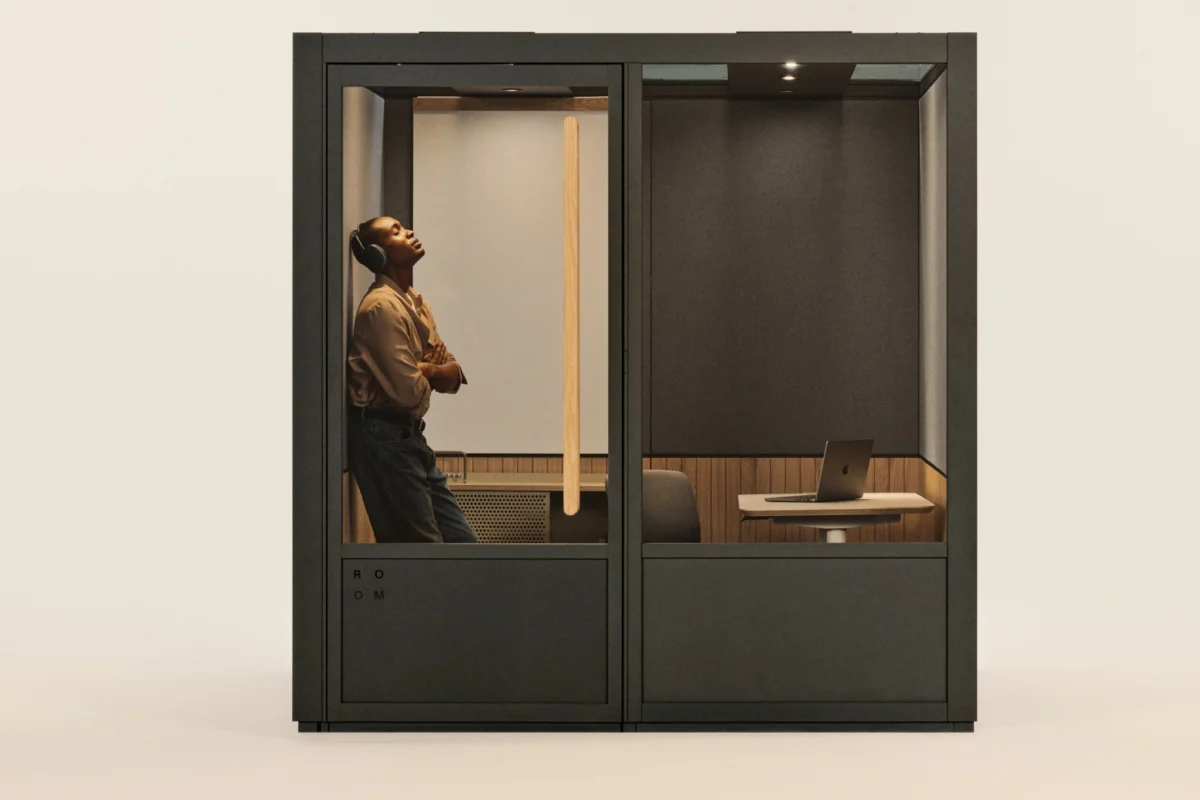
Eight years after disrupting the commercial interiors market with its singular, soundproof acoustic phone booth, ROOM has officially launched a comprehensive brand refresh that signals a fundamental pivot in its corporate identity. The company, which initially gained global recognition for providing portable, modular privacy solutions for the burgeoning open-office landscape of the late 2010s, is moving beyond the classification of a furniture manufacturer. By transitioning toward a holistic ecosystem of flexible architecture, the brand is attempting to redefine how physical space facilitates human connection, focus, and productivity in a post-pandemic era that has rendered traditional office layouts increasingly obsolete.
A Chronology of Growth: From Phone Booths to Architectural Systems
The trajectory of ROOM began in 2018, a period defined by the rapid adoption of open-plan office layouts that, while promoting collaboration, often failed to account for the need for deep work and private communication. The company’s original Phone Booth became a staple in startup hubs and corporate headquarters alike, effectively creating a new category of "plug-and-play" office infrastructure.
However, the nature of the workplace began to shift significantly around 2020. The subsequent transition to hybrid work models forced organizations to reconsider the utility of their real estate. Recognizing this, ROOM began iterating its product line, moving from the isolated booth to larger, more complex modular meeting spaces. This progression was not merely a series of product launches but a deliberate step toward becoming a provider of "flexible architecture." By 2026, the brand reached a critical juncture: its portfolio had grown so substantially that its original branding—focused primarily on the utility of the booth—no longer reflected its role as a systemic design partner for enterprise clients.
Strategic Rebranding and Fashion-Forward Creative Direction
To manage this transition, ROOM engaged the global creative agency Blonde Inc. to lead a comprehensive visual and messaging overhaul. The objective was to strip away the "catalog-first" approach that has historically dominated the commercial furniture industry. Instead, the team sought to emphasize the experiential value of the workplace.

"We looked to the fashion world for inspiration," says Alfred Lauritzen, executive producer and partner at Blonde Inc. By collaborating with ©Public Image, a creative firm renowned for its work with luxury fashion houses, the team sought to elevate the aesthetic language of the office. The result is a campaign that removes the product from the static, sterile office environment, placing it in contexts that prioritize human activity.
This shift in visual strategy is intended to solve a complex communication problem: how to convey the versatility of a modular architectural system without reducing it to a set of specifications or dimensions. The campaign imagery highlights people in various states of professional engagement—gathering, conversing, or enjoying periods of solitude—thereby positioning ROOM’s structures as the "visual frame" rather than the focal point of the workplace experience.
The Data Behind the Shift: The Demand for Flexibility
The repositioning of ROOM arrives at a time when corporate real estate data confirms a profound shift in how offices are utilized. According to recent industry analytics from commercial real estate services firms, office occupancy remains volatile, but the demand for "amenity-rich" and "agile" space has reached an all-time high.
Data indicates that while total square footage demand in major urban centers has stabilized, the configuration of that space is changing. Employees are increasingly gravitating toward offices that offer a "third space" environment—areas that provide the comfort of home, the focus of a private office, and the connectivity of a meeting room. ROOM’s evolution mirrors this market trend. By moving toward a broader system of architecture, the company is directly addressing the corporate requirement for offices that can be reconfigured overnight to accommodate shifting team sizes or changing project needs, without the massive capital expenditure of permanent construction.
Official Statements and the "Room for What Matters" Promise
At the heart of the new identity is a central brand promise: "Room for What Matters." This directive is designed to anchor all future communications, transitioning the brand’s messaging from the technical specifications of acoustic insulation to the qualitative outcomes of the workspace.

"The product has never been the entire story with ROOM," explains Elyse Heckman, SVP of Brand and Communications. "Workplaces are full of products, but we know the most meaningful asset within workplaces is the people inside of them. Those are the moments that make work, work. And ROOM creates space for every one of them."
This sentiment is echoed by the brand’s new creative assets, including an ASMR-inspired 30-second film directed by Corey Hess. The film, along with an updated color palette and a revamped digital presence, focuses on the sensory experience of being in a well-designed space. It underscores the idea that a high-quality environment is one that feels invisible, allowing the work itself to take center stage.
Implications for the Future of Commercial Design
The implications of this shift are significant for the broader commercial interiors sector. For years, the industry was dominated by static, heavy, and often permanent installations. ROOM’s transition suggests that the future of office design is fluid. The distinction between "furniture" and "architecture" is blurring, and companies are now prioritizing systems that can be moved, repurposed, and updated as the business evolves.
This pivot also highlights a maturing market. When ROOM first launched, the "phone booth" was an exotic solution to an open-office problem. Today, the acoustic pod is an industry standard, and the market is moving toward the next stage of maturity: the integration of these pods into a wider architectural ecosystem.
Furthermore, by adopting a visual language inspired by fashion rather than traditional office catalogs, ROOM is signaling that workplace design is moving closer to lifestyle design. This acknowledges that the modern employee expects the same level of design integrity, aesthetic coherence, and user-experience focus from their office environment as they do from the consumer brands they interact with in their personal lives.

Analysis: A New Standard for Workplace Infrastructure
The brand refresh serves as an analytical case study in how to navigate the "post-office" landscape. By repositioning its modular systems as "infrastructure for activity," ROOM has effectively insulated itself against the risks of being viewed as a commodity manufacturer. In a crowded marketplace, where acoustic booths are offered by dozens of competitors, the focus on the human experience serves as a key differentiator.
The success of this strategy will likely be measured by how well ROOM can integrate its larger architectural systems into the complex, multi-functional offices of the future. The company is no longer selling a box to sit in; it is selling the infrastructure that allows for a more responsive, human-centric, and productive workday. As corporations continue to experiment with hybrid policies and space utilization, providers that offer this level of flexibility—backed by a clear, human-centric narrative—are likely to remain the most resilient partners in the sector.
In conclusion, the evolution of ROOM from a singular product-focused brand to a broader architectural partner represents a critical maturation of the workplace design industry. By emphasizing that the most valuable asset in any office is not the furniture but the people and the interactions between them, the company has established a strategic foundation that aligns with the realities of modern work. As the definition of the office continues to be in flux, ROOM’s commitment to providing "space for what matters" positions the company as a key architect in the ongoing transformation of the professional world.







