
 Ali Ikhwan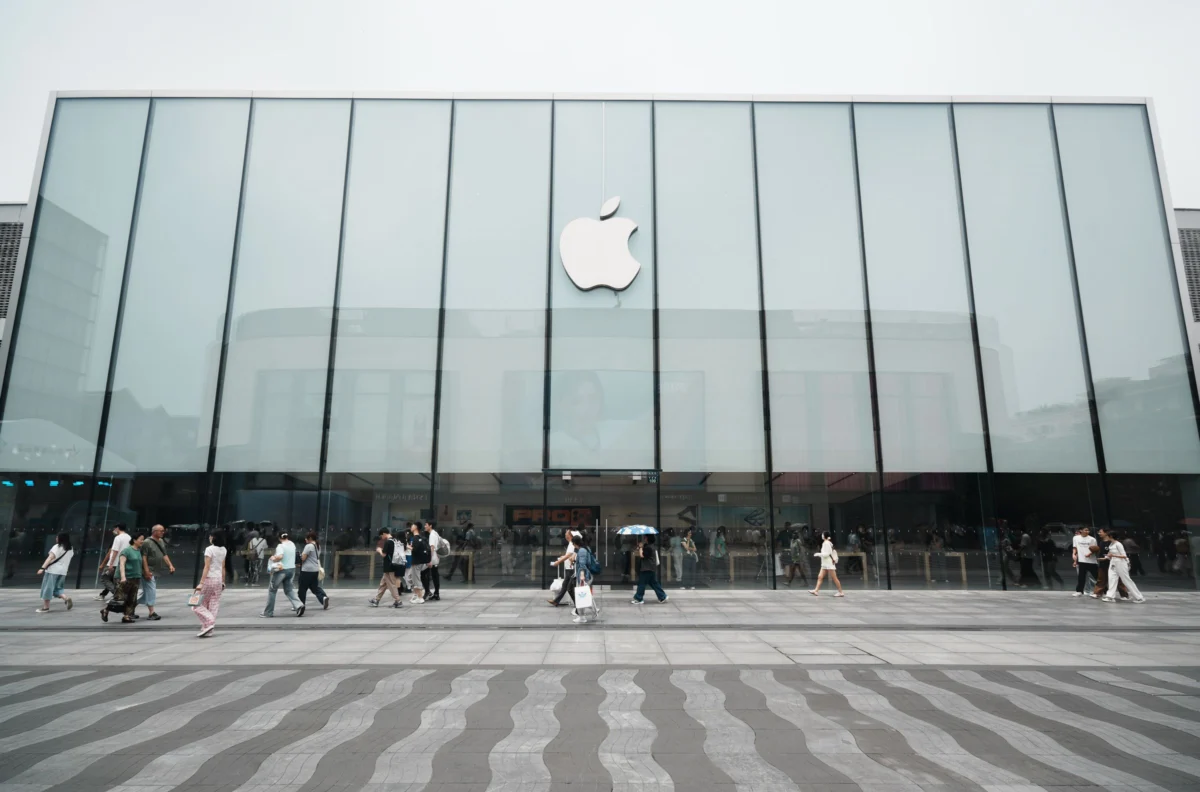
The global consumer electronics industry is currently grappling with a significant upward shift in pricing structures, driven by a complex confluence of supply chain constraints, geopolitical factors, and a massive pivot toward artificial intelligence infrastructure. For consumers currently navigating the marketplace for memory-dependent devices, the window for traditional price stability appears to be closing. Market analysts and industry leaders are observing a trend where the cost of entry for new hardware—ranging from high-end laptops to gaming consoles—is reaching new heights, with little indication of a near-term reversal.
This trend was punctuated in June by Apple’s decision to implement price increases across its MacBook and iPad lineups, signaling a shift in the pricing strategy for one of the world’s most influential hardware manufacturers. Following closely, Microsoft announced that Xbox consoles would see price adjustments starting in August, adding to a landscape where Sony’s PlayStation 5 Pro and other premium gaming hardware have already established higher price floors. Beyond the tech-specific components, broader economic pressures, including the fluctuating cost of oil, have increased logistics and shipping expenses, further squeezing the margins of hardware producers and necessitating a pass-through of costs to the end user.
The Catalyst: The AI-Driven Memory Shortage
While multiple factors contribute to the current inflationary environment in tech, the primary driver is a critical shortage of memory components. The global semiconductor industry has undergone a radical transformation over the last 24 months, fueled by the explosive growth of generative artificial intelligence. Leading manufacturers of memory chips, such as Samsung, SK Hynix, and Micron, have increasingly prioritized the production of High Bandwidth Memory (HBM) and specialized DRAM for AI data centers. These components are essential for training large language models (LLMs) and running the massive server farms required by companies like Nvidia, Google, and Microsoft.
This prioritization has created a vacuum in the supply of standard memory chips used in consumer-grade electronics. When production capacity is diverted toward high-margin AI components, the supply of NAND flash and DRAM for laptops, smartphones, and tablets dwindles. In a typical market cycle, manufacturers might absorb minor fluctuations in component costs to maintain market share. However, the current shortage is characterized by its duration and the sheer scale of demand from the enterprise sector. As the "AI bubble" remains inflated, the competition for silicon remains fierce, leading to what economists describe as a "permanent shift" in the base cost of manufacturing.
Chronology of the Electronics Pricing Evolution
To understand the current state of the market, it is essential to look at the timeline of events that led to this juncture. The trajectory of electronics pricing has moved through several distinct phases over the last five years:
- The 2020–2022 Pandemic Disruption: Initial supply chain shocks caused by global lockdowns led to a shortage of legacy chips, affecting everything from automobiles to basic consumer gadgets. This period was defined by scarcity and logistical bottlenecks.
- The 2023 Inventory Correction: As supply chains normalized, many retailers found themselves with excess inventory. This led to a brief period of aggressive discounting and "Prime Day" style sales as companies sought to clear older stock.
- The Late 2023 Tariff Implementation: New trade policies and tariffs on electronic components imported from key manufacturing hubs began to add a layer of cost that had previously been mitigated by globalized trade agreements.
- The 2024 AI Pivot: The surge in demand for AI-capable hardware caused a massive reallocation of semiconductor foundry resources. This is the era where "upward-creeping prices" became a standard feature of new product launches.
- The 2025 Reality: The current phase represents a market where price hikes are no longer viewed as temporary "blips" but as structural adjustments to a new economic reality.
Expert Analysis: The End of "Waiting It Out"
Shawn DuBravac, the chief economist at the Global Electronics Association, has been monitoring these shifts closely. According to DuBravac, the traditional consumer strategy of waiting for a price drop or a newer model may no longer be viable. "In the past, you maybe could have waited out little blips like this," DuBravac noted in a recent report on the state of the memory market. "I don’t think that’s the case here. Waiting is not a strategy right now and probably won’t be for the foreseeable future."
DuBravac suggests that the intentionality behind current pricing strategies reflects a high degree of coordination and market awareness among major manufacturers. If a product has not yet seen a price increase, it is likely on the horizon. Conversely, for products that have already been adjusted upward, the current price may represent the most favorable "base price" consumers will see for several quarters. This creates a difficult environment for those on a strict budget, particularly as essential shopping seasons like back-to-school and the winter holidays approach.
The Rise of the Secondary Market and Recommerce
As new hardware becomes increasingly expensive, a significant portion of the consumer base is turning toward the refurbished and secondhand markets. This shift is not merely a trend of convenience but a necessary economic pivot for many households. Thibaud Hug de Larauze, CEO of the secondhand marketplace Back Market, observes that the fear of inflation is driving consumer behavior in unexpected ways. While some are upgrading rapidly to "lock in" current prices before further hikes, others are abandoning the new-market entirely in favor of high-quality used devices.
The data supporting the boom in the secondary market is stark. Sean Cleland, Vice President of Mobility Tech at the recommerce company B-Stock, highlights a historical anomaly in current pricing data. Traditionally, electronics—particularly smartphones—depreciate steadily the moment they are purchased. However, Cleland reports that used smartphones are currently selling for 10 to 20 percent more than they were in late 2025.
"The supply chain will correct eventually," Cleland says, "Secondary market pricing will go back to normal depreciation, but it will continue being a step above what it was in 2025. It just never comes all the way back." This indicates that even when the supply of new chips stabilizes, the floor for electronics pricing across both new and used sectors has been permanently raised.
Environmental and Ethical Implications
One unintended consequence of the surge in electronics prices is the potential for a more sustainable tech ecosystem. As the cost of new devices rises, the "throwaway culture" associated with consumer tech is being challenged. Consumers are finding more value in repairing older devices or purchasing refurbished units that have been certified for resale.
Manufacturers have noticed this shift and are increasingly leaning into their own resale and trade-in programs. By offering buyback incentives for old phones, tablets, and laptops, companies can secure a secondary stream of revenue while also addressing growing concerns over e-waste. This "circular economy" approach helps keep devices out of landfills and provides a more affordable entry point for consumers who are priced out of the flagship market. From an ethical standpoint, buying refurbished reduces the demand for the mining of rare earth minerals and the carbon-intensive manufacturing processes required for new silicon.
Broader Economic Impact and Future Outlook
The implications of rising tech costs extend beyond individual consumer choice. Electronics are a fundamental component of modern productivity. Higher costs for MacBooks and iPads directly impact students, creative professionals, and small businesses. When the tools of the digital economy become more expensive, it can lead to a slowdown in tech adoption or a widening of the digital divide.
Furthermore, the "AI bubble" presents a significant variable. If the massive investments currently being poured into AI data centers fail to yield the expected returns, there could be a sudden surplus of memory chips as production pivots back to consumer goods. However, most industry analysts believe that the integration of AI into every facet of software and hardware is a long-term transition. This means the competition for high-end memory components is likely to remain the status quo for the foreseeable future.
For the average consumer, the advice from industry experts is clear: evaluate needs versus wants with a critical eye. If a purchase is necessary, taking advantage of current trade-in values is more lucrative now than it has been in previous years. As Sean Cleland points out, "You’re going to get way more from that phone than you ever would before. Take advantage of it; there’s trade-in and resale value in all that stuff."
In summary, the era of cheap, rapidly depreciating electronics appears to be in the rearview mirror. Driven by the insatiable appetite of the AI industry and a volatile global supply chain, the tech landscape of 2025 and beyond will be defined by higher entry costs, a robust secondary market, and a fundamental shift in how consumers value their digital tools. The current price hikes from industry giants like Apple, Microsoft, and Sony are not isolated incidents, but rather the leading edge of a broader economic recalibration in the world of technology.







