
 Ali Ikhwan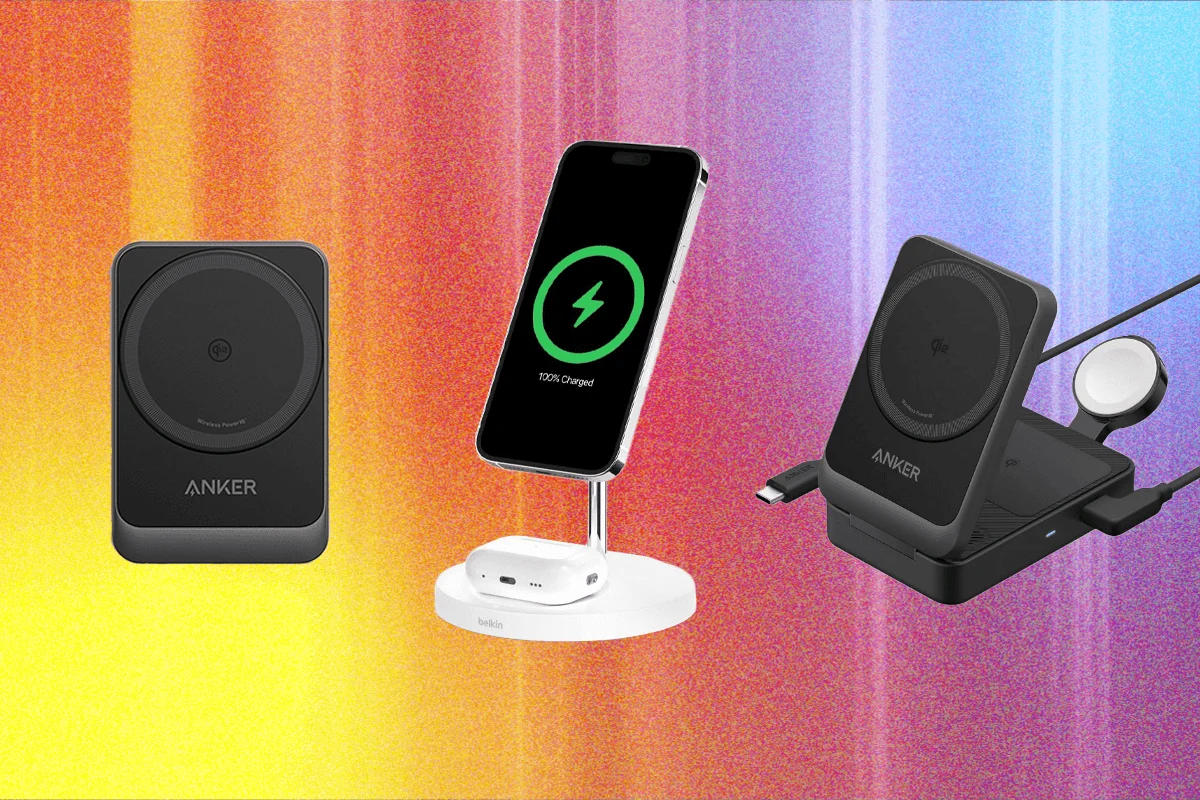
The landscape of mobile power management has undergone a fundamental transformation since the introduction of magnetic alignment technology, moving from a niche convenience to a global industry standard. In 2026, the convergence of Apple’s proprietary MagSafe system and the Wireless Power Consortium’s (WPC) Qi2 standard has created a unified ecosystem that serves both iOS and Android users. This integration has effectively eliminated the "charging sweet spot" frustration, where a slight misalignment on a wireless pad would result in a failed charge or excessive heat generation. As of the latest industry assessments in July 2026, the market has seen the debut of the Qi2.2 update, which pushes charging speeds to 25 watts, matching the performance of many traditional wired connections while maintaining the flexibility of a cable-free experience.

The current generation of flagship devices, including the iPhone 17 series and the Google Pixel 10 series, has fully embraced this magnetic architecture. While Apple’s MagSafe remains the pioneer, the Qi2 standard—developed in collaboration with Apple—now allows Android manufacturers to offer identical magnetic latching and high-speed charging capabilities. This technological parity ensures that consumers can invest in high-quality charging stands and pads that are cross-compatible, reducing electronic waste and simplifying the user experience across multi-platform households.
Leading Hardware Solutions for 2026
The selection of a magnetic charger in 2026 is dictated by three primary factors: peak wattage, thermal management, and aesthetic integration into the home or office environment. Leading the market in pure reliability is the Apple MagSafe Charger (2-meter variant). Following a recent redesign, this official accessory remains the benchmark for iPhone users, offering a slim profile and a durable braided cable. While it lacks the multifaceted utility of a stand, its portability and guaranteed compatibility with Apple’s internal power management software make it a staple for those prioritizing official hardware.
.jpg)
For users seeking a permanent desk or bedside solution, the Nomad Stand One (4th Generation) represents the pinnacle of the new Qi2 25W standard. Constructed from high-grade metal and glass, the Stand One is weighted to ensure that the phone can be detached with one hand—a common pain point with lighter, plastic alternatives. Its support for the 25W peak charging rate makes it one of the fastest wireless options available, specifically optimized for the higher power intake of the iPhone 17 and Pixel 10 Pro XL.
In the multi-device category, the Belkin 3-in-1 Qi2 Charging Stand and the Nimble Podium 3-in-1 Wireless Charger offer comprehensive solutions for the modern "ecosystem" user. The Belkin model utilizes a T-shaped architecture to charge a smartphone, an Apple Watch, and wireless earbuds simultaneously. Meanwhile, Nimble has distinguished itself through a focus on sustainability, utilizing recycled plastics and carbon-neutral manufacturing processes without sacrificing the 15W to 25W delivery speeds required by modern hardware.

The Chronology of Magnetic Charging Evolution
The journey toward the 2026 state of wireless charging began in October 2020 with the launch of the iPhone 12. At the time, MagSafe was a proprietary Apple technology that repurposed the magnets once used in MacBook charging ports for mobile devices. This initial phase was limited to 15W and was exclusive to the Apple ecosystem.
By early 2023, the Wireless Power Consortium announced the Qi2 standard at the Consumer Electronics Show (CES). This was a pivotal moment for the industry, as Apple contributed its Magnetic Power Profile (MPP) to the standard, allowing it to serve as the foundation for Qi2. This move signaled the end of the "walled garden" approach to magnetic alignment.
%2520SOURCE-Simon-Hill..jpg)
In 2024 and 2025, the market saw the first wave of Qi2-certified Android devices and accessories. This period was marked by the refinement of thermal controllers, as higher charging speeds typically result in increased heat, which can degrade battery health over time. The introduction of the iPhone 17 and Pixel 10 in late 2025 and early 2026 solidified the 25W standard, known as Qi2.2, which utilizes more sophisticated frequency negotiation to maintain efficiency.
Technical Specifications and Comparative Data
The performance of magnetic chargers is no longer measured solely by their peak output but by their "thermal ceiling." Modern chargers must balance power delivery with temperature regulation to prevent the smartphone from throttling its intake. Data from 2026 testing cycles indicates that high-end stands, such as the Nomad Stand One, maintain a 25W output for approximately 20% longer than budget-tier pads before heat-sync protocols reduce the wattage to 15W.
.jpg)
| Charger Model | Peak Wattage | Primary Material | Cable Type |
|---|---|---|---|
| Apple MagSafe (2m) | 15W – 25W | Aluminum/Silicone | Braided USB-C |
| Nomad Stand One (4th Gen) | 25W | Metal/Glass | Integrated USB-C |
| Belkin 3-in-1 Qi2 | 15W (per pad) | Plastic/Chrome | Detachable USB-C |
| Nimble Podium | 15W – 25W | Recycled Plastic | Detachable USB-C |
| Anker MagGo Pad | 15W | Aluminum | Integrated USB-C |
Furthermore, the shift to USB-C as the universal input for these chargers has standardized the power bricks required to drive them. To achieve the 25W wireless peak, most manufacturers now recommend a minimum 30W or 35W Power Delivery (PD) wall adapter, a significant increase from the 20W adapters used in the early 2020s.
Industry Responses and Software Integration
The adoption of magnetic charging has prompted significant software responses from major operating system developers. Apple’s "StandBy" mode, introduced in iOS 17 and refined in subsequent versions, allows the iPhone to function as a smart display when docked horizontally on a MagSafe charger. This feature has driven the popularity of stand-style chargers over flat pads, as it provides immediate utility for the device even when it is not in active use.
.jpg)
Google has followed suit with its "Screensaver" and "Pixel Stand" features for the Android ecosystem. When a Pixel 10 is placed on a Qi2-certified stand, the device can automatically transition into a Google Home controller, providing one-touch access to smart lighting and security cameras. Industry analysts suggest that this software-hardware synergy is a primary driver for the high adoption rates of premium charging accessories, which often retail between $80 and $150.
Official statements from the Wireless Power Consortium emphasize that the goal of Qi2 was never just speed, but interoperability. "By creating a global standard based on proven magnetic alignment, we have reduced the consumer confusion that plagued the first decade of wireless charging," a WPC spokesperson noted during the 2026 standard update. "The result is a more sustainable market where accessories outlast the phones they were originally purchased for."

Sustainability and Market Impact
As the consumer electronics industry faces increasing pressure to address environmental concerns, the role of charging accessories has come under scrutiny. Companies like Nimble and Casetify have pivoted their marketing strategies to highlight the longevity and recyclability of their products. Nimble’s "Podium" series, for instance, is designed to be easily disassembled for recycling at the end of its lifecycle, a departure from the glued-plastic housings of the past.
The broader impact of the MagSafe and Qi2 revolution is the potential obsolescence of the physical charging port. With wireless speeds now reaching 25W—surpassing the wired speeds of many mid-range phones from just a few years ago—the industry is moving closer to a "portless" future. Such a move would allow manufacturers to improve water resistance and structural integrity by removing one of the largest ingress points for liquid and dust.
-Reviewer-Photo-SOURCE-Simon-Hill.jpg)
However, challenges remain regarding efficiency. Despite the improvements in magnetic alignment, wireless charging still loses approximately 15% to 25% of energy as heat compared to a direct wired connection. In an era of increasing energy costs and climate awareness, the industry is now focused on the "Qi3" roadmap, which aims to narrow this efficiency gap through the use of gallium nitride (GaN) components within the charging coils themselves.
Future Outlook and Conclusion
As 2026 progresses, the magnetic charging market is expected to expand beyond smartphones. Early prototypes for Qi2-enabled tablets and even lightweight laptops have begun to appear, suggesting that the convenience of magnetic power delivery will soon be a universal feature across the mobile computing spectrum. For the average consumer, the current selection of MagSafe and Qi2 chargers represents a mature technology that offers a reliable, fast, and aesthetically pleasing way to maintain device utility throughout the day.
-Reviewer-Photo-SOURCE-Simon-Hill.jpg)
Whether opting for the sleek, official simplicity of Apple’s own hardware or the heavy-duty, high-speed performance of third-party stands like those from Nomad and Belkin, users in 2026 are no longer tethered by the limitations of early wireless attempts. The convergence of standards has created a rare win-win scenario for the tech industry: a reliable ecosystem where hardware from competing giants can finally share the same power source.







