
 Ali Ikhwan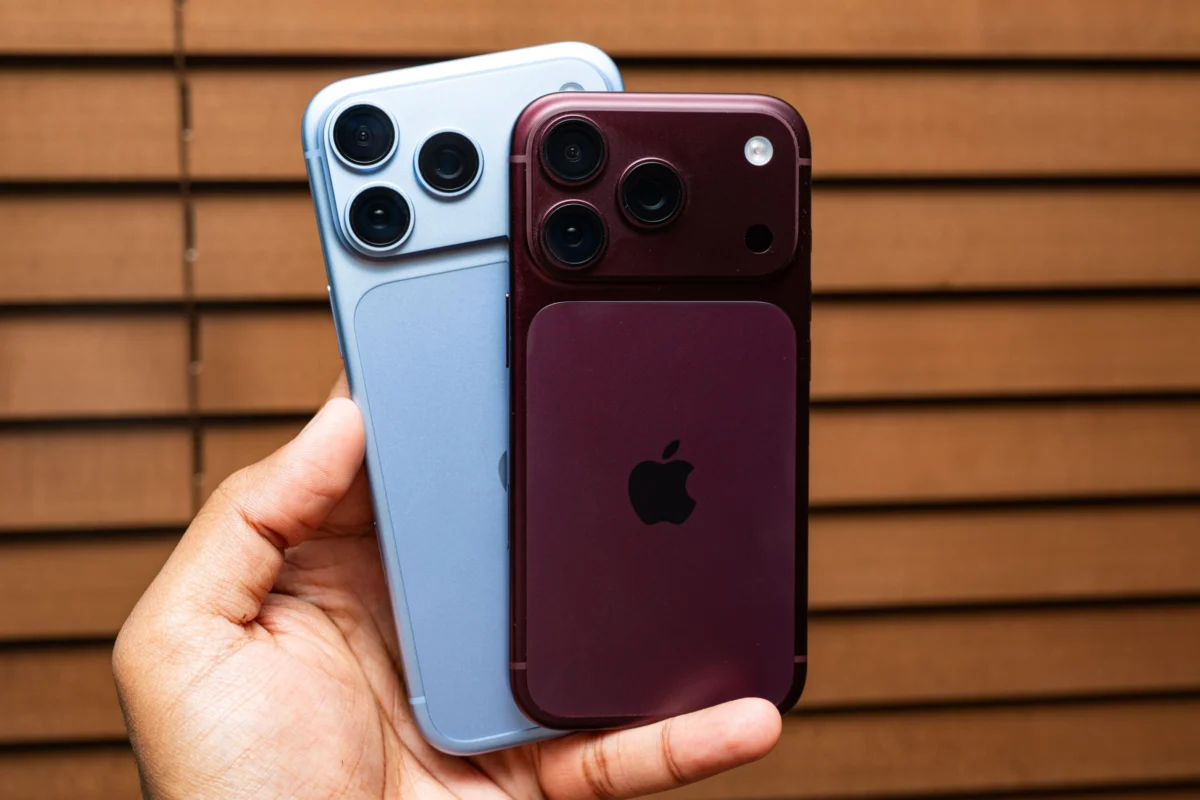
The landscape of mobile telephony has shifted significantly this season as Apple Inc. bypasses the standard annual refresh of its base-tier iPhone model, choosing instead to focus its immediate commercial energy on the high-end enthusiast market. The launch of the iPhone 18 Pro ($1,199) and the iPhone 18 Pro Max ($1,299) represents a strategic departure from the company’s traditional release cadence. While consumers expecting a standard entry-level iPhone 18 must wait until the spring of 2027, Apple has positioned these Pro models as the definitive hardware for the current cycle, even as they contend for consumer attention with the upcoming, high-priced iPhone Duo foldable device.

A Shifting Hardware Strategy
For years, Apple has maintained a predictable schedule of fall releases, typically unveiling a standard flagship alongside a Pro variant. The decision to omit a base model this year suggests a tightening of production resources or a deliberate effort to segment the market more aggressively. Industry analysts suggest that this "gap year" for the base model may be intended to funnel consumers toward the burgeoning "iPhone 18e" mid-tier project expected in 2027, or to manage the inventory complexity introduced by the introduction of the company’s first foldable handset, the iPhone Duo.
Despite the $100 price increase compared to the previous generation, the iPhone 18 Pro series offers a refinement of existing technologies rather than a complete overhaul. The hardware architecture remains consistent with the "candy bar" design language that has defined the series, yet internal modifications—specifically regarding thermal management and camera optics—differentiate these units from their predecessors.

Performance Metrics and Thermal Engineering
At the heart of the iPhone 18 Pro series is the A20 Pro chipset. Benchmark testing reveals a notable leap in computational efficiency over the A19 Pro. While the processor handles standard multitasking with ease, its performance in high-fidelity gaming scenarios highlights the true intent of the current hardware configuration. The device maintains structural integrity under load, thanks to a redesigned cooling system.
Apple has expanded the surface area of the vapor chamber cooling solution by 300 percent compared to the iPhone 17 series. This engineering choice is critical for the device’s longevity; by spreading heat more effectively across the chassis, the system delays the onset of thermal throttling—a common performance bottleneck in mobile gaming. In controlled tests, the device was able to sustain high-frame-rate output for significantly longer durations, confirming that the hardware is optimized for power users who view the smartphone as a primary gaming or creative device.

The Evolution of the Camera System
The most significant technical innovation in the iPhone 18 Pro series is the integration of a mechanical variable aperture system. While the concept of a variable aperture has appeared in earlier industry experiments—most notably by manufacturers like Samsung, Huawei, and Xiaomi—Apple’s implementation is designed for integration into its existing computational photography stack.
The system allows the user to choose between four distinct f-stops: f/1.48, f/1.78, f/2.8, and f/4. This mechanism relies on physical blades that contract or expand, allowing for granular control over light intake and depth of field.

- f/1.48: Maximizes light intake, ideal for low-light environments and creating organic, optical bokeh.
- f/1.78: The standard, balanced aperture for general-purpose photography.
- f/2.8 and f/4: These narrower settings increase the depth of field, ensuring that more elements in a composition remain in sharp focus, and are essential for achieving the "starburst" effect when shooting bright light sources.
For the professional or enthusiast photographer, these settings provide an alternative to the simulated background blur of the software-based Portrait mode. While the computational approach remains available, the mechanical aperture provides a level of depth control that is physically authentic, reducing the reliance on AI-generated edge detection.
Software Integration: iOS 27 and Siri AI
The iPhone 18 Pro series debuts with iOS 27, which introduces a more robust iteration of the company’s AI-integrated assistant, Siri AI. This update represents a shift in Apple’s philosophy toward generative intelligence. Unlike previous versions, which operated largely on a command-response loop, the current Siri AI is capable of managing complex, multi-layered requests.

Furthermore, the Dynamic Island has seen a functional expansion. The interface now supports three concurrent "Live Activities," allowing users to track multiple data streams—such as navigation, ride-sharing, and food delivery status—simultaneously. This enhancement addresses a long-standing criticism that the screen real estate occupied by the camera hardware was underutilized in multitasking scenarios.
Market Context and Consumer Implications
The absence of a base-model iPhone this year is a clear signal of Apple’s current focus on premium hardware. By pricing the Pro models at a premium and introducing the high-cost iPhone Duo, Apple is signaling a move toward higher average selling prices (ASP).

For the average consumer, however, the advice remains cautious. The incremental improvements in battery life, the minor reduction in the size of the Dynamic Island, and the new camera features, while impressive, may not necessitate an immediate upgrade for those currently using an iPhone 15 Pro or newer. Apple’s emphasis on long-term device support and the availability of repair services suggests that the company is content to see the current install base hold onto their devices for longer periods.
Comparative Analysis: The Pixel 11 Pro Challenge
In direct comparison with the Google Pixel 11 Pro, the iPhone 18 Pro series demonstrates a distinct photographic philosophy. The iPhone tends to prioritize brightness, even in environments where high contrast or dark moods are intended. This can lead to "over-brightening" in low-light shots, whereas the Pixel 11 Pro tends to retain more shadow detail and provides a more matte, natural appearance.

The inclusion of customizable Photographic Styles—which now allow users to adjust texture and grain—is a direct response to the market’s growing demand for "authentic" rather than overly processed, sharp digital images. This feature set aligns the iPhone 18 Pro with contemporary trends in mobile photography, where the aesthetic of film grain is increasingly valued over the ultra-clean look of previous years.
Future Outlook
As Apple prepares for the launch of the iPhone Duo, the iPhone 18 Pro series serves as a bridge. It satisfies the market for traditional, high-performance smartphones while the industry waits to see if folding screens can achieve the same level of mainstream viability. The success of the 18 Pro series will likely be measured not just by units sold, but by how effectively it maintains the "Pro" brand identity in a year defined by the experimental spectacle of the Duo.

For users who prioritize mechanical control in their camera, advanced thermal performance for gaming, and the convenience of the expanded Dynamic Island, the iPhone 18 Pro is a sophisticated, albeit expensive, iteration of the modern smartphone. For everyone else, the expected release of the 2027 base models offers a more prudent timeline for upgrading. The current generation remains a testament to iterative refinement—a high-water mark for the candy-bar phone, even as the horizon of the industry begins to fold.