 Ali Ikhwan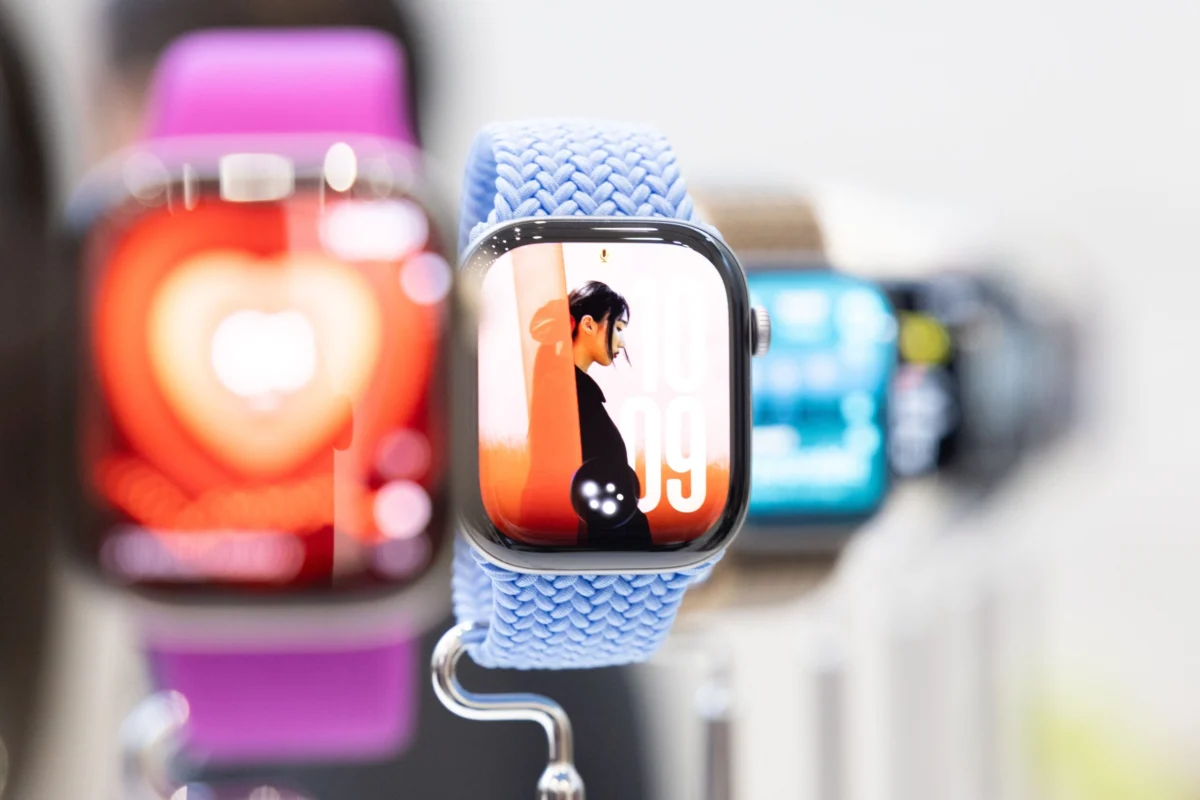
The release of the Apple Watch Series 12 marks a significant evolution in wearable technology, shifting the device from a passive fitness tracker toward a proactive health-monitoring system. By integrating the new S11 chip and a comprehensive Health Sensing System, Apple has focused on increasing the granularity of biometric data, moving beyond the periodic sampling seen in previous generations to a near-continuous monitoring model. This technological pivot coincides with a broader push by the company into the domain of artificial intelligence, specifically through its new Audio Intelligence suite.
The Evolution of Apple’s Wearable Hardware
The progression of the Apple Watch has historically followed a trajectory of iterative hardware refinement. From the introduction of the first Apple Watch in 2015 to the sensor-heavy Series 11, the company has consistently sought to provide deeper insights into cardiovascular and respiratory health. The Series 12 represents a departure from this linear path, prioritizing sensor density and processing efficiency.
At the core of this upgrade is the S11 system-in-package, which facilitates faster CPU and GPU performance while simultaneously managing the power consumption required for more frequent sensor polling. This silicon upgrade is instrumental in the device’s new Health Sensing System. While the Series 11 utilized two electrodes for electrocardiogram (ECG) readings, the Series 12 features a sophisticated array of 32 electrodes. This hardware redesign is specifically engineered to ensure consistent skin contact, which is the primary challenge in obtaining medical-grade biometric data from a wrist-worn device. Furthermore, the optical sensor array has been overhauled; the photodiodes are now arranged in a circular configuration, augmented by larger green LEDs that provide a more robust light penetration for heart rate monitoring.
Chronology of Health Monitoring Advancements
The industry has observed a rapid acceleration in wearable health features over the last decade. A brief timeline illustrates how far the technology has progressed:
- 2015: Introduction of the original Apple Watch with basic heart rate tracking.
- 2018: Series 4 introduces the first consumer-facing ECG feature, capable of detecting atrial fibrillation.
- 2020: Blood oxygen saturation (SpO2) monitoring added via pulse oximetry.
- 2021-2022: Introduction of wrist temperature sensing for cycle tracking and sleep health.
- 2024: The Apple Watch Series 12 shifts to high-frequency, continuous data sampling and the introduction of a unified "Readiness" metric.
This timeline reflects a transition from "on-demand" testing—where a user must initiate a reading—to "background" testing, where the watch autonomously gathers data to build a long-term physiological profile.
High-Frequency Data and the Readiness Score
One of the most consequential changes in the Series 12 is the increased sampling frequency. The device now measures heart rate every five seconds, even during physical activity. This is a substantial improvement over the Series 11, which relied on five-minute intervals during stationary periods. By capturing data at this rate, the device can provide a more accurate depiction of heart rate variability (HRV).
HRV is a critical metric for determining autonomic nervous system balance. The Series 12 measures both recovery HRV and overall HRV, providing data points every five minutes. This allows users to observe their body’s reaction to stressors in real-time, rather than relying on fragmented snapshots. These data points feed into the new Readiness app, which synthesizes sleep, activity, and biometric metrics into a singular recovery score.
While the concept of a readiness score has been popularized by competitors such as Oura and Whoop, Apple’s implementation is characterized by its reliance on a seven-day baseline. This period is required to calibrate the algorithm to the individual’s specific physiology, a standard practice in sports science to ensure the accuracy of the baseline before providing actionable feedback.
The Integration of Audio Intelligence
The most controversial addition to the Series 12 ecosystem is the forthcoming "Audio Intelligence" suite. This feature set includes accelerated Shazam integration, Sound Recognition, and the highly anticipated Siri Recap and Live Rewind. These features leverage the device’s microphone to process ambient audio, raising questions regarding privacy and the role of wearables in public spaces.
Siri Recap, in particular, aims to solve the problem of note-taking during meetings or academic lectures. By utilizing Apple Intelligence, the system transcribes audio and generates structured summaries. The technological backbone of this feature relies on on-device processing and the company’s "Private Cloud Compute," which attempts to mitigate the privacy risks inherent in capturing continuous audio streams. Industry analysts suggest that this marks the first time a consumer wearable has been positioned as a primary productivity tool for voice-based information management.
Enhancing Accessibility and Navigation
Beyond health and audio, Apple has prioritized the user experience through gesture-based navigation. The Series 12 expands on the existing double-tap and wrist-flick controls by introducing a single-tap gesture. By tapping the index finger and thumb together, users can select widgets within the Smart Stack interface. This functionality is designed to provide discreet control, which is particularly useful for users navigating the watch in professional or high-activity environments where using the secondary hand is either inconvenient or impossible.
The new "Steps" complication also addresses a long-standing user request. By placing real-time step counts directly on the watch face, users no longer need to navigate through the Activity app, reducing the cognitive load required to track fitness progress throughout the day.
Broader Impact and Industry Implications
The trajectory of the Apple Watch Series 12 suggests a future where wearables act as early-warning systems for systemic health issues. By increasing the frequency of heart rate and HRV readings, Apple is positioning its hardware to potentially detect health anomalies long before a patient would seek professional medical care.
However, this increased capability brings with it the challenge of data interpretation. The upcoming Health app update, which introduces a "Health Age" metric and a "Longevity" tab, indicates that Apple is attempting to contextualize these massive datasets. Comparing individual metrics against demographic averages—the foundation of the Health Age feature—is a powerful tool for public health awareness, though it introduces the risk of "cyberchondria," where users may experience heightened anxiety due to minor fluctuations in their data.
From a privacy perspective, the introduction of audio-capturing features like Siri Recap will likely draw scrutiny from regulators and consumer privacy advocates. The balance between convenience and surveillance will remain a central theme in the next phase of the watch’s development.
Ultimately, the Series 12 is an incremental but profound step in the miniaturization of diagnostic medicine. While the physical design remains familiar, the software and sensor architecture within the device reflect a significant commitment to proactive wellness. As the company continues to refine its algorithms, the challenge will remain in ensuring that the data provided to users is not only accurate but also clinically actionable, rather than merely observational. The move toward a unified Readiness score and the forthcoming Health Age metrics signify that Apple is no longer just selling a watch; they are selling a comprehensive, AI-driven wellness companion that demands a new level of data literacy from its users.