Reynand Holland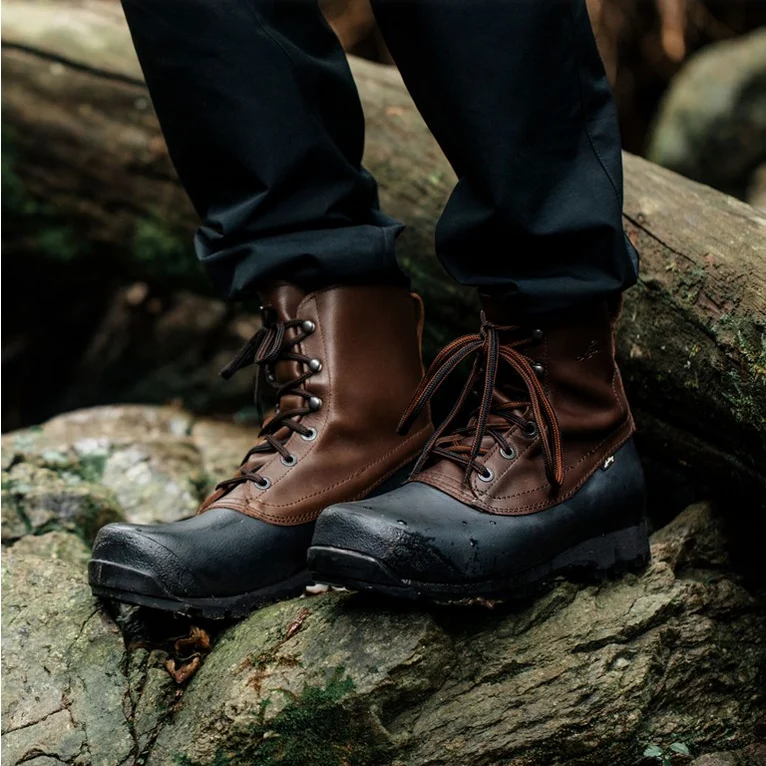
When venturing into winter’s embrace, where snow and slush are the prevailing elements, the assurance that one’s footwear offers both personal protection and environmental stewardship becomes paramount. Truly sustainable winter boots transcend mere weather resistance; they are constructed for longevity and, crucially, are free from toxic waterproofing finishes. This principle is at the forefront of a growing movement within the fashion and outdoor gear industries, driven by increasing awareness of the pervasive and persistent nature of per- and poly-fluoroalkyl chemicals (PFAS).
The Pervasive Threat of "Forever Chemicals"
PFAS, often referred to by scientists as "forever chemicals" and by the industry as Durable Water Repellent (DWR), are a class of synthetic compounds utilized across a multitude of sectors, from the textiles that adorn us to the household products that surround us. Their primary function is to impart water and stain resistance without compromising breathability. However, their ubiquity in outdoor apparel, ski gear, and particularly in snow-proof winter boots, raises significant concerns regarding their environmental and health implications.
The inherent problem with PFAS lies in their remarkable stability. Due to their exceptionally strong chemical bonds, these substances resist degradation, persisting in the environment for extended periods. When they flake off from footwear during use, they enter ecosystems, contaminating water sources, snowpack, and ultimately, the soil. This persistence leads to a widespread contamination of drinking water, as documented by numerous studies. The U.S. Geological Survey (USGS), for instance, has reported the detection of PFAS in tap water across the United States, highlighting the systemic nature of this contamination.
Beyond the environmental impact, PFAS exposure poses direct risks to human health. Research has linked these chemicals to a range of adverse health effects, including increased risks of certain cancers, as well as complications related to fertility and immune system function. The Agency for Toxic Substances and Disease Registry (ATSDR) provides comprehensive information on these documented health effects. This dual threat – to the planet and to human well-being – necessitates a critical re-evaluation of the materials and manufacturing processes employed in everyday products, especially those designed for outdoor use.
Unless a brand explicitly states that its waterproofing treatments are PFAS-free, PFC-free, or free of fluorinated chemicals, it is prudent to assume the presence of these persistent compounds. This understanding empowers consumers to make informed choices that align with both personal health and environmental responsibility.
Defining Sustainable and PFAS-Free Winter Boots: A Multifaceted Approach
The pursuit of truly sustainable winter boots involves a rigorous evaluation of several key criteria, extending beyond the absence of PFAS. These criteria serve as a benchmark for brands striving to offer products that are both high-performing and environmentally conscious.
Safe and Sustainable Materials: Beyond PFAS
The foundation of sustainable footwear lies in the materials used. While the absence of PFAS is a critical starting point, consumers should also consider the broader material composition. Naturally water-resistant materials like leather, when sourced responsibly, can offer a durable and eco-friendlier alternative. Certifications from the Leather Working Group (LWG) are crucial here, as they ensure that leather is processed in a manner that minimizes environmental impact and adheres to ethical labor practices.
For brands incorporating recycled materials, certifications such as the Global Recycled Standard (GRS) are vital. GRS verifies that recycled content is accurately claimed and that the production process meets stringent social, environmental, and chemical requirements. Furthermore, certifications like bluesign® provide a holistic approach to chemical management in the textile industry, ensuring that hazardous substances are eliminated from the outset. A brand’s commitment to maintaining a restricted substances list (RSL) also signals a proactive stance on chemical safety.
Transparent Supply Chains: Accountability from Source to Shelf
The ethical production of footwear extends to the transparency of its supply chain. Consumers increasingly demand to know not only what their products are made of but also where and how they were manufactured. Brands that are transparent about their sourcing, manufacturing processes, and factory locations demonstrate a commitment to accountability. Partnerships with organizations like the Fair Wear Foundation, which works to improve labor conditions in garment factories, or the adherence to a robust code of conduct, are strong indicators of a brand’s dedication to ethical practices throughout its supply chain. This transparency is crucial for ensuring that the well-being of workers is not compromised in the pursuit of profit.
After-Market Repair and Longevity: Investing in Durability
A truly sustainable product is one that is built to last and can be maintained for an extended period. Winter boots, often subjected to harsh conditions, require robust construction and a commitment to longevity. Brands that design their products with repairability in mind, offering replacement parts or full-service repair options, are contributing to a circular economy and reducing the need for frequent replacements. This focus on after-market repair not only extends the lifespan of the product but also fosters a deeper connection between the consumer and their gear, encouraging a culture of care and stewardship.
Leading the Charge: Brands Paving the Way for PFAS-Free Winter Footwear
In response to these growing concerns and demands, a number of pioneering brands are stepping up to offer high-quality, stylish, and, most importantly, sustainable winter boots that are free from harmful PFAS. These companies are not only innovating in material science and manufacturing but are also setting new industry standards for transparency and environmental responsibility.
1. Keen: A Pioneer in PFAS-Free Innovation
Keen Footwear has emerged as a frontrunner in the movement towards PFAS-free outdoor gear. In a significant move that has influenced the broader industry, Keen was the first outdoor brand to publicly commit to eliminating PFAS from its products. The company has been commendably transparent about its processes, even sharing its findings to encourage other brands to follow suit. Their range of winter boots offers a compelling blend of safety, comfort, and durability, all waterproofed with a PFAS-free DWR treatment. Keen also prioritizes the use of LWG-certified leather and maintains a stringent restricted substances list, underscoring its commitment to responsible material sourcing and chemical management. Furthermore, the brand ensures that a significant portion of its products are manufactured in its own facilities, allowing for greater oversight and adherence to its code of conduct, which is also audited for its Tier 1 and Tier 2 suppliers.
2. Jack Wolfskin: Earth-Conscious Gear for All Seasons
Jack Wolfskin, a brand renowned for its innovative and environmentally conscious outdoor equipment, offers a robust selection of winter boots that are PFAS-free and designed for enduring performance. Their proprietary Texapore technology provides exceptional water and wind resistance. The brand’s commitment to sustainability is further evidenced by its comprehensive supply chain transparency; all its supply chain partners are bluesign® approved or operate without the use of hazardous substances. Regular audits by independent inspectors ensure that safe and fair working conditions are maintained across their manufacturing network.
3. Lundhags: Heritage and Craftsmanship in Sustainable Footwear
Hailing from Sweden, Lundhags boasts a rich heritage dating back to 1932, and its commitment to sustainable practices is deeply embedded in its operations. The brand’s leather boots are crafted in Europe, utilizing materials sourced from a German tannery, thereby ensuring a shorter and more traceable supply chain. Lundhags offers a diverse range of boot constructions, including shell, one-layer, and three-layer designs, catering to various winter conditions. A standout feature is their dedicated after-market repair shop, which offers services to extend the lifespan of their durable gear, embodying a true commitment to product longevity. Their factory working conditions are regulated under the Brav code of conduct, ensuring ethical manufacturing.
4. Vaude: Performance with a Conscience
Vaude, a German brand known for its outdoor equipment, offers winter boots that feature a PFAS-free, recycled polyester membrane, providing excellent water and wind protection. The brand prioritizes sourcing leather uppers from a local tannery in Germany, further supporting regional economies and reducing transportation emissions. Vaude makes it remarkably easy for consumers to extend the life of their footwear, offering both affordable replacement parts and comprehensive full-service repair options through their dedicated service portal. Product origin information is readily available on each product page, enhancing supply chain transparency.
5. Forsake: Stylish and Sustainable Urban Exploration
Forsake designs waterproof boots with a focus on both style and sustainability, catering to those who seek performance without compromising aesthetics. Their boots are LWG-certified, indicating responsible leather sourcing. The parent group of Forsake upholds a rigorous code of conduct for all its suppliers and conducts regular audits to ensure compliance. While the brand excels in many areas of sustainability, a point of attention for consumers is the sourcing of their memory foam insoles, which is not explicitly detailed.
6. EcoAlf: A Certified B-Corp for the Conscious Consumer
EcoAlf stands out as a certified B-Corp, signifying its commitment to meeting high standards of social and environmental performance, accountability, and transparency. The brand produces vegan, PFAS-free boots utilizing GRS-certified recycled polyester and a blend of new and recycled rubber. EcoAlf meticulously tracks its supply chain down to Tier 3, offering a commendable level of visibility. However, similar to Forsake, the specific sourcing of their raw materials remains less detailed, presenting an area for potential future enhancement in their transparency efforts.
7. Will’s Vegan Store: Ethical Footwear for a Global Audience
Will’s Vegan Store, based in the UK, champions ethical and sustainable vegan footwear. Their winter boots, crafted in Italy and Portugal, utilize bio-based leathers and recycled polyester insulation. The brand is dedicated to tracing every step of its production process to guarantee sustainable and ethical practices. While many of their waterproof shoes feature PFAS-free uppers, it is crucial for consumers to carefully review product descriptions, as some vegan leather materials may be plastic-based, and not all waterproof options are explicitly PFAS-free. The brand’s commitment to global shipping makes their ethically produced footwear accessible worldwide.
8. Poppy Barley: Artisanal Quality with Ethical Sourcing
Poppy Barley creates water-resistant ankle and calf-length boots that are LWG-certified, ensuring that the leather used is sourced responsibly. Their audited factories are located in Europe and Mexico, and the brand emphasizes ethical production practices. Consumers should note that not all of Poppy Barley’s boots are explicitly listed as LWG-certified, so it is advisable to verify the product page for this crucial detail before making a purchase. This attention to detail ensures that the sustainable ethos extends to every item.
9. REI Used Gear: Extending the Lifecycle of Quality Footwear
For budget-conscious and environmentally aware consumers, REI Used Gear offers an invaluable platform for acquiring pre-owned winter boots. This initiative allows individuals to buy, sell, and trade in used outdoor equipment, providing access to high-quality, sustainable brands at a fraction of the original cost. While REI is actively working to phase out PFAS from all its products, it is important for shoppers to check individual product details, as the platform features items from various brands, not all of which may be explicitly PFAS-free at this time. This circular approach to consumption significantly reduces waste and extends the lifespan of valuable gear.
The Broader Impact: A Shift Towards Conscious Consumption
The growing availability and promotion of PFAS-free and sustainable winter boots signify a broader shift in consumer consciousness and industry responsibility. As awareness of the detrimental effects of persistent chemicals like PFAS continues to grow, so too does the demand for products that prioritize both human health and environmental well-being. This movement is not merely about acquiring a pair of boots; it is about participating in a larger effort to redefine the relationship between consumption and sustainability.
The implications of this trend are far-reaching. It encourages innovation in material science, pushing manufacturers to explore and develop safer, more eco-friendly alternatives. It also fosters greater transparency throughout supply chains, holding brands accountable for their environmental and social impact. Furthermore, it empowers consumers to make purchasing decisions that align with their values, driving market forces towards more responsible production.
The journey towards a truly sustainable winter footwear market is ongoing. However, by understanding the critical issues surrounding PFAS and by supporting brands committed to ethical sourcing, transparent practices, and durable design, consumers can confidently navigate the winter season, knowing their choices contribute to a healthier planet and a safer future. The increasing emphasis on repairability and the growing popularity of used gear platforms further underscore a growing appreciation for longevity and a move away from disposable fashion, paving the way for a more circular and responsible approach to outdoor gear.