Michael Sholeh
In a global economic landscape increasingly dominated by rapid consumerism and digital connectivity, a shifting definition of "luxury" is emerging within the public consciousness. While the traditional interpretation of luxury has long centered on high-ticket material acquisitions—luxury automobiles, designer apparel, and exclusive real estate—a growing cultural movement is recalibrating the term to prioritize intangible assets. This transition is underscored by the viral resurgence of a specific ideological framework identifying six core luxuries: time, health, a quiet mind, slow mornings, meaningful work, and a household characterized by love.
As these concepts gain traction across social media platforms and lifestyle discourse, sociologists and economists are beginning to analyze the implications of this "intangible wealth" trend. The phenomenon suggests a collective fatigue with the "hedonic treadmill"—the psychological tendency of humans to quickly return to a relatively stable level of happiness despite major positive changes or acquisitions. Consequently, the pursuit of abundance is moving away from the retail sector and toward the cultivation of lifestyle habits and psychological well-being.
The Evolution of Luxury: From Materialism to Time Affluence
The historical definition of luxury was rooted in scarcity and craftsmanship. During the 19th and early 20th centuries, luxury was synonymous with "Veblen goods," a term coined by economist Thorstein Veblen to describe products for which demand increases as the price rises, primarily serving as symbols of social status. However, in the 21st century, the mass production of high-end goods has democratized access to status symbols, leading to a "luxury paradox" where material possessions no longer signal the same level of exclusivity.
Current data suggests that the new scarcity is not goods, but time and mental clarity. According to a 2023 report on global workforce trends, "time poverty" has become a leading cause of stress in developed nations. As digital devices blur the lines between professional and personal life, the ability to disconnect—manifested in the luxury of a "quiet mind" and "slow mornings"—has become a more significant indicator of high quality of life than the possession of the latest technology.
The Six Pillars of Intangible Wealth
The viral framework currently circulating in lifestyle and minimalist circles identifies six specific states of being as the pinnacle of modern luxury. Each of these pillars represents a departure from market-driven fulfillment.
1. Time and the Autonomy of Schedule
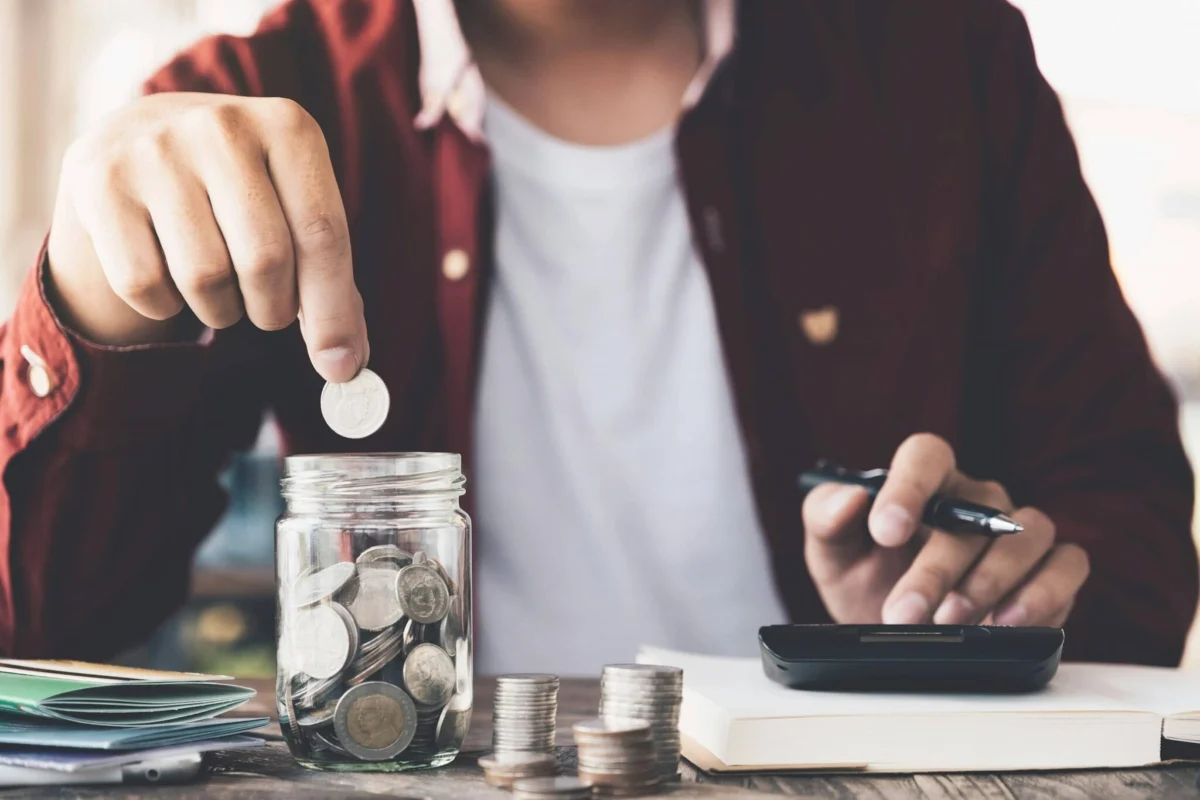
Time is increasingly viewed as the ultimate currency. Unlike financial capital, time is a finite resource that cannot be earned back once expended. The luxury of time refers specifically to "discretionary time"—the hours remaining after work, sleep, and essential chores. A study by the Harvard Business School found that people who spend money to "buy time" (such as by outsourcing unenjoyable tasks) report higher levels of life satisfaction than those who spend money on material goods.
2. Health as a Foundational Asset
While the wellness industry has attempted to commercialize health through expensive supplements and boutique fitness memberships, the fundamental luxury of health remains a byproduct of consistent habits and biological luck. Data from the World Health Organization (WHO) emphasizes that non-communicable diseases—often linked to lifestyle factors—are the leading cause of death globally. In this context, maintaining physical vitality is viewed as a form of long-term wealth that preserves the ability to enjoy all other life aspects.
3. The Quiet Mind in the Attention Economy
In an era defined by the "attention economy," where platforms compete for every second of human cognitive focus, mental stillness has become a rare commodity. The psychological impact of constant notification cycles has led to a surge in interest in mindfulness and cognitive hygiene. Experts suggest that a "quiet mind" is a state of psychological resilience that allows individuals to process information without becoming overwhelmed by external noise.
4. Slow Mornings and the Rejection of Urgency
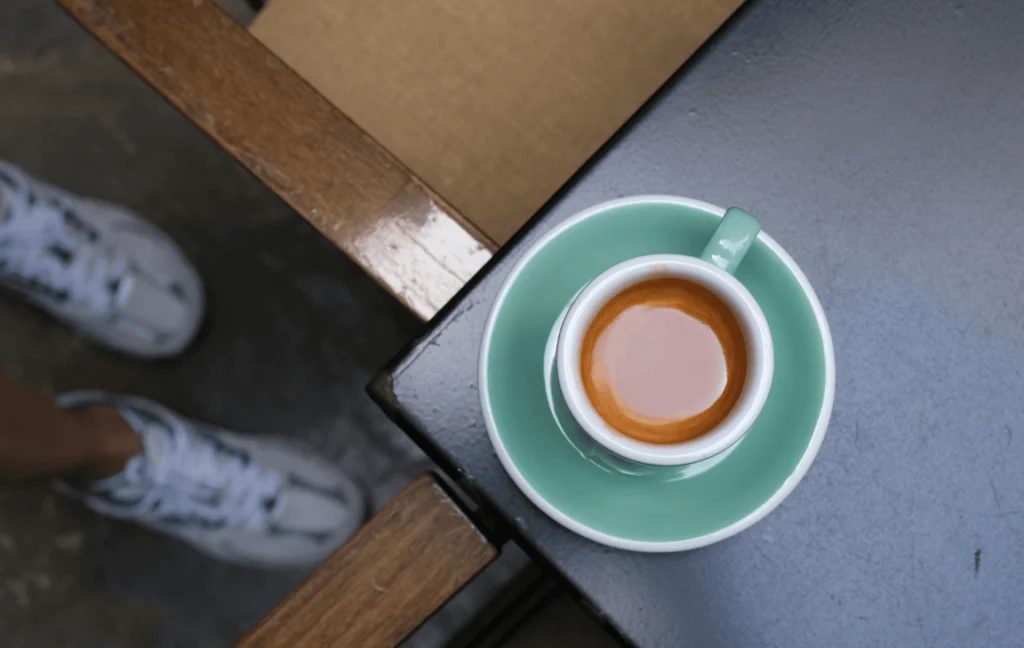
The concept of "slow mornings" represents a direct challenge to the "hustle culture" that dominated the early 2000s. By prioritizing a gradual start to the day, individuals assert control over their nervous systems before engaging with the demands of the global marketplace. This practice is increasingly cited by mental health professionals as a preventative measure against burnout.

5. Meaningful Work and the Purpose Economy
The "Great Resignation" and the "Quiet Quitting" trends observed between 2021 and 2024 highlighted a massive shift in worker priorities. Employees are increasingly seeking "meaningful work"—labor that aligns with their personal values and provides a sense of contribution to the greater good. Economists note that while high salaries remain important, the "luxury" of purpose is becoming a decisive factor in talent retention.
6. Relational Wealth: A House Full of Love
The final pillar, a home environment characterized by love and stability, addresses the "loneliness epidemic" identified by the U.S. Surgeon General. Relational wealth—the quality of one’s closest bonds—is perhaps the most significant predictor of long-term health and happiness. The Harvard Study of Adult Development, one of the longest-running studies on human life, concluded that strong relationships, rather than money or fame, are the primary factors that keep people happy throughout their lives.
Chronology of the Minimalist Shift
The movement toward intangible luxury did not emerge in a vacuum. Its trajectory can be traced through several key economic and cultural milestones over the last two decades:
- 2008 Financial Crisis: The global economic downturn prompted a significant portion of the population to question the stability of material wealth, leading to the rise of "minimalism" as a lifestyle choice.
- 2010–2015: The Rise of the Experience Economy: Consumer spending began shifting from "things" to "experiences" (travel, dining, concerts), marking the first stage of the transition away from physical goods.
- 2020–2022: The COVID-19 Pandemic: Global lockdowns forced a widespread re-evaluation of home life, health, and work-life balance. The "forced slowdown" served as a proof-of-concept for the benefits of a less frantic lifestyle.
- 2023–Present: The Intangible Luxury Era: Following the pandemic, the focus has shifted further inward, emphasizing internal states (peace, meaning) over external experiences.
Supporting Data: The Cost of Counterfeit Luxuries
The pursuit of "counterfeit" luxuries—those purchased to project an image of success—often comes at the expense of the six intangible luxuries. A 2022 study on consumer debt found that a significant percentage of middle-class households utilize credit to purchase luxury goods, effectively trading their "time" (in the form of future labor required to pay off debt) for material items.
Furthermore, the "Global Wellness Institute" reports that the wellness market reached a value of $5.6 trillion in 2023. However, researchers point out a discrepancy: while consumers are spending more on "wellness products," global stress and anxiety levels remain at record highs. This suggests that the "purchasable" version of luxury is failing to deliver the promised psychological benefits of the "true" luxuries listed above.
Official Responses and Expert Analysis
Sociologists argue that the viral nature of the "6 luxuries" list is a form of cultural pushback. Dr. Elena Rossi, a cultural anthropologist, notes: "The list functions as a manifesto for the modern era. It identifies the areas where the market has failed to provide satisfaction. You can buy a mattress, but you cannot buy a ‘slow morning.’ You can buy a house, but you cannot buy the ‘love’ that fills it. This realization is a profound threat to traditional consumer-driven economic models."
Industry analysts also suggest that brands are scrambling to adapt. "We are seeing a shift in advertising," says marketing consultant Marcus Thorne. "Companies no longer just sell a watch; they sell the ‘time’ the watch represents. They don’t sell a car; they sell the ‘freedom’ of the open road. However, consumers are becoming increasingly savvy at identifying when a brand is selling a counterfeit version of an intangible luxury."
Broader Impact and Implications
The shift toward intangible luxury has significant implications for urban planning, corporate policy, and public health. If "time" and "slow mornings" are the new luxury, there will be increased pressure for shorter commutes, flexible work arrangements, and the "right to disconnect" laws, which have already begun appearing in European legislation.
In the realm of mental health, this movement encourages a proactive rather than reactive approach. Instead of treating burnout after it occurs, the pursuit of a "quiet mind" and "meaningful work" serves as a preventative strategy.
Ultimately, the redefining of luxury suggests a maturing of the global consumer. The realization that the greatest luxuries cannot be bought at a store places the power back into the hands of the individual. While material goods are subject to inflation, depreciation, and theft, the six pillars of intangible wealth—built through intentional decisions and consistent habits—offer a form of prosperity that is resilient to market fluctuations. The challenge for the modern individual lies in the discipline required to pursue these "difficult" luxuries in a world designed to sell "easy" substitutes.