rifanmuazin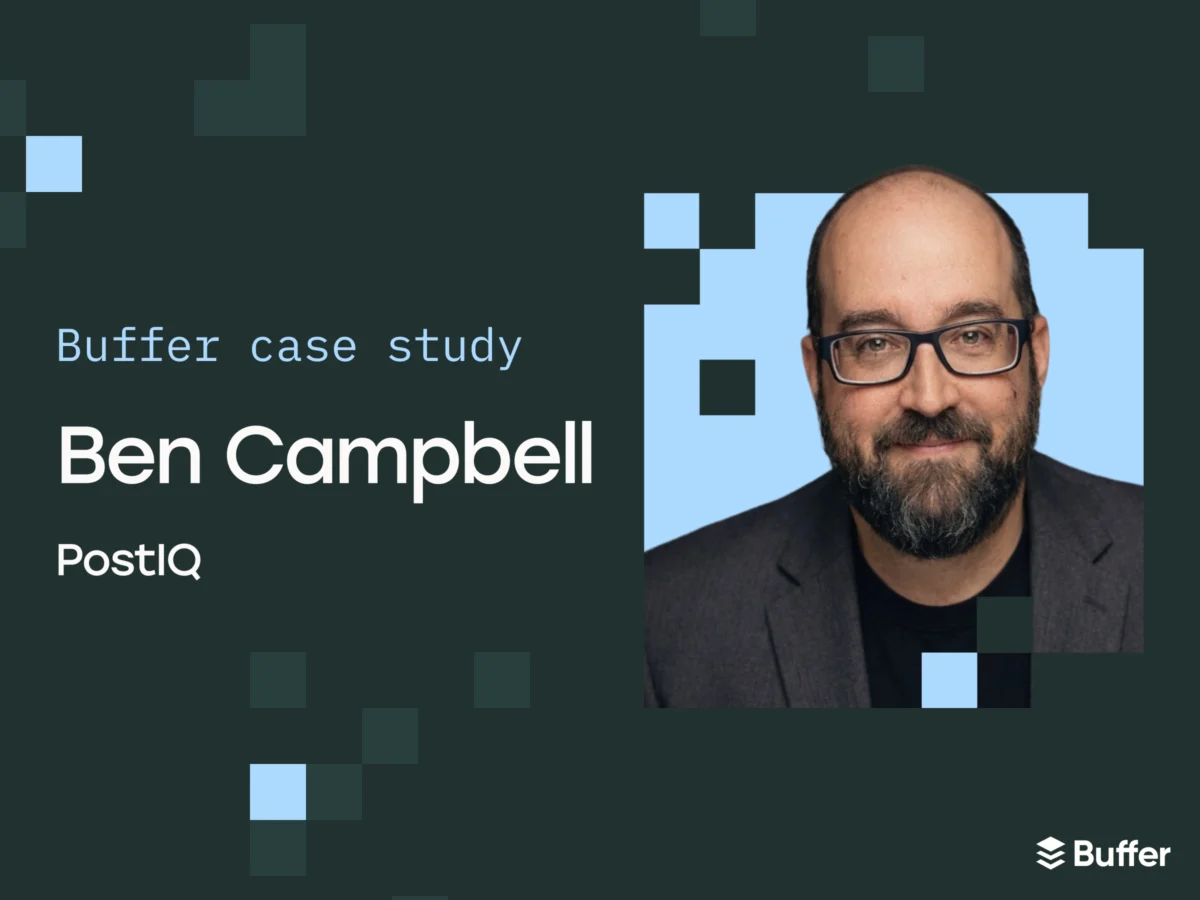
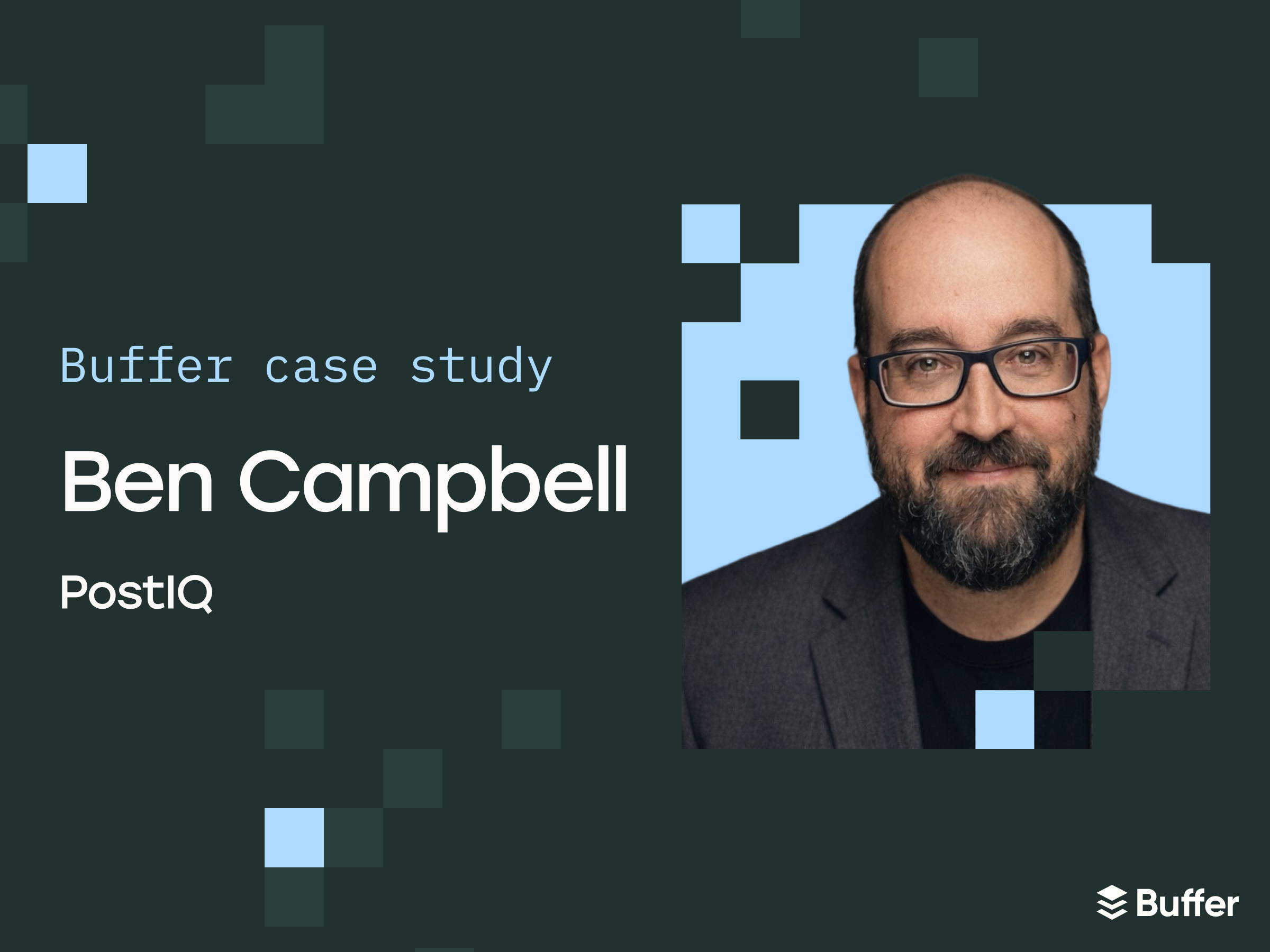
Ben Campbell, a seasoned marketer with an unconventional background in coding, has emerged as a significant figure in the social media technology landscape, leveraging the Buffer API to develop two highly specialized applications: PostIQ and Receipts. These tools are designed to streamline complex social media workflows, addressing critical pain points in content creation, scheduling, and approval processes for marketers and creators alike. Campbell’s journey underscores a growing trend where domain experts, empowered by accessible APIs and AI tools, are building targeted solutions that integrate seamlessly with established platforms, fostering a robust and efficient digital ecosystem.
The Genesis of Innovation: Addressing Workflow Gaps
Campbell’s foray into app development stems from his extensive experience as a marketer, spanning over eight years as a dedicated Buffer user in both personal and professional capacities. His initial motivation was deeply personal: to consolidate and optimize his own pre-publication social media tasks, which often involved disparate tools and manual efforts. This practical need led to the conceptualization and development of PostIQ, a suite of tools specifically engineered for the preparatory stages of social media posting.
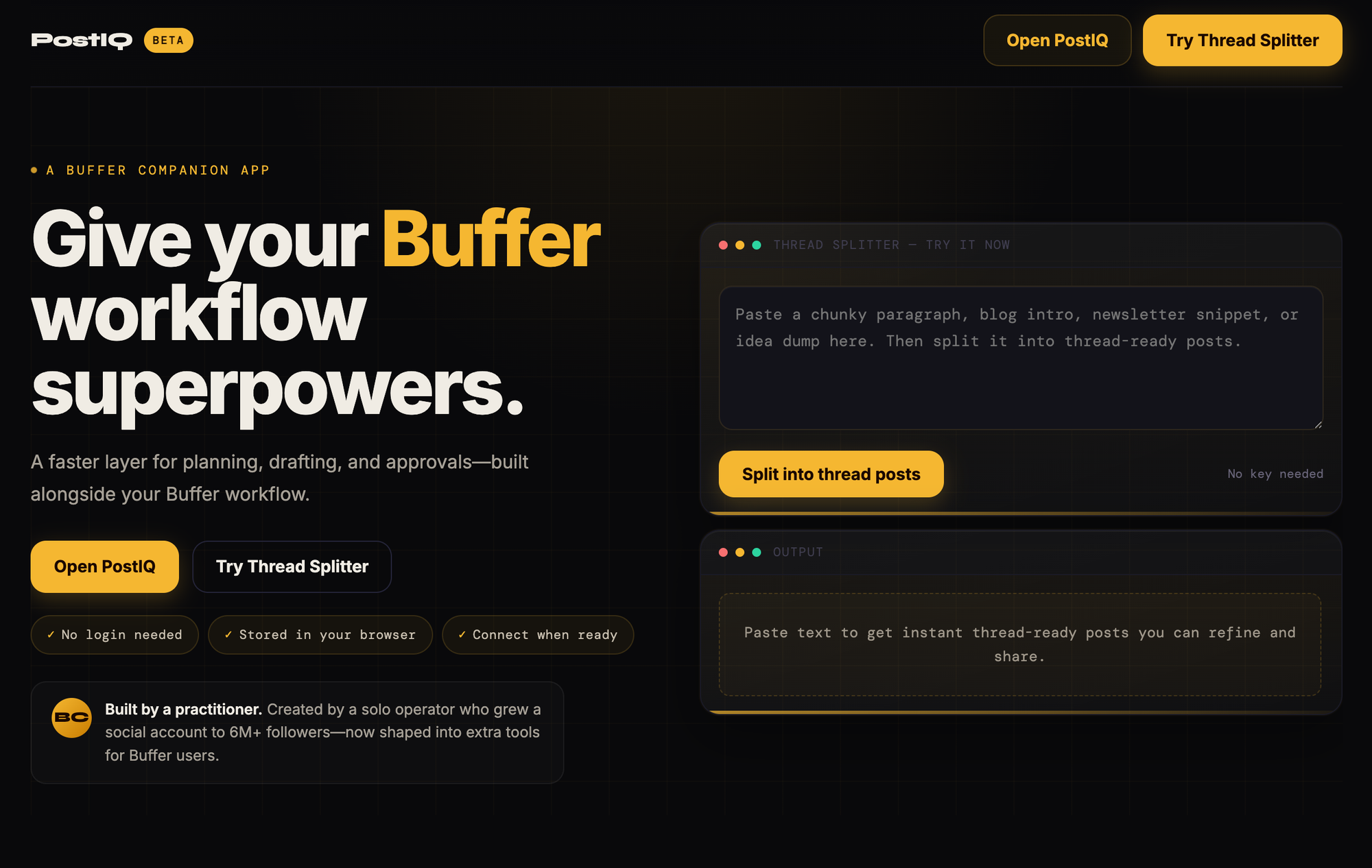
PostIQ, as initially conceived, tackled the messy, often overlooked work that precedes hitting the "publish" button. This includes meticulous drafting, the complex task of splitting content into platform-specific threads, strategic planning, and the organized storage of reusable hooks and calls-to-action (CTAs). Before its public integration, PostIQ was Campbell’s personal arsenal, a testament to the idea that the most effective solutions often arise from solving one’s own problems.
Campbell describes himself as an "advanced vibe-coder," a moniker that hints at his unique approach. Despite not being a professional software engineer, two years at a coding school equipped him with a foundational understanding of file structures and API calls. This knowledge, coupled with a strategic embrace of AI tools for rapid prototyping and execution, allowed him to move with agility. His focus remained on the strategic vision, workflow design, rigorous testing, and overall product direction, while AI assisted in accelerating the technical implementation. This hybrid skillset exemplifies the evolving profile of innovators in the digital age, where deep domain expertise combined with technical literacy can yield powerful results.
The Pivotal Role of Buffer’s Open API
The trajectory of PostIQ, and subsequently Receipts, underwent a transformative shift with Buffer’s decision to open its API. This strategic move by Buffer was a game-changer, transitioning PostIQ from a private toolkit into a public-facing application capable of direct integration. Campbell vividly recalls his enthusiasm upon hearing a Buffer teammate discuss the vision for an "ecosystem of apps powered by Buffer." He immediately recognized the potential, stating, "I want to be one of the first that has OAuth integrated and can say ‘powered by Buffer.’"
The availability of Buffer’s API beta proved crucial, offering access to core functionalities such as creating and scheduling posts, including multi-part threads. This integration eliminated the cumbersome copy-paste steps that plague many social media managers, allowing PostIQ users to connect their Buffer accounts directly. With PostIQ handling the intricate pre-publish preparations, Buffer seamlessly continues its role as the robust publishing engine, creating a synergistic workflow that maximizes efficiency. The integration boasts impressive speed, with scheduled posts appearing in Buffer almost instantaneously, a feature Campbell proudly demonstrated by observing both applications side-by-side. "I’ll schedule something and Buffer will say ‘you scheduled this one second ago’ — which is awesome," he noted, highlighting the seamless user experience.
PostIQ: A Deep Dive into Feature-Rich Pre-Publication
PostIQ’s development has been an iterative process, with each feature designed to automate or improve a task Campbell previously performed manually or managed across disparate files. The application’s core offerings include:
- Thread Splitter: Recognizing the distinct formatting requirements of platforms like LinkedIn, Threads, and X (formerly Twitter), the Thread Splitter allows users to compose a single piece of content and then intelligently reformat it for multiple platforms. This feature boasts a remarkable 95% accuracy rate in adapting content, significantly reducing the time and effort spent on cross-platform adaptation.
- Content Calendar: Inspired by a frequently requested feature on Buffer’s public roadmap, Campbell proactively built his own Content Calendar. This tool provides a visual overview of scheduled posts, enables the tagging of reminders, and allows users to convert those reminders directly into drafts, ensuring no content opportunity is missed.
- Snippets: Addressing the repetitive nature of social media content, Snippets serves as a centralized library for reusable hooks, calls-to-action, and frequently used phrases. What was once a simple text file for Campbell is now an integrated part of the workflow, making it effortless to inject proven messaging into new posts.
- Trending: To combat writer’s block and provide timely inspiration, PostIQ’s Trending feature pulls relevant content ideas from popular platforms like Reddit and Hacker News. This functionality helps users tap into current discussions and topics, ensuring their content remains fresh and engaging.
These features collectively address the increasing complexity of social media management, a field that has seen explosive growth. According to Statista, the global social media marketing market size was valued at approximately $173 billion in 2023 and is projected to reach $693 billion by 2030, highlighting the immense demand for tools that enhance efficiency and effectiveness. PostIQ directly contributes to this need by streamlining the "messier bits" of content creation.
Receipts: Streamlining the Approval Workflow
The innovation didn’t stop with PostIQ. A crucial feature within PostIQ, "Approvals," quickly revealed its potential as a standalone product. Campbell observed that content approval workflows, particularly for creators working with brands or small agencies managing client feedback, were often chaotic. They typically involved endless email threads, scattered DMs, and a lack of clear documentation, creating significant friction and risk.
This insight led to the development of Receipts, a dedicated product designed to professionalize and simplify content approval processes. Receipts introduces a "no-login" workflow for brand deal sign-offs and client approvals. Users send a secure link to stakeholders, who can then review the content, provide comments, and request changes without needing to create an account. Once approved, the system automatically generates a timestamped digital receipt, providing an irrefutable paper trail. This eliminates ambiguity and protects both content creators and brands from disputes over content approval, a common headache in the creator economy. The global creator economy market size was estimated at $250 billion in 2023 and is expected to grow to $480 billion by 2027, underscoring the critical need for professional tools like Receipts.
Campbell strategically positions the two products within the broader content lifecycle. PostIQ caters to existing Buffer users seeking to enhance their drafting and scheduling capabilities, integrating seamlessly into their established publishing routines. Receipts, on the other hand, addresses an earlier stage in the workflow, targeting creators and small teams who require robust content approval mechanisms before content ever reaches a publishing platform. While distinct in their primary focus, both applications ultimately converge on the same endpoint: ensuring content, once ready and approved, is efficiently delivered to Buffer for publication. "PostIQ feels very centered on helping existing Buffer users," Ben explains, "Receipts has the potential to appeal a bit earlier in the workflow."
Industry Implications and the Future of Platform Ecosystems
Campbell’s success story is a powerful illustration of the transformative potential of open APIs and the burgeoning ecosystem strategy adopted by leading SaaS platforms. Buffer’s decision to open its API aligns with a broader industry trend where companies recognize that fostering a vibrant third-party developer community can significantly extend their platform’s utility and market reach. By enabling developers like Campbell to build specialized tools, Buffer enhances its value proposition, attracting more users and retaining existing ones by offering tailored solutions that the core product might not provide.
This model benefits both the platform and the innovators. For Buffer, it means a richer feature set without direct development costs, increased stickiness, and a stronger competitive edge. For developers like Campbell, it provides a stable foundation, access to a large user base, and the ability to focus on niche problems without having to build an entire social media management platform from scratch.
The rise of AI tools, which Campbell utilized to accelerate his development, further democratizes innovation. It empowers individuals with strong domain knowledge but limited traditional coding experience to bring complex ideas to fruition. This "citizen developer" trend is reshaping how software is built and integrated, moving towards more modular, interconnected solutions.
As of early 2024, PostIQ is live and freely available, already attracting early adopters from the Buffer community. Receipts is currently in a demo and waitlist phase, with Campbell refining its publishing workflow to ensure seamless integration with Buffer post-approval. Campbell’s vision is clear: he is not attempting to replicate Buffer but to build complementary tools that enhance specific workflows. "Using the API didn’t make me want to recreate Buffer," he wrote. "It made me want to build tools that complement it for specific workflows. I think there’s a lot of room for a healthy ecosystem of companion products."
This perspective points to a future where social media management is not a monolithic application but a highly customized stack of interconnected tools, each excelling at a particular stage of the content lifecycle. For marketers and creators grappling with the ever-increasing demands of digital content, innovators like Ben Campbell are paving the way for more efficient, integrated, and professional workflows, demonstrating the profound impact of strategic API utilization and user-centric problem-solving. Buffer’s API is now widely available, inviting other developers to explore and contribute to this evolving ecosystem, potentially catalyzing a new wave of specialized tools for the digital marketing landscape.