 Indra Kusuma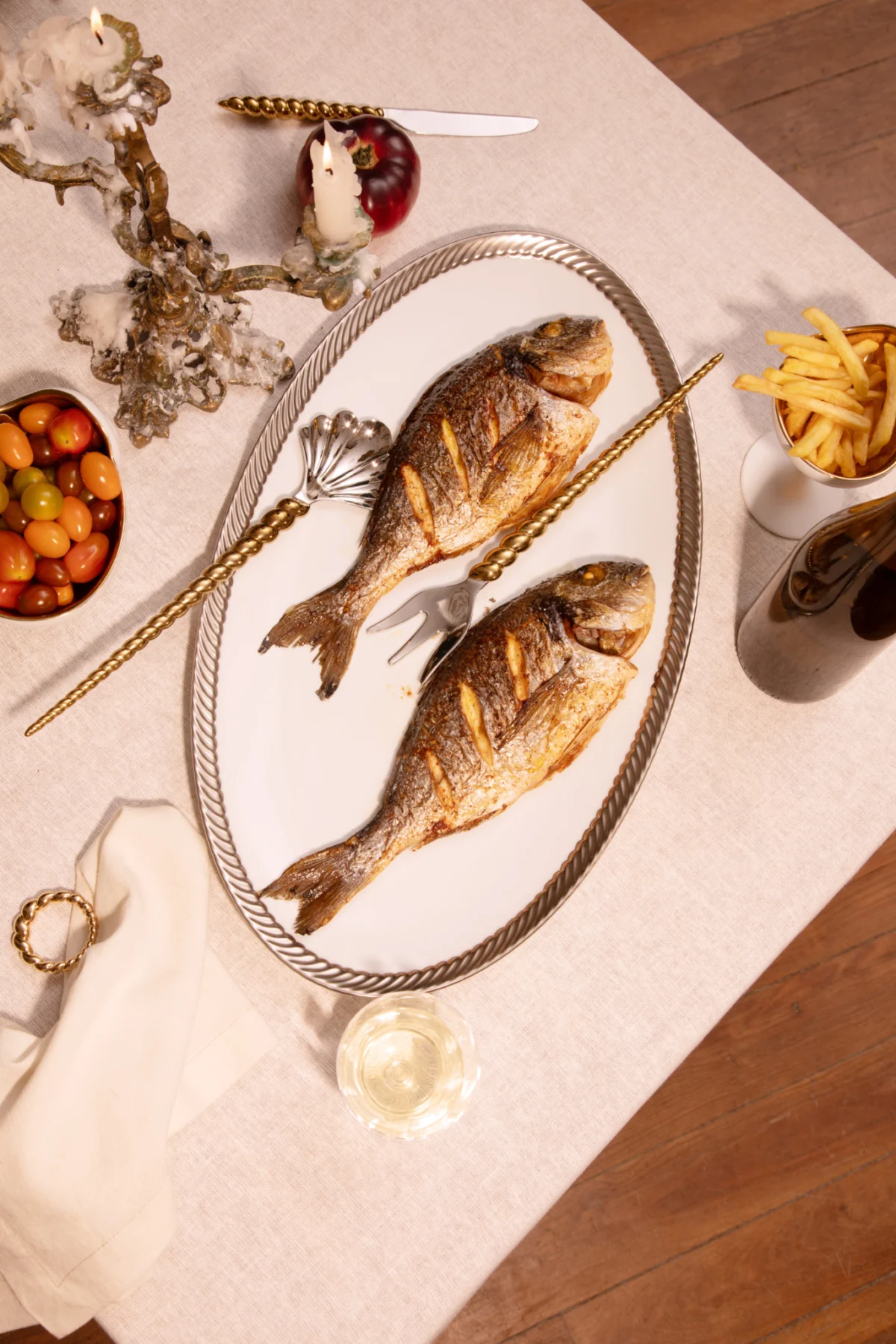
The intersection of high-end jewelry design and luxury homeware has reached a new zenith with the official launch of the L’OBJET x Jessica McCormack collection. This debut collaboration marks a significant departure from traditional decorative arts, instead positioning marine-inspired motifs—shells, spirals, and braided ropes—as structural components rather than mere surface embellishments. By marrying the delicate, intimate scale of fine jewelry with the functional demands of the dining table and home decor, the partnership challenges the boundaries of craftsmanship in the luxury sector.
The Genesis of a Design Synergy
The collaboration between L’OBJET, a brand synonymous with opulent tabletop design, and London-based jeweler Jessica McCormack was not an overnight endeavor. Both entities have long held the ocean as a primary source of creative inspiration, yet their approaches have historically differed in both medium and application. L’OBJET, led by founder and creative director Elad Yifrach, has built its reputation on grand, architectural pieces that often draw from natural forms. Conversely, McCormack gained international acclaim for her 2023 "Beaches" collection, which treated maritime treasures with the exacting standards of traditional goldsmithing.

The partnership began with a conceptual dialogue rather than a series of sketches. According to project briefings, the two designers sought to solve a common dilemma in interior design: the tendency for nautical motifs to lean toward kitsch or souvenir-style aesthetics. By reframing these elements as fundamental building blocks, they successfully elevated the collection, ensuring that marine imagery functioned as a structural sensibility rather than a thematic crutch.
Chronology of the Collection’s Development
The trajectory of this project reflects a rigorous research-and-development phase that spanned several months of iterative design:
- Initial Conceptualization (Late 2025): The foundational idea was established, focusing on the "intimacy of jewelry" and how such a feeling could be transposed onto larger, functional objects for the home.
- Prototyping Phase (Early 2026): Designers experimented with the corde (rope) motif, a staple of fine jewelry chains, to determine its structural integrity when scaled up for items such as ice buckets and serving platters.
- Material Selection and Refinement (Mid 2026): The decision was made to utilize fine bisque porcelain accented with hand-painted 24K gold, bridging the gap between traditional tableware and fine jewelry manufacturing.
- Public Unveiling (September 2026): The collection was officially presented, marking L’OBJET’s first foray into the luxury cutlery market.
Architectural Detail as Functional Form
One of the most notable aspects of the collection is the intentional rejection of "applied" decoration. In conventional luxury goods, a shell motif might be embossed onto a plain surface. In the L’OBJET x Jessica McCormack collection, the shell is the vessel. This distinction is critical; it represents a philosophy that an object must earn its functional utility through its structural design.
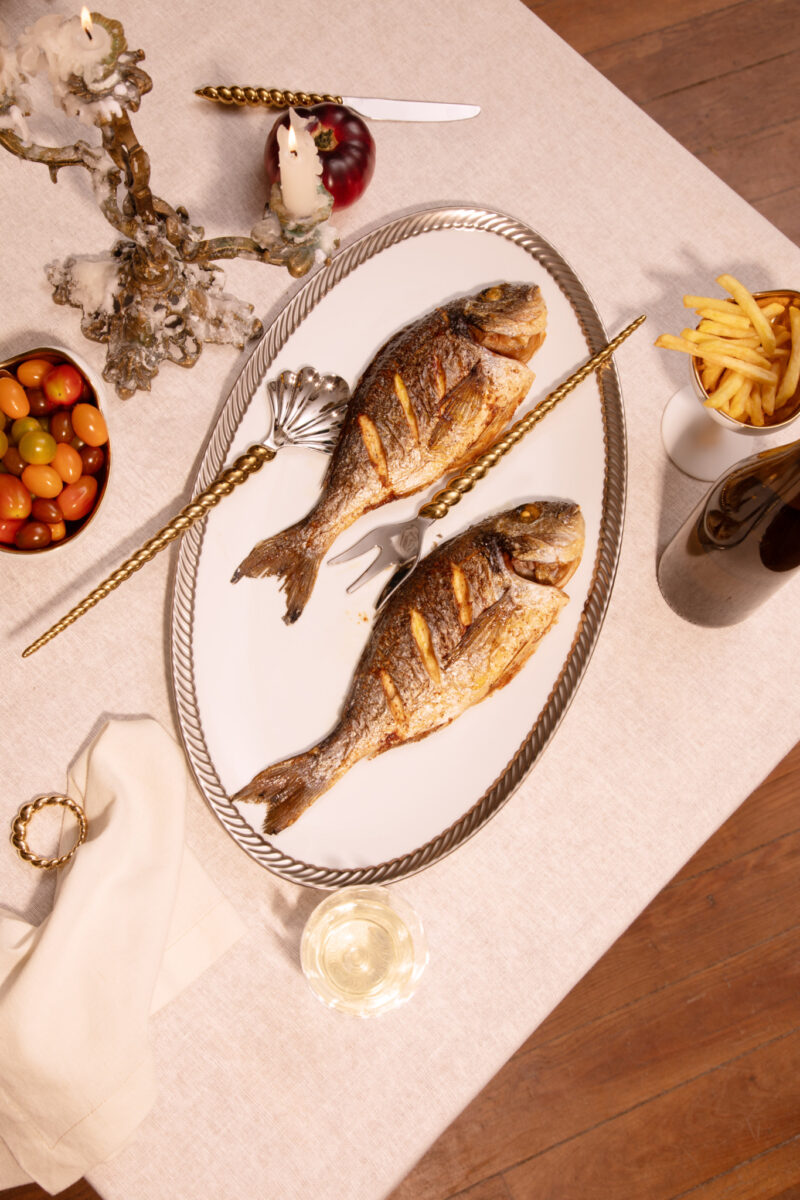
For instance, the mirrors in the collection utilize the natural geometry of a spiral to create a structural stand, while the caviar dishes and champagne buckets integrate rope-like details that serve both an ergonomic purpose and a visual one. This approach echoes the meticulous standards of jewelry making, where every clasp and chain link must serve a function while maintaining aesthetic harmony.
The Evolution of L’OBJET: Entering the Cutlery Category
Perhaps the most significant business development stemming from this collaboration is L’OBJET’s expansion into the high-end cutlery market. For Yifrach, the transition was natural, provided the standard of "wearability" was applied to the table.
"Flatware is essentially wearable-scale object design," Yifrach stated during the launch. "It has to sit beautifully in the hand, catch the light the way a ring does, and hold detail at a very small size."

The cutlery pieces feature a complex synthesis of the collection’s primary motifs. A single handle may transition from a rope texture into a shell-like form, finally terminating in a spiral. This level of detail requires high-precision casting and finishing techniques that are seldom seen in mass-produced home goods, positioning the collection firmly within the ultra-luxury segment.
Industry Implications and Market Positioning
The collaboration serves as a case study in the increasing convergence of luxury categories. As consumers seek deeper narrative and craftsmanship in their home purchases, the "jewelry-for-the-home" sector has seen a marked increase in interest. Data from the luxury home goods market suggests a growing preference for "investment pieces" that carry the same artisan pedigree as personal accessories.
By treating a platter or an ice bucket with the same reverence as a diamond-set necklace, L’OBJET and McCormack are tapping into a desire for "essential intimacy." The pieces are designed to be touched, handled, and used, rather than simply displayed behind glass. This reflects a broader trend in luxury retail: the democratization of high-craftsmanship, where the focus is shifted from the brand name to the tactile experience of the object.

Expert Analysis: The Architecture of Intimacy
Industry analysts have noted that the success of this collaboration lies in its restraint. By focusing on the "feeling" of jewelry—its weight, its precision, and its interaction with light—the designers have avoided the traps of thematic clutter.
"The challenge with such specific motifs is avoiding the ‘coastal decor’ trope," noted one design consultant familiar with the collection. "By abstracting the shell and the rope into structural elements, they have created something that is timeless. It functions as a piece of art that happens to hold fruit or wine, rather than a piece of housewares that happens to look like a shell."
Furthermore, the integration of 24K gold and fine bisque porcelain speaks to a demographic that values longevity and heirloom quality. As the luxury market continues to face pressure to demonstrate sustainability and value, the move toward items that possess "emotional utility"—objects that improve the daily experience of the home—is a strategic pivot that resonates with current consumer behaviors.

Looking Ahead: The Future of Collaborative Design
The partnership between L’OBJET and Jessica McCormack is expected to influence upcoming trends in tabletop design, potentially sparking a shift toward more sculptural, jewelry-inspired hardware in kitchen and dining environments. As the boundaries between jewelry design and industrial design continue to blur, collaborations of this nature are likely to become more frequent.
However, the bar has been set high by the precision of this specific collection. The ability to translate the miniature scale of jewelry into the functional, larger scale of home goods requires a specific set of manufacturing capabilities that few brands possess. As such, the L’OBJET x Jessica McCormack collection stands not just as a seasonal release, but as a benchmark for how luxury brands can successfully cross-pollinate their design languages to create something entirely new.
The collection is currently available through both L’OBJET and Jessica McCormack retail channels, catering to an audience that values the intersection of utility and fine art. By maintaining a focus on the structural integrity of every piece, the collaboration proves that when design is treated with the seriousness of a jeweler, the resulting objects are more than just home accessories—they are, in the words of its creators, personal and essential.