Pranda Michaela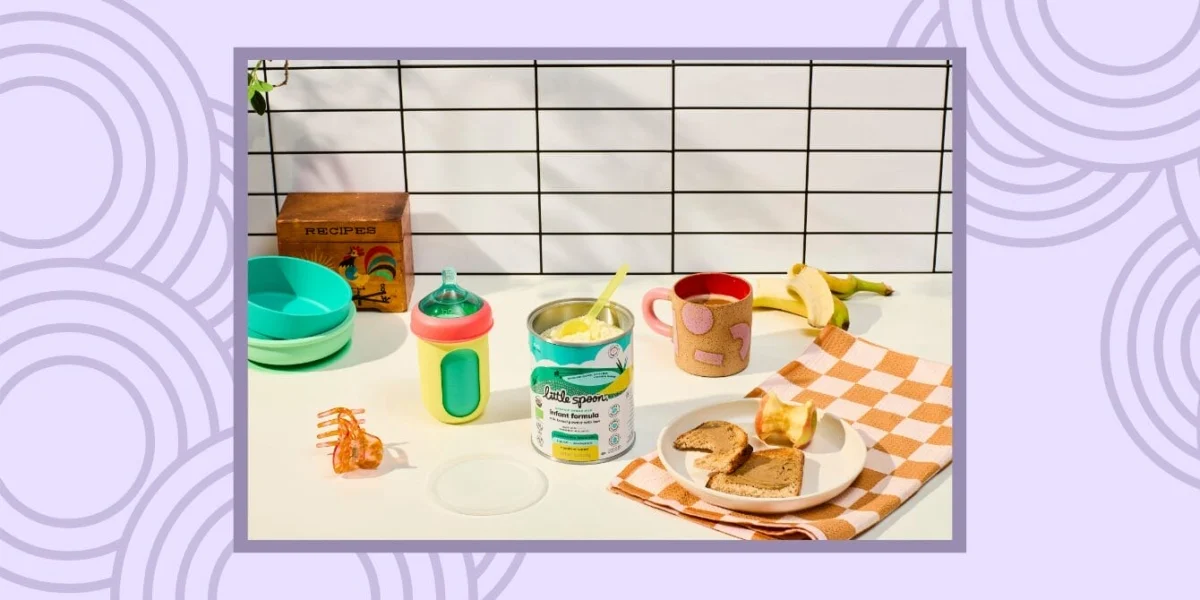
The landscape of infant nutrition has seen a significant development with the introduction of Little Spoon’s Organic Whole Milk Formula, a product that aims to redefine standards of safety and transparency in the formula market. Building on its established reputation for rigorous ingredient scrutiny in baby and toddler foods, Little Spoon is extending its commitment to parental peace of mind into the critical category of infant formula. This move arrives at a time when parents are increasingly vocal about their desire for clear, verifiable information regarding the safety and composition of the foods their children consume.
Little Spoon has long been recognized for its stringent quality control measures, notably its testing protocols that encompass over 500 toxins and contaminants, a benchmark inspired by European Union standards. This meticulous approach, which goes beyond current FDA requirements for many categories of baby food, is now being applied to their new infant formula. The decision to enter the formula market is particularly noteworthy given the persistent challenges and parental concerns that have surfaced in recent years, including supply shortages and questions surrounding ingredient sourcing and safety.
A New Standard for Infant Formula Safety
At the core of Little Spoon’s new formula offering is an unwavering commitment to ingredient purity and exhaustive testing. The company asserts that it is the first and only baby and toddler food brand in the United States to establish and adhere to strict limits for over 500 toxins and contaminants across its product lines, a framework now meticulously applied to their infant formula. This is a critical distinction, as the U.S. Food and Drug Administration (FDA) does not currently mandate specific contaminant limits for infant formula in the same comprehensive manner as some international regulatory bodies.
Little Spoon’s rigorous testing regimen involves analyzing every batch of formula for more than 500 potential contaminants. This includes a broad spectrum of heavy metals such as lead, arsenic, cadmium, and mercury, as well as 548 different pesticide residues. Any batch that fails to meet these stringent internal standards is automatically rejected, ensuring that only the safest product reaches consumers.
Furthermore, Little Spoon is setting a new precedent for transparency by being the first U.S. formula brand to publicly disclose its exact heavy metal testing limits and results directly on its website. This goes beyond simple pass/fail indicators, offering parents concrete data. For lead, Little Spoon has established a limit of 10 parts per billion (PPB), which is notably stricter than the EU’s threshold of 20 PPB. In the absence of an established standard for mercury, Little Spoon has proactively set its own limit at 3 PPB, demonstrating a commitment to safety that anticipates potential concerns and sets internal benchmarks even when regulatory guidance is less defined.
Beyond heavy metals, the company’s quality control extends to microbial safety. Every batch undergoes testing for Sulfite-Reducing Clostridia, an indicator of spore-forming bacteria. Little Spoon’s self-imposed limit for this contaminant is 10 spores per gram, a tenfold reduction compared to international guidance, which typically allows up to 100 spores per gram. In total, each batch of Little Spoon’s formula is subjected to over 2,000 documented quality and safety checks, underscoring a comprehensive approach to product integrity.
Ingredient Sourcing and Nutritional Profile
The foundation of Little Spoon’s Organic Whole Milk Formula is organic whole milk sourced from grass-fed cows in New Zealand. This region is highlighted for its regulatory environment where the use of growth hormones is banned, a key differentiator for parents concerned about such additives in their baby’s food. The use of whole milk naturally provides a richer profile of fats, allowing the company to minimize the inclusion of added oils.
Nutritionally, the formula is designed to mirror the protein ratio found in breast milk. It also incorporates plant-based DHA, an essential fatty acid crucial for brain and eye development, and prebiotics, which support a healthy gut microbiome. The product proudly meets the rigorous standards required for both USDA and EU organic certification, further assuring parents of its quality and purity.
Addressing Parental Realities and Concerns
The introduction of Little Spoon’s formula is particularly timely, addressing the complex and often emotionally charged realities of infant feeding. The company acknowledges that many parents, despite their best intentions, find themselves relying on formula at various stages. This can stem from breastfeeding challenges, the need for combination feeding to maintain maternal well-being, or the practical demands of returning to work. Little Spoon’s philosophy is that formula feeding should not be accompanied by guilt, confusion, or uncertainty about what is actually in the product.
"Most of us end up using formula at some point, even when we didn’t plan to," stated a representative from Little Spoon. "Maybe breastfeeding didn’t work out the way you hoped. Maybe you’re combo feeding because that’s what keeps you sane. Maybe you’re back at work and pumping isn’t cutting it. Whatever your reality is, formula shouldn’t come with a side of guilt, confusion, or wondering what’s actually in the can."
The brand emphasizes that their formula is developed with the understanding of diverse feeding journeys. It is suitable for a range of scenarios, including:
- Combo Feeding: To provide flexibility and ensure adequate intake.
- Transitioning from Breast to Bottle: For situations where circumstances necessitate a change in feeding method.
- Supplementing: To support infants when primary feeding methods are insufficient.
- Primary Feeding Method: For parents who choose formula as their primary source of nutrition for their baby.
The formula can be used alongside breastfeeding, with instructions to prepare and combine separately. This adaptability underscores Little Spoon’s focus on supporting parents through the multifaceted aspects of infant nutrition.
The Broader Impact on the Formula Market
Little Spoon’s entry into the organic formula market, coupled with its unprecedented commitment to transparency, has the potential to significantly influence industry standards. For years, parents have navigated a market where information about testing protocols, ingredient sourcing, and contaminant levels can be opaque. The formula aisle, often a source of stress and confusion, is precisely where Little Spoon aims to bring clarity and confidence.
The company’s "show me the receipts" approach, which has resonated with parents in their baby food offerings, is now being applied to formula. By publicly sharing detailed testing data, including specific limits and results for heavy metals and microbial contaminants, Little Spoon is setting a new benchmark for accountability. This level of transparency could pressure other manufacturers to adopt similar practices, fostering a more informed consumer base and potentially leading to enhanced safety standards across the industry.
The timing of this launch is also significant. The U.S. has experienced formula shortages in recent years, highlighting vulnerabilities in the supply chain and prompting a national conversation about infant nutrition security. While Little Spoon’s initial focus is on quality and transparency, their commitment to rigorous production standards could contribute to a more robust and reliable market in the long term.
Looking Ahead: A Commitment to Parental Well-being
Little Spoon’s Organic Whole Milk Formula is designed to provide complete nutrition for infants during their first year of life. While not the first organic formula available, it distinguishes itself through a depth of testing and transparency that is arguably unparalleled in the U.S. market. After eight years of building trust with parents through their baby and toddler food products, this expansion into infant formula represents a natural progression of their mission to support families with safe, high-quality nutrition.
For parents standing in the formula aisle, feeling overwhelmed or seeking an option that demystifies the complex world of infant nutrition, Little Spoon’s offering presents a compelling proposition. The brand’s dedication to rigorous testing, transparent reporting, and high-quality ingredients aims to alleviate some of the anxieties associated with formula feeding, empowering parents to make informed choices for their children. The implications of this move extend beyond a single product, potentially fostering a more transparent and safety-conscious future for infant nutrition in the United States.