Michael Sholeh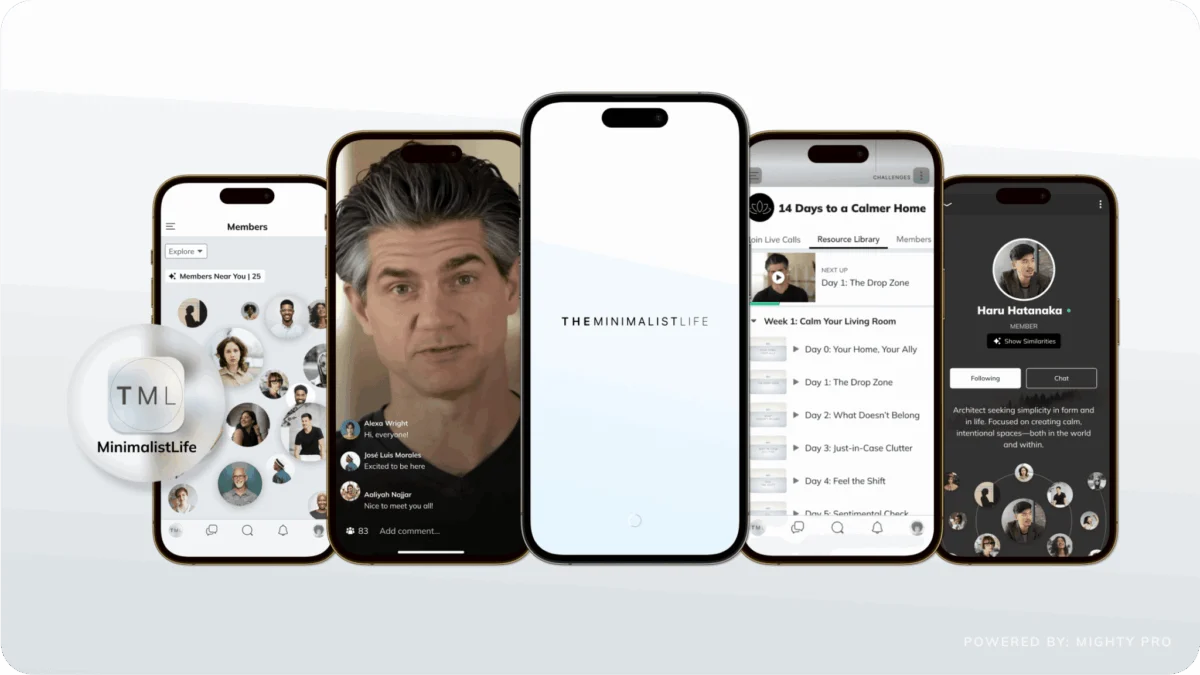
The landscape of intentional living and personal development has reached a significant milestone as Joshua Becker, a pioneer in the modern minimalist movement, officially announced the launch of a new subscription-based community platform. This initiative, titled The Minimalist Life, represents a strategic pivot for the Becoming Minimalist brand, transitioning from a content-delivery model to a community-centric support system designed to foster long-term behavioral change. After 17 years of documenting the benefits of owning less, Becker is addressing what he identifies as the primary hurdle for his audience: the difficulty of maintaining minimalist habits in a consumer-driven society.
The launch comes at a time when the minimalist movement is evolving from a niche lifestyle choice into a broader response to global economic and psychological pressures. Since its inception in 2008, the Becoming Minimalist platform has grown into a significant media entity, producing over 1,700 articles, 400 YouTube videos, and several best-selling books. However, Becker noted that despite the wealth of available information, a consistent feedback loop from his audience suggested a gap between educational consumption and sustained lifestyle application. The new community aims to bridge this gap through structured, month-by-month engagement focused on various aspects of life, including finances, schedules, and digital habits.
A Seventeen-Year Chronology of the Minimalist Movement
To understand the significance of this launch, it is necessary to examine the trajectory of Joshua Becker’s work and the broader minimalist trend. Becker’s journey began in May 2008 in suburban Vermont, following a realization that his possessions were consuming the time and energy he wished to spend with his family. At that time, minimalism was largely associated with aesthetic austerity or extreme nomadism. Becker’s "Becoming Minimalist" blog helped redefine the concept for the modern middle-class family, emphasizing "rational minimalism" rather than deprivation.
By 2015, the movement gained mainstream momentum with the rise of various influencers and the success of Becker’s "Uncluttered" course, which has since seen enrollment from over 90,000 individuals globally. This period marked a shift in public consciousness, as people began to link physical clutter with mental health issues, such as anxiety and decision fatigue. The subsequent decade saw the release of Becker’s influential books, including The More of Less and The Minimalist Home, which provided the philosophical and practical framework for a generation of followers. The 2025 launch of The Minimalist Life community marks the next phase in this chronology, moving away from static instruction toward dynamic, interpersonal support.
The Problem of Clutter Relapse and the Need for Community
The primary driver behind the creation of The Minimalist Life is the phenomenon often described as "clutter relapse." Data from the professional organizing industry suggests that while many people successfully complete a one-time decluttering project, a significant percentage return to previous levels of accumulation within 12 to 24 months. This is often attributed to the lack of a support system and the continuous pressure of targeted advertising and societal expectations.
Becker’s analysis of his readership revealed a recurring sentiment: "I start strong, but I struggle to keep minimalism going over time." This observation aligns with psychological research on habit formation, which indicates that environment and social accountability are more critical to long-term success than willpower alone. By creating a private community, Becker is attempting to provide the social infrastructure necessary for individuals to resist consumerist trends. This move reflects a broader trend in the digital economy where creators are moving away from ad-supported free content toward "walled garden" communities that offer high-touch interaction and curated experiences.
Structural Components of The Minimalist Life
The newly launched platform is structured as an ongoing personal development program rather than a traditional online course. While specific curriculum details are tailored to the community’s needs, the framework focuses on several key pillars of intentionality:

- Holistic Application: Moving beyond physical possessions to address minimalism in finances, time management, digital consumption, and interpersonal relationships.
- Monthly Focus Areas: The community operates on a rhythmic schedule, tackling one area of life per month to prevent overwhelm.
- Human Interaction: In a digital environment increasingly saturated with AI-generated content, Becker emphasizes that this platform focuses on authentic human connection, featuring direct interaction with him and other community members.
- Founding Member Incentives: To encourage early adoption, the platform is offering a "founding member" rate of $18 per month or $180 per year, available until June 30th.
This tiered approach is designed to cater to both newcomers who have just begun their minimalist journey and long-term followers who have already decluttered their homes but seek to apply the principles to more complex areas like career and digital hygiene.
Supporting Data: The Cost of Excessive Consumption
The expansion of Becker’s offerings into areas like finance and digital habits is supported by alarming data regarding modern consumer behavior. According to recent economic reports, the average American household contains over 300,000 items, and one out of every ten Americans rents an off-site storage unit. Furthermore, consumer debt in many developed nations has reached record highs, often driven by the purchase of non-essential goods.
From a psychological perspective, studies from institutions such as UCLA have shown a direct correlation between high cortisol (stress hormone) levels and the density of household objects. The digital landscape presents similar challenges; the average adult now spends over seven hours a day looking at screens, much of which is dedicated to social media platforms designed to trigger "fear of missing out" (FOMO) and impulsive purchasing. By addressing these systemic issues within a community setting, Becker’s platform seeks to provide a counter-narrative to the prevailing "more is better" cultural paradigm.
Market Analysis and Industry Implications
The launch of The Minimalist Life reflects a significant shift in the creator economy. For years, creators relied on volume—more blog posts, more videos, more followers. However, the market is currently experiencing "content fatigue." Users are increasingly willing to pay for "less but better"—curated environments that offer high-quality information without the distractions of the open web.
Industry analysts suggest that the "subscription community" model is particularly effective for lifestyle brands because it creates a recurring revenue stream while fostering brand loyalty. For Joshua Becker, this transition allows for a more sustainable business model that is less dependent on the whims of search engine algorithms or social media platform changes. It also positions the Becoming Minimalist brand as a leader in the "slow living" sector, which is projected to grow as more individuals seek ways to combat burnout and the complexities of modern life.
Broader Impact and Future Outlook
The implications of Becker’s new venture extend beyond individual home organization. If successful, the community-based approach could serve as a blueprint for other lifestyle movements seeking to move from awareness to action. By focusing on "intentional choices" rather than just "owning less," the movement is rebranding itself as a comprehensive philosophy of life management.
As the June 30th deadline for founding membership approaches, the response from the Becoming Minimalist audience will be a key indicator of the demand for high-depth, low-noise digital spaces. The transition from a "teacher-student" dynamic to a "community-of-practice" model suggests that the next decade of minimalism will be defined not by how many things people get rid of, but by how effectively they can maintain a focused, intentional life in an increasingly distracted world.
The Minimalist Life represents the culmination of nearly two decades of advocacy. It acknowledges that while the principles of minimalism are simple, the practice is difficult. In providing a space for "lasting, legitimate personal development," Joshua Becker is betting that the future of the movement lies in the power of the collective rather than the efforts of the individual. As society continues to grapple with the effects of overconsumption and digital overload, such communities may become essential sanctuaries for those seeking a more purposeful existence.