
 Indra Kusuma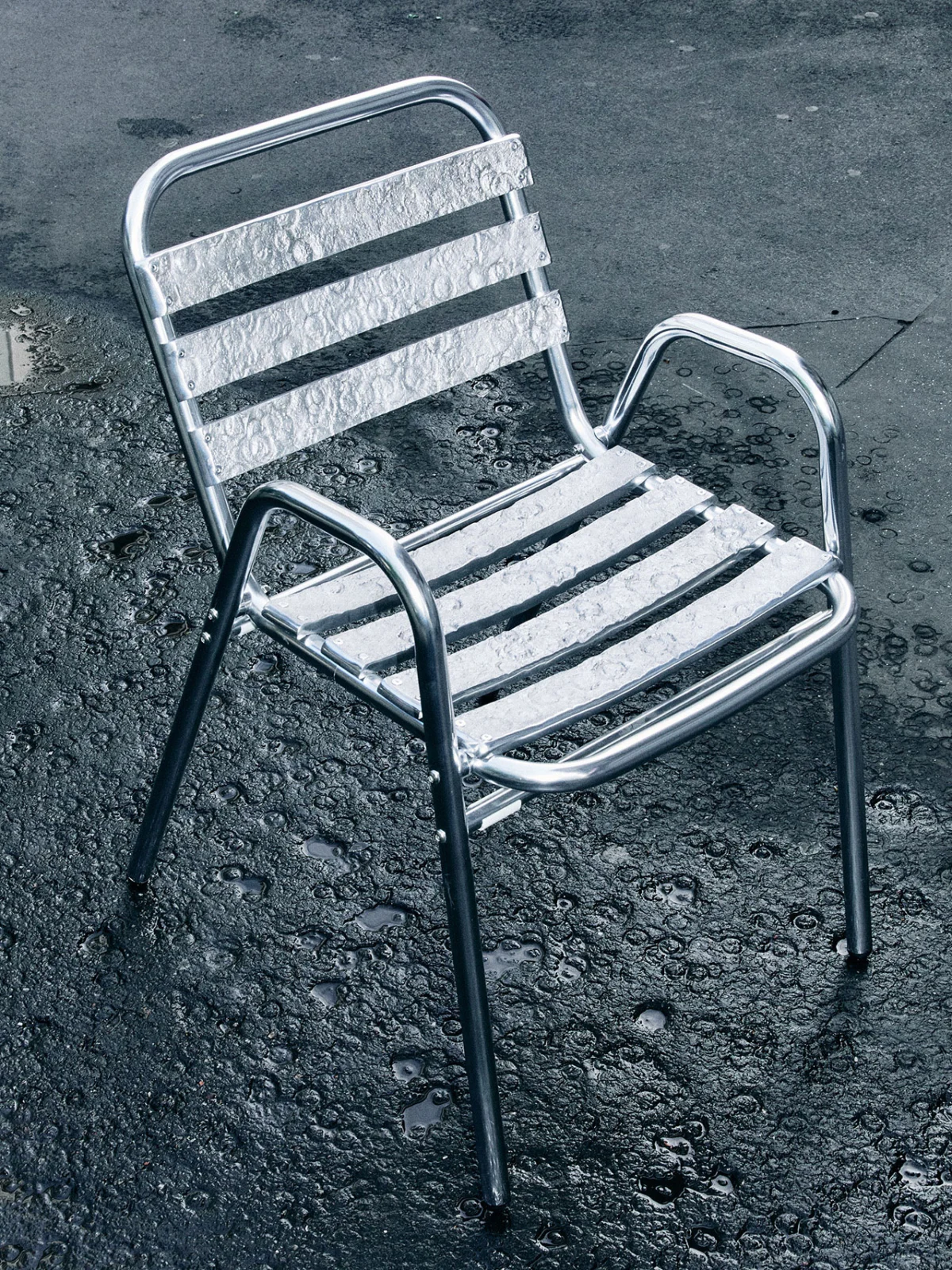
Milan Design Week has transcended its origins as the premier global marketplace for furniture and furnishings, morphing into a sprawling, city-wide phenomenon that often blurs the lines between commercial exhibition and immersive art installation. This evolution has seen the event expand dramatically in both physical scale and thematic scope, permeating historic palazzos, ancient churches, and revitalized industrial complexes. Luxury and mid-market brands from nearly every sector now invest exorbitant sums to participate, transforming the city into a vibrant, albeit sometimes overwhelming, "society of the spectacle."

A Historical Overview of Milan Design Week’s Transformation
The roots of Milan Design Week lie in the Salone del Mobile, established in 1961 as a trade fair to promote Italian furniture and lighting exports. Initially conceived as a business-to-business platform, it quickly gained international prominence due to the quality and innovation of Italian design. Over the decades, its influence grew, attracting designers, manufacturers, and buyers from across the globe. By the late 1980s and early 1990s, an organic offshoot began to emerge: the Fuorisalone. This "outside the fair" phenomenon saw showrooms, galleries, and independent designers hosting events across various Milanese districts, leveraging the city’s unique urban fabric.

The early Fuorisalone events were often more experimental and accessible, providing a counterpoint to the more formal, commercially driven Salone. However, as Milan Design Week’s reputation soared, so did the commercial interest. By the turn of the millennium, what was once an informal network of parallel events had become an integral, highly curated, and fiercely competitive component of the week. Major fashion houses, automotive brands, technology giants, and even food and beverage companies recognized the immense marketing potential of aligning with the prestige and creativity of Milan Design Week. This period marked a significant shift from a primary focus on product innovation to a broader emphasis on brand experience and narrative storytelling, often through large-scale, visually stunning installations designed to captivate and generate social media buzz. Today, the event typically attracts hundreds of thousands of visitors, including industry professionals, international press, and design enthusiasts, generating a substantial economic impact for the city, estimated to be in the hundreds of millions of euros annually.
The Rise of Experiential Marketing and the "Society of the Spectacle"

The contemporary Milan Design Week is characterized by a daily deluge of flashy showcases. These elaborate installations, often designed for Instagrammability, frequently overshadow the actual product or concept launches they are meant to support. Brands compete to create the most memorable, immersive, and shareable experiences, investing heavily in set design, interactive elements, and celebrity appearances. This trend reflects a broader shift in marketing strategies, where brand identity and emotional connection take precedence over purely functional product display. The goal is to generate buzz, enhance brand perception, and secure media coverage in an increasingly crowded global design landscape.
Beyond the public exhibitions, the week is punctuated by a tightly gatekept social calendar. Exclusive cocktail hours, who’s-who dinners, and increasingly selective parties form a parallel universe of networking and social climbing. These events serve to solidify industry relationships, foster collaborations, and reinforce the hierarchical structures within the design world. Attendance at the "right" events becomes a marker of status and influence, creating an ecosystem where visibility and connection are as crucial as design merit.

Bar Basso: The Unofficial Nexus of Design Week’s Social Scene
The culmination of these daily and nightly activities often leads to the legendary Bar Basso. This historic Milanese institution, famous as the birthplace of the Negroni Sbagliato – a cornerstone of the Milanese aperitivo culture – has, over the decades, cemented its status as the annual gathering place for the global design industry’s confirmed and aspirational elite. Its enduring appeal lies in its authenticity, its rich history, and its unique ability to bring together a diverse cross-section of the design world in a relatively intimate setting.

Over the course of five or more nights during Design Week, designers, architects, critics, and enthusiasts converge on this relatively compact watering hole. They spill out from its time-capsule interior, with its iconic pink neon sign and retro decor, onto its awning-covered terrace, and even into the adjacent traffic circle. The sheer density of creative minds, all sharing in the collective experience, creates an unparalleled atmosphere of camaraderie and celebration. For many, a requisite social media post from Bar Basso – often featuring the oversized Negroni Sbagliato glasses – has become a de facto marker of acceptance, a confirmation of a pilgrimage successfully completed, signifying one’s immersion in the design week’s inner circle. This ritual underscores the social currency and symbolic capital associated with participating in the event, extending beyond the professional and into the personal realm of identity and belonging.
Thilo Reich’s "Urban Tissue": A Quiet Provocation

Amidst this maelstrom of elaborate installations and frenetic social engagements, German designer Thilo Reich introduced a subtle yet profound intervention at this year’s Milan Design Week. His project, "Urban Tissue," strategically placed at Bar Basso, sought to disrupt the industry’s often superficial gaze and challenge the growing triviality that can sometimes overshadow the event’s original purpose. It highlighted a curious paradox: for a crowd so meticulously attuned to the aesthetic makeup of furniture and furnishings, it is remarkably rare for anyone to truly examine the very surfaces they interact with daily – especially what they are sitting on. This level of attention, Reich observed, is typically reserved for the overly staged showrooms and sprawling fair booths elsewhere in the city, where an avalanche of luxury goods is unveiled with maximal fanfare.
Reich’s intervention was less a direct critique and more a transcendent reflection on cycles of presence, absence, and temporality. His site-responsive tables and chairs were crafted from recycled cast aluminum, bearing the direct imprint of the worn, timeworn pavement beneath them. The ground plane itself, often overlooked, became an active participant in the design process, its surface shaped by years of human interaction – the repeated placement, removal, and dragging of furniture leaving its own quiet, indelible record.

Philosophical Underpinnings and Artistic Statement
In his artist statement, Reich eloquently explains the philosophy behind "Urban Tissue": "The pavement is approached as a form of skin. Cracks, seams, repairs, compressions, and transitions appear like inscriptions of time. Positive and negative experiences leave equal traces. What was damaged does not disappear but becomes part of a new whole." This statement reveals the depth of his conceptual approach, inviting viewers to consider the urban environment as a living entity, constantly evolving and bearing the marks of its history. The furniture, by directly mirroring these imperfections, elevates the mundane to the monumental, transforming the ordinary into a canvas of collective memory and experience.

The pieces are rendered in the same recognizable, mass-produced tubular frames commonly found in outdoor café furniture, making them superficially familiar. However, the idiosyncratic, textured surfaces – direct reproductions of the pavement – introduce subtle interventions that gently skew expectations. This deliberate contrast between the ubiquitous form and the unique surface forces a moment of pause and reflection, prompting viewers to look closer and consider the origins and narratives embedded within the material.
A Subtle Critique of Industry Trends and Attendee Perception

Reich dubbed his installation the "quietest show at Milan Design Week," a moniker that perfectly encapsulates its understated yet impactful nature. In a week dominated by maximalist displays and sensory overload, "Urban Tissue" offered a moment of introspection. It subtly questioned the industry’s relentless pursuit of novelty and spectacle, inviting participants to reconnect with fundamental aspects of design, material, and environment. By focusing on the overlooked, Reich challenged the prevailing "detached, occasionally frivolous posture of the industry at large."
His work is an extension of his ongoing "Urban Tissue" project, which he describes as a "continuous artistic practice centered on the transformation of urban materials and the exploration of social and spatial structures." He elaborates: "My work focuses on the characteristic surfaces of places and the ways they are shaped by social, cultural, and economic influences." This broader context illuminates the installation at Bar Basso not as an isolated stunt, but as a consistent thread in Reich’s artistic inquiry into how our surroundings reflect and influence human experience. The implication is clear: while the design elite celebrate innovation and luxury, the very ground beneath their feet holds its own story of design, wear, and resilience, a narrative often ignored in the rush for the next big trend.

Broader Implications for Design Discourse
Thilo Reich’s "Urban Tissue" project at Bar Basso contributes significantly to the ongoing discourse about the purpose and direction of contemporary design. In an era where "experience economy" and "brand storytelling" often take precedence, Reich’s work serves as a powerful reminder of materiality, authenticity, and the subtle narratives embedded in our everyday environments. It challenges designers, brands, and consumers alike to consider the deeper implications of design choices and the impact of the built environment.

The installation encourages a re-evaluation of value – shifting focus from the ostentatious and new to the inherent beauty and history found in the aged and worn. It posits that true innovation might sometimes lie in looking inward and downward, recognizing the design that has evolved organically through use and time, rather than solely outward to the next manufactured trend. While direct responses from participating brands were not explicitly sought for this installation, Reich’s work inherently prompts a re-evaluation of the industry’s priorities and the audience’s engagement. It asks whether the design world, in its pursuit of grandeur and spectacle, risks losing touch with the foundational elements of human interaction with objects and spaces.
Conclusion

Milan Design Week continues to be an unparalleled global platform for design, but its exponential growth has undeniably introduced complexities and criticisms regarding its commercialization and emphasis on fleeting spectacle. Thilo Reich’s "Urban Tissue" at Bar Basso stands as a poignant counterpoint to this trend. By transforming the mundane into the magnificent, and by grounding his design in the literal fabric of the urban environment, Reich offers a quiet yet powerful meditation on time, presence, and the often-overlooked beauty of imperfection. His work serves as a vital commentary, urging the design world to pause, reflect, and perhaps, look down more often, to rediscover the profound narratives that lie beneath the surface of our designed lives.
To learn more about the designer, visit thiloreich.com.
Photography by Giorgio Garzella.







