Cintya Tara Annisa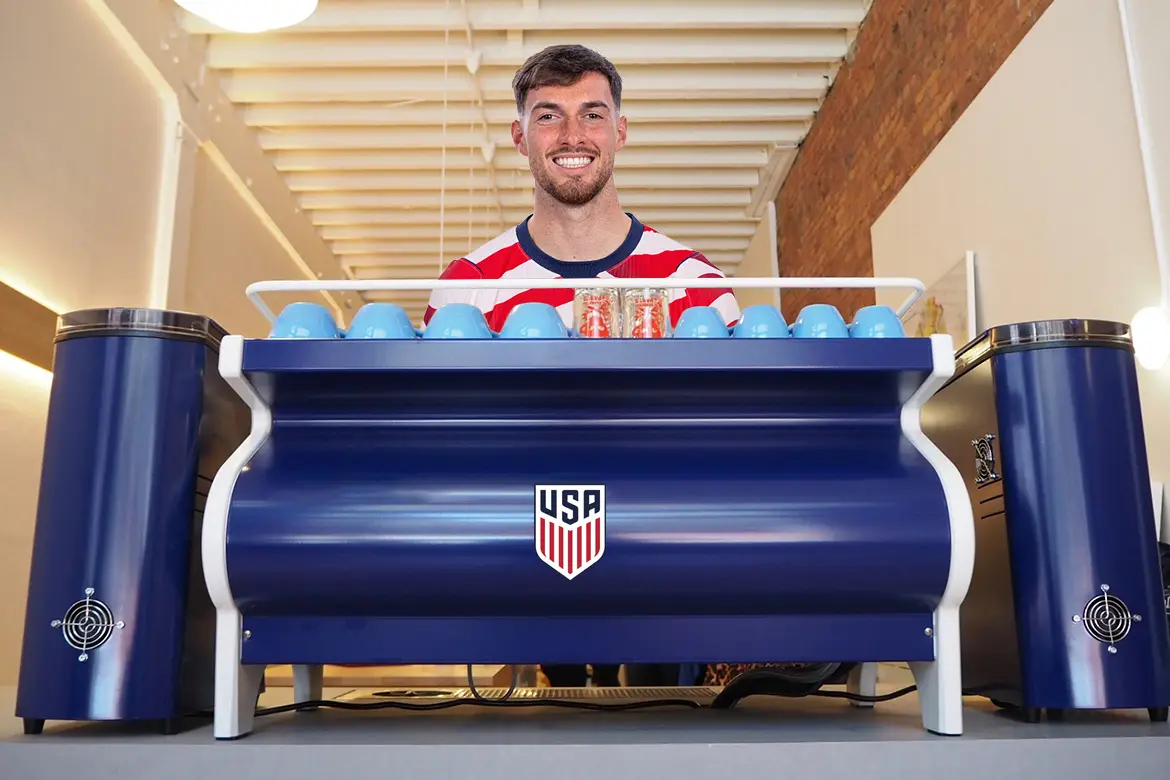
The United States Men’s National Team (USMNT) has entered the 2026 FIFA World Cup with a level of tactical aggression and cultural synergy not seen since the nation last hosted the tournament in 1994. Under the strategic leadership of head coach Mauricio Pochettino, the squad has adopted a high-intensity, attacking philosophy that has already yielded significant results, including a dominant 4-0 victory over Paraguay in their opening match. While much of the public discourse has focused on Pochettino’s tactical shift toward constant pressure and verticality, a secondary narrative has emerged from the team’s training base in Irvine, California: the influence of a sophisticated coffee culture led by defender Joe Scally. As the team prepares for a pivotal group stage encounter against Australia, the intersection of professional athleticism, high-end espresso technology, and the simultaneous 2026 US Barista Championship has highlighted a unique cultural moment for American soccer.
The Pochettino Era: Tactical Evolution and Early Success
The 2026 World Cup marks a watershed moment for soccer in North America, and the USMNT’s performance in the opening rounds has validated the high expectations surrounding the appointment of Mauricio Pochettino. Known for his tenure at top-tier European clubs such as Tottenham Hotspur and Paris Saint-Germain, Pochettino has instilled a "Gegenpressing" style that demands peak physical conditioning and mental alertness from his players. This style was on full display during the opening match against Paraguay, a team historically recognized for its disciplined, defensive "catenaccio" approach.
The United States broke through the Paraguayan lines with four goals, a feat that analysts attribute to a relentless offensive tempo. This shift in identity represents the most significant tactical overhaul the team has experienced in decades. By maintaining high defensive lines and forcing turnovers in the final third, the USMNT has transformed from a reactive counter-attacking side into a proactive protagonist on the world stage. The home-field advantage, reminiscent of the 1994 tournament where the U.S. reached the Round of 16, has provided a psychological boost, but the underlying data suggests that the team’s success is rooted in a rigorous daily regimen and a cohesive camp environment.
The Role of Joe Scally and the Team’s Internal Coffee Culture
Central to the team’s chemistry at their California home base is an unexpected focal point: a professional-grade coffee bar. Reports initially surfaced via ESPN2, with correspondent Sam Borden highlighting an "elaborate" setup at the Great Park Sports Complex in Irvine. Subsequent investigations and social media insights have confirmed that the operation is spearheaded by Joe Scally, the 23-year-old defenseman currently playing for Borussia Mönchengladbach in the German Bundesliga.
Scally, who has spent several years immersed in European coffee culture, has assumed the unofficial role of the USMNT’s resident barista. Through detailed analysis of social media footage provided by the USMNT media team, it has been identified that Scally utilizes a La Marzocco Linea Micra espresso machine paired with a Pico grinder. This equipment represents the pinnacle of home-and-small-office espresso technology, capable of producing café-quality beverages that meet the exacting standards of professional athletes.
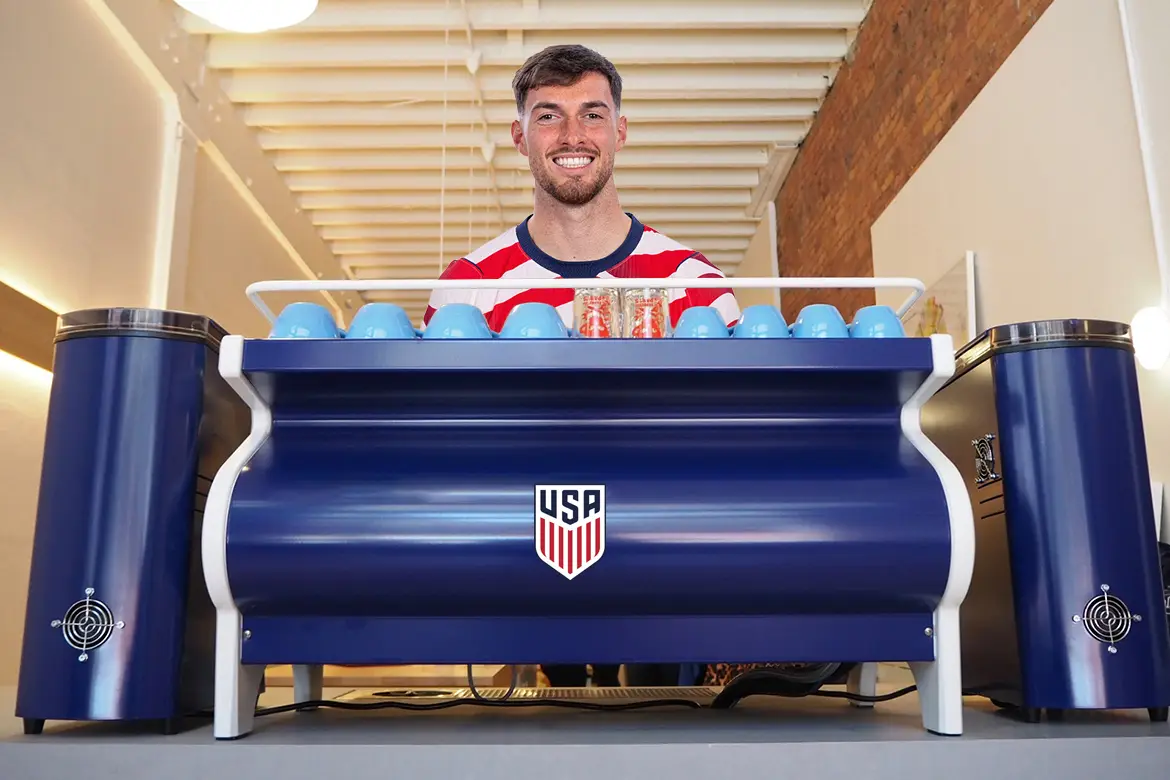
The presence of such high-end machinery in a sports camp is more than a luxury; it is a component of the team’s daily routine. Scally has described the process of making coffee as "the best part of his day," a sentiment that reflects a growing trend among professional athletes who utilize the ritual of coffee preparation as a means of mental grounding and social bonding. In a high-stakes environment like the World Cup, these domestic comforts and communal rituals can be instrumental in maintaining squad morale over a month-long tournament.
Caffeine and Athletic Performance: The Science of the Pitch
The reliance on high-quality coffee within the USMNT camp aligns with contemporary sports science regarding caffeine consumption. Caffeine is one of the most researched ergogenic aids in professional sports, known to improve endurance, reaction time, and cognitive function. For a team playing under Pochettino’s high-pressure system, which requires constant sprinting and rapid decision-making, the controlled intake of caffeine can provide a marginal gain that translates into on-pitch performance.
Unlike synthetic pre-workout supplements, espresso provides a natural source of caffeine along with antioxidants. By controlling the brewing process themselves, players like Scally ensure that the team is consuming high-quality beans without the additives found in commercial energy drinks. This "clean" approach to energy management is a hallmark of the modern professional athlete’s lifestyle, where every dietary choice is scrutinized for its impact on recovery and output.
Chronology of the 2026 Campaign and the Road to the Knockout Stages
The USMNT’s journey through the 2026 World Cup has followed a precise timeline of preparation and execution:
- Pre-Tournament Training (May 2026): The squad convened in Irvine, California, to undergo intensive tactical drills under Pochettino. It was during this period that Scally’s coffee station was established, becoming a hub for player interaction.
- The Opening Match (June 2026): The U.S. faced Paraguay. The 4-0 victory served as a statement of intent, showcasing a level of fitness and offensive fluidity that surprised international observers.
- Media Discovery (Mid-June 2026): National broadcasts began highlighting the unique "coffee bar" culture within the team, bringing Scally’s hobby into the public eye.
- The Australia Match (Current): The team enters their second group stage match against Australia. Under the 2026 expanded format—which features 48 teams—the stakes for this match are high. A victory would guarantee a spot in the knockout rounds, while a draw would leave the U.S. in a strong position to advance based on goal difference and the "best third-place" rule.
Parallel Events: The 2026 US Barista Championship
Coincidentally, as the USMNT prepares to face Australia on the pitch, a different kind of competition is taking place in the specialty coffee industry. The 2026 US Barista Championship (USBC) is currently underway, featuring the nation’s top coffee professionals. Among the competitors is Jak Michael Ryan, an Australian-born barista who has become a notable figure in the American coffee scene.
The overlap of these two events—a World Cup match against Australia and an Australian-born competitor in the USBC—has created a unique cultural synergy. While Ryan is competing for a domestic title in the United States, the sporting rivalry adds a layer of lighthearted tension to the proceedings. The USBC serves as a professional backdrop to the hobbyist passion displayed by Joe Scally, illustrating the depth of coffee culture in the United States, which now spans from high-stakes professional sports to elite culinary competitions.

Broader Impact and Implications for American Soccer Culture
The 2026 World Cup is more than a series of matches; it is a catalyst for the further integration of soccer into the American cultural fabric. The "fun" and "exciting" brand of soccer described by fans and journalists alike is a departure from the more defensive or inconsistent eras of the past. By combining world-class coaching with a modern, relatable team culture—exemplified by Scally’s coffee bar—the USMNT is successfully engaging a broader demographic of supporters.
Furthermore, the visibility of high-end espresso equipment in the hands of a national team player highlights the maturation of niche industries in the U.S. The fact that a Bundesliga defenseman is as passionate about his La Marzocco as he is about his defensive positioning speaks to a generation of athletes who are multi-dimensional and culturally savvy.
From a strategic standpoint, the USMNT’s performance in the remaining group matches will determine if this cultural momentum can be sustained. The expanded 48-team format has increased the number of matches and the potential for fatigue, making the "jacked to the teeth" energy provided by Scally’s coffee bar more than just a human-interest story—it may be a logistical necessity.
Official Responses and Tactical Outlook
While official statements from the US Soccer Federation have focused primarily on injury reports and tactical preparation, the informal feedback from the camp suggests a high level of satisfaction with the current environment. Pochettino has famously demanded a "family" atmosphere in his previous roles, and the organic development of a coffee-centric social hub fits perfectly within that framework.
As the match against Australia approaches, the USMNT is expected to maintain its aggressive posture. Australia, known for a physical and resilient style of play, will provide a different challenge than Paraguay. However, with the tactical acumen of Pochettino and the high-octane energy of a squad fueled by both ambition and premium caffeine, the United States appears well-positioned to navigate the group stage and make a deep run in the tournament.
The 2026 World Cup continues to unfold as a landmark event for the sport in North America. Whether through the lens of a perfectly executed press on the field or a perfectly pulled shot of espresso in the locker room, the USMNT is demonstrating a commitment to excellence that has revitalized the American soccer landscape. As the tournament progresses, the world will be watching to see if this combination of tactical rigor and cultural cohesion can lead the United States to its greatest soccer achievement in history.