
 Indra Kusuma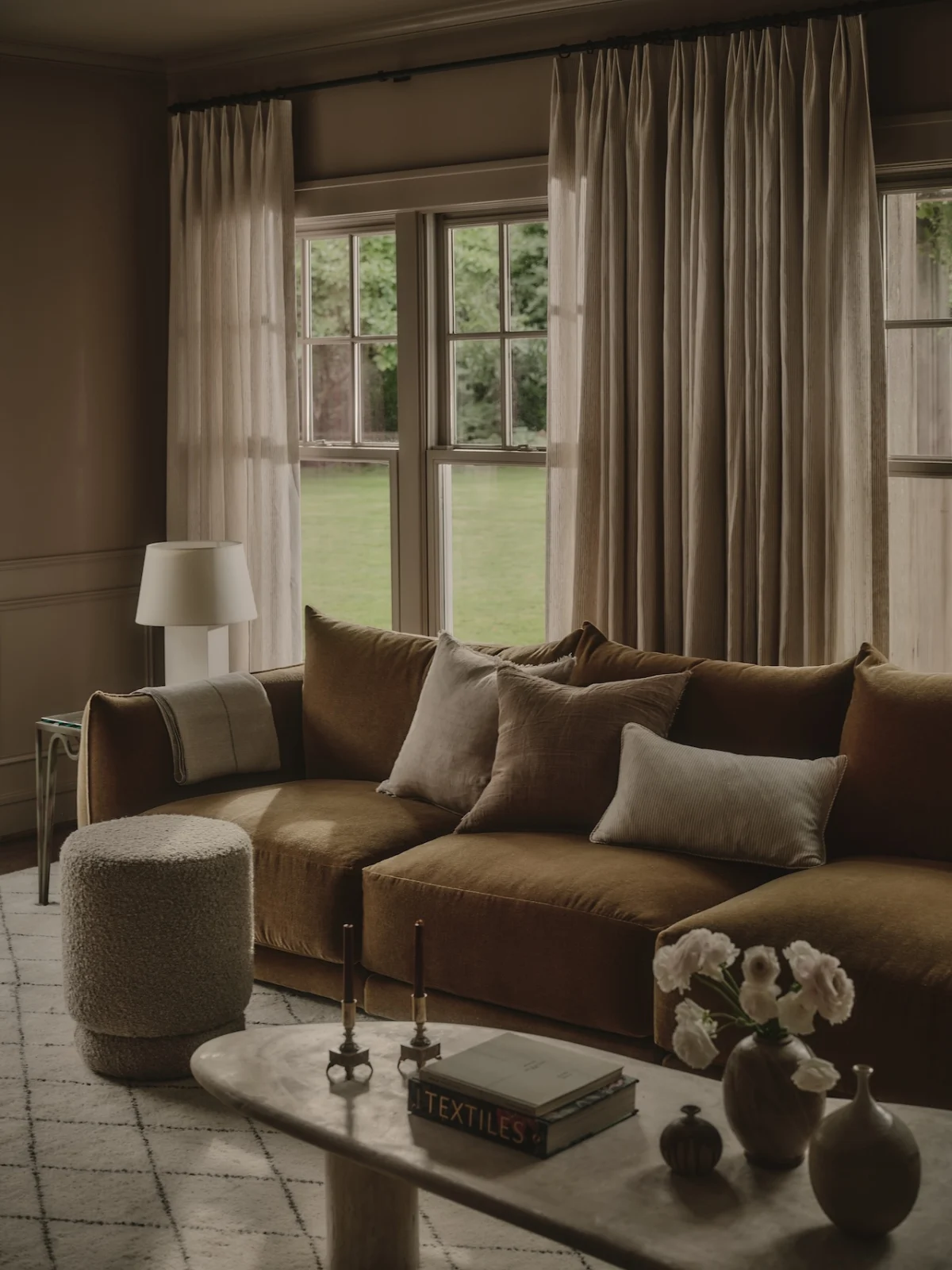
In a significant departure from conventional heritage renovation practices, the Tryon Hill project, a meticulously re-envisioned 1929 Cape Cod residence in Portland, Oregon, champions a groundbreaking design philosophy that embraces the natural accumulation of wear and age. Led by designer Sara Gray of the Pacific Northwest-based firm Grayhaus, this 18-month renovation challenges the prevailing preservation logic that typically seeks to freeze a home in an idealized, pristine past. Instead, Gray’s approach cultivates a living aesthetic, selecting materials explicitly for their capacity to develop a rich patina over time, thereby fostering a sense of warmth, hospitality, and authentic connection to its inhabitants’ lives. This innovative methodology marks a pivotal moment in design, moving beyond mere restoration to create spaces that actively chronicle the passage of time and human interaction.

A New Paradigm in Preservation: Beyond the Static Ideal
Traditional heritage renovations often adhere to a stringent preservation logic, meticulously restoring original details, sealing surfaces against the elements, and lacquering finishes to maintain an unchanging facade. This approach, while rooted in a commendable desire to honor architectural history, can sometimes render a home feeling more like a museum exhibit than a vibrant living space. The emphasis is typically on preventing any perceptible signs of age or use, aiming for a perpetual state of "as-new" or "historically accurate" perfection. This can involve extensive chemical treatments, artificial climate control, and a material selection geared towards maximum durability and resistance to change. The intent is to safeguard architectural integrity, often under the guidance of historical commissions or national standards, such as those promulgated by the U.S. National Park Service’s Secretary of the Interior’s Standards for the Treatment of Historic Properties. While invaluable for truly significant historical sites, this rigid interpretation can sometimes inadvertently create interiors that feel sterile or disconnected from the dynamic realities of contemporary family life.

At Tryon Hill, Sara Gray of Grayhaus has consciously inverted this formula. Her design ethos posits that a home’s character is not merely inherent in its original construction but is also actively shaped by the lives lived within its walls. This philosophy is a nuanced evolution from the conventional, where the goal is not to arrest decay but to celebrate evolution. "Our aim was to create a home that felt deeply lived-in and comfortable, right from the start, knowing it would only grow richer with time," Gray explained in a recent statement, emphasizing the deliberate choice to allow the residence to breathe and mature. This perspective aligns with broader contemporary trends in design that value authenticity, sustainability, and a more intimate relationship between inhabitants and their environment. It suggests that true preservation can mean allowing a structure to tell its ongoing story, rather than just reciting its past.

The Intentional Material Palette: Architects of Time
The cornerstone of Gray’s vision for Tryon Hill lies in her meticulously curated material palette, chosen not for its imperviousness to wear, but for its inherent ability to transform and deepen in character. This selection consciously moves away from inert, sealed surfaces towards reactive ones that respond to touch, light, and daily use.

-
Unlacquered Brass: A prime example of this philosophy, unlacquered brass hardware is employed throughout the home. Unlike its lacquered counterparts, which resist oxidation to maintain a polished sheen, unlacquered brass readily develops a rich, variegated patina. With every touch, the natural oils from hands interact with the metal, leading to subtle darkening, mottling, and variations in tone. This isn’t a flaw; it’s a living record of habitation, a subtle narrative etched into the very fabric of the home. Historically, brass has been valued for its warmth and durability, and its natural aging process was once widely accepted and admired. Gray’s choice reintroduces this appreciation for organic evolution.

-
Calacatta Viola Marble: This exquisite marble, known for its dramatic violet and grey veining against a crisp white background, is inherently porous. While many designers would seal such a stone aggressively to prevent etching or staining, Gray embraces its vulnerability. Over time, spills and daily use will inevitably leave their mark, creating subtle imperfections that Gray views as contributions to the marble’s unique story. These "imperfections" become visual memoirs, distinguishing the surface from mass-produced, unblemished alternatives and adding layers of personality.

-
Mohair and Velvet Upholstery: These luxurious fabrics are renowned for their tactile qualities and rich depth of color. In the context of Tryon Hill, their selection goes beyond aesthetics. Mohair, with its durable pile, and velvet, with its dense, soft nap, both acquire distinctive compression patterns through repeated use. These subtle indentations and softened areas are not signs of deterioration but rather gentle imprints of comfort and relaxation, reflecting countless hours of conversation, reading, and repose. They invite a tactile engagement with the furniture, deepening the sense of ease and welcome within the home.

-
Linen: Valued for its natural texture and breathable quality, linen is another material that embraces gentle wear. Its characteristic wrinkles and softness develop further with use, contributing to a relaxed, inviting atmosphere that stands in stark contrast to the crisp, unyielding perfection often sought in contemporary interiors.

-
Aged Wood and Natural Stone: Already bearing the marks of time, these materials were chosen for their existing character and their potential to deepen it further. Wood floors, for instance, subtly record traffic and movement, developing slight dips, divots, and a deeper sheen in high-traffic areas. Natural stone surfaces, like the marble, will continue to react to light and interaction, evolving their appearance gradually. This approach is not about creating artificially "distressed" finishes that merely perform the appearance of age; it is about selecting reactive surfaces that genuinely develop character in direct proportion to how much the home is inhabited. This fundamental distinction underscores the authenticity of Gray’s design.

A Harmonious Palette: Tonal Cohesion and Emotional Resonance
The visual language of Tryon Hill extends beyond the tactile to a thoughtfully conceived color story. Gray’s palette of muted jewel tones and inky hues wraps the rooms in an enveloping warmth, purposefully avoiding the stark, often jarring contrast between old architecture and new intervention that characterizes many contemporary heritage works. This deliberate choice fosters a seamless flow between the original 1929 structure and its revitalized interior.

For instance, the use of deep, resonant colors – perhaps a sophisticated forest green, a rich sapphire, or a smoky amethyst – alongside darker neutrals, creates an intimate and comforting ambiance. These tones absorb light, contributing to a sense of sanctuary and timelessness, rather than reflecting it harshly. This tonal strategy ensures that the "new" elements do not compete with the "old" but rather converse with them, creating a unified narrative. In select moments, the palette tightens into more concentrated, near-monochromatic expressions. These instances, perhaps a bathroom rendered in varying shades of charcoal and deep slate, or a study in multiple earth tones, introduce a subtle contemporary edge without disrupting the home’s overarching cohesion. This nuanced approach demonstrates a mastery of color theory, using it to both honor the past and subtly infuse modern sensibility.

Intriguingly, Gray drew inspiration for this color story, in part, from the homeowner’s personal wardrobe. This deeply personal touch elevates the design from a generic aesthetic exercise to a bespoke reflection of the individual who lives there. It’s an intimate connection that imbues the space with an immediate sense of belonging and comfort. This design choice highlights a growing trend in luxury residential design: moving beyond fleeting trends to capture and express the unique personality and lifestyle of the client.

Architectural Nuances and Functional Reimagination
At the heart of the home’s transformation is the reimagining of a small, interstitial room tucked between the dining room and kitchen into a dedicated salon. This space exemplifies Gray’s ability to imbue purpose and character into previously underutilized areas. Here, burgundy walls and intentionally low, warm lighting create an atmosphere scaled specifically for intimate conversation and quiet reflection. The choice of burgundy, a color often associated with luxury and depth, enhances the room’s cocoon-like quality, inviting inhabitants and guests to linger. This salon serves as a functional and emotional anchor, facilitating social connection in a world increasingly dominated by digital interactions. It’s a deliberate nod to historical precedents where such intimate gathering spaces were common, updated for modern living.

The 18-month renovation was not without its complexities, navigating the structural idiosyncrasies typical of homes approaching their centennial. A 1929 Cape Cod, while charming, presents unique challenges inherent in its age and construction methods. These can include:

- Outdated infrastructure: Original plumbing, electrical wiring, and HVAC systems often require complete replacement to meet modern safety standards and efficiency demands.
- Settling and structural shifts: Uneven foundations, sagging floors, and compromised joists are common, requiring extensive reinforcement and leveling. In Tryon Hill’s case, "unusual joist directions" specifically complicated structural modifications.
- Hidden conditions: As walls and floors are opened up, unexpected issues such as rot, pest damage, or previous, poorly executed renovations often come to light, necessitating adaptive solutions and flexibility in the design process.
- Material degradation: Original plaster, lath, and insulation materials may contain asbestos or lead paint, requiring specialized abatement.
- Construction limitations: The inherent structural framework of an older home can dictate the feasibility of certain design changes, requiring creative solutions to achieve desired layouts or open-concept spaces.
Despite these challenges, Gray’s decision to meticulously preserve original molding profiles, proportions, and symmetry was paramount. This commitment ensured that while the interior was undergoing a profound material and aesthetic transformation, the home’s foundational "bones" remained legible and respected. This delicate balance between preserving historical integrity and introducing a more expressive, dynamic material language is what truly defines the Tryon Hill project. It demonstrates that a deep reverence for the past can coexist with a forward-thinking, adaptive approach to modern living. The renovation was a thoughtful dialogue between the home’s original architects and its current inhabitants, mediated by Gray’s expert vision.

Broader Implications and a Living Legacy
The Tryon Hill project stands as a compelling case study, offering significant implications for the future of heritage renovation and interior design. It challenges the very definition of "preservation," proposing a model that values the authentic evolution of a space over static perfection.

- A Shift in Preservation Philosophy: This project advocates for a more human-centric approach to historical properties. Instead of viewing heritage homes as artifacts to be enshrined, Gray’s design encourages them to be active participants in the lives of their occupants. This approach could influence local and national preservation guidelines, fostering more flexible and livable interpretations of historical integrity.
- Sustainability and Longevity: By choosing materials that age gracefully rather than fighting against time, the design inherently promotes sustainability. Materials that develop a patina reduce the pressure for frequent replacements or intensive, chemically-driven maintenance cycles. This long-term view of material life cycles contributes to a more environmentally conscious design practice.
- The Value of Authenticity: In an era often dominated by mass-produced uniformity and fleeting trends, Tryon Hill champions authenticity and the unique narrative of a lived-in space. It reminds us that true beauty can be found in imperfection and the passage of time, fostering a deeper emotional connection between homeowners and their environment.
- Emotional Well-being: A home that welcomes wear and records life’s moments can significantly contribute to the psychological well-being of its inhabitants. It creates an environment that feels less precious and more forgiving, encouraging relaxation, comfort, and a genuine sense of belonging. The home becomes a comforting witness to daily routines, celebrations, and quiet moments.
- Influence on Design Trends: Sara Gray’s innovative approach is likely to inspire other designers and homeowners to reconsider their strategies for renovating older properties. It offers a viable, aesthetically rich alternative to either sterile modernization or rigid historical recreation. Her work positions Grayhaus as a leader in this evolving field, pushing boundaries within the Pacific Northwest design scene and potentially beyond.
The ultimate result of this ambitious renovation is a residence that will look different in five years, and even more so in fifty, than it does today. This evolution will not be through deterioration or neglect, but through the gradual, beautiful accumulation of the life lived within its walls. Each mark on the brass, each softened curve in the velvet, each subtle shift in the wood flooring, will be a testament to the home’s ongoing story, a unique and evolving legacy for generations to come. Tryon Hill is not merely a preserved structure; it is a living, breathing entity, gracefully embracing its past while continually writing its future.

Photography for Tryon Hill by Pablo Enriquez.
For more information on Grayhaus and their projects, visit grayhaus.com.







