Muhammad Hendra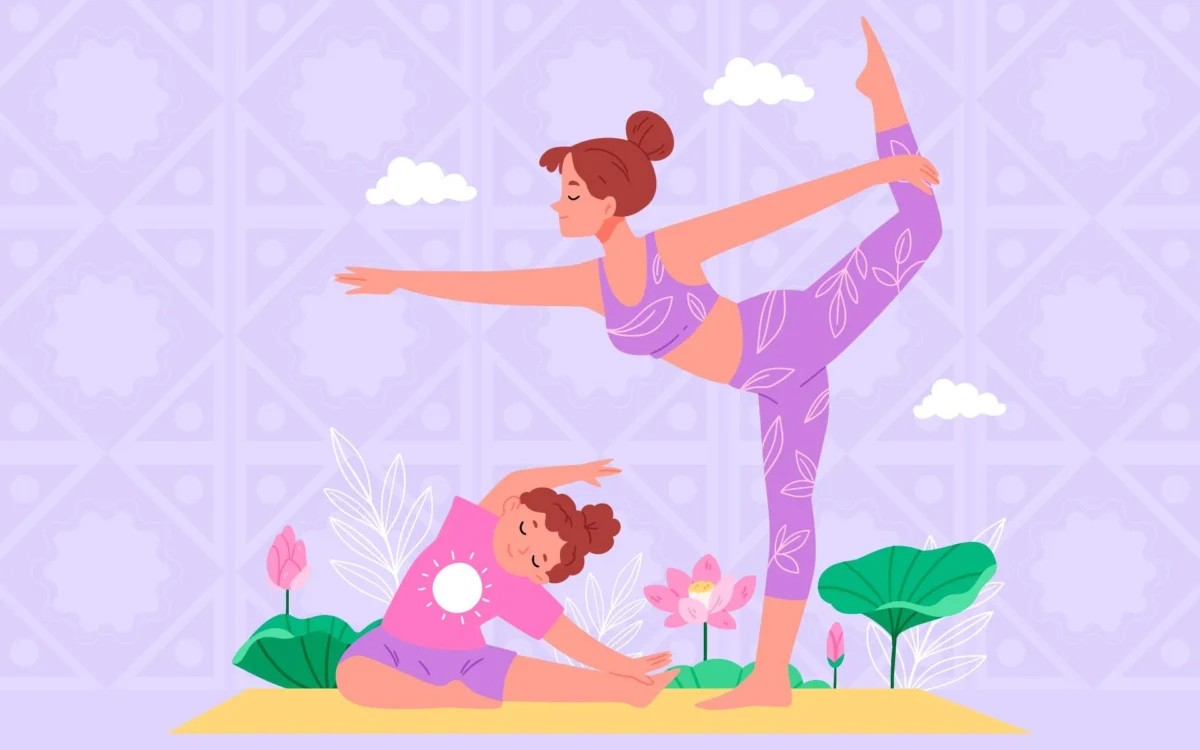
The demanding landscape of modern parenthood often presents significant challenges to maintaining personal well-being routines, including dedicated fitness and mindfulness practices. While the aspiration to continue such activities remains high, the realities of newborn care, erratic schedules, and chronic exhaustion frequently lead to a hiatus from established self-care rituals. However, an emerging trend suggests that rather than abandoning these practices, many parents are discovering profound ways to integrate mindfulness and movement directly into the fabric of daily family life, transforming what was once a solo pursuit into a shared journey that benefits both adults and children.
The Shifting Paradigm of Parental Well-being
For many new parents, the arrival of a child marks an abrupt shift in lifestyle, often necessitating the re-evaluation of personal commitments. Prior to parenthood, activities like regular yoga studio classes or extended meditation sessions might have been cornerstones of a self-care regimen. Post-childbirth, the logistical hurdles—finding childcare, managing feeding schedules, and combating sleep deprivation—can render such pursuits seemingly impossible. Initial attempts to adapt, such as attending specialized "baby yoga" classes, often yield limited personal practice time for the parent, consumed instead by childcare responsibilities. The profound fatigue that accompanies early parenthood further diminishes the capacity for sustained, focused personal practice during rare moments of quiet. This initial period is frequently marked by a sense of loss for the structured, communal, and dedicated space that traditional studio practices offered.
However, this period of adjustment often gives way to innovative adaptation. Faced with the inability to revert to pre-parenthood routines, many individuals begin to seek alternative avenues for maintaining their commitment to mindfulness and physical well-being. This necessity-driven exploration often leads to the realization that the essence of these practices—breath, movement, and presence—can be cultivated outside conventional settings, particularly within the context of family interactions.
The Dual Benefits of Integrated Practices
The integration of mindfulness and yoga into family life offers a powerful two-fold benefit: it helps parents sustain their personal practice in a sustainable way, and simultaneously introduces children to vital tools for emotional regulation, physical awareness, and cognitive development from an early age. This approach reframes the concept of "practice" from a separate, scheduled activity to an intrinsic part of daily existence, shared and modeled within the family unit.
Research consistently highlights the challenges faced by parents in maintaining personal well-being. A 2022 survey by the American Psychological Association, for instance, revealed that nearly half of parents reported their stress levels had increased significantly since becoming parents, with many citing lack of time for self-care as a major contributing factor. Concurrently, the scientific community increasingly recognizes the benefits of mindfulness and yoga for children. Studies published in journals like Child Development and Mindfulness indicate that children participating in age-appropriate mindfulness programs exhibit improved attention spans, enhanced emotional regulation, reduced anxiety, and better academic performance. Physical benefits of children’s yoga include improved flexibility, balance, coordination, and body awareness.
Chronology of Adaptation: From Individual to Shared Practice
The journey often begins subtly. Early attempts might involve brief, unstructured meditation sessions with a baby on the lap, focusing merely on breath and presence during moments of calm. As the child grows, these moments naturally evolve. Parents might introduce simple yoga postures by mimicking elements of the natural world—trees, animals—during walks or visits to the zoo. Playgrounds become arenas for mindfulness, with swings serving as a backdrop for cultivating present-moment awareness and gratitude for shared experiences.
This gradual integration typically culminates in a pivotal shift: the parent’s personal practice becomes more consistent, not because external conditions have improved or dedicated studio time has been reclaimed, but because the practice is now interwoven with their interaction with the child. This co-practice, centered on breathing, moving, and being present together, underscores a powerful insight: teaching and practicing yoga and mindfulness with children can be a profound catalyst for deepening one’s own engagement with these disciplines.
Expert Perspectives on Family Mindfulness
Child development specialists and proponents of family wellness widely endorse this integrated approach. Dr. Anya Sharma, a leading child psychologist specializing in early childhood development, states, "Introducing mindfulness and movement in a playful, organic way during childhood builds foundational resilience. Children learn self-awareness, empathy, and coping mechanisms for stress, which are invaluable life skills. For parents, it’s a powerful way to model healthy habits while simultaneously nurturing their own mental and physical health without the added pressure of ‘finding time’ for a separate practice."
Yoga instructors specializing in children’s programs, such as Maria Rodriguez, founder of "Little Yogi Adventures," echo this sentiment: "We’re seeing a growing demand for family yoga workshops, not just for the children’s benefit, but because parents are realizing that sharing their practice makes it more accessible and meaningful. It’s about meeting yourself and your children where you are, literally and figuratively."
Practical Frameworks for Everyday Integration
The core principle behind successful integration is to leverage existing daily routines and moments, transforming them into opportunities for mindful connection and movement. Here are several practical strategies that can be adapted to suit diverse family needs:
-
Morning Wake-Up Stretches and Gratitude:
Before the day’s demands take hold, the first few minutes after waking present a golden opportunity. Instead of rushing, parents can invite children to engage in simple stretches in bed. Extending arms overhead, hugging knees to the chest, and gentle side-to-side twists can be framed as an invitation ("Want to stretch with me?") rather than an instruction. This practice subtly teaches children that movement and breath can be the day’s initial choice, fostering body awareness from an early age. To amplify this ritual, incorporating a brief gratitude practice—sharing one thing each person is grateful for—can set a positive tone for the day. This simple act cultivates appreciation and reduces the likelihood of starting the day with immediate demands. -
Mindful Moments While Waiting:
Waiting is an inescapable part of life with children, whether at bus stops, doctor’s offices, or school pick-up lines. These moments, often filled with distraction or mental to-do lists, can be repurposed for mindfulness. Engaging children in sensory awareness games, such as "What do you hear right now?" or "What’s different today than yesterday?", encourages present-moment observation. This practice hones attention, allowing both children and adults to appreciate their immediate surroundings and detach from the rush towards the next scheduled activity. It teaches the invaluable skill of finding calm and engagement in stillness. -
Conscious Breathing Throughout the Day:
Intentional breathing is a portable and universally beneficial practice. It can be introduced before transitions (e.g., leaving the house), during car rides, while standing in lines, or at any point where a moment of calm is needed. Simple techniques, such as breathing in for four counts and out for four counts, require no special equipment or environment. The consistent modeling of conscious breathing helps children internalize this coping mechanism, often leading them to spontaneously use it or prompt their parents to do so during stressful moments. This shared practice normalizes emotional regulation through breath. -
Dynamic Movement: The "Drop and Roll" Game:
This playful technique involves spontaneously "dropping" into a yoga pose to shift energy or perspective. When children become restless in public spaces or emotions run high at home, a prompt like "Let’s drop into downward dog!" or "Everybody into child’s pose for ten breaths!" can quickly reset the mood. This teaches children that physical movement can be a powerful tool for emotional self-regulation. The act of changing one’s physical state directly influences the mental state, a lesson learned through engaging play. It underscores that any moment, anywhere, can become an opportunity for practice. -
Bedtime Meditation and Relaxation:
Bedtime provides a natural window for quiet, restorative practices. After stories and tucking in, a simple body scan or guided visualization can help children wind down. Guiding them to imagine floating like a starfish in warm water, feeling their limbs relax and heavy, can be profoundly calming. This practice not only aids children in falling asleep but also simultaneously settles the parent’s nervous system. The shared experience of slowing down and relaxing before sleep transforms a routine task into a mutual meditation, offering parents a crucial moment of mental reprieve. -
Travel Days and Hotel Room Yoga:
Travel often brings confined spaces, disrupted routines, and heightened energy. These conditions, surprisingly, are fertile ground for adaptive yoga. A hotel room can become a temporary studio for playful animal poses, while airport gates offer opportunities for seated twists or gentle neck rolls. Rest stops during car journeys can be used for shoulder shrugs and simple stretches. By reframing "practice" as something that transcends location, parents and children learn flexibility and adaptability. This approach helps to manage travel-related stress for the entire family, ensuring physical and mental well-being even on the go. -
Karma Yoga: Service Through Compassion:
Yoga extends beyond physical postures and breath; it encompasses ethical living and selfless service. Engaging children in acts of service—volunteering at a food bank, helping an elderly neighbor, or participating in community clean-ups—instills values of compassion, generosity, and interconnectedness. Activities such as organizing a pajama drive for less fortunate children, as exemplified by many families, become powerful forms of "karma yoga." When children witness parents modeling a lifestyle that integrates these principles, they learn that yoga is not merely an activity but a holistic way of being in the world, fostering a deeper, more meaningful engagement with the practice for both generations.
Broader Impact and Future Outlook
The implications of this integrated approach extend beyond individual families. As more parents embrace this method, there is potential for broader societal impact. Healthier, more mindful families contribute to more resilient communities. Educational institutions may increasingly incorporate similar mindfulness and movement practices into curricula, drawing inspiration from these successful home-based models. Furthermore, the redefinition of "practice" challenges conventional notions, demonstrating that true well-being is not contingent on specific environments or lengthy time commitments, but rather on consistent, intentional presence.
This evolution signifies a move towards a more holistic understanding of wellness, recognizing that personal growth and family life are not mutually exclusive but deeply intertwined. The practice, once perceived as separate, is now seen as an integral thread woven through the tapestry of daily existence. Children, with their innate curiosity, present-moment awareness, and capacity for joy in simplicity, emerge as powerful teachers in this journey, reminding adults that the most profound practices are often found in the most ordinary moments, shared with those we love. The journey of parenthood, far from hindering personal well-being, can become its most fertile ground.