
 Indra Kusuma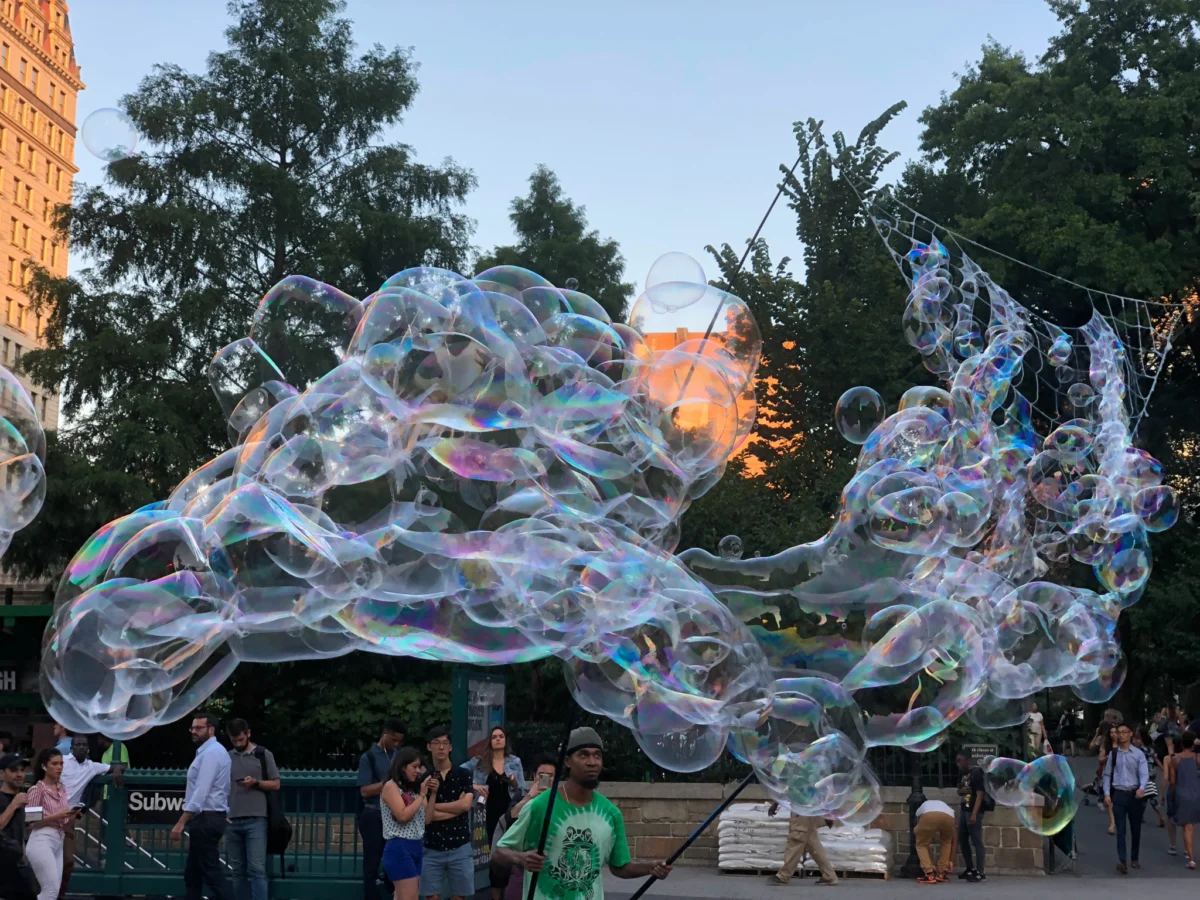
From a childhood dream of piloting futuristic vehicles as an astronaut or managing urban landscapes as a garbage collector, Peter Pelsinski’s trajectory into the world of architecture was an unforeseen yet serendipitous journey. Initially captivated by science and the boundless possibilities of space travel, Pelsinski arrived at college without a declared major, his future path seemingly undefined. However, a casual quest for a payphone across campus would dramatically reroute his ambitions, leading him to a profound epiphany within the walls of the architecture school.
A Serendipitous Discovery and the Genesis of a Vision
The moment Pelsinski stumbled into the architecture department, he was immediately immersed in an environment buzzing with creative energy. "I wandered over, and before I knew it, I found myself snooping around all of the wonderful drawings and models the students were hard at work on and losing sleep over," Pelsinski recalls, reflecting on the scene that unfolded before him. This impromptu exploration ignited a spark, a sudden and undeniable realization. "It all kind of clicked at that moment." The intricate models, the detailed drawings, and the palpable passion of the students crafting these visions of future spaces resonated deeply with his innate curiosity and a previously unarticulated desire to build and shape the physical world. This unplanned encounter marked the definitive turning point, steering him away from the cosmos and towards the concrete realm of architectural design.
His newfound direction led him to an internship at Diller Scofidio, an experience that would prove formative. Diller Scofidio, now Diller Scofidio + Renfro (DS+R), is an acclaimed interdisciplinary design studio known for its avant-garde approach, integrating architecture, urban design, and art. Their portfolio includes iconic projects such as the High Line in New York City, the Blur Building in Switzerland, and the renovation of Alice Tully Hall at Lincoln Center. Working within such a pioneering firm provided Pelsinski with invaluable exposure to experimental methodologies and a rigorous commitment to innovative design, laying a robust foundation for his future endeavors.
In 1995, Pelsinski leveraged this experience to co-found SPAN Architecture with Karen Stonely. From its inception, SPAN Architecture distinguished itself by a steadfast commitment to the relentless exploration of new building techniques and construction details. The firm’s philosophy transcends mere aesthetics, embracing a holistic approach that investigates how materials, structural systems, and spatial arrangements can push the boundaries of conventional architecture, whether for a sprawling commercial complex or an intimate private residence.
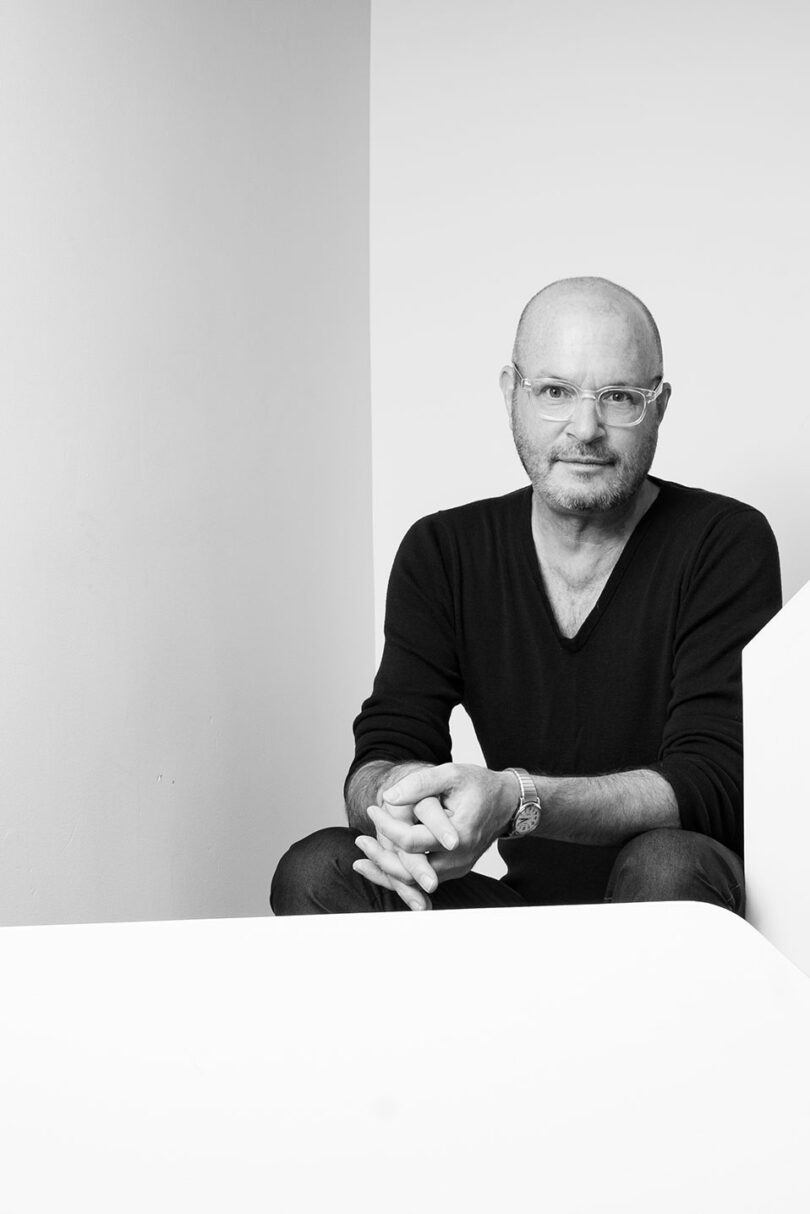
Pelsinski’s leadership style is deeply collaborative. He draws significant energy and inspiration from working alongside his team, finding immense fascination in each individual’s creative process. He observes how diverse thoughts coalesce, moving from nascent concepts to fully realized structures through unique and often unpredictable pathways. This appreciation for collective intelligence and varied perspectives is a cornerstone of SPAN Architecture’s innovative output. When inspiration strikes Pelsinski himself, his process often begins with intuitive doodling, quickly transitioning to hands-on assembly. He advocates for a tactile, experimental approach, noting, "There is no better way than to figure things out, on occasion, by shutting off the old mind and making stuff." He emphasizes that many design speculations are not fully formed ideas at their inception, requiring space and tangible interaction to evolve. "Most design speculations aren’t even ideas when they enter your mind, and since they are not formed initially, one needs to give them a little room to come to life." This philosophy underscores a belief in iterative creation, where the act of making is integral to the act of conceiving.
The Pillars of Inspiration: A Deep Dive into Pelsinski’s "Friday Five"
Pelsinski’s architectural vision is deeply informed by a diverse set of inspirations, which he articulates through his "Friday Five" selections. These themes not only illuminate his personal interests but also serve as the conceptual bedrock for SPAN Architecture’s innovative projects.
1. Science/Science Fiction: The Fusion of Logic and Fantasy
Pelsinski’s enduring fascination with science and science fiction stems from their shared capacity to explore and explain the world, albeit through different lenses. Science, with its objective explanations and logical frameworks, has historically provided architects and designers with a means to legitimize aesthetic purpose, anchoring artistic expression in tangible reality. However, Pelsinski keenly observes that science often encounters its own "Science Fiction"—moments where observed "facts" prove fallible, leading to explanations that are allegedly truthful yet tinged with the fantastical.
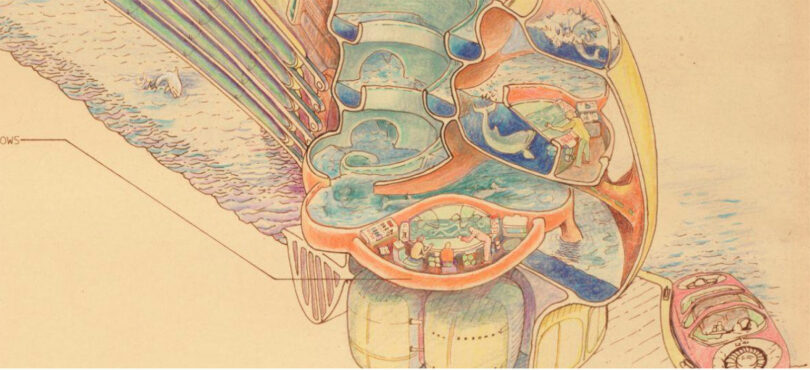
This intriguing dichotomy, where truth blurs with imaginative speculation, is central to his design philosophy. He cites the "Dolphin Embassy" by Ant Farm (American, est. 1968) as a prime example. This visionary 1974–1975 project, a hand-colored brownline illustration of a futuristic underwater home designed for human-dolphin communication, embodies the earnest, almost illogical application of both scientific principles and speculative imagination. Ant Farm, an influential experimental art and architecture collective of the 1960s and 70s, was renowned for its counter-cultural and often utopian architectural concepts, pushing boundaries through projects that merged art, technology, and social commentary. For Pelsinski, the Dolphin Embassy represents the essence of groundbreaking design: an imaginative leap grounded in a sincere belief in its underlying premise, regardless of its immediate practicality. This blend allows architects to dream beyond current capabilities, exploring concepts like biomimicry, sustainable habitats, and technologically advanced structures that redefine the human-environment interface. It encourages a design approach that questions assumptions and embraces the speculative, thereby fostering true innovation.
2. Natural/Unnatural: The Interplay of Human and Environment
Pelsinski’s second inspiration, "Natural/Unnatural," delves into the complex relationship between humanity and the natural world. Humans, he notes, exhibit a peculiar duality: a constant awareness of the world through scientific observation and artistic interpretation, coupled with an inexplicable obliviousness manifest in the indelible marks we leave upon it. This interaction, though often jarring, frequently yields a unique beauty, a contrasting state that is sometimes gentle, always dynamic.
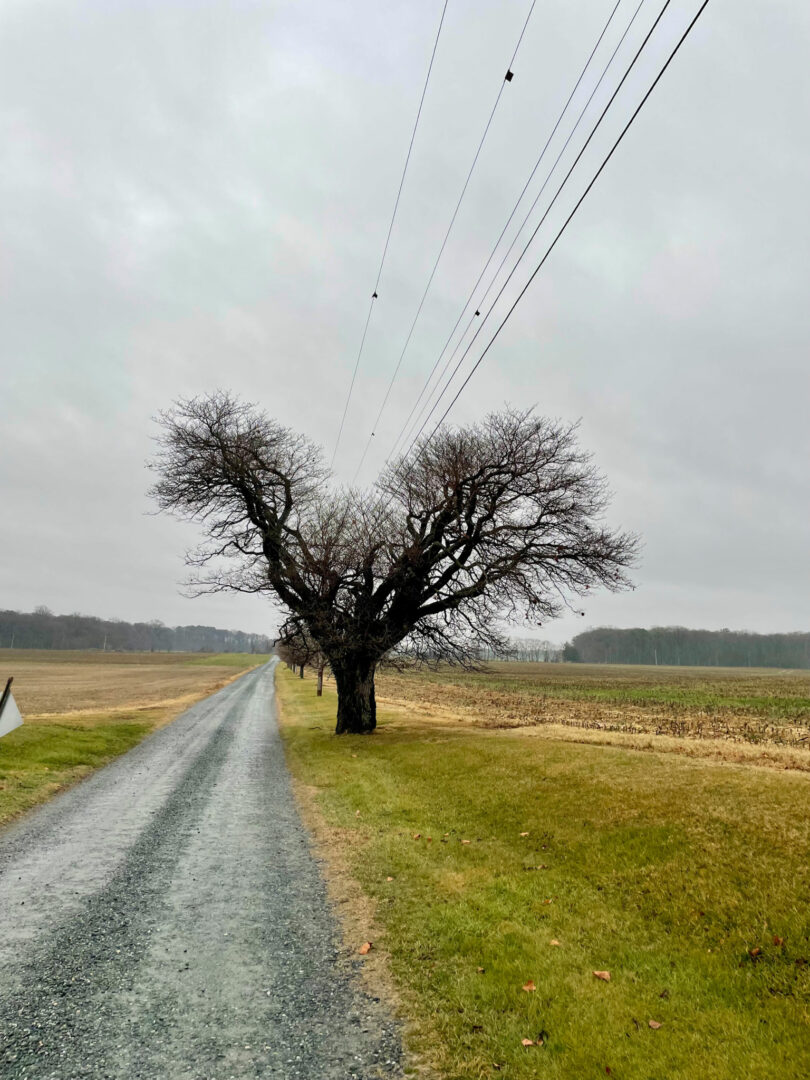
The image of an "Electric Tree Haircut" – a tree meticulously pruned to avoid power lines, captured by Pelsinski himself – starkly illustrates this tension. It’s a testament to human intervention in nature for practical purposes, yet it simultaneously creates an almost sculptural, unnatural form. This theme resonates deeply within contemporary architecture, particularly in the discourse around sustainable design, biophilic principles, and environmental stewardship. Architects grapple with integrating structures harmoniously into ecosystems, minimizing ecological footprints, and designing spaces that foster a connection to nature. Pelsinski’s perspective suggests that beauty can be found even in these moments of human-nature friction, urging designers to acknowledge and perhaps even celebrate this ongoing, often contradictory, dialogue. It compels a thoughtful engagement with site, context, and the long-term impact of design decisions, seeking a balance between human needs and ecological integrity.
3. Play: The Paradigm of Creative Exploration
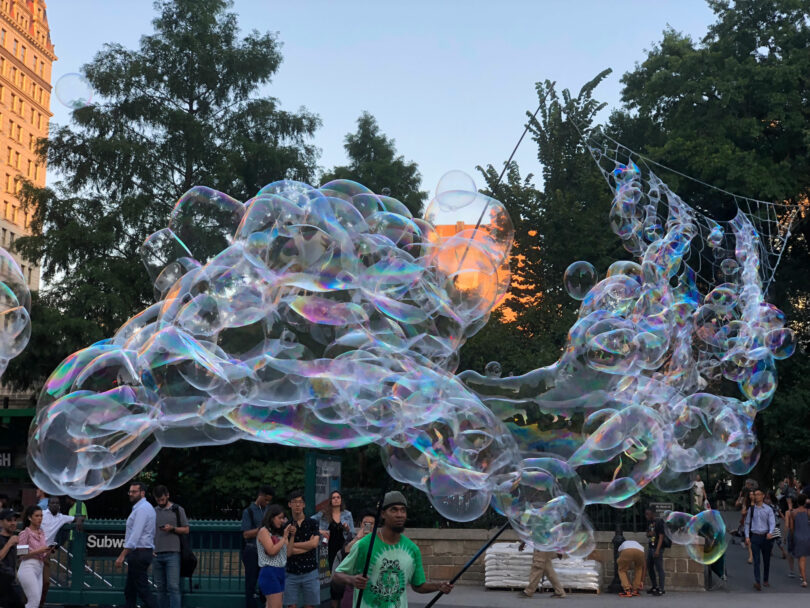
For Peter Pelsinski, "Play" is not merely an activity but a fundamental paradigm for creative endeavor. He posits that if an activity isn’t play, it risks becoming mere work, advocating for the former as a more potent catalyst for innovation. Play, in his view, signifies a lightness of spirit and an engagement in activities pursued for enjoyment rather than for "serious" or "practical" outcomes. This mindset, he believes, is crucial for fostering new connections and breakthroughs in design.
The image of a person creating giant soap bubbles in a bustling urban park, with onlookers captivated, encapsulates this ethos. It speaks to spontaneous joy, uninhibited experimentation, and the creation of something ephemeral yet beautiful. In architecture, embracing a playful approach can liberate designers from rigid conventions, encouraging experimentation with form, material, and spatial relationships. It allows for risk-taking, iterative prototyping, and the exploration of unconventional solutions that might otherwise be dismissed. This paradigm is not about trivializing the architectural process but about infusing it with curiosity, wonder, and a willingness to explore without immediate concern for practical constraints. It is a state of mind conducive to generating fresh ideas and forging innovative connections, ultimately leading to more dynamic and engaging architectural outcomes.
4. Shadows and Light: The Bedrock of Aesthetic Perception
Pelsinski delves into the profound aesthetic significance of "Shadows and Light," referencing Jun’ichirō Tanizaki’s seminal essay, "In Praise of Shadows." Tanizaki’s work explores the dilemma of light and darkness, positing it as a fundamental dichotomy between Eastern and Western aesthetic values. A.C. Grayling beautifully summarizes Tanizaki’s insights as "praise of all things delicate and nuanced, everything softened by shadows and the patina of age, anything understated and natural." This includes the subtle patterns of grain in old wood, the sound of rain dripping from eaves, or the refreshing moss around a stone lantern in a garden. Tanizaki, and by extension Pelsinski, argues for an attitude of appreciation and mindfulness, particularly mindfulness of beauty, as central to a well-lived life.
This message is profoundly relevant for designers. Light and shadow are not merely incidental effects but primary architectural elements that shape space, mood, and perception. The daily phenomena of the churning atmosphere—its modulation of light and wind—convey qualities that transcend mere beauty. They evoke admiration, awe, and even fear, striking the mind with feelings that Pelsinski describes as "sublime" and perhaps the "bedrock cornerstone in aesthetics." Architects like Tadao Ando and Le Corbusier have masterfully employed light and shadow to create sacred and contemplative spaces, demonstrating how the careful manipulation of illumination can imbue structures with profound emotional resonance. For SPAN Architecture, this means a meticulous consideration of how natural light enters a space, how shadows fall, and how these elements interact with materials to create a dynamic and evocative experience for the occupants. It is about crafting spaces that are not just visually appealing but deeply felt and understood.
5. Color: The Spectrum of Human Experience
Pelsinski’s final inspiration, "Color," is presented with a succinct yet poignant observation: "What to say. It is too bad humans can’t see more of the spectrum. But what we can see can be very beautiful." This statement, accompanied by an image of the vibrant aurora borealis, speaks to both the limitations and the immense potential of human color perception in design.

While human vision is restricted to a narrow band of the electromagnetic spectrum, the colors we can perceive possess immense power to evoke emotion, define space, and communicate meaning. In architecture, color is a critical tool, influencing the psychological impact of a room, defining spatial boundaries, and contributing to the overall aesthetic narrative of a building. From the subtle monochromatic palettes that evoke calm and sophistication to bold, vibrant hues that inject energy and personality, color choices are deliberate and impactful. Pelsinski’s appreciation for color, especially as seen in natural phenomena like the aurora, underscores a desire to harness its full expressive potential. It’s about understanding the cultural, psychological, and physiological effects of different colors and applying them thoughtfully to create environments that are not only functional but also deeply resonant and beautiful. Even within the confines of our visual limitations, the careful application of color can transform an ordinary space into an extraordinary experience.
SPAN Architecture: A Portfolio Reflecting Core Inspirations
The principles articulated by Peter Pelsinski are vividly brought to life in the diverse portfolio of SPAN Architecture. Each project showcases the firm’s dedication to innovative construction, collaborative design, and a profound engagement with aesthetic and experiential considerations.

The Bindery: A Study in Restraint and Geometry
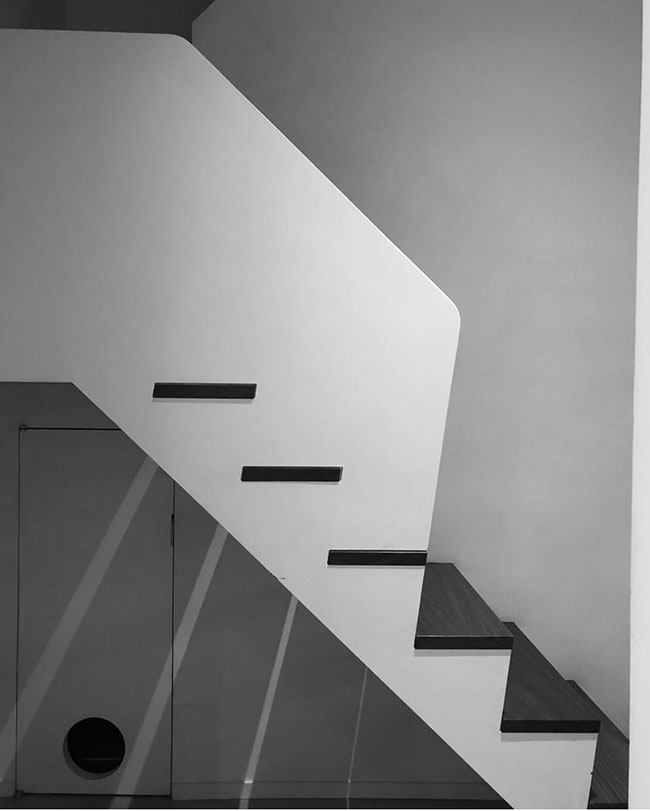
"The Bindery" exemplifies SPAN Architecture’s commitment to essential geometry and the interplay of light and shadow. A sculpted white stair volume, paired with floating black treads, distills architecture to its most fundamental elements. This project is a quiet study in shadow, light, and restraint, echoing Pelsinski’s emphasis on the nuanced beauty found in subtle illumination and simplified forms. The minimalist palette and clean lines create a sense of calm and order, allowing the natural light and the geometric purity of the structure to become the primary focal points, reminiscent of Tanizaki’s appreciation for understated elegance.
Riverview: Choreographing Views and Lifestyle
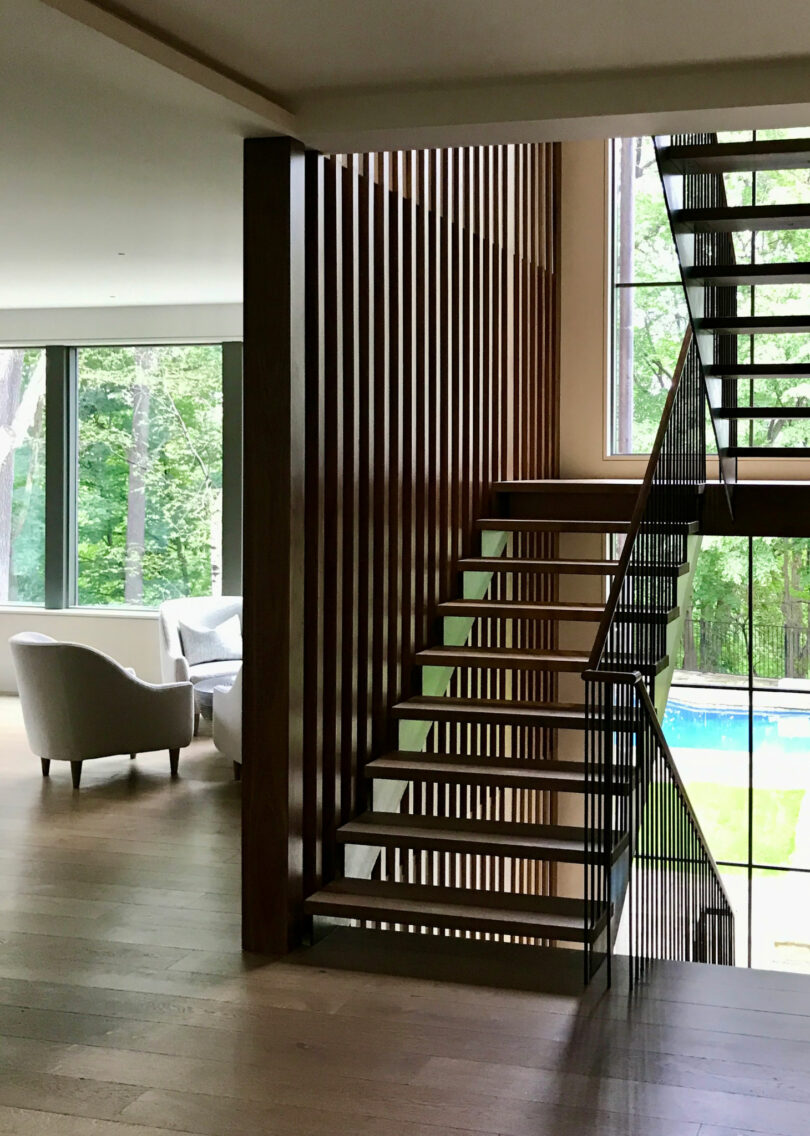
"Riverview" is a residential project that perfectly embodies the "Natural/Unnatural" theme, demonstrating how architecture can choreograph a deep dialogue with its environment. Dark walnut screens and open-tread steel stairs are meticulously designed to frame and direct views towards the surrounding landscape. This SPAN-designed residence, crafted around the life of a globally-traveled family, integrates indoor and outdoor spaces seamlessly. Large windows not only flood the interiors with light but also serve as living canvases, bringing the lush greenery and sparkling swimming pool into the daily experience of the occupants. The use of natural materials and strategic openings highlights a biophilic approach, ensuring that the architecture remains in constant conversation with its natural context while providing a sophisticated and comfortable home adapted to a modern lifestyle.
August Moon: A Biophilic Sanctuary
"August Moon" represents SPAN Architecture’s reimagining of a 200-acre waterfront property into a true biophilic sanctuary. Here, custom interiors are conceived to remain in constant dialogue with the surrounding forest and bay, fostering an immersive connection to nature. This project deeply resonates with the "Natural/Unnatural" theme, pushing beyond mere integration to create a habitat where human habitation and the ecosystem are intrinsically linked. The design prioritizes natural light, ventilation, and views, using materials and forms that blend rather than contrast with the environment. It’s a testament to the firm’s ability to create spaces that are not just aesthetically pleasing but also deeply restorative, promoting well-being through a harmonious relationship with the natural world.
Dichroic Sky: A Kinetic Art Experience
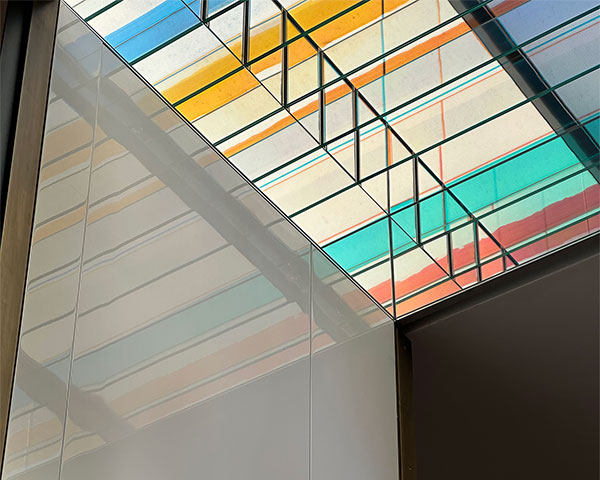
In "Dichroic Sky," SPAN Architecture explores the dynamic potential of materials and light, creating a "kinetic art experience" that touches upon Pelsinski’s inspirations of "Color" and "Shadows and Light," and perhaps even "Science/Science Fiction" through material innovation. A ceiling composed of dichroic glass panels shifts through a painterly spectrum as daylight moves across it. This ingenious application transforms an ordinary glance upward into a mesmerizing display of color and light, constantly changing throughout the day and with the seasons. The project demonstrates a playful and experimental approach to architectural surfaces, where the built environment itself becomes a dynamic art installation, captivating and engaging the senses through technological and material artistry.
L. Samaras Homage Bathroom: An Infinity Room Homage
"L. Samaras Homage Bathroom" is a striking example of SPAN Architecture’s playful and conceptually rich design. This fully mirrored bathroom, complete with polished chrome fixtures and suspended tube elements, creates an "Infinity Room-effect" in direct homage to Lucas Samaras’s legendary mirrored environments. Samaras, a Greek-born American artist, is celebrated for his experimental and often disorienting works, particularly his "Mirrored Rooms" that manipulate perception and create infinite reflections. SPAN Architecture’s tribute is a testament to the firm’s willingness to engage with art history and to create experiential spaces that challenge conventional perceptions. This project embodies the spirit of "Play" through its immersive, illusionary qualities, blurring the lines between art and architecture and inviting occupants into a visually captivating and almost fantastical realm.
Conclusion: A Legacy of Thoughtful Innovation
Peter Pelsinski’s journey from a childhood fascination with vehicles to co-founding SPAN Architecture is a compelling narrative of unexpected discovery and sustained passion. His firm’s work, deeply rooted in his "Friday Five" inspirations, consistently demonstrates a thoughtful, innovative, and often experimental approach to design. By integrating insights from science and science fiction, exploring the delicate balance between the natural and unnatural, embracing play as a core creative methodology, mastering the nuanced language of shadows and light, and celebrating the power of color, Pelsinski and SPAN Architecture continue to shape spaces that are not only functional and aesthetically refined but also conceptually rich and experientially profound. Their commitment to exploring new building techniques and construction details, coupled with a collaborative spirit, positions them as significant contributors to the evolving landscape of contemporary architecture, consistently pushing boundaries and redefining what built environments can achieve.







