Pranda Michaela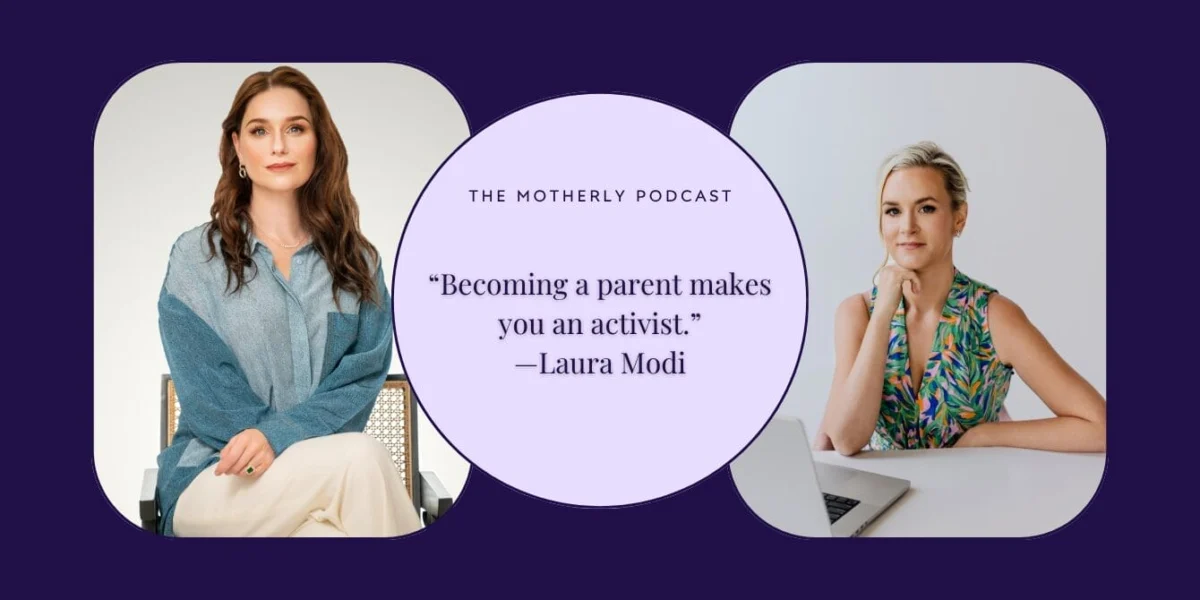
When Laura Modi’s first daughter arrived, she envisioned a seamless transition into motherhood, particularly regarding infant feeding. She expected an effortless flow of nourishment, a natural and uncomplicated process. However, her reality was starkly different. Standing in a brightly lit pharmacy aisle, waiting for a store associate to unlock a secured cabinet containing infant formula, Modi experienced a profound sense of failure. This moment, steeped in unexpected struggle and societal pressure, became the catalyst for a revolutionary entrepreneurial endeavor.

Modi, a former tech executive who had relocated from Ireland to the United States after her college years, found herself embarking on an intensive research journey. This deep dive into the world of infant nutrition and the existing market landscape eventually led her to found Bobbie, an infant formula company, in 2018. The company was built upon a foundational principle: that American parents deserve access to the same high-quality infant formula standards that are commonplace in Europe. Since its inception, Bobbie has not only become a prominent and trusted brand within the baby industry but has also successfully navigated the critical 2022 infant formula shortage and has made significant investments in domestic manufacturing to bolster supply chain reliability. All of this has occurred while Modi herself has expanded her family, welcoming three more children.

In a recent episode of The Motherly Podcast, Modi shared her inspiring story with host Liz Tenety. The conversation offered a compelling look into the multifaceted challenges of building a thriving company while simultaneously nurturing a growing family. Modi candidly discussed the need for more positive and less judgmental conversations surrounding formula feeding and reflected on the profound lessons she has learned about herself as a mother of four approaching her 40s.

The Genesis of Bobbie: A Personal Mission
Laura Modi’s journey into the infant formula industry was not a planned career pivot but rather a deeply personal response to a maternal crisis. Her initial experience with breastfeeding, which she had anticipated would be natural and uncomplicated, proved to be fraught with physical pain and emotional distress. The persistent mastitis, bleeding nipples, and fever she endured led her to the pharmacy, where the act of purchasing formula felt like a public admission of defeat.

"It was my first visceral feeling of, I am failing at being a mother. I am failing my child at nourishing them," Modi recounted on the podcast. "My body’s not doing what I’m told is natural. Why am I left with this deep disappointment in me, in society, in my body? It was a very visceral feeling of failure."

This feeling of inadequacy was compounded by a societal narrative that often idealized breastfeeding while implicitly shaming formula use. Modi observed a stark contrast between the readily available, yet often regulated, formula options in the U.S. and the perceived higher standards and wider variety available in Europe. This disparity fueled her determination to investigate further.

Bridging the Gap: European Standards Meet American Needs
Modi’s background in technology, particularly her experience at Google, equipped her with a problem-solving mindset and an understanding of how to scale complex operations. After leaving the pharmacy aisle with formula, she began a period of intense personal research, which she described as a "mini PhD." This self-directed study focused on the nutritional science behind infant formula, the regulatory landscape in different countries, and the cultural perceptions surrounding infant feeding.

"As an Irish woman, I became a mother in the U.S. to American babies. I had to mother in an American world. But I could draw comparisons," Modi explained. "My friends and cousins and sister back home had paid federal leave to choose how they wanted to feed their baby. They had choices on the shelf, and that formula came with global standards that were constantly evolving. Meanwhile, American moms wanted that so much they were packing suitcases full of powdered milk and shipping it into the country."

This stark contrast highlighted a significant disconnect. The U.S., often lauded for its innovation, lagged behind in providing equitable access to high-quality infant nutrition. Modi recognized that this was not just a product issue but a cultural one, deeply intertwined with societal expectations and policy shortcomings.

From Research to Reality: Founding Bobbie
The culmination of Modi’s research was a clear vision for a new kind of infant formula company. She envisioned a brand that not only offered superior nutrition but also championed a more supportive and joyful approach to feeding. This vision solidified into a concrete business plan, a thesis for what a new formula could be, and a commitment to challenging the status quo.

The decision to launch Bobbie was not immediate, but it gained momentum as Modi navigated her own journey of motherhood. The conception of Bobbie in 2018 coincided with her second pregnancy, a testament to her unwavering commitment to her mission. "I found something I was deeply obsessed with—what it meant to nourish my child and give them the best nutrition," she stated. "The thesis culminated to a place of confidence. And then I peed on a stick for the second time and found out I was pregnant again. I turned to my husband and said, ‘Let’s do this. Let’s start a formula company.’"

Navigating the Formula Shortage: A Test of Leadership
Bobbie’s growth trajectory was significantly impacted by the infant formula crisis of 2022. The widespread shortages, triggered by a recall at a major manufacturing plant and exacerbated by supply chain disruptions, created immense anxiety for parents across the nation. For Bobbie, a relatively young company, this presented both an unprecedented challenge and an opportunity to demonstrate its core values.

As CEO, Modi was faced with an agonizing decision: continue to onboard new customers, potentially straining their existing supply, or halt new customer acquisition to ensure existing subscribers were adequately served. "My head of growth came to me and said, ‘We have to turn off bringing in new customers or we could run out for existing subscribers.’ A lot of people in a fast-growth startup would take the bet," Modi recalled. "But I woke up the next morning as a mother and said, ‘I won’t take that risk.’ For the subscribers who took a bet on signing up for us, that was a promise. So we turned off accepting new customers for seven months. It was a motherly decision."

This decision, prioritizing existing customers and the promise made to them, underscored Modi’s commitment to parental well-being over aggressive expansion during a crisis. It also highlighted the company’s dedication to building a reliable domestic supply chain. Bobbie had already embarked on a two-year journey to purchase its own manufacturing facilities and make substantial investments in production capacity, a foresight that proved crucial during the shortage.

The Bobbie Product: Innovation and Transparency
Modi’s initial concerns in the formula aisle extended beyond the availability of products to the ingredients themselves. She was struck by the use of corn syrup as a primary carbohydrate in many formulas, a component she found questionable for infant nutrition.

"The first thing that scared me was that the ingredients weren’t things I would have fed myself. The second was that there was no education or anticipation that a carb like corn syrup might be the first thing you’re putting into your child," she explained. "Infant formula is designed to mirror breast milk—the same carbs, proteins, and fats. Most moms don’t realize that 50 percent of breast milk is sugar. We shouldn’t be scared of sugar, but we should be questioning what type of sugar a formula company is using."

Bobbie’s product development prioritized a clean-label approach, focusing on organic certifications, pesticide-free ingredients, and sourcing practices that align with European standards. The company aimed to create a formula that mirrored breast milk as closely as possible in nutritional composition while using high-quality, responsibly sourced ingredients. This commitment to transparency and nutritional excellence became a cornerstone of the Bobbie brand.

Motherhood as Activism: A Broader Vision
Modi’s entrepreneurial drive is deeply intertwined with her experience as a mother. She views parenthood not just as a personal journey but as a catalyst for civic engagement and advocacy. Her quote, "I didn’t get into this because I like making powdered milk. Becoming a parent makes you an activist," encapsulates this philosophy.

"When you become a parent, you’re born with a responsibility to better the world for your children—the nutrition opportunities, the society they’ll grow up in," she articulated. "That responsibility has you look at the status quo and see opportunities everywhere. I use the word opportunities because policies are broken, products are broken, the conversations are broken—and every single one of them is a beautiful opportunity to lean in and be an advocate to change it."

This activist spirit fuels Modi’s advocacy for critical issues such as paid family leave, improved maternal nutrition, and comprehensive policy reforms aimed at supporting parents in the United States. She believes that systemic change is necessary to create a more equitable and supportive environment for families.

Balancing Family and Career: Embracing Seasons of Life
The demands of running a rapidly growing company while raising four children are immense. Modi acknowledges that the pursuit of "having it all" often requires difficult trade-offs and a recalibration of expectations.

"This feeling of wanting to have it all also requires trade-offs—deep investments, acknowledging that there are different seasons in life, some where you’re drowning and it’s not sustainable, and that’s okay," she shared. "I had advisors who were very blunt with me about trying to find balance. They said if you want to have that level of impact, throw balance out the window. It’s not going to exist."

Modi emphasizes the importance of accepting these different "seasons" of life. She recognizes that there will be times when she cannot be present for every school event or appointment, and that’s a consequence of the choices she has made. This acceptance allows her to navigate the demanding periods with greater resilience, knowing that future seasons will offer a different balance.

Evolving the Conversation Around Formula Feeding
Modi is passionate about shifting the cultural narrative surrounding infant feeding. She believes that the conversation needs to move away from judgment and toward a celebration of the immense effort and love that goes into feeding a baby, regardless of the method.

"When you feed your baby—formula or breast milk—it’s one of the most all-consuming but beautiful moments of your first year of parenting," she stated. "So the conversation around feeding deserves way more attention and love and joy. It needs to move away from what feels like martyrdom and the feeding wars and into a position of pride and excitement, because you are doing one of the most magical things regardless of how you feed your child."

The success of Bobbie in fostering a more open and positive dialogue around formula feeding is evident in the brand’s engagement with its community. The fact that customers feel comfortable sharing their experiences, wearing Bobbie merchandise, and even getting the logo tattooed speaks volumes about the cultural shift Modi has helped to inspire. "To go from a place that was quite negative and stigmatized and controversial to now, where people are openly talking about it online, wearing Bobbie on a sweater, getting our logo tattooed on them—there is no greater joy than knowing the conversation has changed so dramatically that people want to wear it with pride," she remarked.

The Future of Bobbie and Beyond
Looking ahead, Modi remains focused on the core mission of Bobbie: to provide exceptional infant nutrition and to continue challenging industry standards. She envisions a future where Bobbie fundamentally changes cultural perceptions and government policies related to infant feeding.

"I want to keep being the obsessed formula company with every ounce of what we develop," she stated. "We are developing the hardest, most important product in the world. Choose another product that is more important than what it means to feed your baby the sole nutrition that gets them to where they are by year one. If we can continue doing that by changing nutritional standards, changing government policies, and feeding more babies and parents with peace of mind, we’ve done our job."

Modi also shared her perspective on the current generation of parents, noting their demand for transparency and proof of a brand’s commitment to its values. She observes a growing embrace of individuality and a rejection of rigid, binary classifications in motherhood.

Motherhood as a Superpower
When asked about the "superpowers" motherhood has bestowed upon her, Modi pointed to anticipation. "Anticipating needs. It’s important as a CEO in a fast-growing industry where you’re trying to forecast the market. But it’s also important as a mother of four—you’ve got to anticipate needs fast," she explained. This ability to foresee challenges and needs allows her to stay ahead, both in her business and in her family life, ensuring she is prepared for whatever comes next.

Laura Modi’s story is a powerful testament to the transformative impact of personal experience, entrepreneurial vision, and a deep commitment to maternal and infant well-being. From a moment of profound vulnerability in a pharmacy aisle, she has built a company that not only provides essential nutrition but also champions a more supportive and informed approach to modern parenthood. Her journey continues to inspire, demonstrating that one person’s challenge can indeed become the foundation for significant positive change.