Ali Ikhwan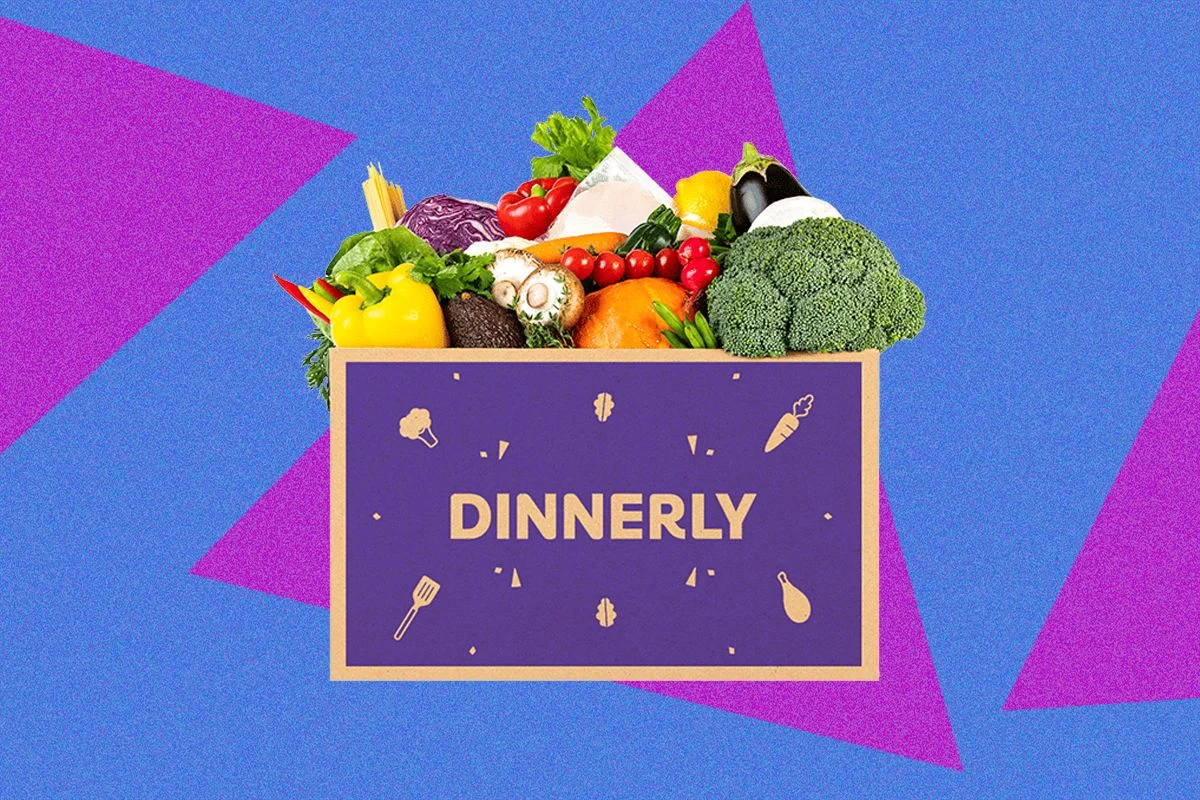
The meal kit industry, a sector that experienced unprecedented growth during the global pandemic, is currently undergoing a period of strategic refinement as providers seek to balance cost-efficiency with consumer demands for culinary variety. Dinnerly, the value-oriented subsidiary of the Berlin-based Marley Spoon AG, has recently implemented a series of menu enhancements designed to elevate the consumer experience without compromising its position as a low-cost alternative to premium services. By leveraging shared supply chains with its parent company while simplifying ingredient profiles and preparation steps, Dinnerly has transitioned from a basic utility service into a more sophisticated platform that emphasizes international flavors and nutritional balance.
Strategic Positioning and the Dinnerly Business Model
The core of Dinnerly’s market strategy lies in its ability to offer high-quality proteins—often identical to those found in Marley Spoon’s premium kits—at a significantly lower price point. This is achieved through a meticulous reduction in overhead and packaging complexity. Unlike premium kits that may include a dozen small plastic containers for individual sauces and garnishes, Dinnerly utilizes a "simplification" doctrine. Flavor profiles are built using a streamlined selection of ingredients: typically a single spice blend, a solitary main herb, or a dual-purpose citrus fruit where both the zest and juice are utilized to maximize impact.
Furthermore, Dinnerly’s economic model shifts a portion of the logistical burden to the consumer. By requiring subscribers to provide their own "pantry staples"—specifically garlic, butter, and oils—the company reduces shipping weight and simplifies the packing process. This approach also allows the company to focus its budget on core proteins and fresh produce. Recent market analysis suggests that this "pantry-first" model has allowed Dinnerly to maintain a price-per-serving that is often 30% to 50% lower than its competitors, even as food inflation has pressured the broader grocery sector.
Chronology of Menu Evolution: 2023 to 2024
A longitudinal assessment of Dinnerly’s offerings reveals a distinct shift in culinary philosophy between the 2023 and 2024 fiscal periods. In 2023, consumer feedback and market reviews indicated that the service occasionally relied too heavily on shortcuts, resulting in meals that lacked depth or felt incomplete—a phenomenon often described in the industry as "struggle meals." These recipes frequently prioritized speed and low cost over flavor complexity, sometimes leaving consumers with a sense of culinary stagnation.
However, throughout late 2023 and the first half of 2024, the service implemented a revitalized recipe development protocol. This shift was characterized by a move toward more "fully developed" meals that maintain a 30-minute preparation window while introducing more robust flavor profiles. The 2024 menu reflects a more intentional approach to recipe architecture, ensuring that even with fewer ingredients, the resulting dishes achieve a higher level of "kitchen-quality" satisfaction. This evolution aligns with broader trends in the subscription economy, where retention is increasingly driven by perceived value and variety rather than just the lowest possible price.
Data-Driven Expansion of International Flavors
One of the most significant metrics of Dinnerly’s transformation is the diversification of its recipe database. According to internal figures and observations of weekly menu rotations, the proportion of meals with non-European culinary roots has seen a dramatic increase.
- Year-over-Year Comparison: In early 2023, approximately 33% of the roughly 100 weekly meal options were categorized as having international or non-Western origins.
- Current Metrics: By mid-2024, that figure has risen to approximately 50%.
This expansion includes culinary excursions into African, Asian, Middle Eastern, and Latin American cuisines. Specific examples of this diversification include the introduction of baharat-spiced beef, lemongrass-infused pork, and harissa-spiced vegetable medleys. Carrie King, the Marketing Director for Marley Spoon, has attributed this shift in part to improvements in website and app design, which have made these diverse options more visible to the user. However, the raw data suggests a deeper commitment to variety, reflecting a consumer base that is increasingly adventurous and seeks global flavors as a "shortcut to a more interesting life," particularly for demographics that may not have the time or resources for extensive grocery shopping for specialized ingredients.
Operational Efficiency and the "Authenticity" Paradox
While Dinnerly has expanded its global reach, the service maintains a pragmatic approach to authenticity. The recipes are designed for accessibility and speed, often categorized as "touristic jaunts" rather than deep dives into traditional culinary techniques. For example, a Middle Eastern-inspired za’atar chicken may be paired with a "garlicky sour cream" drizzle—a simplified substitution for a traditional Lebanese toum, which requires a labor-intensive emulsion of garlic and oil.

This trade-off is a calculated component of the Dinnerly value proposition. By using familiar ingredients like sour cream to mimic the creaminess of more complex traditional sauces, the company ensures that the recipes remain approachable for novice cooks and can be completed within a standard weeknight timeframe. Nevertheless, the inclusion of spices like paprika, cumin, and za’atar provides a significant upgrade from the more repetitive "meat-and-potato" profiles that dominated the value-tier market in previous years.
Supporting Data: Time Management and Preparation Realities
A critical component of the meal kit promise is the reduction of "active" kitchen time. Dinnerly markets the majority of its recipes as requiring 30 minutes or less of preparation. However, operational analysis of specific recipes, such as the za’atar chicken and harissa-spiced vegetables, reveals a nuance in how "time" is defined in the meal kit space.
If a recipe requires 30 minutes of oven roasting, achieving a total "table-ready" time of under 30 minutes is mathematically impossible without overlapping tasks. Dinnerly addresses this by optimizing the "prep" phase—the time spent chopping, seasoning, and organizing—so that it occurs entirely during the oven preheating or early cooking stages. Data suggests that while the "total time" may occasionally exceed the 30-minute mark, the "active labor time" remains low, which is often the more critical metric for the target demographic of busy professionals and families.
Competitive Analysis and Market Implications
The evolution of Dinnerly occurs within a highly competitive landscape dominated by giants like HelloFresh and its budget subsidiary, EveryPlate. Dinnerly’s shift toward a more sophisticated menu is a clear attempt to differentiate itself from EveryPlate, which has historically focused on high-carb, calorie-dense meals to keep costs down.
Dinnerly’s recent strategy of reducing "carb-bulking"—the practice of filling out a meal with large portions of pasta, rice, or potatoes—in favor of more diverse vegetables and protein-forward dishes marks a significant pivot. This not only appeals to health-conscious consumers but also positions the brand as a "lifestyle" product rather than just a budget necessity.
Market Implications Include:
- Democratization of Flavor: By providing spice blends like baharat and harissa at a budget price point, Dinnerly is making international cuisine more accessible to a wider socio-economic demographic.
- Pressure on Premium Tiers: As value-tier kits improve in quality, premium services like Marley Spoon or Blue Apron must further innovate to justify their higher price points.
- Supply Chain Optimization: The success of the "pantry-staple" model may lead other providers to adopt similar strategies to combat rising shipping and packaging costs.
Broader Impact and Future Outlook
The strategic shifts observed in Dinnerly’s 2024 operations reflect a maturing meal kit market. No longer content with merely providing convenience, services are now competing on the basis of culinary discovery. The success of the "simplified yet sophisticated" model suggests that consumers are willing to provide their own basic ingredients if it means access to more interesting and high-quality meals.
As Marley Spoon AG continues to navigate the post-pandemic economic environment, the performance of Dinnerly will be a key indicator of the company’s overall health. By successfully bridging the gap between "budget" and "bistro," Dinnerly is redefining the expectations for value-tier food subscriptions. The focus on citrus zest over pre-made sauces and spice blends over complex reductions represents a clever, technique-driven approach to cost-saving that ultimately empowers the home cook.
In conclusion, Dinnerly’s trajectory from 2023 to 2024 demonstrates that a low-cost model does not necessarily require a low-quality experience. Through data-driven menu expansion, strategic ingredient simplification, and a focus on global culinary trends, the service has solidified its place in the market as a formidable competitor that offers both economic and epicurean value. As the industry moves forward, the balance between "30-minute" convenience and "international" complexity will likely remain the primary battleground for consumer loyalty.