
 Ali Ikhwan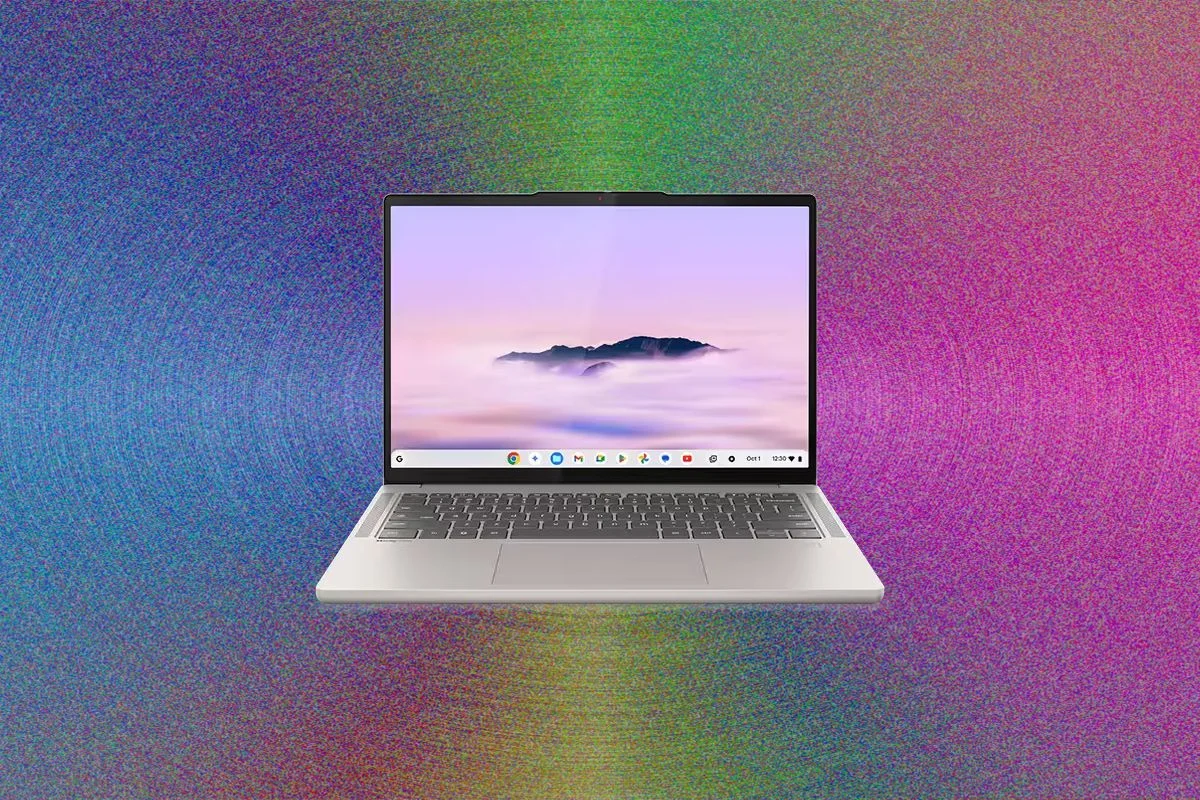
The landscape of personal computing in 2026 has reached a significant inflection point, characterized by a clear division between high-performance workstations and highly efficient, cloud-integrated portables. Within this ecosystem, the Chromebook continues to occupy a vital strategic position, particularly for users operating within a sub-$500 budget. While the broader market has seen the introduction of entry-level competitors such as the Apple MacBook Neo and the Dell 14 Plus, Google’s ChromeOS platform remains the primary recommendation for cost-conscious consumers, students, and enterprise fleets requiring reliable, low-maintenance hardware.
The Economic Threshold: The Sub-$500 Advantage
In the current fiscal year, market analysis suggests that the $500 price point remains the "red line" for laptop value. Below this mark, Windows-based laptops frequently suffer from hardware compromises, including subpar build quality, limited RAM, and inefficient processors that struggle with the overhead of a heavy operating system. In contrast, the lightweight architecture of ChromeOS allows manufacturers to allocate resources toward better physical components.
For consumers seeking a primary device in 2026, the choice between an "ancient" or refurbished Windows machine and a modern Chromebook is increasingly weighted toward the latter. The stability of the platform, coupled with the absence of legacy software bloat, ensures that even budget-tier hardware maintains consistent performance over a multi-year lifecycle.
The ARM Revolution and the Rise of High-Performance Chrome Hardware
The most significant technical shift in the 2026 Chromebook market is the successful transition to high-efficiency ARM-based processors. For years, Chromebooks trailed behind their Windows and macOS counterparts in terms of raw power and battery longevity. However, the introduction of specialized silicon, such as the MediaTek Kompanio Ultra 910, has effectively closed this performance gap.
The Lenovo Chromebook Plus 14: A New Benchmark
The Lenovo Chromebook Plus 14 represents the pinnacle of current ChromeOS hardware design. Evoking the industrial design language of the original 2017 Pixelbook, this device signals a renewed commitment to premium build quality within the ecosystem. Priced at a retail standard of $749—though frequently discounted to $649—it challenges the entry-level MacBook Neo on several key metrics.
Technically, the Lenovo model offers 16 GB of RAM and 256 GB of storage. In comparison, the competing $699 MacBook Neo typically ships with only 8 GB of RAM, a limitation that increasingly hampers multitasking in 2026’s web-heavy environment. The inclusion of the MediaTek ARM processor allows the Lenovo Chromebook Plus 14 to achieve battery life figures that rival or exceed competitive ultrabooks, marking a return to the platform’s original promise of "all-day" endurance.

The Acer Chromebook Plus Spin 514: Versatility and Premium Displays
Closely trailing Lenovo is the Acer Chromebook Plus Spin 514. This 2-in-1 device utilizes the same MediaTek Kompanio Ultra 910 processor but differentiates itself through its form factor. Featuring a 360-degree hinge and a high-resolution touchscreen, the Spin 514 targets users who require tablet-mode functionality for media consumption or creative workflows.
While the Spin 514 has faced some supply chain fluctuations regarding its ultra-high-resolution display variants, the standard models continue to offer superior brightness and color accuracy compared to budget alternatives. Additionally, the inclusion of an extra USB-A port provides a level of legacy connectivity that is becoming increasingly rare in the 14-inch laptop segment.
The "Chromebook Plus" Initiative: Establishing a Performance Baseline
To combat the historical perception of Chromebooks as "low-end" devices, Google and its hardware partners launched the "Chromebook Plus" designation in late 2023. By 2026, this branding has become the industry standard for identifying reliable hardware. To qualify for the "Plus" moniker, a device must meet or exceed specific hardware requirements:
- Processor: Minimum Intel Core i3 (12th Gen or newer) or AMD Ryzen 3 7000 series.
- RAM: 8 GB or higher.
- Storage: 128 GB or higher (SSD or NVMe preferred).
- Webcam: 1080p+ with temporal noise reduction.
- Display: Full HD (1080p) IPS panel as a minimum.
This initiative has successfully created a "floor" for performance, ensuring that any device carrying the branding can handle modern web applications, light video editing, and AI-driven tasks without significant latency.
Chronology of ChromeOS Evolution (2017–2026)
- 2017: Google releases the Pixelbook, establishing the potential for high-end ChromeOS hardware.
- 2021: Google announces a landmark update policy, guaranteeing 10 years of automatic security and feature updates for all devices released from 2021 onward.
- 2023: The "Chromebook Plus" category is launched to standardize hardware tiers and improve consumer confidence.
- 2024–2025: Rapid integration of Google Gemini and AI-assisted productivity tools into the core OS.
- 2026: Widespread adoption of high-performance ARM processors (MediaTek/Qualcomm) and the rumored emergence of "Aluminium OS."
Strategic Market Analysis: The Budget Sector
For users with budgets strictly under $400, the market presents more significant compromises, yet several models stand out as viable options.
The Acer Chromebook Plus 516
Often retailing for approximately $350, the Acer 516 is a 16-inch "large format" Chromebook. While its screen—a 1920 x 1200 panel stretched across a 16-inch diagonal—suffers from lower pixel density and less-than-ideal color reproduction, it compensates with an Intel Core i3 processor and a surprisingly high-quality glass-feel touchpad. It serves as a primary example of "functional compromise," prioritizing input quality and performance over display aesthetics.
The Asus CX Series (CX14 and CX15)
At the extreme low end of the market, the Asus CX14 and CX15 occupy the sub-$200 niche. These are non-Plus models, often utilizing lower-powered processors and limited RAM (4 GB to 8 GB). While these devices are not recommended for heavy multitasking, their modern chassis design and thin bezels represent a significant aesthetic improvement over the ruggedized, "educational" designs of the previous decade.

AI Integration and the Google Ecosystem
In 2026, the value proposition of a Chromebook is inextricably linked to Google’s AI suite. New Chromebook Plus purchases currently include a 12-month subscription to Google AI Pro, granting users access to Gemini Advanced, NotebookLM, and 2 TB of cloud storage.
These tools are no longer merely experimental; they are deeply integrated into the operating system, providing system-wide writing assistance, AI-powered video call enhancement, and local file organization. This software-hardware synergy allows Chromebooks to punch above their weight class in productivity tasks that would typically require more expensive local hardware on other platforms.
Future Outlook: The Transition to "Aluminium OS"
Industry insiders and leaked internal documentation suggest that Google is preparing for the most significant software shift in its history: the transition from ChromeOS to a new platform internally referred to as "Aluminium OS."
The strategic objective of Aluminium OS is the total convergence of ChromeOS and Android. By rebuilding the desktop environment on an Android-based kernel, Google aims to resolve the long-standing "app gap" that has plagued Chromebooks. While ChromeOS currently supports Android apps through a virtualized container, Aluminium OS would treat Android applications as native, offering a unified experience that could directly challenge the iPad Pro and the MacBook Neo.
Conclusion: The Case for ChromeOS in 2026
The Chromebook market in 2026 is defined by a newfound maturity. The days of "disposable" plastic laptops with four-year lifespans have been replaced by a tiered ecosystem of hardware that offers guaranteed longevity through a 10-year update cycle.
For the professional requiring a secondary travel device, or the student needing a durable productivity tool, the current generation of Chromebook Plus devices offers a compelling alternative to traditional operating systems. While limitations remain—specifically regarding high-end creative software like the full Adobe Creative Cloud or native gaming—the vast majority of modern computing occurs within the browser. In this domain, the efficiency, security, and cost-effectiveness of the Chromebook remain unmatched. As Google nears the launch of its next-generation operating system, the hardware currently on shelves represents the most refined version of the cloud-first vision to date.







