 Cintya Tara Annisa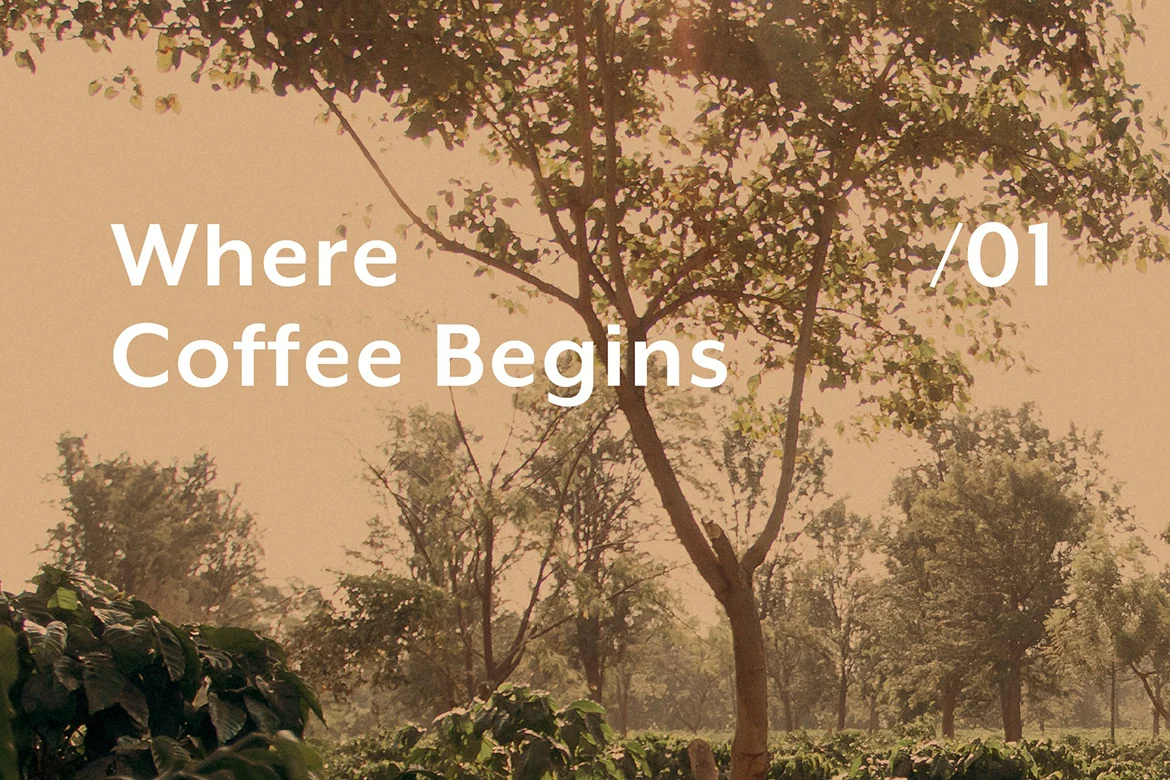
The journey from a fragile coffee cherry on a remote hillside to the complex, aromatic liquid served in a porcelain cup is one of the most intricate supply chains in global agriculture. Coffee is not merely a commodity; it is a biological, chemical, and cultural phenomenon that has defined the rhythm of societies for centuries. Despite its ubiquity, the granular details of how coffee achieves its distinct sensory profile remain shrouded in mystery for the average consumer. To bridge this knowledge gap, Accademia del Caffe Espresso—the educational arm and museum operated by the legendary Italian espresso machine manufacturer La Marzocco—has launched a comprehensive digital initiative titled Coffee Facts.
This educational series represents a distillation of nearly a century of institutional knowledge accumulated by La Marzocco, a company that has been at the vanguard of espresso technology since its founding in Florence in 1927. By breaking down the coffee experience into 16 distinct topics across four structured chapters, the Accademia aims to formalize the discourse around coffee, moving beyond superficial appreciation into the realm of technical understanding.
The Anatomy of the Coffee Lifecycle: A Four-Chapter Framework
The curriculum designed by the Accademia is structured to mirror the physical journey of the product, starting with the foundational biology of the plant and culminating in the mastery of the final brew. The program is categorized into four thematic pillars: Understanding Coffee, From Farm to Bean, Brewing Better Espresso, and Understanding the Cup.
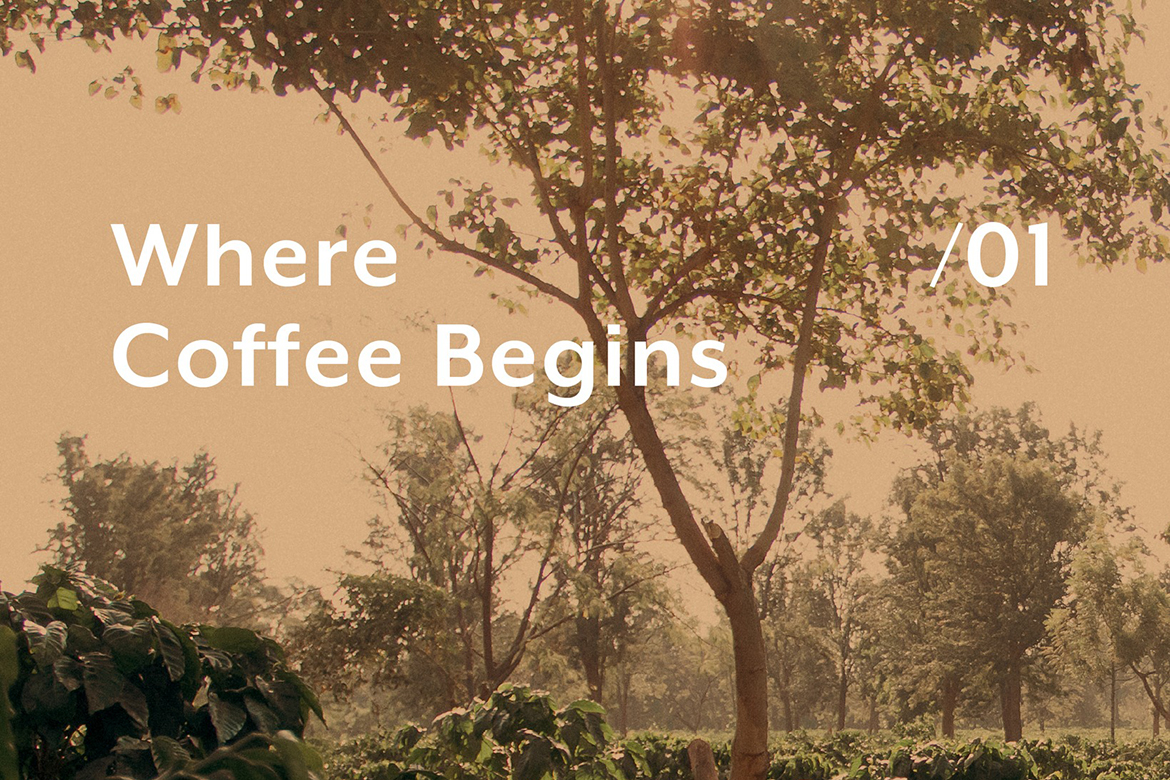
The first chapter, already live, establishes the environmental and genetic parameters that dictate quality. It focuses heavily on the “Coffee Belt”—the equatorial region between the Tropics of Cancer and Capricorn where the climate is optimal for Coffea cultivation. The curriculum delves into the divergence between the two primary commercial species: Coffea arabica and Coffea canephora (commonly known as Robusta). While Arabica is prized for its higher acidity, complex sugar profiles, and floral aromatics, Robusta is noted for its hardiness, disease resistance, and higher caffeine content.
The educational content examines how factors such as altitude—often ranging from 600 to 2,200 meters above sea level—create the microclimates necessary for slower maturation, which in turn leads to higher density and more complex flavor precursors in the bean. The inclusion of specialized modules on varieties like Gesha, which has become a hallmark of luxury coffee due to its extreme scarcity and distinct jasmine-like profile, underscores the Accademia’s intent to provide high-level technical insights to the public.
Historical Context and Institutional Expertise
La Marzocco’s decision to spearhead this initiative from its Florence headquarters is significant. The company’s history is inextricably linked to the evolution of the modern espresso machine, having patented the horizontal boiler in 1939—a design that remains the industry standard. By utilizing the Accademia del Caffe Espresso, which is housed in a renovated historic factory in the hills of Tuscany, the organization is positioning itself not just as a hardware manufacturer, but as a curator of coffee culture.
The necessity for such education is supported by shifting market trends. Over the past two decades, the "Third Wave" of coffee has shifted consumer focus from convenience to provenance. Data from the Specialty Coffee Association (SCA) indicates that the specialty segment now commands a significant share of the global coffee market, driven by consumers who are increasingly literate regarding origin, processing methods—such as washed, natural, or honey processing—and the science of extraction.
Scientific and Economic Implications
The technical rigor of the Coffee Facts series addresses critical variables that influence the global coffee economy. For instance, the discussion of soil composition and cultivation methods directly relates to the ongoing challenge of climate change, which threatens to reduce suitable coffee-growing land by up to 50% by 2050. By educating the public on how these environmental factors impact the final product, Accademia is fostering a more sophisticated consumer base capable of valuing sustainable agricultural practices.
Furthermore, the brewing modules are expected to address the physics of fluid dynamics in espresso extraction. Parameters such as grind size, water chemistry, pressure profiles, and extraction time are the variables that determine the solubility of solids in the coffee bed. When these are correctly balanced, the result is a balanced beverage; when mismanaged, the resulting cup can be unpleasantly bitter or sour. By providing this information, the Accademia is standardizing the language of quality control for baristas and enthusiasts alike.
Strategic Rollout and Digital Integration
The dissemination of these 16 topics is designed to be accessible yet authoritative, utilizing modern digital storytelling tools. By leveraging their Instagram platform and dedicated website, Accademia is adopting a multi-channel approach to ensure that the content reaches both home brewers and professional technicians. The teaser videos currently circulating demonstrate a high-production-value aesthetic, signaling that the organization views this as a flagship project for its brand identity.
Industry analysts observe that this initiative serves a dual purpose: it strengthens the brand equity of La Marzocco while providing a valuable service to the global coffee community. As the coffee industry becomes increasingly crowded with boutique roasters and competing technologies, the ability to define the "gold standard" of espresso through education becomes a competitive advantage.

Looking Ahead: The Future of Coffee Education
As the subsequent chapters of Coffee Facts are released in the coming weeks, the industry will be watching to see how the Accademia navigates the complexities of modern brewing technology and its intersection with traditional farming practices. The transition from "Understanding Coffee" to "Brewing Better Espresso" suggests a trajectory that acknowledges the interdependence of the supply chain. A well-cultivated, high-quality bean is rendered useless if the brewing process fails to extract its potential, and conversely, the most advanced espresso machine cannot compensate for a poorly grown or improperly processed crop.
The Accademia’s project is a reflection of a broader movement toward radical transparency in the coffee industry. Consumers are no longer satisfied with knowing the roast date; they are demanding to know the farm elevation, the fermentation duration, and the genetic variety of their cup. By providing a structured, fact-based curriculum, Accademia del Caffe Espresso is ensuring that the industry’s narrative is grounded in objective, repeatable science rather than marketing hyperbole.
As the program progresses, the inclusion of topics such as "Understanding the Cup" will likely address the nuances of sensory analysis—a vital skill for anyone involved in the professional coffee trade. Developing the palate to identify specific attributes like acidity, body, and sweetness is the final frontier in coffee education, transforming the act of drinking into an act of evaluation.
In conclusion, the launch of Coffee Facts is a timely development in the specialty coffee landscape. It consolidates a century of expertise into a digestible format that empowers the individual to understand the vast, intricate network of humans and machines required to produce a single beverage. For those looking to deepen their engagement with coffee, the Accademia’s series offers a roadmap that is as rigorous as it is enlightening, setting a new benchmark for corporate-led education in the food and beverage sector. As the series continues to unfold, it will undoubtedly serve as a critical reference point for professionals and enthusiasts, reinforcing the idea that the more one learns about coffee, the more there is to appreciate in every drop.