Clara Fransiska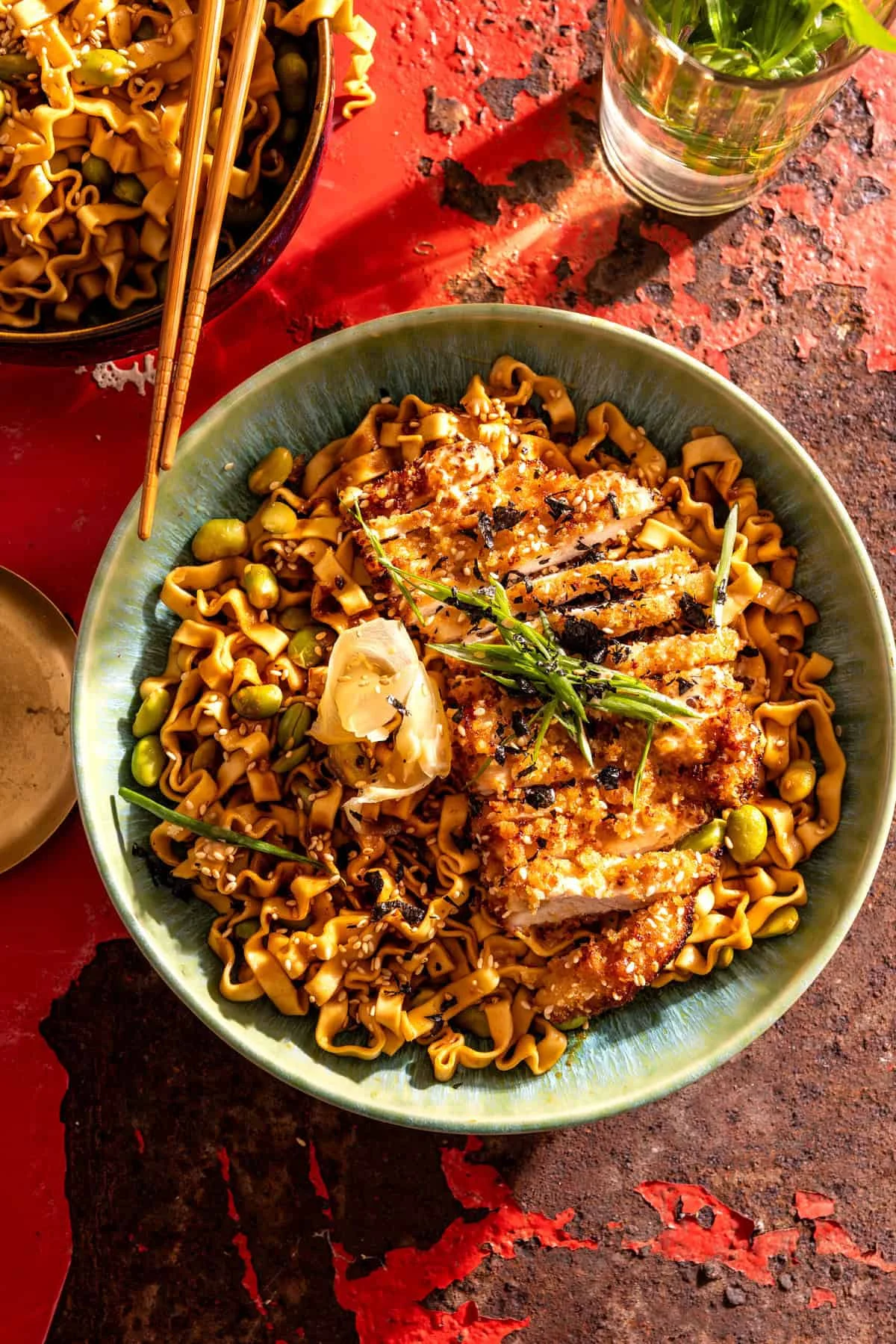
The culinary landscape of weeknight dinners is constantly evolving, with home cooks seeking dishes that are both deeply satisfying and remarkably efficient to prepare. Among the rising stars in this arena is the Crispy Chicken Katsu Noodle Bowl, a vibrant and flavorful meal that has garnered significant attention for its harmonious blend of textures and tastes. This dish, which features golden, pan-fried chicken katsu served atop saucy rice noodles, accompanied by crisp edamame and a creamy, spicy-sweet mayonnaise, represents a modern approach to comfort food that appeals to a wide demographic.
The appeal of the Katsu Noodle Bowl lies in its ability to deliver a complex flavor profile with relative ease. The foundation of the dish is the chicken katsu, a Japanese cutlet typically made with thinly pounded chicken breast or thigh, coated in panko breadcrumbs and deep-fried to a perfect crisp. This process, while seemingly straightforward, requires careful attention to temperature and timing to achieve the signature crunchy exterior without overcooking the tender meat. The use of panko, a Japanese breadcrumb, is crucial for its light, airy texture, which results in a more delicate and shatteringly crisp coating compared to traditional Western breadcrumbs.
Complementing the crispy chicken are the saucy rice noodles. The article highlights a method of preparing these noodles in the same pan used for frying the chicken, a technique that not only simplifies cleanup but also infuses the noodles with the rich, savory notes left behind from the katsu. The sauce itself is described as a blend of soy sauce, Japanese barbecue sauce, honey, and fresh ginger, creating a balanced sweet and salty profile that clings beautifully to the noodles. The inclusion of fried edamame adds a pop of color, a satisfying chew, and a dose of plant-based protein, further enhancing the bowl’s nutritional and textural complexity.
The finishing touch, a spicy-sweet creamy mayo, elevates the entire dish. This condiment, typically a mixture of mayonnaise, sriracha or another chili sauce, and a touch of sweetness, provides a cooling counterpoint to the savory elements and a hint of heat that awakens the palate. The combination of crispy, tender chicken, slurpable noodles, savory sauce, fresh vegetables, and creamy, spicy mayo creates a multi-sensory experience that has led to its popularity.
Origins and Evolution of Katsu Dishes
Chicken katsu itself has a rich history rooted in Japanese cuisine. While the exact origin is debated, it is widely believed to have emerged in the late 19th or early 20th century during the Meiji era, a period of significant Western influence on Japanese culture. The concept of "katsu" (cutlet) is thought to be inspired by Western dishes like Wiener schnitzel and tonkatsu (pork cutlet), adapted with Japanese ingredients and techniques. Initially, tonkatsu was more prevalent, but chicken katsu gained traction due to its lighter flavor and wider appeal.

The adaptation of katsu into noodle bowls is a more contemporary development, reflecting a global trend in fusion cuisine. As Asian flavors and ingredients have become more accessible and popular worldwide, chefs and home cooks have experimented with incorporating traditional dishes into new formats. The noodle bowl, a versatile and universally loved meal format, provides an ideal canvas for showcasing the distinctive elements of katsu. This evolution mirrors the broader culinary trend of deconstructing and reimagining classic dishes to suit modern palates and lifestyles.
The Weeknight Dinner Imperative
The success of the Crispy Chicken Katsu Noodle Bowl can also be attributed to the growing demand for convenient yet high-quality weeknight meals. In today’s fast-paced society, many individuals and families find themselves with limited time for meal preparation during the week. Dishes that can be assembled quickly, utilize readily available ingredients, and offer a sense of indulgence without requiring hours in the kitchen are highly sought after.
Data from market research firms consistently shows a significant consumer interest in convenient meal solutions. Reports indicate that the global meal kit delivery market, for example, continues to grow, driven by the desire for pre-portioned ingredients and simplified recipes. Similarly, the popularity of recipes that emphasize one-pan cooking or minimal steps points to a strong preference for efficiency in the kitchen. The Katsu Noodle Bowl, with its emphasis on quick preparation and flavorful results, directly addresses this need. Its adaptability also plays a role; the recipe allows for flexibility with vegetables and spice levels, catering to diverse dietary preferences and ingredient availability.
Building the Perfect Bowl: A Culinary Breakdown
The construction of a Crispy Chicken Katsu Noodle Bowl involves a series of deliberate steps, each contributing to the final harmonious dish.
-
Sauce Preparation: The initial step involves crafting the flavorful sauce that will serve as the backbone of the noodle component. This typically includes a base of soy sauce for umami, Japanese barbecue sauce (like Yakitori sauce or Tonkatsu sauce) for its sweet and savory depth, a touch of honey or sugar for sweetness, and freshly grated ginger for a pungent, aromatic kick. A portion of this sauce is often used to lightly marinate the chicken, allowing the flavors to penetrate the meat before cooking. The remaining sauce is reserved to coat the noodles, ensuring every strand is imbued with its delicious character.

-
Chicken Katsu: The star of the show, the chicken katsu, requires careful preparation. Chicken cutlets, pounded to an even thickness, are typically dredged in flour, then dipped in beaten egg, and finally coated generously in panko breadcrumbs. The panko is pressed firmly onto the chicken to ensure maximum adhesion and create that signature crispiness. The cooking method is usually pan-frying in a generous amount of oil over medium heat. Achieving a deep golden-brown color on both sides is crucial for both visual appeal and optimal texture. Once cooked, the chicken is often allowed to rest briefly before being sliced into manageable strips, making it easier to eat within the bowl.
-
Noodle and Edamame Integration: The versatility of this dish shines in the noodle preparation. Utilizing the same pan where the chicken was fried allows for the capture of residual flavors, enhancing the overall taste profile. Edamame, a popular choice for its vibrant green color and satisfying texture, is often sautéed briefly to warm through. Rice noodles, such as udon or soba, are then added to the pan along with the reserved sauce. The mixture is tossed until the noodles are well-coated and glossy, absorbing the savory sauce. This quick cooking process ensures the noodles retain a pleasant chewiness.
-
Spicy Mayo Creation: The condiment component, a spicy mayo, is essential for balancing the richness and heat of the dish. A simple yet effective combination involves whisking mayonnaise with a chili sauce, such as sriracha, and a sweetener like honey or a dash of sugar. This creates a creamy, slightly tangy, and subtly spicy sauce that cuts through the savory elements and adds a delightful finish.
-
Assembly and Garnish: The final stage is the artful assembly of the bowl. The saucy noodles form the base, followed by the sliced crispy chicken katsu. Garnishes play a vital role in both visual appeal and flavor complexity. Common additions include thinly sliced green onions for freshness, pickled ginger for a palate-cleansing tang, and crumbled nori (seaweed) for an additional layer of umami. A generous drizzle of the spicy mayo completes the presentation, inviting diners to enjoy the diverse textures and flavors in each bite.
Analysis of Culinary Impact
The widespread adoption of the Crispy Chicken Katsu Noodle Bowl signifies a broader shift in home cooking. It demonstrates a growing appreciation for international flavors, particularly those from East Asia, and a willingness to incorporate them into everyday meals. The dish’s success can be analyzed through several lenses:
- Accessibility and Adaptability: The recipe’s relatively straightforward steps and the availability of key ingredients in most supermarkets make it accessible to a broad audience. Furthermore, its inherent flexibility allows for customization, accommodating various dietary needs and preferences.
- Sensory Appeal: The dish is a masterclass in contrasting textures and flavors – the crunch of the katsu, the chew of the noodles, the creaminess of the mayo, and the balance of sweet, salty, and spicy notes. This multi-sensory engagement is a significant driver of its popularity.
- Efficiency and Value: In an era where time is a precious commodity, recipes that deliver maximum flavor and satisfaction with minimal effort are highly prized. The Katsu Noodle Bowl fits this criterion perfectly, offering a restaurant-quality meal that can be prepared within approximately 40 minutes, as indicated by the recipe’s estimated preparation and cook times.
- Cultural Exchange: The dish is a testament to the ongoing globalization of food. It represents a successful fusion of Japanese culinary traditions with Western cooking techniques and popular meal formats, highlighting how culinary boundaries are increasingly blurred.
The enduring appeal of the Crispy Chicken Katsu Noodle Bowl is likely to continue as home cooks seek out delicious, efficient, and globally inspired meal options. Its ability to satisfy cravings for comfort food while remaining approachable for weeknight preparation solidifies its place as a contemporary culinary favorite.