 Indra Kusuma
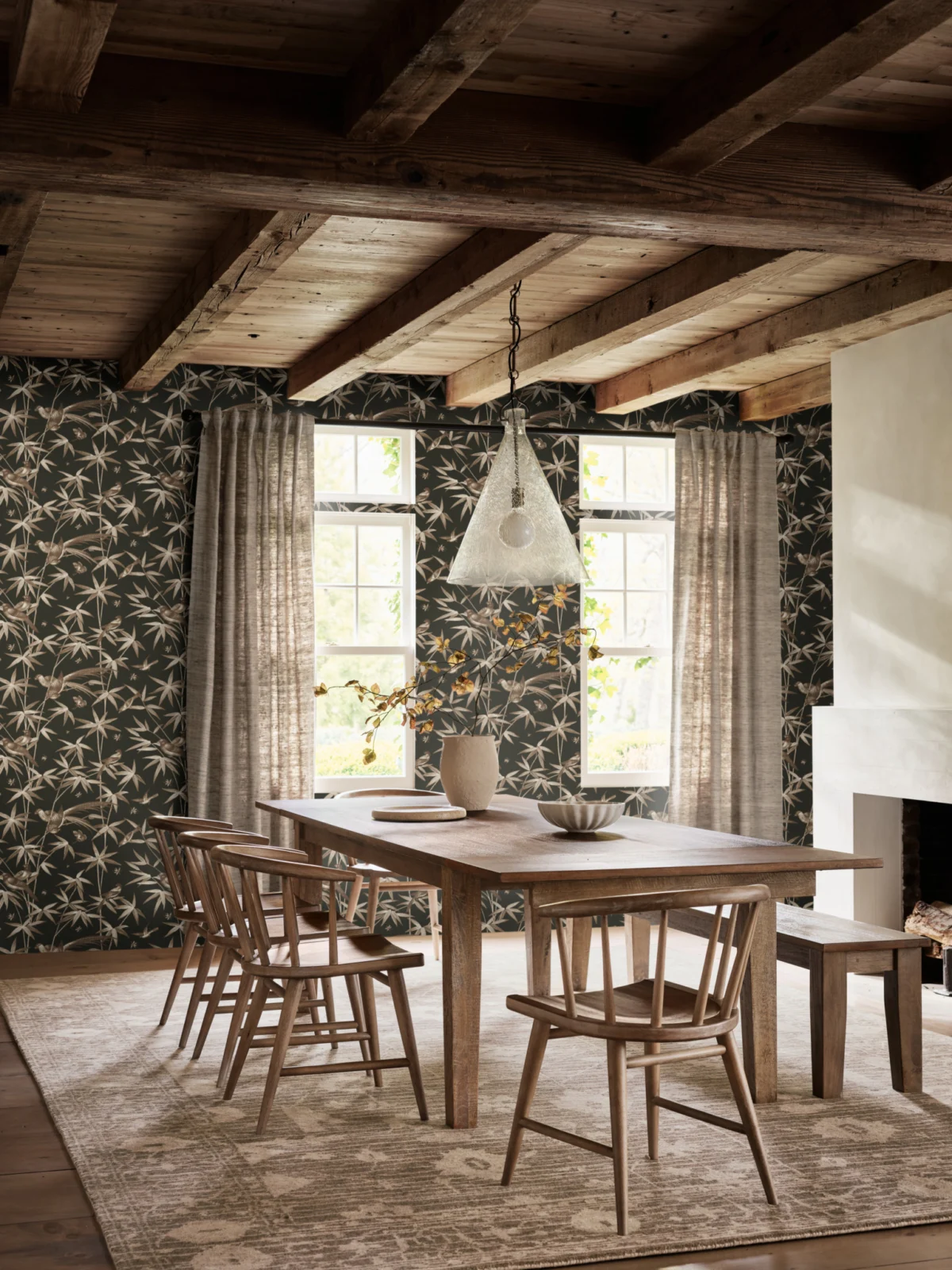
The interior design landscape is undergoing a significant aesthetic pivot, marking a departure from the minimalist, monochromatic palettes that dominated residential decor for much of the previous decade. As consumer preferences shift toward personalization and maximalist expression, Crate and Barrel—a pillar of contemporary home furnishings—has officially signaled its entry into the wallpaper market. This move represents a strategic diversification for the brand, which now extends its design language to wallcoverings available across the Crate and Barrel, Crate and Barrel Kids, and CB2 banners. By partnering with York Wallcoverings, the oldest and largest wallpaper manufacturer in the United States, the retailer is positioning itself to capture a larger share of the home improvement and interior renovation sector.
The Evolution of Residential Interior Trends
For nearly ten years, the "millennial gray" and stark white-walled aesthetic defined the North American residential market. Driven by the rise of open-concept living and the need for versatility in smaller urban spaces, these neutral tones served as a safe, scalable standard for mass-market retailers. However, market analysis suggests that post-pandemic interior design trends have shifted toward "emotional architecture."
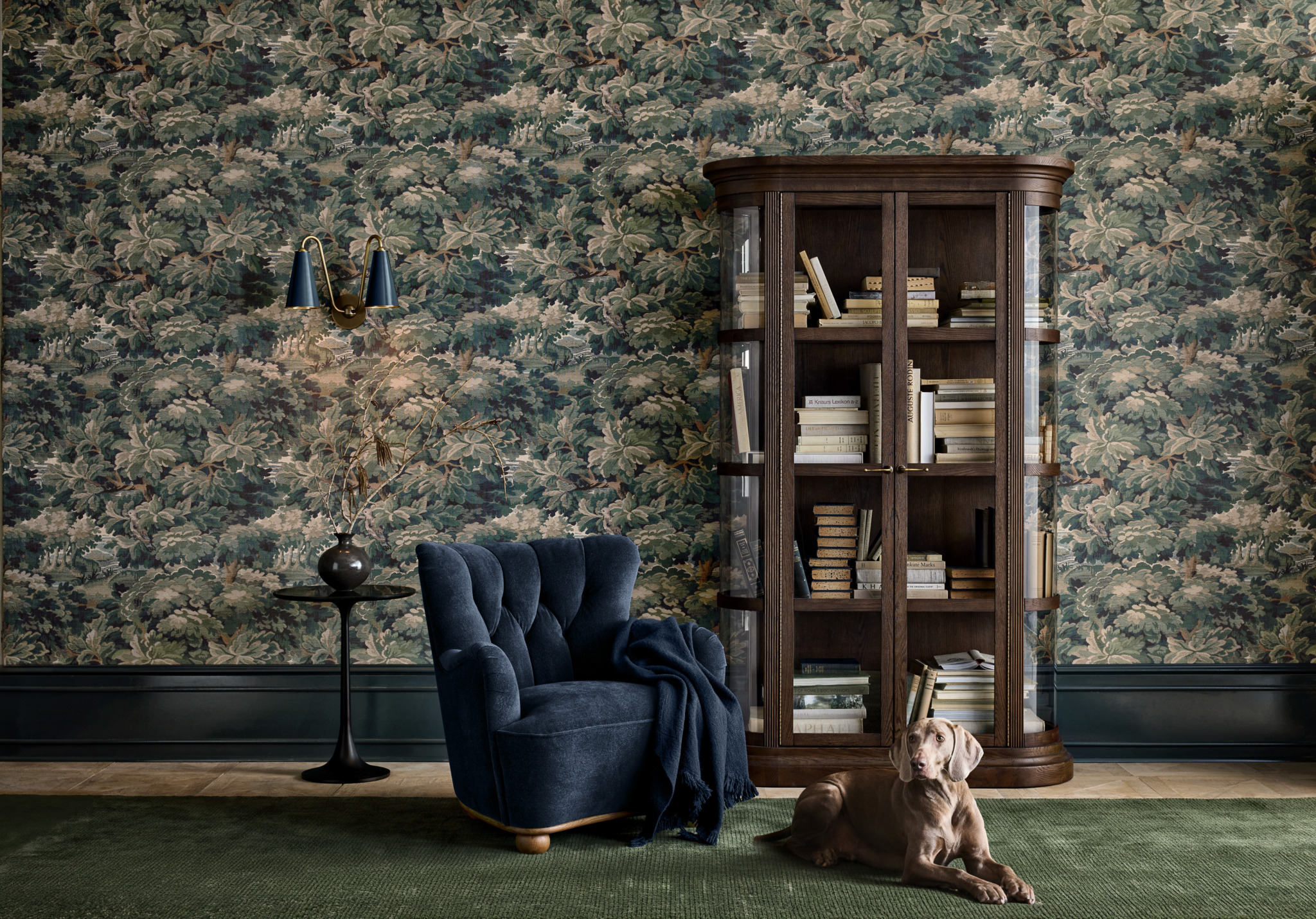
According to recent reports from the National Kitchen & Bath Association (NKBA) and industry analysts at Houzz, homeowners are increasingly prioritizing textures, patterns, and biophilic elements—design features that connect the interior environment to the natural world. The sudden surge in wallpaper popularity is not merely a nostalgic resurgence; it is a fundamental shift in how consumers perceive walls. Rather than treating them as neutral structural boundaries, homeowners are treating them as blank canvases for personal identity. This trend has seen a year-over-year increase in demand for premium wallcoverings, with the global wallpaper market projected to reach significant growth benchmarks by 2030, driven largely by the ease of application and the variety of finishes now available.
A Strategic Partnership: Merging Design with Heritage
The collaboration between Crate and Barrel and York Wallcoverings is a calculated synthesis of modern design sensibilities and deep-rooted manufacturing expertise. York Wallcoverings, based in York, Pennsylvania, has been in operation since 1895. Throughout its 129-year history, the company has preserved traditional printing methodologies, such as surface printing using 19th-century machinery, while simultaneously investing in cutting-edge digital printing technology.
For Crate and Barrel, this partnership provides the technical infrastructure required to scale a high-quality product line. By utilizing York’s diverse production capabilities, Crate and Barrel is launching a collection that spans various substrates, including grasscloth, linen, and hand-woven sisal. The use of traditional surface printing allows for the creation of raised, tactile surfaces that offer a sensory experience difficult to replicate with standard digital printing. This investment in craftsmanship aligns with the retailer’s broader goal of providing products that emphasize longevity and character over ephemeral trends.

Design Philosophy and Historical Context
The development of this inaugural wallcovering collection was led by an internal design team tasked with synthesizing historical visual archives into contemporary home applications. Sebastian Brauer, Senior Vice President of Product Design at Crate and Barrel, noted that the design process was rooted in a search for timelessness.
"We looked to vintage references—from antique tapestries I’ve collected to vintage ties and scarves from flea markets in Europe—and also created original artwork to create designs that bring warmth and character into a room," Brauer stated. The design team intentionally bypassed contemporary "micro-trends" in favor of motifs that evoke a sense of history. By sourcing inspiration from textiles and historical art, the collection aims to provide a bridge between the heritage of the home and modern living requirements.
Technical Specifications and Production Techniques
The technical breadth of the new collection is expansive, encompassing four primary printing methodologies:

- Digital Printing: Used for high-resolution, intricate imagery that requires precise color matching and detail.
- Screen Printing: Employed to achieve the saturated, rich color blocks often associated with bold, modern graphics.
- Surface Printing: A traditional technique using rollers to apply ink, resulting in a subtle, hand-blocked effect that is highly sought after for its organic, slightly imperfect aesthetic.
- Gravure Printing: Utilized for high-volume, detailed patterns that require consistent ink density.
These techniques are applied to a curated range of materials. Grasscloth and sisal are featured prominently, serving as a functional choice for adding acoustic dampening and physical depth to a room. The inclusion of these natural fibers signals a commitment to material authenticity, a key differentiator in a market flooded with inexpensive, printed vinyl alternatives.
Market Implications and Consumer Impact
The entry of a major retailer like Crate and Barrel into the wallcovering market is expected to have a "democratizing" effect on the industry. Historically, high-end, artisan-made wallpaper was often restricted to trade-only showrooms or boutique design studios, making it inaccessible to the average consumer. By offering these designs through their existing digital storefronts and retail infrastructure, Crate and Barrel is lowering the barrier to entry for homeowners looking to elevate their spaces.
Furthermore, the integration of these products into the Crate and Barrel Kids and CB2 lines allows for brand-wide consistency. A consumer purchasing furniture from one of these brands can now coordinate their wallcoverings with their upholstery, lighting, and textiles, simplifying the interior design process. This "total room" approach is a staple of modern retail strategy, aimed at increasing the average order value while providing a cohesive, curated aesthetic for the buyer.

Industry Reaction and Future Outlook
While it is too early to quantify the long-term market share impact, initial industry reactions have been positive. Designers have noted that the collection’s focus on texture—specifically the use of grasscloth and linen—aligns with the current "warm minimalism" trend that has begun to replace the colder, sterile aesthetics of the past.
From an economic perspective, the partnership serves as a validation of the "home as a sanctuary" movement. As interest rates and economic uncertainty continue to influence the housing market, consumers are increasingly choosing to renovate their existing homes rather than move. This creates a sustained demand for interior design products that offer a high "perceived value" and significant aesthetic impact for a relatively modest investment.
Conclusion and Availability
The collection, which officially launched on October 7, 2026, is currently available for purchase exclusively through the Crate and Barrel, Crate and Barrel Kids, and CB2 websites. This digital-first approach allows the company to manage inventory effectively while providing consumers with access to a wider catalog than would be possible in a brick-and-mortar retail space.

As Crate and Barrel continues to expand its product ecosystem, this wallcovering collection serves as a foundational element of its future strategy. By focusing on archival inspiration, high-quality production partnerships, and material-rich textures, the retailer is successfully transitioning from a furniture provider to a holistic home design authority. The long-term success of this venture will depend on the consumer’s ongoing appetite for personalized, expressive home environments, but if current market trends hold, the wallpaper renaissance is only just beginning.