
 Indra Kusuma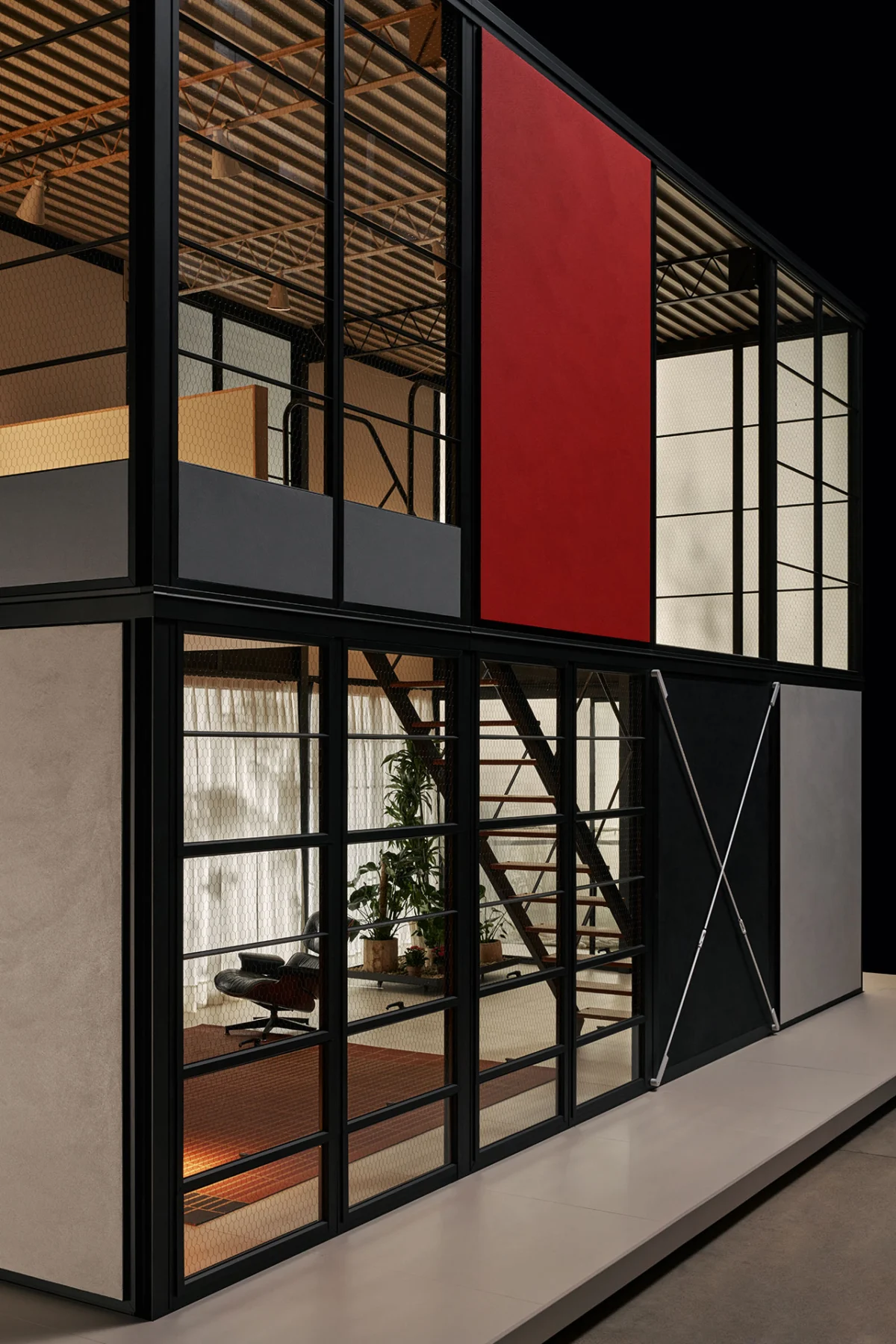
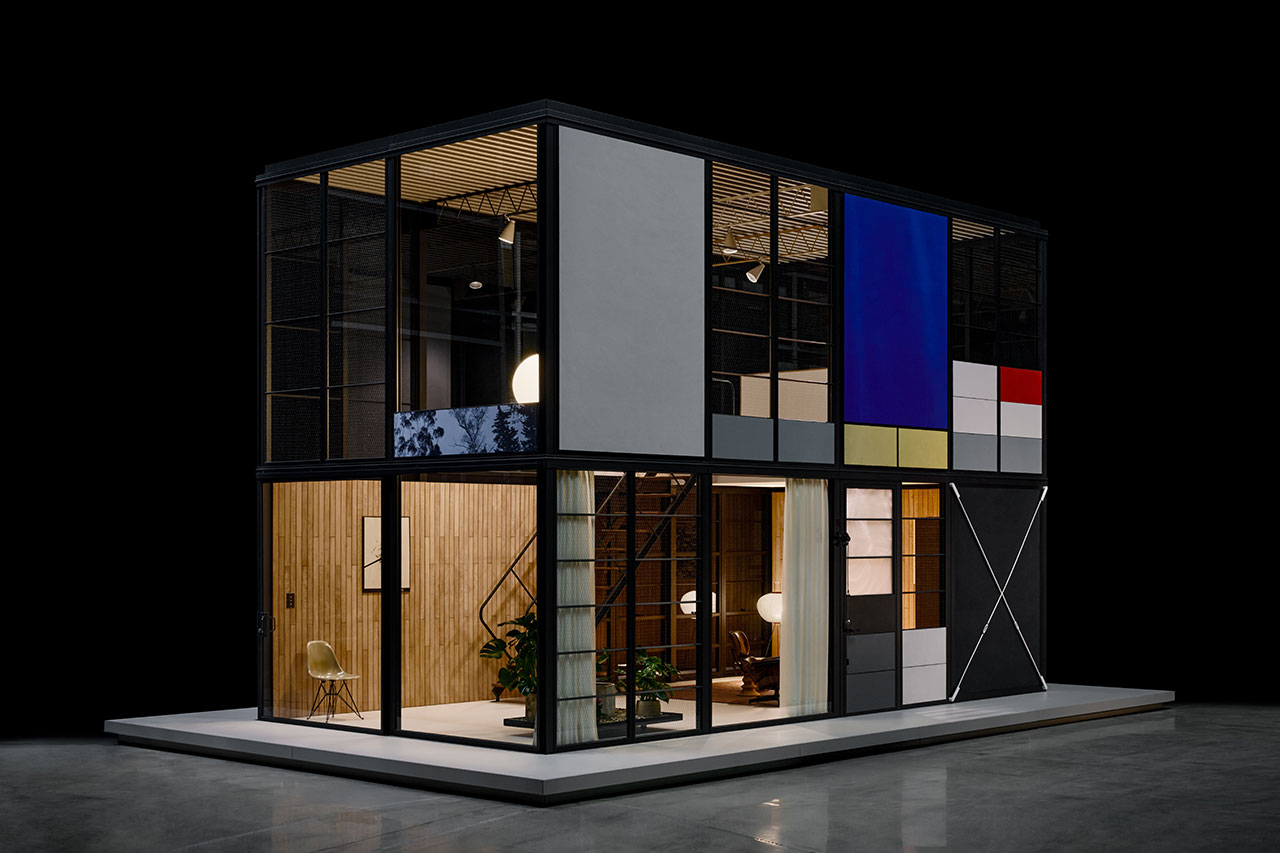
In a significant event for contemporary architecture and design, the Eames Pavilion System has made its global debut at the prestigious Triennale Milano, presenting a visionary advancement in modular living. This innovative architectural solution, born from a collaborative effort between the revered Eames Office and the acclaimed Spanish design brand Kettal, extends the foundational philosophies of Charles and Ray Eames into the 21st century. Far from being a mere replica of past works, the Pavilion System is a fully engineered architectural ecosystem designed for adaptable, humane habitation, marrying industrial precision with a deep understanding of human experience.
A Legacy Reimagined: The Eamesian Philosophy of Design
Charles and Ray Eames are indelible figures in the annals of 20th-century design, their influence spanning furniture, architecture, graphic design, and film. They are often synonymous with the burgeoning field of ergonomics, which prioritizes the interaction between people and their environment. Their groundbreaking work, such as the iconic Eames Lounge Chair for Herman Miller, serves as a testament to what can be achieved when innovative design principles are meticulously paired with considered craftsmanship. The Eameses’ approach was characterized by an insatiable curiosity for material exploration, often repurposing traditionally industrial components to create objects and structures that were not only functional but also thoroughly cohesive and aesthetically pleasing. This philosophy—of leveraging industrial means for human-centered ends—is profoundly embedded in the newly unveiled Pavilion System.

Their design ethos transcended mere aesthetics, delving into the fundamental problems of daily life and seeking solutions that enhanced human experience. They believed that design should solve problems, make good things available to more people, and be a democratic force. This meant understanding human behavior, movement, and interaction with spaces, transforming these insights into tangible design elements. The Eameses consistently sought to create environments that were both intellectually stimulating and intuitively comfortable, a balance that remains a hallmark of their enduring legacy.
The Genesis of Modular Living: From Case Study Houses to Contemporary Systems

The Eames Pavilion System is not an isolated innovation but rather a direct evolution of Charles and Ray Eames’s long-standing interest in prefabricated, modular architecture. Their most famous architectural project, the Eames House (Case Study House No. 8), built in 1949 as part of Arts & Architecture magazine’s Case Study House program, stands as a seminal example. Designed for their own living and working, the Eames House utilized readily available, off-the-shelf industrial components—steel frames, factory sash windows, and prefabricated panels—to construct an elegant, light-filled structure that harmonized with its natural surroundings. This approach demonstrated the potential for beauty and functionality within standardized industrial materials, offering a prototype for affordable and efficient post-war housing.
The Case Study Houses, particularly the Eames House, were more than just residences; they were experiments in living, prototypes intended to explore new ways of constructing homes for modern life. The Eameses envisioned architecture not as static monuments but as flexible frameworks that could adapt to the dynamic needs of their occupants. Their writings and numerous unbuilt projects reveal a consistent aspiration for "series production of human habitation"—a vision to democratize well-designed, adaptable living spaces. This concept, born from the urgent need for housing after World War II, laid the groundwork for the modular, scalable approach now realized in the Kettal collaboration. The Eames Pavilion System can be seen as the ultimate fulfillment of this ambition, transforming their mid-century prototypes into a refined, contemporary product line.

Collaboration for Innovation: Eames Office and Kettal
The realization of the Eames Pavilion System is a testament to the strategic partnership between Eames Office and Kettal. Eames Office, led by Eames Demetrios, grandson of Charles and Ray Eames, serves as the vigilant steward of the Eames legacy. Its mission is to preserve, communicate, and extend the profound impact of Charles and Ray’s work, ensuring that their principles remain relevant and inspiring for future generations. This entails not just curating historical archives but also engaging in new projects that authentically embody the Eames spirit of innovation and human-centered design.

Kettal, a leading Spanish company specializing in high-end outdoor furniture and architectural systems, brings to this collaboration its considerable expertise in manufacturing, material science, and contemporary design. Known for its commitment to quality, durability, and sophisticated aesthetics, Kettal possesses the industrial capability and design sensibility required to translate the Eameses’ complex vision into a tangible, marketable product. The partnership is a synergistic blend: Eames Office provides the historical grounding, philosophical framework, and design integrity, while Kettal contributes the engineering prowess, production capacity, and global distribution network necessary to bring such an ambitious project to fruition. This collaboration underscores a shared commitment to excellence and a belief in the power of design to improve daily life.
Deconstructing the Pavilion: Design and Functionality

The Eames Pavilion System is characterized by its inherent modularity, allowing users to configure spaces like building blocks, tailored to specific needs and environments. Each component is distinct, vibrant, and crucially, humane. The system’s facade is meticulously designed to respond to the natural flows of life. Windows are engineered to open wide, facilitating natural ventilation and refreshing the interior air, a critical feature for promoting well-being and reducing energy consumption. The colorful panels, a signature Eames aesthetic, are available in custom configurations, offering versatility for both privacy and public engagement. This adaptability makes the Pavilion System suitable for a diverse range of applications, from intimate residential extensions to dynamic public installations or flexible office environments.
Material exploration, a cornerstone of the Eameses’ original work, is evident throughout the Pavilion System. It ingeniously integrates traditionally industrial parts—metal frames, glass panels, and composite materials—into a thoroughly cohesive and aesthetically harmonious project. The result is a structure that is robust and durable, yet feels light and inviting. The choice of materials also reflects a commitment to longevity and low maintenance, ensuring that these "containers for life" are sustainable in their practicality.

Aesthetically, the system radiates a balance and symmetry that are extensions of the Eameses’ design philosophy. The interplay of industrial black and grey frames with brilliant bursts of blue and yellow panels is instantly recognizable as signature Eames. These vibrant accents are not merely decorative; they reflect Ray Eames’s sensibility as an artist, imbuing the industrial framework with warmth, personality, and a sense of joy. This thoughtful application of color and texture serves to soften the inherent "coldness" of metal and glass, creating spaces that feel welcoming and conducive to family and connection. The meticulous attention to detail, from the choice of fasteners to the integration of services, ensures that every aspect of the Pavilion System contributes to a sense of order and tranquility.
Eames Demetrios on the System’s Vision

Eames Demetrios, Director of the Eames Office, articulates the profound significance of the Pavilion System in bridging the past and future of Eamesian design. "In the almost 40 years I have been Director of the Eames Office, I have been asked time and again whether it is possible to purchase a reproduction of the Eames House," Demetrios states. He explains that while one-to-one replicas can hold interest, the true ambition was always for "something else – a true systems approach that was also international in its solution." This statement highlights a crucial distinction: the Pavilion System is not a nostalgic recreation but a forward-looking interpretation of core Eames principles.
Demetrios emphasizes that the new system "advances prefabricated Eames buildings from prototype to product." This transition from experimental prototype to a commercially available, fully engineered solution marks a pivotal moment. It signifies the maturation of concepts that were, for decades, confined to academic study or limited-run projects. He stresses that it is "not a facsimile or collector’s edition, but a fully engineered architectural ecosystem." This language underscores the system’s comprehensiveness and its capacity to function as a complete living or working environment, adaptable to various climates and cultural contexts. The Eames houses, many of which remained unbuilt, were consistently viewed as "milestones and prototypes for such evolution," Demetrios notes, reaffirming that his grandparents’ original intent was always the "series production of human habitation." This new system finally brings that long-held vision to fruition, offering a modular, adaptable, and aesthetically rich solution for contemporary architectural needs.

Broader Implications: The Future of Adaptable Architecture
The unveiling of the Eames Pavilion System carries significant implications for the future of architecture, particularly in the realm of prefabricated and modular construction. In an era demanding greater flexibility, sustainability, and efficiency in building, the system addresses several contemporary challenges.

Firstly, its modular nature offers unparalleled adaptability. Unlike conventional construction, which is often rigid and site-specific, the Pavilion System allows for rapid assembly, disassembly, and reconfiguration. This makes it ideal for evolving spatial needs, whether for expanding residential spaces, creating temporary pop-up structures, or establishing flexible commercial environments. This adaptability aligns with a growing global trend towards dynamic living and working arrangements.
Secondly, the system’s emphasis on natural ventilation and thoughtful material selection points towards enhanced sustainability. By designing for natural flows of air and light, it reduces reliance on energy-intensive mechanical systems. The use of prefabricated components also minimizes on-site waste and allows for more precise manufacturing processes, contributing to a more environmentally responsible construction paradigm. This focus on efficiency and resourcefulness echoes the Eameses’ pioneering efforts in sustainable design, long before the term became mainstream.

Thirdly, the Pavilion System reasserts the importance of human-centered design in architecture. The Eameses were not satisfied with creating objects purely for beauty; every aspect of their work reflected a deep understanding of human movement, trajectory, and daily routines—from the gathering around a kitchen counter to the practicalities of a pile of shoes in the hallway. This new system continues that tradition, anticipating and accommodating the nuanced rhythms of human life. While cultural standards vary, certain universal aspects of human nature and interaction remain constant, and it is these enduring truths that the Eameses sought to address through their designs. The Pavilion System serves as a compelling reminder that truly great architecture should always prioritize the well-being and experience of its inhabitants.
Finally, the collaboration between Eames Office and Kettal sets a precedent for how design legacies can be revitalized and made relevant for new generations. By moving beyond mere reproductions to create a truly innovative product, the project ensures that the Eames philosophy continues to inspire and shape the built environment. It offers a tangible example of how historical design principles, when coupled with modern manufacturing capabilities and a contemporary vision, can yield solutions that are both timeless and forward-thinking.

A Continuing Dialogue in Design
The Eames Pavilion System is more than just a new product; it is a profound statement about the enduring power of design to address fundamental human needs. Debuting at Triennale Milano, a global platform for design excellence, the system invites a continuing dialogue about the future of habitation, the role of modularity, and the seamless integration of industrial aesthetics with humanistic principles. It solidifies the Eames legacy not as a historical artifact, but as a living, evolving framework for understanding and shaping the spaces we inhabit. With its colorful distinctions, intelligent functionality, and deep commitment to humane design, the Eames Pavilion System stands as a vibrant testament to the Eamesian vision, poised to influence how we live, work, and interact with our environments for decades to come.

To learn more about the Eames Pavilion System, visit kettal.com.
Photography by Yosigo, Rocafort, courtesy of Kettal.







