
 Ali Ikhwan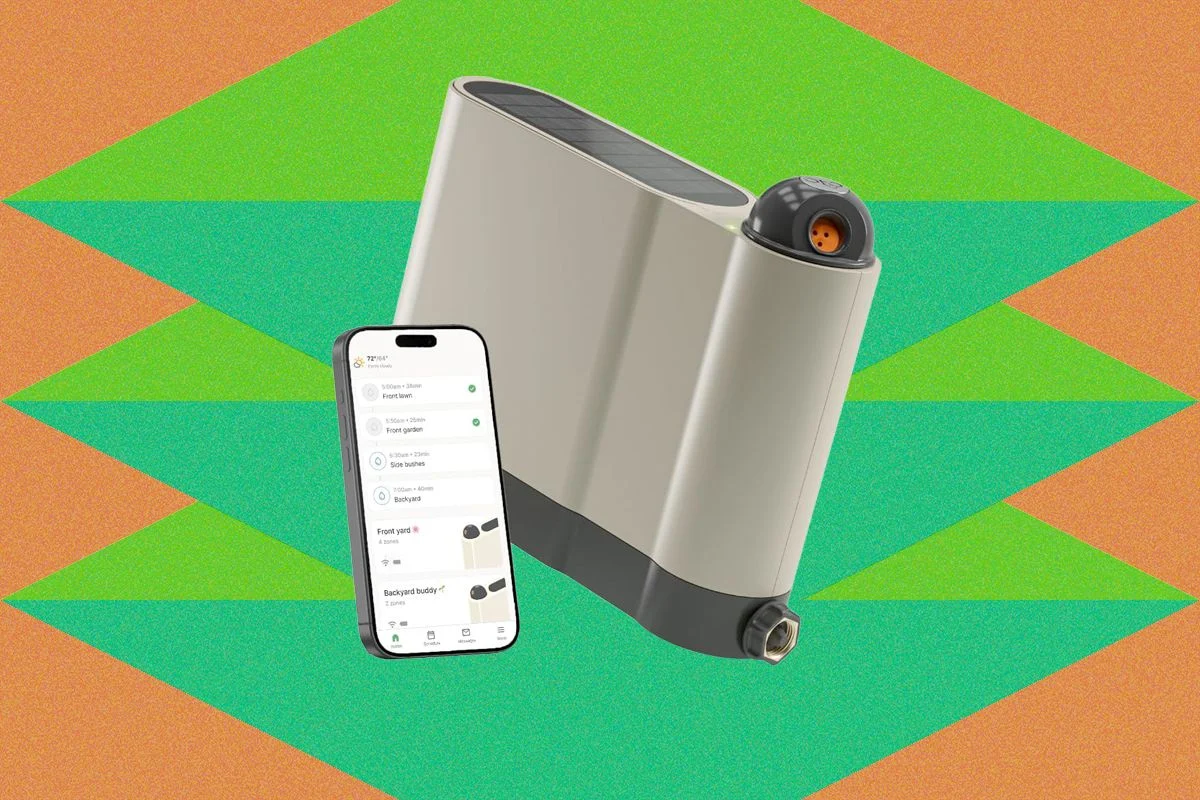
The residential landscaping industry is currently undergoing a significant technological transformation, shifting away from traditional, wasteful spray systems toward precision-engineered robotic solutions designed to maximize water efficiency. At the forefront of this movement is the Oto smart sprinkler, a device that integrates cloud-based software with hardware capable of surgical water delivery. Unlike traditional in-ground systems that rely on high-volume spray heads and extensive underground piping, the Oto system utilizes a single, high-precision nozzle that fires a concentrated beam of water. This approach allows for the creation of customized watering zones defined through a digital interface, effectively bringing the principles of industrial agricultural technology to the average consumer’s backyard.
The Technological Architecture of Precision Irrigation
The Oto system distinguishes itself through its unique method of water delivery. While competitors like Irrigreen utilize a "water printing" technique that creates a two-dimensional curtain of water, Oto employs a narrower, more focused beam. This beam is designed to hit specific, designated patches of land, minimizing the "mist effect" where water evaporates before it reaches the soil. In the context of modern irrigation, this distinction is critical; traditional sprinklers can lose up to 50% of water to evaporation and wind drift. By maintaining a tight, singular stream, Oto aims to ensure that the vast majority of the water discharged actually penetrates the root zones of the targeted plants.
The hardware is supported by a sophisticated mobile application that serves as the central command hub for the device. The setup process mirrors the workflows established by other high-end systems, such as the Aiper and Irrigreen platforms. Users are required to define the boundaries of their yard by dropping digital points around the sprinkler’s 360-degree radius. This interface allows for the creation of various zone types, including "spots" for individual trees or shrubs, "lines" for narrow flowerbeds, and complex "area zones" for traditional lawn coverage.
Chronology of Smart Irrigation Development
The path to the Oto smart sprinkler began with the "smart controller" era of the early 2010s. During this period, companies like Rachio and RainCloud introduced Wi-Fi-connected timers that could adjust watering schedules based on local weather forecasts. However, these systems were still tethered to traditional, inefficient spray heads.
By 2018, the industry began to see the emergence of "precision-mapped" irrigation. This second generation of technology moved beyond simple timing and began to address the physical delivery of water. Irrigreen pioneered the concept of digital mapping, using software to pulse water pressure and adjust nozzle angles in real-time. Oto entered this space by refining the hardware into a more compact, singular unit that could be installed without professional excavation. The current iteration of the Oto system represents the third generation of this technology, combining weather intelligence, precision mapping, and user-friendly "plug-and-play" installation.
Operational Mechanics and User Interface
The configuration of the Oto system is a data-driven process. Once the physical unit is connected to a water source and a power supply (often solar-assisted), the user defines the yard’s boundaries. The app provides a real-time preview of the water’s reach as points are dropped, allowing for high levels of accuracy. Industry analysts have noted that while Oto’s interface is highly intuitive, it exhibits a slightly slower response time to commands compared to the more expensive Irrigreen system. Nevertheless, the ability to create a full 360-degree watering map by simply tapping a smartphone screen marks a significant leap over manual adjustment of mechanical sprinkler heads.
Once the zones are mapped, the system allows for granular scheduling. Users can designate specific days of the week, or opt for odd/even day cycles to comply with local municipal water restrictions. A key feature of the Oto system is the "weekly watering limit," measured in inches of depth. This allows homeowners to adhere to the "one inch of water per week" rule often recommended by agronomists for healthy turfgrass. By parsing this depth out over multiple watering runs, the system prevents soil saturation and promotes deeper root growth.
Weather Intelligence and Environmental Data
A core component of the Oto’s value proposition is its "weather intelligence" suite. The system pulls real-time data from local weather stations based on the user’s zip code. This data allows the sprinkler to automatically skip scheduled runs under two primary conditions:
- Precipitation Thresholds: If the system detects measurable rainfall that meets a user-defined threshold, it cancels the day’s watering to prevent over-saturation.
- Wind Speed Interference: High winds can deflect even a concentrated beam of water. Oto allows users to set a maximum wind speed; if local reports exceed this limit, the system pauses operation to avoid wasting water on non-target areas.
The application maintains a log of the 20 most recent watering cycles and provides a comprehensive calendar of upcoming events. This data-centric approach provides homeowners with a level of transparency regarding their water usage that was previously unavailable without expensive flow meters.
Performance Analysis: Coverage and Limitations
During operational cycles, the Oto employs a systematic approach to coverage. It begins by moving in circular arcs close to the unit, gradually increasing the range with each successive swipe. This "spiraling" method ensures that the inner portions of a zone receive adequate moisture before the system extends to the perimeter. Upon completing the primary cycle, the device performs "clean-up" runs, specifically targeting gaps identified during the initial pass.
Field tests indicate that the size and velocity of the water beam are sufficient to provide solid, uniform coverage across entire zones. However, the system is not without technical challenges. Like all irrigation systems, Oto is subject to the physics of water pressure. Fluctuations in a home’s water pressure can lead to occasional over- or under-shooting of the defined boundaries.
Furthermore, a phenomenon known as "terminal splashdown" occurs at the maximum extent of the sprinkler’s range. To propel water to its furthest limits, the device must exert significant force. The resulting impact of the water beam at the terminus can be powerful enough to cause soil erosion or physical damage to delicate flora. Consequently, landscaping experts suggest that users should avoid placing sensitive ornamental plants at the very edge of the Oto’s reach.
Market Context and Official Industry Responses
The rise of devices like Oto comes at a time when water conservation has moved from a regional concern to a national priority. According to the Environmental Protection Agency (EPA), residential outdoor water use in the United States accounts for nearly 9 billion gallons per day. The EPA’s WaterSense program estimates that as much as 50% of this water is wasted due to evaporation, wind, or runoff caused by inefficient irrigation methods.
In response to the emergence of precision systems, several municipal water districts in drought-prone states like California and Arizona have begun evaluating "smart" irrigation technologies for rebate eligibility. While most rebates currently target smart controllers, there is an ongoing dialogue among policy-makers to include precision-mapping hardware like Oto and Irrigreen in conservation incentive programs.
Industry analysts from firms such as Grand View Research suggest that the global smart irrigation market is expected to grow at a compound annual growth rate (CAGR) of over 15% through 2028. This growth is driven by the increasing adoption of IoT (Internet of Things) devices in home automation and a growing awareness of environmental sustainability among millennial homeowners.
Secondary Applications: The Integration of Leisure
In a departure from purely utilitarian functions, the Oto system includes a "Play Mode." This feature repurposes the precision-aiming hardware for entertainment, offering modes such as "splash tag" or a game of chase. While this may appear to be a trivial addition, it demonstrates the versatility of the underlying robotics. The same precision required to water a single rose bush can be used to track movement or follow a randomized path for recreation. However, technical evaluations of this mode confirm that the system’s accuracy makes it virtually impossible for a human participant to avoid being hit by the water beam, highlighting the efficacy of its targeting sensors.
Broader Implications for the Future of Landscaping
The implementation of the Oto smart sprinkler represents a broader shift toward "set-and-forget" land management. By automating the complex calculations of evaporation rates, soil moisture, and weather patterns, these systems reduce the "human error" factor in gardening.
The long-term implications of this technology extend beyond simple convenience. As urban areas become more densely populated and water resources more strained, the ability to maintain green spaces with minimal waste will be essential for urban cooling and carbon sequestration. Precision irrigation systems like Oto provide a scalable solution that balances the aesthetic and environmental benefits of residential lawns with the urgent need for resource conservation.
While the initial investment in such technology is higher than traditional mechanical sprinklers, the reduction in water bills and the preservation of expensive landscaping provide a clear economic argument for adoption. As the technology matures and response times improve, it is likely that precision-beam irrigation will become the standard for modern property management, marking the end of the era of the "dumb" spray head.







